
-
×
 Forex Master Method Evolution with Russ Horn
1 × $6.00
Forex Master Method Evolution with Russ Horn
1 × $6.00 -
×
 Technical Timing Patterns
1 × $6.00
Technical Timing Patterns
1 × $6.00 -
×
 Forex Strategy Course with Angel Traders
1 × $6.00
Forex Strategy Course with Angel Traders
1 × $6.00 -
×
 Trading Masterclass XVII with Wysetrade
1 × $6.00
Trading Masterclass XVII with Wysetrade
1 × $6.00 -
×
 W. D Gann 's Square Of 9 Applied To Modern Markets with Sean Avidar - Hexatrade350
1 × $23.00
W. D Gann 's Square Of 9 Applied To Modern Markets with Sean Avidar - Hexatrade350
1 × $23.00 -
×
 The Complete Guide to Multiple Time Frame Analysis & Reading Price Action with Aiman Almansoori
1 × $13.00
The Complete Guide to Multiple Time Frame Analysis & Reading Price Action with Aiman Almansoori
1 × $13.00 -
×
 Trading with Wave59 with Earik Beann
1 × $6.00
Trading with Wave59 with Earik Beann
1 × $6.00 -
×
 Market Profile Video with FutexLive
1 × $6.00
Market Profile Video with FutexLive
1 × $6.00 -
×
 How to Overlay Technical Indicators with Keith Raphael
1 × $6.00
How to Overlay Technical Indicators with Keith Raphael
1 × $6.00 -
×
 Blueprint to Extreme Reversals with Aiman Almansoori - Trading Terminal
1 × $8.00
Blueprint to Extreme Reversals with Aiman Almansoori - Trading Terminal
1 × $8.00 -
×
 A Seminar On Ocean Theory Home Study Trading Course with Pat Raffalovich
1 × $6.00
A Seminar On Ocean Theory Home Study Trading Course with Pat Raffalovich
1 × $6.00 -
×
 A Really Friendly Guide to Wavelets with C.Vallens
1 × $6.00
A Really Friendly Guide to Wavelets with C.Vallens
1 × $6.00 -
×
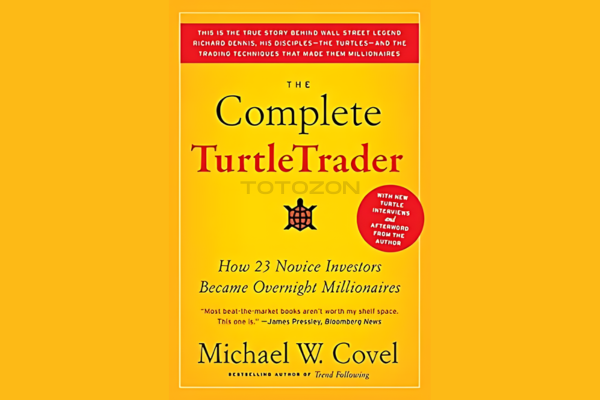 The Complete Turtle Trader with Michael Covel
1 × $6.00
The Complete Turtle Trader with Michael Covel
1 × $6.00 -
×
 Scanning For Gold with Doug Sutton
1 × $6.00
Scanning For Gold with Doug Sutton
1 × $6.00 -
×
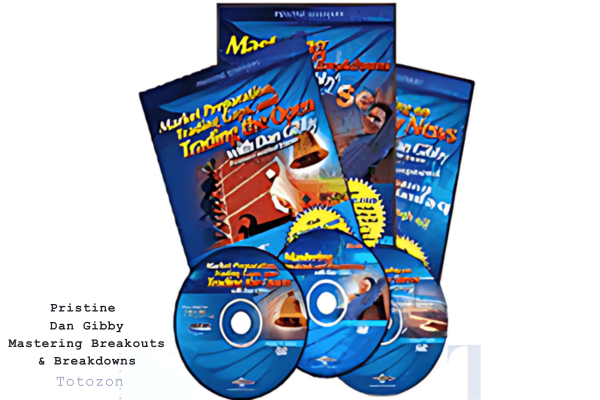 Pristine - Dan Gibby – Mastering Breakouts & Breakdowns
1 × $6.00
Pristine - Dan Gibby – Mastering Breakouts & Breakdowns
1 × $6.00 -
×
 The Trading Blueprint with Brad Goh - The Trading Geek
1 × $5.00
The Trading Blueprint with Brad Goh - The Trading Geek
1 × $5.00
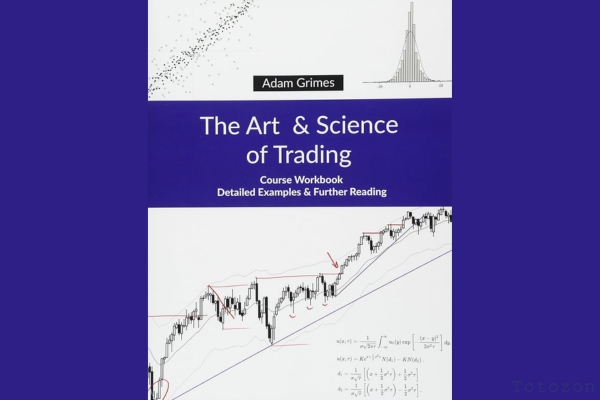
The Art And Science Of Trading with Adam Grimes
$6.00
File Size: Coming soon!
Delivery Time: 1–12 hours
Media Type: Online Course
The Art And Science Of Trading with Adam Grimes
Trading is often depicted as a blend of art and science, requiring a delicate balance of creativity and analytical rigor. In this comprehensive guide, we explore the nuances of trading, drawing insights from the expertise of renowned trader Adam Grimes. From understanding market dynamics to implementing effective trading strategies, this article aims to demystify the art and science of trading.
Understanding Trading as an Art
1. Intuition and Gut Feel
- Successful traders often rely on intuition and gut feel to navigate uncertain market conditions, using their experience and expertise to make informed decisions.
2. Creativity in Strategy Development
- Developing innovative trading strategies requires a creative approach, as traders seek to capitalize on market inefficiencies and emerging trends.
Mastering the Science of Trading
1. Technical Analysis
- Technical analysis involves the study of price charts and indicators to identify patterns and trends, providing insights into potential market movements.
2. Fundamental Analysis
- Fundamental analysis focuses on evaluating the intrinsic value of assets based on economic, financial, and qualitative factors, helping traders make informed investment decisions.
Combining Art and Science in Trading
1. Adaptive Trading Strategies
- Adaptive trading strategies blend technical and fundamental analysis, allowing traders to adapt to changing market conditions and seize opportunities.
2. Risk Management
- Effective risk management is crucial in trading, balancing the potential for profits with the need to protect capital and minimize losses.
Conclusion
Trading encompasses both art and science, requiring traders to leverage their creativity and analytical skills to succeed in dynamic markets. By understanding the principles of trading and learning from experienced professionals like Adam Grimes, traders can enhance their decision-making process and achieve greater success in the financial markets.
FAQs
1. What is the role of psychology in trading?
Psychology plays a significant role in trading, influencing emotions, decision-making, and risk management strategies.
2. How important is backtesting in trading?
Backtesting allows traders to evaluate the performance of their trading strategies using historical data, helping to identify strengths and weaknesses.
3. Can anyone learn to trade effectively?
While trading requires dedication and effort, anyone can learn to trade effectively with the right education, mindset, and discipline.
4. How do traders deal with market volatility?
Traders employ various strategies to manage market volatility, including adjusting position sizes, using stop-loss orders, and diversifying their portfolios.
5. What are some common pitfalls to avoid in trading?
Common pitfalls in trading include overtrading, emotional decision-making, lack of discipline, and failure to adhere to a trading plan.
Be the first to review “The Art And Science Of Trading with Adam Grimes”
You must be logged in to post a review.
Related products

Original price was: $497.00.$31.00Current price is: $31.00.

Forex Trading
Original price was: $850.00.$23.00Current price is: $23.00.

Original price was: $497.00.$11.00Current price is: $11.00.

Original price was: $997.00.$8.00Current price is: $8.00.

Original price was: $700.00.$39.00Current price is: $39.00.

Original price was: $997.00.$13.00Current price is: $13.00.

Forex Trading
Original price was: $2,000.00.$23.00Current price is: $23.00.

Forex Trading
Original price was: $397.00.$31.00Current price is: $31.00.

Forex Trading
Original price was: $1,898.00.$10.00Current price is: $10.00.

Forex Trading
Original price was: $239.00.$8.00Current price is: $8.00.

Forex Trading
Original price was: $125.00.$17.00Current price is: $17.00.

Forex Trading
Original price was: $1,098.00.$39.00Current price is: $39.00.

Forex Trading
Quantamentals – The Next Great Forefront Of Trading and Investing with Trading Markets
Original price was: $1,495.00.$8.00Current price is: $8.00.

Forex Trading
Original price was: $2,995.00.$31.00Current price is: $31.00.

Original price was: $197.00.$5.00Current price is: $5.00.
Original price was: $139.00.$23.00Current price is: $23.00.

Original price was: $1,200.00.$23.00Current price is: $23.00.

Forex Trading
Original price was: $4,997.00.$27.00Current price is: $27.00.

Original price was: $310.00.$23.00Current price is: $23.00.

Forex Trading
Original price was: $799.00.$15.00Current price is: $15.00.
Reviews
There are no reviews yet.