
-
×
 Mastering Technical Analysis with Investi Share
1 × $23.00
Mastering Technical Analysis with Investi Share
1 × $23.00 -
×
 Generative AI for Asset Managers Workshop Recording with Ernest Chan
1 × $55.00
Generative AI for Asset Managers Workshop Recording with Ernest Chan
1 × $55.00 -
×
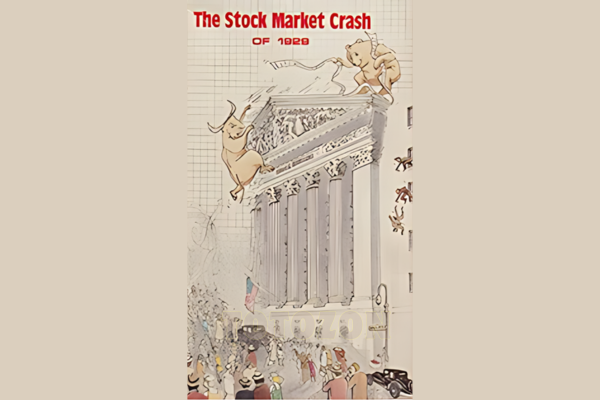 Stock Market Crash of 1929 with Aron Abrams
1 × $6.00
Stock Market Crash of 1929 with Aron Abrams
1 × $6.00 -
×
 The A14 Weekly Option Strategy Workshop with Amy Meissner
1 × $23.00
The A14 Weekly Option Strategy Workshop with Amy Meissner
1 × $23.00 -
×
 Earnings Power Play with Dave Aquino
1 × $15.00
Earnings Power Play with Dave Aquino
1 × $15.00 -
×
 Follow the Leader Trading System with Anthony Gibson
1 × $6.00
Follow the Leader Trading System with Anthony Gibson
1 × $6.00 -
×
 Technical Analysis 101: A Comprehensive Guide to Becoming a Better Trader Class with Jeff Bierman
1 × $6.00
Technical Analysis 101: A Comprehensive Guide to Becoming a Better Trader Class with Jeff Bierman
1 × $6.00 -
×
 Developing the Psychological Trader’s Edge with Robin Dayne
1 × $6.00
Developing the Psychological Trader’s Edge with Robin Dayne
1 × $6.00 -
×
 Empirical Market Microstructure
1 × $6.00
Empirical Market Microstructure
1 × $6.00 -
×
 90 Days To Trade MasterClass with Jerremy Newsome & Matt Delong - Real Life Trading
1 × $104.00
90 Days To Trade MasterClass with Jerremy Newsome & Matt Delong - Real Life Trading
1 × $104.00 -
×
 A Momentum Based Approach to Swing Trading with Dave Landry
1 × $6.00
A Momentum Based Approach to Swing Trading with Dave Landry
1 × $6.00 -
×
 The Deadly 7 Sins of Investing with Maury Fertig
1 × $6.00
The Deadly 7 Sins of Investing with Maury Fertig
1 × $6.00 -
×
 Rounded Bottom Breakout Multimedia Course
1 × $31.00
Rounded Bottom Breakout Multimedia Course
1 × $31.00 -
×
 The 13-Week Cash Flow Model
1 × $15.00
The 13-Week Cash Flow Model
1 × $15.00 -
×
 Profiting In Bull Or Bear Markets with George Dagnino
1 × $6.00
Profiting In Bull Or Bear Markets with George Dagnino
1 × $6.00 -
×
 Handbook on the Knowledge Economy with David Rooney
1 × $6.00
Handbook on the Knowledge Economy with David Rooney
1 × $6.00 -
×
 CNBC 24-7 Trading with Barbara Rockefeller
1 × $6.00
CNBC 24-7 Trading with Barbara Rockefeller
1 × $6.00 -
×
 Proven Chart Patterns: Key Indicators for Success in Today’s Markets with Chris Manning
1 × $6.00
Proven Chart Patterns: Key Indicators for Success in Today’s Markets with Chris Manning
1 × $6.00 -
×
 Forecast 2024 Clarification with Larry Williams
1 × $15.00
Forecast 2024 Clarification with Larry Williams
1 × $15.00 -
×
 The Indices Orderflow Masterclass with The Forex Scalpers
1 × $23.00
The Indices Orderflow Masterclass with The Forex Scalpers
1 × $23.00 -
×
 George Bayer Squarring the Circle for Excel
1 × $6.00
George Bayer Squarring the Circle for Excel
1 × $6.00 -
×
 Weekly Diagonal Spreads for Consistent Income By Doc Severson
1 × $6.00
Weekly Diagonal Spreads for Consistent Income By Doc Severson
1 × $6.00 -
×
 $20 – 52k 20 pips a day challange with Rafał Zuchowicz - TopMasterTrader
1 × $5.00
$20 – 52k 20 pips a day challange with Rafał Zuchowicz - TopMasterTrader
1 × $5.00 -
×
 The Prop Trading Code with Brannigan Barrett - Axia Futures
1 × $23.00
The Prop Trading Code with Brannigan Barrett - Axia Futures
1 × $23.00 -
×
 0 DTE Options Trading Workshop with Aeromir Corporation
1 × $15.00
0 DTE Options Trading Workshop with Aeromir Corporation
1 × $15.00 -
×
 Bond Market Course with The Macro Compass
1 × $15.00
Bond Market Course with The Macro Compass
1 × $15.00 -
×
 Ultimate Trading Course with Dodgy's Dungeon
1 × $8.00
Ultimate Trading Course with Dodgy's Dungeon
1 × $8.00 -
×
 Deep Dive Butterfly Trading Strategy Class with SJG Trades
1 × $41.00
Deep Dive Butterfly Trading Strategy Class with SJG Trades
1 × $41.00

The Traders Battle Plan
$6.00
File Size: Coming soon!
Delivery Time: 1–12 hours
Media Type: Online Course
The Traders Battle Plan: A Comprehensive Guide
In today’s fast-paced financial markets, a well-structured trading plan is indispensable. “The Traders Battle Plan” offers a strategic blueprint for traders aiming to navigate the complexities of the market with precision and success. We’ll dive deep into the essential components of a robust trading strategy, using real-world examples and straightforward analogies to demystify the process. Whether you’re a novice or a seasoned trader, this guide will help you refine your trading approach and enhance your market performance.
Understanding the Need for a Trading Plan
Why Have a Plan?
Trading without a plan is like sailing without a compass. It’s essential to have a clear direction and predefined strategies to effectively manage market uncertainties. A trading plan serves as your personal rule book, providing guidelines that help maintain discipline and rationality, especially in volatile conditions.
Components of a Successful Trading Plan
- Risk Management: Establish risk tolerance levels and stop-loss strategies to protect your capital.
- Entry and Exit Criteria: Define clear conditions for entering and exiting trades to maximize gains and minimize losses.
- Market Analysis: Continuously analyze market conditions and adapt your strategies accordingly.
Developing Your Trading Plan
Setting Realistic Goals
Before diving into the markets, it’s crucial to set realistic trading goals. These should be specific, measurable, achievable, relevant, and time-bound (SMART). This clarity will guide your trading decisions and help you measure your progress.
Risk Management: The Safety Net
In trading, not all days are equally profitable. Effective risk management is your safety net against unforeseen market moves. Determine how much of your portfolio you are willing to risk on a single trade and stick to this decision.
Technical Analysis as a Tool
Utilizing technical analysis tools can enhance your market predictions. Charts, indicators, and historical data can provide insights into market trends and potential turning points.
Executing Your Plan
The Discipline of Following Through
Having a plan is one thing, but executing it consistently is what separates successful traders from the rest. Discipline ensures that you make logical decisions rather than emotional ones.
Adapting to Market Changes
The only constant in trading is change. Be prepared to adapt your trading plan in response to market conditions. This flexibility can be a significant advantage.
Record Keeping: Learning from the Past
Maintain a trading journal to record your trades and their outcomes. This documentation is invaluable for reflecting on your decisions and tweaking your strategies for better results.
Common Pitfalls to Avoid
Overtrading: Knowing When to Stop
Overtrading can deplete your capital quickly. Recognize when the market conditions are not in your favor and have the patience to wait for better opportunities.
Emotional Trading: Keeping a Cool Head
Emotional trading often leads to poor decisions. Stay calm and collected, focusing on your long-term goals rather than short-term fluctuations.
Tools and Resources for Traders
Choosing the Right Software
Select trading platforms and tools that align with your trading style and needs. The right technology can significantly enhance your efficiency and accuracy.
Continuous Learning and Improvement
Stay updated with the latest market trends and trading techniques. Continuous learning is crucial to maintaining a competitive edge in the market.
Conclusion
The essence of “The Traders Battle Plan” lies in its structured approach to trading, emphasizing the importance of planning, discipline, and continuous improvement. By adhering to these principles, traders can enhance their chances of success and navigate the markets more effectively.
FAQs
- What is the first step in developing a trading plan?
- Begin by assessing your financial goals, risk tolerance, and trading experience.
- How important is risk management in trading?
- It is critical as it helps you survive the down periods and capitalize on the upswings.
- Can I adjust my trading plan once it’s set?
- Yes, it’s essential to refine your plan as you gain more insight and experience.
- How do technical tools aid in trading?
- They help identify trends and potential reversal points in the market.
- What’s the key to successful trading?
- Consistency in following a well-thought-out trading plan and adapting to market changes.
Be the first to review “The Traders Battle Plan”
You must be logged in to post a review.
Related products
Original price was: $450.00.$23.00Current price is: $23.00.

Forex Trading
Original price was: $697.00.$5.00Current price is: $5.00.
Forex Trading
Original price was: $249.00.$15.00Current price is: $15.00.

Forex Trading
Original price was: $2,997.00.$23.00Current price is: $23.00.

Forex Trading
Original price was: $125.00.$17.00Current price is: $17.00.

Original price was: $2,120.00.$15.00Current price is: $15.00.
Forex Trading
Original price was: $999.00.$15.00Current price is: $15.00.

Forex Trading
The Complete Guide to Multiple Time Frame Analysis & Reading Price Action with Aiman Almansoori
Original price was: $1,399.00.$13.00Current price is: $13.00.

Forex Trading
Original price was: $550.00.$5.00Current price is: $5.00.

Original price was: $1,849.00.$15.00Current price is: $15.00.

Original price was: $497.00.$11.00Current price is: $11.00.

Forex Trading
Original price was: $4,997.00.$27.00Current price is: $27.00.

Forex Trading
Original price was: $1,898.00.$10.00Current price is: $10.00.

Original price was: $299.00.$8.00Current price is: $8.00.

Forex Trading
Original price was: $500.00.$5.00Current price is: $5.00.

Original price was: $999.00.$5.00Current price is: $5.00.

Original price was: $4,995.00.$15.00Current price is: $15.00.
Original price was: $197.00.$5.00Current price is: $5.00.

Original price was: $139.00.$23.00Current price is: $23.00.

Original price was: $497.00.$31.00Current price is: $31.00.

Reviews
There are no reviews yet.