
-
×
 My General Counsel™
1 × $23.00
My General Counsel™
1 × $23.00 -
×
 Trend Trading: Timing Market Tides with Kedrick Brown
1 × $6.00
Trend Trading: Timing Market Tides with Kedrick Brown
1 × $6.00 -
×
 ACB Forex Trading Suite with ACB Forex Trading Solutions
1 × $6.00
ACB Forex Trading Suite with ACB Forex Trading Solutions
1 × $6.00 -
×
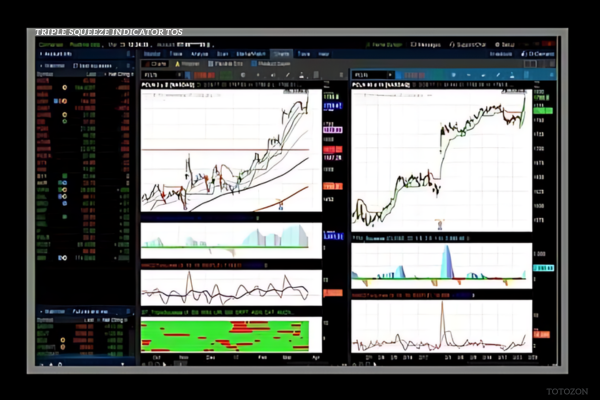 Triple Squeeze Indicator TOS
1 × $6.00
Triple Squeeze Indicator TOS
1 × $6.00 -
×
 Earnings Engine with Sami Abusaad - T3 Live
1 × $6.00
Earnings Engine with Sami Abusaad - T3 Live
1 × $6.00 -
×
 Master Market Movement – Elite Course with Refocus Trading
1 × $5.00
Master Market Movement – Elite Course with Refocus Trading
1 × $5.00 -
×
 Elliott Flat Waves CD with David Elliott
1 × $6.00
Elliott Flat Waves CD with David Elliott
1 × $6.00 -
×
 The Best of the Professional Traders Journal: Options Trading and Volatility Trading with Larry Connors
1 × $6.00
The Best of the Professional Traders Journal: Options Trading and Volatility Trading with Larry Connors
1 × $6.00 -
×
 The Indices Orderflow Masterclass with The Forex Scalpers
1 × $23.00
The Indices Orderflow Masterclass with The Forex Scalpers
1 × $23.00 -
×
 Technical Analysis Package with Martin Pring
1 × $4.00
Technical Analysis Package with Martin Pring
1 × $4.00 -
×
 European Fixed Income Markets with Jonathan Batten
1 × $6.00
European Fixed Income Markets with Jonathan Batten
1 × $6.00 -
×
 The Hidden Order Within Stock Prices with Clay Allen
1 × $6.00
The Hidden Order Within Stock Prices with Clay Allen
1 × $6.00 -
×
 Forex Xl Course (1.0+2.0+3.0)
1 × $10.00
Forex Xl Course (1.0+2.0+3.0)
1 × $10.00 -
×
 How Big Money Trades A Key Aspect of Systems Thinking - Van Tharp and Chuck Whitman – Van Tharp
1 × $46.00
How Big Money Trades A Key Aspect of Systems Thinking - Van Tharp and Chuck Whitman – Van Tharp
1 × $46.00 -
×
 Foundation & Application of the Market with Jim Dalton - JimDalton Trading
1 × $5.00
Foundation & Application of the Market with Jim Dalton - JimDalton Trading
1 × $5.00 -
×
 The Liquidity Theory of Asset Prices with Gordon Pepper & Michael Oliver
1 × $6.00
The Liquidity Theory of Asset Prices with Gordon Pepper & Michael Oliver
1 × $6.00 -
×
 Matrix Spread Options Trading Course with Base Camp Trading
1 × $31.00
Matrix Spread Options Trading Course with Base Camp Trading
1 × $31.00 -
×
 High Probability Trading Using Elliott Wave And Fibonacci Analysis withVic Patel - Forex Training Group
1 × $10.00
High Probability Trading Using Elliott Wave And Fibonacci Analysis withVic Patel - Forex Training Group
1 × $10.00 -
×
 Mastering Candlestick Charts I with Greg Capra
1 × $6.00
Mastering Candlestick Charts I with Greg Capra
1 × $6.00 -
×
 Ron Wagner – Creating a Profitable Trading & Investing Plan. 6 Key Components with Pristine
1 × $4.00
Ron Wagner – Creating a Profitable Trading & Investing Plan. 6 Key Components with Pristine
1 × $4.00 -
×
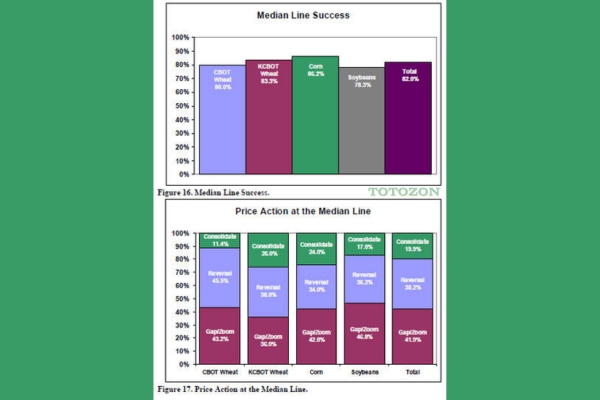 Using Median Lines as a Trading Tool with Greg Fisher
1 × $6.00
Using Median Lines as a Trading Tool with Greg Fisher
1 × $6.00 -
×
 How to Overlay Technical Indicators with Keith Raphael
1 × $6.00
How to Overlay Technical Indicators with Keith Raphael
1 × $6.00 -
×
 CANDLESTICKS APPLIED with Steve Nison & Syl Desaulniers - Candle Charts
1 × $15.00
CANDLESTICKS APPLIED with Steve Nison & Syl Desaulniers - Candle Charts
1 × $15.00 -
×
 Raghee Horner's Workspace Bundle + Live Trading By Raghee Horner - Simpler Trading
1 × $23.00
Raghee Horner's Workspace Bundle + Live Trading By Raghee Horner - Simpler Trading
1 × $23.00 -
×
 Ultimate MT4 Course
1 × $15.00
Ultimate MT4 Course
1 × $15.00 -
×
 Advanced AmiBroker Coding with Matt Radtke & Connors Research
1 × $23.00
Advanced AmiBroker Coding with Matt Radtke & Connors Research
1 × $23.00 -
×
 A Day Trading Guide
1 × $54.00
A Day Trading Guide
1 × $54.00 -
×
 The Triad Formula System with Jason Fielder
1 × $6.00
The Triad Formula System with Jason Fielder
1 × $6.00 -
×
 Power Income FUTURES Day Trading Course with Trade Out Loud
1 × $31.00
Power Income FUTURES Day Trading Course with Trade Out Loud
1 × $31.00 -
×
 Trend Following (Updated Edition) with Michael Covel
1 × $6.00
Trend Following (Updated Edition) with Michael Covel
1 × $6.00 -
×
 Planting Landmines for Explosive Profits with Dave Slingshot
1 × $6.00
Planting Landmines for Explosive Profits with Dave Slingshot
1 × $6.00 -
×
 $20 – 52k 20 pips a day challange with Rafał Zuchowicz - TopMasterTrader
1 × $5.00
$20 – 52k 20 pips a day challange with Rafał Zuchowicz - TopMasterTrader
1 × $5.00 -
×
 The Inve$tment A$trology Articles with Alan Richter
1 × $6.00
The Inve$tment A$trology Articles with Alan Richter
1 × $6.00 -
×
 The Great Reflation with Anthony Boeckh
1 × $6.00
The Great Reflation with Anthony Boeckh
1 × $6.00 -
×
 The Options Trading Body of Knowledge with Michael Thomsett
1 × $6.00
The Options Trading Body of Knowledge with Michael Thomsett
1 × $6.00 -
×
 Introduction to Amibroker with Howard B.Bandy
1 × $6.00
Introduction to Amibroker with Howard B.Bandy
1 × $6.00 -
×
 RSI. The Complete Guide with John Hayden
1 × $4.00
RSI. The Complete Guide with John Hayden
1 × $4.00 -
×
 Channels & Cycles. A Tribute to J.M.Hurst with Brian J.Millard
1 × $6.00
Channels & Cycles. A Tribute to J.M.Hurst with Brian J.Millard
1 × $6.00 -
×
 Stock Patterns for DayTrading. Home Study Course
1 × $6.00
Stock Patterns for DayTrading. Home Study Course
1 × $6.00 -
×
 0 DTE Options Trading Workshop with Aeromir Corporation
1 × $15.00
0 DTE Options Trading Workshop with Aeromir Corporation
1 × $15.00 -
×
 Market Trader Forecasting Modeling Course
1 × $6.00
Market Trader Forecasting Modeling Course
1 × $6.00 -
×
 Scalp Trading using the Hybrid System with Traders Reality
1 × $27.00
Scalp Trading using the Hybrid System with Traders Reality
1 × $27.00 -
×
 Masterclass 3.0 with RockzFX Academy
1 × $6.00
Masterclass 3.0 with RockzFX Academy
1 × $6.00 -
×
 Bennett McDowell – A Trader’s Money Management System
1 × $6.00
Bennett McDowell – A Trader’s Money Management System
1 × $6.00 -
×
 ValueCharts Ultimate Bundle with Base Camp Trading
1 × $54.00
ValueCharts Ultimate Bundle with Base Camp Trading
1 × $54.00 -
×
 Beginners Guide to How SimplerOptions Uses ThinkorSwim with Henry Gambell
1 × $15.00
Beginners Guide to How SimplerOptions Uses ThinkorSwim with Henry Gambell
1 × $15.00 -
×
 Road Map to Riches with Steve Wirrick
1 × $6.00
Road Map to Riches with Steve Wirrick
1 × $6.00 -
×
 Order Flow Mastery (New 2024) with The Volume Traders
1 × $24.00
Order Flow Mastery (New 2024) with The Volume Traders
1 × $24.00 -
×
 MTPredictor Education Video 10 Gb
1 × $23.00
MTPredictor Education Video 10 Gb
1 × $23.00 -
×
 The Astrology of the Old Testament or The Lost World Regained with Karl Anderson
1 × $6.00
The Astrology of the Old Testament or The Lost World Regained with Karl Anderson
1 × $6.00 -
×
 Algo Trading Masterclass with Ali Casey - StatOasis
1 × $23.00
Algo Trading Masterclass with Ali Casey - StatOasis
1 × $23.00

How to Trade Choppy, Sideways Markets with Wayne Gorman – Elliott Wave International
Original price was: $79.00.$6.00Current price is: $6.00.
File Size: 950.4 MB
Delivery Time: 1–12 hours
Media Type: Online Course
Content Proof: Watch Here!
You may check content proof of “How to Trade Choppy, Sideways Markets with Wayne Gorman – Elliott Wave International ” below:
How to Trade Choppy, Sideways Markets with Wayne Gorman – Elliott Wave International
Introduction
Navigating choppy, sideways markets can be a daunting task for traders. Unlike trending markets, sideways markets lack clear direction, making it challenging to make profitable trades. Wayne Gorman, a seasoned expert from Elliott Wave International, offers insights and strategies to successfully trade these difficult conditions. This article explores Gorman’s techniques and provides actionable advice for traders looking to master choppy markets.
Understanding Choppy, Sideways Markets
What are Sideways Markets?
Sideways markets, also known as range-bound markets, occur when asset prices move within a narrow range without a clear upward or downward trend. These markets are characterized by indecisive price movements and low volatility.
Key Characteristics
- Range-Bound Movements: Prices oscillate between support and resistance levels.
- Low Volatility: Limited price fluctuations compared to trending markets.
- Lack of Direction: No clear trend direction, making it difficult to predict movements.
Why Are Sideways Markets Challenging?
Market Indecision
In sideways markets, the lack of a clear trend can lead to market indecision, making it harder to make confident trading decisions.
False Breakouts
Traders often fall victim to false breakouts, where prices briefly move beyond support or resistance levels before reverting back, leading to potential losses.
Limited Profit Opportunities
With minimal price movement, profit opportunities are limited, requiring traders to be more precise and strategic.
Wayne Gorman’s Approach to Trading Sideways Markets
Introduction to Elliott Wave Theory
Wayne Gorman utilizes Elliott Wave Theory, which is based on the idea that financial markets move in predictable patterns or waves. This theory can be applied to identify potential market reversals and continuations, even in sideways markets.
Key Concepts
- Wave Patterns: Identifying different wave patterns to predict market movements.
- Wave Degrees: Understanding the different degrees of waves for better market analysis.
- Market Sentiment: Analyzing market sentiment through wave patterns.
Identifying Key Levels
Gorman emphasizes the importance of identifying key support and resistance levels within the trading range. These levels act as crucial points where price reversals are likely to occur.
Support and Resistance
- Support Levels: Price levels where buying interest is strong enough to prevent further decline.
- Resistance Levels: Price levels where selling interest is strong enough to prevent further rise.
Using Oscillators and Indicators
In addition to Elliott Wave Theory, Gorman recommends using oscillators and technical indicators to gauge market momentum and identify potential trading opportunities.
Effective Indicators
- Relative Strength Index (RSI): Measures the speed and change of price movements to identify overbought or oversold conditions.
- Moving Average Convergence Divergence (MACD): Helps to identify changes in the strength, direction, momentum, and duration of a trend.
Practical Trading Strategies for Sideways Markets
Range Trading
Range trading involves buying at support levels and selling at resistance levels. This strategy is particularly effective in sideways markets where prices oscillate within a range.
Steps to Range Trading
- Identify Support and Resistance: Determine the key levels within the trading range.
- Set Entry Points: Place buy orders at support and sell orders at resistance.
- Set Stop-Loss Orders: Protect against false breakouts by setting stop-loss orders just beyond support and resistance levels.
Swing Trading
Swing trading aims to capture short- to medium-term gains within a trading range by exploiting price swings.
Steps to Swing Trading
- Identify the Swing Points: Locate the peaks and troughs within the range.
- Enter Trades: Buy at swing lows and sell at swing highs.
- Use Indicators: Utilize oscillators like RSI to confirm entry and exit points.
Using Breakout Strategies
Although false breakouts are common in sideways markets, breakout strategies can still be effective when combined with proper risk management.
Steps to Breakout Trading
- Identify Potential Breakouts: Look for consolidation patterns near support or resistance.
- Set Entry Orders: Place buy orders above resistance and sell orders below support.
- Manage Risk: Use tight stop-loss orders to mitigate the risk of false breakouts.
Risk Management in Sideways Markets
Importance of Risk Management
Given the unpredictable nature of sideways markets, effective risk management is crucial to protect against significant losses.
Techniques for Managing Risk
- Stop-Loss Orders: Set stop-loss orders to limit potential losses.
- Position Sizing: Adjust the size of your trades based on the volatility of the market.
- Diversification: Spread your investments across different assets to minimize risk.
Conclusion
Trading choppy, sideways markets requires a strategic approach and a deep understanding of market dynamics. Wayne Gorman’s methods, grounded in Elliott Wave Theory, provide valuable insights and practical strategies for navigating these challenging conditions. By identifying key levels, using technical indicators, and applying robust risk management techniques, traders can enhance their chances of success in sideways markets.
Commonly Asked Questions:
- Business Model Innovation: Accept the truth of a legitimate business! Our strategy is organising a group buy in which participants share the costs. We use these cash to acquire popular courses from sale pages and make them available to people with limited financial resources. Despite the authors’ worries, our clients love the cost and accessibility we give.
- The Legal Environment: Yes or No The legality of our activity is ambiguous. While we don’t have specific permission from the course authors to resell the material, there is a technicality at work. The author did not specify any limits on resale when purchasing the course. This legal intricacy is both an opportunity for us and a boon for individuals looking for low-cost access.
- Quality Control: Uncovering the Truth
Getting to the heart of the issue – quality. Purchasing the course straight from the sale page guarantees that all documents and resources are the same as those obtained through traditional channels.
However, we distinguish ourselves by going beyond personal research and resale. It is crucial to note that we are not the official course providers, which means that the following premium services are not included in our package:
- There are no scheduled coaching calls or sessions with the author.
- Access to the author’s private Facebook group or web portal is not permitted.
- No access to the author’s private membership forum.
- There is no direct email support available from the author or their team.
We operate independently, with the goal of bridging the pricing gap without the extra services provided by official course channels. Your comprehension of our distinct approach is much appreciated.
Be the first to review “How to Trade Choppy, Sideways Markets with Wayne Gorman – Elliott Wave International”
You must be logged in to post a review.
Related products

Forex Trading
Original price was: $499.00.$15.00Current price is: $15.00.

Original price was: $497.00.$11.00Current price is: $11.00.

Forex Trading
Original price was: $697.00.$5.00Current price is: $5.00.

Original price was: $1,849.00.$15.00Current price is: $15.00.

Original price was: $4,995.00.$15.00Current price is: $15.00.

Original price was: $1,800.00.$54.00Current price is: $54.00.

Forex Trading
Original price was: $799.00.$15.00Current price is: $15.00.
Original price was: $197.00.$5.00Current price is: $5.00.

Original price was: $310.00.$23.00Current price is: $23.00.

Forex Trading
Quantamentals – The Next Great Forefront Of Trading and Investing with Trading Markets
Original price was: $1,495.00.$8.00Current price is: $8.00.

Forex Trading
Original price was: $1,898.00.$10.00Current price is: $10.00.
Forex Trading
Original price was: $999.00.$15.00Current price is: $15.00.

Forex Trading
Original price was: $249.00.$15.00Current price is: $15.00.

Forex Trading
Original price was: $550.00.$5.00Current price is: $5.00.

Forex Trading
Original price was: $2,997.00.$23.00Current price is: $23.00.
Original price was: $497.00.$31.00Current price is: $31.00.

Original price was: $299.00.$8.00Current price is: $8.00.

Original price was: $695.00.$41.00Current price is: $41.00.
Forex Trading
Original price was: $797.00.$10.00Current price is: $10.00.

Original price was: $649.00.$20.00Current price is: $20.00.

Reviews
There are no reviews yet.