
-
×
 Day Trading with Volume Profile and Orderflow - Price Action Volume Trader
1 × $6.00
Day Trading with Volume Profile and Orderflow - Price Action Volume Trader
1 × $6.00 -
×
 4-Hour Income Strategy with Todd Mitchell & Craig Hill
1 × $62.00
4-Hour Income Strategy with Todd Mitchell & Craig Hill
1 × $62.00 -
×
 From Walden to Wall Street: Frontiers of Conservation Finance with James Levitt
1 × $6.00
From Walden to Wall Street: Frontiers of Conservation Finance with James Levitt
1 × $6.00 -
×
 SOAP. Served On A Platter CD with David Elliott
1 × $6.00
SOAP. Served On A Platter CD with David Elliott
1 × $6.00 -
×
 Forex Mentor Seminar with Peter Bain
1 × $6.00
Forex Mentor Seminar with Peter Bain
1 × $6.00 -
×
 How I Trade Growth Stocks In Bull And Bear Markets
1 × $54.00
How I Trade Growth Stocks In Bull And Bear Markets
1 × $54.00 -
×
 The Python for Traders Masterclass with Mr James
1 × $10.00
The Python for Traders Masterclass with Mr James
1 × $10.00 -
×
 How To Write High Converting Copy with Tej Dosa
1 × $6.00
How To Write High Converting Copy with Tej Dosa
1 × $6.00 -
×
 San Jose Options - Iron Condor & Butterfly Options Trading Videos
1 × $15.00
San Jose Options - Iron Condor & Butterfly Options Trading Videos
1 × $15.00 -
×
 Daily Market Review 2009-2012 (Video 16 GB) with David Vallieres
1 × $6.00
Daily Market Review 2009-2012 (Video 16 GB) with David Vallieres
1 × $6.00 -
×
 How I Turned 500 USD to 6 Figures in 2 months Trading Options with The Money Printers
1 × $8.00
How I Turned 500 USD to 6 Figures in 2 months Trading Options with The Money Printers
1 × $8.00 -
×
 Market Structure Matters with Haim Bodek
1 × $62.00
Market Structure Matters with Haim Bodek
1 × $62.00 -
×
 ProfileTraders - 5 course bundle
1 × $23.00
ProfileTraders - 5 course bundle
1 × $23.00 -
×
 Trading with Wave59 with Earik Beann
1 × $6.00
Trading with Wave59 with Earik Beann
1 × $6.00 -
×
 Vertex Investing Course
1 × $6.00
Vertex Investing Course
1 × $6.00 -
×
 Alternative Beta Strategies & Hedge Fund Replication with Lars Jaeger & Jeffrey Pease
1 × $6.00
Alternative Beta Strategies & Hedge Fund Replication with Lars Jaeger & Jeffrey Pease
1 × $6.00 -
×
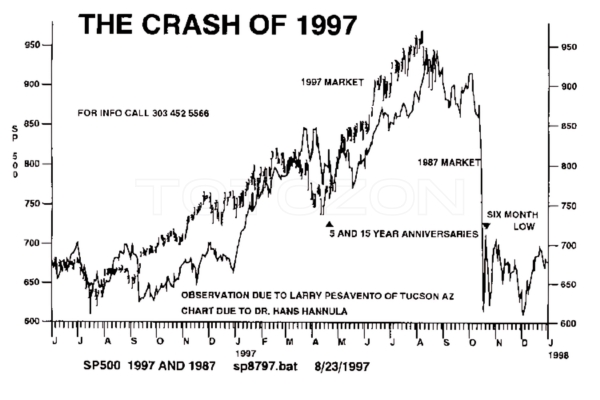 The Crash of 1997 (Article) with Hans Hannula
1 × $6.00
The Crash of 1997 (Article) with Hans Hannula
1 × $6.00 -
×
 eASCTrend Pro 6.0 Video Tutorials with Ablesys
1 × $6.00
eASCTrend Pro 6.0 Video Tutorials with Ablesys
1 × $6.00 -
×
 The Best Option Trading Course with David Jaffee - Best Stock Strategy
1 × $15.00
The Best Option Trading Course with David Jaffee - Best Stock Strategy
1 × $15.00 -
×
 Ultimate Trading Course with Dodgy's Dungeon
1 × $8.00
Ultimate Trading Course with Dodgy's Dungeon
1 × $8.00

The Psychology of the Foreign Exchange Market with Thomas Oberlechner
$6.00
File Size: Coming soon!
Delivery Time: 1–12 hours
Media Type: Online Course
Content Proof: Watch Here!
You may check content proof of “The Psychology of the Foreign Exchange Market with Thomas Oberlechner” below:
The Psychology of the Foreign Exchange Market with Thomas Oberlechner: Insights and Strategies
Introduction to Forex Psychology
Understanding Forex Psychology
In the realm of financial trading, few markets can match the complexity and intensity of the foreign exchange (Forex) market. Here, not only do economic factors play a role, but human psychology is also a crucial element. Thomas Oberlechner, an expert in finance psychology, provides deep insights into the psychological dynamics that influence Forex trading.
Who is Thomas Oberlechner?
Thomas Oberlechner has carved a niche in understanding the psychological underpinnings of financial decisions. His work emphasizes how psychological factors affect trading behaviors and market movements.
Core Psychological Concepts in Forex Trading
The Impact of Emotions on Trading
Emotions can significantly impact trader performance. Understanding the interplay between fear, greed, and hope is essential for developing a disciplined trading strategy.
Cognitive Biases and Decision Making
Traders often fall prey to cognitive biases, such as overconfidence and confirmation bias, which can skew their judgment and lead to suboptimal decisions.
Strategies to Harness Psychology in Trading
Developing Emotional Resilience
Building resilience against the emotional whirlwinds of trading is crucial. Thomas Oberlechner emphasizes techniques like mindfulness and emotional awareness to maintain clarity under pressure.
Overcoming Biases
It is vital for traders to recognize and mitigate their biases. Structured decision-making processes and keeping a trading journal are practical steps recommended by Oberlechner.
The Role of Psychology in Risk Management
Psychological Aspects of Risk Tolerance
Understanding one’s psychological risk tolerance is crucial in setting up effective risk management strategies. This includes determining how much risk is acceptable and how to react when things don’t go as planned.
Stress and Risk Management
Managing stress is part of risk management in Forex trading. Stress can cloud judgment and lead to rushed decisions, so controlling it is essential for sustained success.
Advanced Psychological Techniques in Forex
The Use of Psychological Tools
Advanced traders utilize psychological tools such as behavioral analysis to predict how other market participants will act under various conditions.
Psychology-Based Trading Systems
Some systems incorporate psychological principles to improve decision-making. These systems help identify when emotions might be driving the market, allowing traders to adjust their strategies accordingly.
Learning from Thomas Oberlechner
Workshops and Seminars
Thomas Oberlechner often conducts workshops and seminars, providing hands-on training in applying psychological principles to Forex trading.
Books and Publications
His publications serve as a resource for traders wanting to delve deeper into the psychological aspects of Forex trading.
The Importance of Continuous Learning
Keeping Up-to-Date
The Forex market is constantly evolving, and so is our understanding of the psychological factors that influence it. Continuous learning and adaptation are key.
Networking with Professionals
Engaging with other professionals and sharing experiences can provide insights that refine one’s trading psychology.
Conclusion
Understanding the psychology of the Forex market is crucial for anyone serious about trading. With insights from Thomas Oberlechner, traders can learn to manage their emotions, overcome biases, and develop robust trading strategies that account for the human element. Mastering these psychological strategies is not just beneficial; it’s essential for long-term success in Forex trading.
Frequently Asked Questions:
1. What is the biggest psychological challenge in Forex trading?
Managing emotions, particularly fear and greed, is the biggest challenge traders face.
2. How can traders overcome cognitive biases?
Awareness and education are key, along with tools like trading journals and structured decision-making processes.
3. Are there specific books by Thomas Oberlechner on Forex psychology?
Thomas Oberlechner has authored several books that detail the psychological aspects of financial trading.
4. Can psychological training improve trading results?
Absolutely, psychological training helps in developing a disciplined approach to trading, which can significantly improve outcomes.
5. How often should one attend psychological trading seminars?
Regular participation is recommended as it helps keep one’s psychological strategies refreshed and updated.
Be the first to review “The Psychology of the Foreign Exchange Market with Thomas Oberlechner”
You must be logged in to post a review.
Related products

Original price was: $649.00.$20.00Current price is: $20.00.

Original price was: $310.00.$23.00Current price is: $23.00.

Forex Trading
Quantamentals – The Next Great Forefront Of Trading and Investing with Trading Markets
Original price was: $1,495.00.$8.00Current price is: $8.00.

Original price was: $197.00.$5.00Current price is: $5.00.

Forex Trading
Original price was: $2,000.00.$23.00Current price is: $23.00.

Forex Trading
Original price was: $850.00.$23.00Current price is: $23.00.

Original price was: $700.00.$39.00Current price is: $39.00.

Original price was: $999.00.$5.00Current price is: $5.00.

Original price was: $4,995.00.$15.00Current price is: $15.00.

Original price was: $497.00.$11.00Current price is: $11.00.

Forex Trading
Original price was: $1,898.00.$10.00Current price is: $10.00.

Original price was: $497.00.$31.00Current price is: $31.00.

Forex Trading
The Complete Guide to Multiple Time Frame Analysis & Reading Price Action with Aiman Almansoori
Original price was: $1,399.00.$13.00Current price is: $13.00.

Forex Trading
Original price was: $4,997.00.$27.00Current price is: $27.00.
Forex Trading
Original price was: $239.00.$8.00Current price is: $8.00.

Forex Trading
Original price was: $697.00.$5.00Current price is: $5.00.

Original price was: $895.00.$15.00Current price is: $15.00.

Forex Trading
Original price was: $2,997.00.$23.00Current price is: $23.00.

Forex Trading
Original price was: $249.00.$15.00Current price is: $15.00.

Forex Trading
Original price was: $550.00.$5.00Current price is: $5.00.

Reviews
There are no reviews yet.