
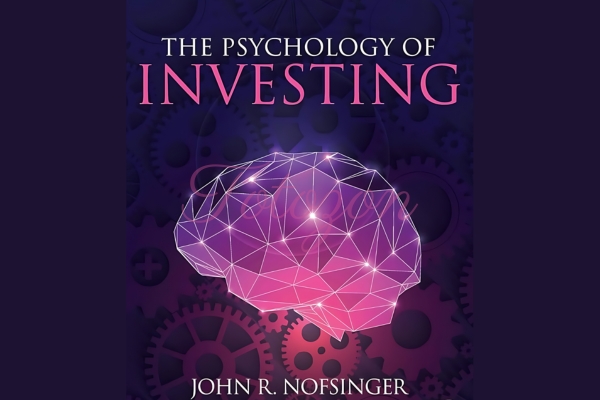
The Psychology of Investing with John Nofsinger
$6.00
File Size: Coming soon!
Delivery Time: 1–12 hours
Media Type: Online Course
The Psychology of Investing with John Nofsinger
Introduction
Investing isn’t just about numbers and strategies; it’s also deeply influenced by psychology. John Nofsinger, a renowned expert in behavioral finance, delves into the psychological aspects of investing in his work. Understanding the psychological factors that influence investment decisions can help investors make more rational choices and improve their financial outcomes. This article explores the key concepts of the psychology of investing as outlined by Nofsinger.
The Role of Psychology in Investing
Why Psychology Matters in Investing
Psychology plays a crucial role in investing because emotions and cognitive biases can significantly impact decision-making. Recognizing and managing these psychological factors can lead to more effective investment strategies.
Common Psychological Biases
Investors often fall prey to various biases that can cloud their judgment. Understanding these biases is the first step toward mitigating their effects.
Cognitive Biases Affecting Investors
Overconfidence Bias
Overconfidence can lead investors to overestimate their knowledge and abilities, resulting in risky investment choices. It’s essential to remain humble and realistic about one’s expertise.
Confirmation Bias
Confirmation bias is the tendency to seek out information that confirms existing beliefs while ignoring contradictory data. This can lead to poor investment decisions based on incomplete information.
Anchoring Bias
Anchoring occurs when investors rely too heavily on the first piece of information they receive. This can skew their perception of an investment’s value.
Loss Aversion
Loss aversion refers to the tendency to prefer avoiding losses over acquiring equivalent gains. This can cause investors to hold onto losing investments for too long, hoping to break even.
Emotional Influences on Investing
Fear and Greed
Fear and greed are powerful emotions that drive market behavior. Fear can lead to panic selling, while greed can result in speculative bubbles.
Herd Behavior
Herd behavior occurs when investors follow the actions of others rather than their analysis. This can lead to market bubbles and crashes as collective behavior amplifies market movements.
Regret Aversion
Regret aversion is the fear of making decisions that one might later regret. This can lead to indecision and missed investment opportunities.
Behavioral Finance Strategies
Setting Clear Goals
Define clear, achievable investment goals to stay focused and reduce emotional decision-making. Having a well-defined plan can help navigate market volatility.
Diversification
Diversification helps mitigate risk by spreading investments across various assets. This strategy can reduce the impact of any single investment’s poor performance.
Regular Reviews
Regularly review and adjust your investment portfolio based on performance and changing market conditions. This disciplined approach helps maintain alignment with your goals.
Tools for Managing Psychological Biases
Education and Awareness
Educate yourself about common biases and their impact on investing. Awareness is the first step toward managing these biases effectively.
Mindfulness and Emotional Regulation
Practicing mindfulness and emotional regulation can help manage the emotional aspects of investing. Techniques like meditation can reduce stress and improve focus.
Professional Advice
Consulting with financial advisors can provide an objective perspective and help counteract personal biases. Advisors can offer insights based on experience and expertise.
Case Studies of Psychological Biases in Investing
The Dot-Com Bubble
The dot-com bubble of the late 1990s is a classic example of herd behavior and overconfidence, where investors ignored fundamental valuations in favor of speculation.
The 2008 Financial Crisis
The 2008 financial crisis highlighted the dangers of confirmation bias and overconfidence among financial institutions, leading to widespread market failure.
Successful Investors Who Overcame Biases
Successful investors like Warren Buffett are known for their ability to remain rational and disciplined, avoiding common psychological pitfalls.
Practical Tips for Better Investment Decisions
Develop a Solid Investment Plan
Create a comprehensive investment plan that outlines your goals, risk tolerance, and strategies. Stick to this plan even during market turbulence.
Avoid Impulsive Decisions
Make investment decisions based on thorough research and analysis rather than impulsive reactions to market movements.
Stay Informed
Keep up with market news and trends but avoid getting overwhelmed by daily market fluctuations. Focus on long-term trends and fundamentals.
The Future of Behavioral Finance
Technological Advances
Technological advances, such as artificial intelligence and machine learning, are increasingly being used to understand and predict investor behavior.
Personalized Financial Advice
The future of financial advice lies in personalized, data-driven insights that take individual psychological profiles into account.
Continued Research
Ongoing research in behavioral finance will continue to uncover new insights into the psychological factors affecting investing, leading to more effective strategies.
Conclusion
Understanding the psychology of investing is crucial for making informed and rational investment decisions. John Nofsinger‘s insights into behavioral finance offer valuable guidance for recognizing and managing psychological biases. By staying informed, setting clear goals, and practicing emotional regulation, investors can improve their decision-making processes and achieve better financial outcomes.
FAQs
1. What is the importance of psychology in investing?
Psychology influences investor behavior and decision-making, often leading to biases that can impact investment performance.
2. How can overconfidence bias affect investment decisions?
Overconfidence can lead to taking on excessive risk and making poor investment choices based on unrealistic expectations of one’s knowledge and abilities.
3. What strategies can help manage psychological biases?
Strategies include setting clear investment goals, diversifying your portfolio, regularly reviewing investments, and seeking professional advice.
4. What is herd behavior in investing?
Herd behavior occurs when investors follow the actions of others rather than their analysis, often leading to market bubbles and crashes.
5. How can mindfulness improve investment decisions?
Mindfulness helps manage emotions, reduce stress, and improve focus, leading to more rational and disciplined investment decisions.
Be the first to review “The Psychology of Investing with John Nofsinger”
You must be logged in to post a review.
Related products



Forex Trading




Forex Trading

Forex Trading

Forex Trading


Forex Trading



Forex Trading

Forex Trading
Quantamentals – The Next Great Forefront Of Trading and Investing with Trading Markets

Forex Trading


Forex Trading


Reviews
There are no reviews yet.