
-
×
 The Aftermath + Jack Savage Extras (How To Trade Gold) with FXSavages
1 × $6.00
The Aftermath + Jack Savage Extras (How To Trade Gold) with FXSavages
1 × $6.00 -
×
 Mastering Technical Analysis with Investi Share
1 × $23.00
Mastering Technical Analysis with Investi Share
1 × $23.00 -
×
 How to Pick Hot Reverse Merger Penny Stocks with John Lux
1 × $5.00
How to Pick Hot Reverse Merger Penny Stocks with John Lux
1 × $5.00 -
×
 How to Avoid Tax on Your Stock Market Profits with Lee Hadnum
1 × $6.00
How to Avoid Tax on Your Stock Market Profits with Lee Hadnum
1 × $6.00 -
×
 Self-Mastery Course with Steven Cruz
1 × $62.00
Self-Mastery Course with Steven Cruz
1 × $62.00 -
×
 Investing In Fixer-Uppers 2003 with Jay DeCima
1 × $6.00
Investing In Fixer-Uppers 2003 with Jay DeCima
1 × $6.00 -
×
 Matrix Spread Options Trading Course with Base Camp Trading
1 × $31.00
Matrix Spread Options Trading Course with Base Camp Trading
1 × $31.00 -
×
 Master Trader - Advander Management Strategies
1 × $39.00
Master Trader - Advander Management Strategies
1 × $39.00 -
×
 How to Build Fortune. Trading Stock Index Futures with Dennis Minogue
1 × $6.00
How to Build Fortune. Trading Stock Index Futures with Dennis Minogue
1 × $6.00 -
×
 How to Spot Trading Opportunities
1 × $6.00
How to Spot Trading Opportunities
1 × $6.00 -
×
 Peter Borish Online Trader Program
1 × $15.00
Peter Borish Online Trader Program
1 × $15.00 -
×
 Forex Trading For Beginners with John Jagerson - Investopedia Academy
1 × $6.00
Forex Trading For Beginners with John Jagerson - Investopedia Academy
1 × $6.00 -
×
 Optionetics 2007 - Home Study Course, MP3
1 × $6.00
Optionetics 2007 - Home Study Course, MP3
1 × $6.00 -
×
 Neural Networks in the Capital Markets with Apostolos Paul Refenes
1 × $6.00
Neural Networks in the Capital Markets with Apostolos Paul Refenes
1 × $6.00 -
×
 Follow the Leader Trading System with Anthony Gibson
1 × $6.00
Follow the Leader Trading System with Anthony Gibson
1 × $6.00 -
×
 How To Backtest Bootcamp
1 × $17.00
How To Backtest Bootcamp
1 × $17.00 -
×
 How I use Technical Analysis & Orderflow with Adam Webb - Traderskew
1 × $54.00
How I use Technical Analysis & Orderflow with Adam Webb - Traderskew
1 × $54.00 -
×
 Futures Trading Blueprint with Day Trader Next Door
1 × $5.00
Futures Trading Blueprint with Day Trader Next Door
1 × $5.00 -
×
 Contrarian Investment Strategies: The Next Generation with David Dreman
1 × $4.00
Contrarian Investment Strategies: The Next Generation with David Dreman
1 × $4.00 -
×
 Option Trading: Pricing and Volatility Strategies and Techniques with Euan Sinclair
1 × $6.00
Option Trading: Pricing and Volatility Strategies and Techniques with Euan Sinclair
1 × $6.00 -
×
 Technical Analysis for the Trading Professional with Constance Brown
1 × $6.00
Technical Analysis for the Trading Professional with Constance Brown
1 × $6.00 -
×
 Advent Forex Course with Cecil Robles
1 × $6.00
Advent Forex Course with Cecil Robles
1 × $6.00 -
×
 Five Trading Trends of 2005 with Dan Denning
1 × $6.00
Five Trading Trends of 2005 with Dan Denning
1 × $6.00 -
×
 RiskDoctor RD1 – Introduction to Options Trading the RiskDoctor Way with Charles Cottle
1 × $6.00
RiskDoctor RD1 – Introduction to Options Trading the RiskDoctor Way with Charles Cottle
1 × $6.00 -
×
 P.A.T Trading Course (Low Video Quality) with Martin Cole
1 × $6.00
P.A.T Trading Course (Low Video Quality) with Martin Cole
1 × $6.00 -
×
 Option, Futures and Other Derivates 9th Edition
1 × $6.00
Option, Futures and Other Derivates 9th Edition
1 × $6.00 -
×
 The Tickmaster Indicator
1 × $54.00
The Tickmaster Indicator
1 × $54.00 -
×
 An Empirical Ananlysis of Stock Market Sentiment (Article) with Andrea Terzi
1 × $6.00
An Empirical Ananlysis of Stock Market Sentiment (Article) with Andrea Terzi
1 × $6.00 -
×
 RSI Basic with Andrew Cardwell
1 × $54.00
RSI Basic with Andrew Cardwell
1 × $54.00 -
×
 Squeeze the Markets with Markay Latimer
1 × $6.00
Squeeze the Markets with Markay Latimer
1 × $6.00 -
×
 Secrets of the Darvas Trading System
1 × $6.00
Secrets of the Darvas Trading System
1 × $6.00 -
×
 Best of the Best: Collars with Amy Meissner & Scott Ruble
1 × $15.00
Best of the Best: Collars with Amy Meissner & Scott Ruble
1 × $15.00 -
×
 Smashing False Breakouts with Better System Trader
1 × $5.00
Smashing False Breakouts with Better System Trader
1 × $5.00 -
×
 Pattern Recognition: A Fundamental Introduction to Japanese Candlestick Charting Techniques Class with Jeff Bierman
1 × $6.00
Pattern Recognition: A Fundamental Introduction to Japanese Candlestick Charting Techniques Class with Jeff Bierman
1 × $6.00 -
×
 How to Spot a Trade Before it Happens (marketsmastered.com) with Markets Mastered
1 × $6.00
How to Spot a Trade Before it Happens (marketsmastered.com) with Markets Mastered
1 × $6.00 -
×
 Options 201: Vertical and Calendar Spread Essentials 5 Part Class with Don Kaufman On Demand Replay
1 × $6.00
Options 201: Vertical and Calendar Spread Essentials 5 Part Class with Don Kaufman On Demand Replay
1 × $6.00 -
×
 SQX Mentorship with Tip Toe Hippo
1 × $23.00
SQX Mentorship with Tip Toe Hippo
1 × $23.00 -
×
 Master Trader Technical Strategies with Greg Capra - Master Trader
1 × $5.00
Master Trader Technical Strategies with Greg Capra - Master Trader
1 × $5.00 -
×
 Pring on Price Patterns with Martin Pring
1 × $6.00
Pring on Price Patterns with Martin Pring
1 × $6.00 -
×
 Money Management Strategies for Serious Traders with David Stendahl
1 × $6.00
Money Management Strategies for Serious Traders with David Stendahl
1 × $6.00 -
×
 The Prop Trading Code with Brannigan Barrett - Axia Futures
1 × $23.00
The Prop Trading Code with Brannigan Barrett - Axia Futures
1 × $23.00 -
×
 Revolutionary Proven 3 Step with NFTs Cracked
1 × $6.00
Revolutionary Proven 3 Step with NFTs Cracked
1 × $6.00 -
×
 My Forex League - The Course
1 × $5.00
My Forex League - The Course
1 × $5.00 -
×
 LARGE CAP MOMENTUM STRATEGY with Nick Radge
1 × $179.00
LARGE CAP MOMENTUM STRATEGY with Nick Radge
1 × $179.00 -
×
 Market Tide indicator with Alphashark
1 × $54.00
Market Tide indicator with Alphashark
1 × $54.00 -
×
 How To Invest Better
1 × $6.00
How To Invest Better
1 × $6.00 -
×
 Ultimate Breakout
1 × $54.00
Ultimate Breakout
1 × $54.00 -
×
 SJG Trading - Butterflies Class with Steve Ganz
1 × $31.00
SJG Trading - Butterflies Class with Steve Ganz
1 × $31.00 -
×
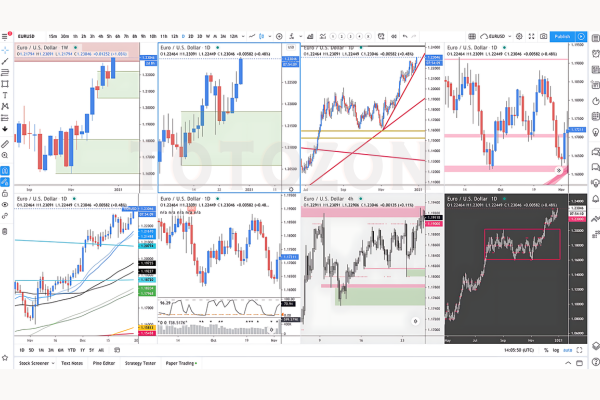 Supply And Demand Zone Trading Course with Trading180
1 × $5.00
Supply And Demand Zone Trading Course with Trading180
1 × $5.00 -
×
 Steady Compounding Investing Academy Course with Steady Compounding
1 × $55.00
Steady Compounding Investing Academy Course with Steady Compounding
1 × $55.00 -
×
 Secrets of a Winning Trader with Gareth Soloway
1 × $871.00
Secrets of a Winning Trader with Gareth Soloway
1 × $871.00 -
×
 The 80% Solution S&P Systems with Bruce Babcock
1 × $6.00
The 80% Solution S&P Systems with Bruce Babcock
1 × $6.00 -
×
 Price Action Forex Trading Strategies Training Course & Members Videos with Nial Fuller
1 × $28.00
Price Action Forex Trading Strategies Training Course & Members Videos with Nial Fuller
1 × $28.00 -
×
 Forex Trading Course with Mike Norman
1 × $17.00
Forex Trading Course with Mike Norman
1 × $17.00 -
×
 The Orderflow Masterclass with PrimeTrading
1 × $17.00
The Orderflow Masterclass with PrimeTrading
1 × $17.00 -
×
 Day One Trader with John Sussex
1 × $6.00
Day One Trader with John Sussex
1 × $6.00 -
×
 Peak Capital Trading Bootcamp with Andrew Aziz
1 × $5.00
Peak Capital Trading Bootcamp with Andrew Aziz
1 × $5.00 -
×
 Entries & Exits Strategy with The Chart Guys
1 × $6.00
Entries & Exits Strategy with The Chart Guys
1 × $6.00 -
×
 The Insured Portfolio: Your Gateway to Stress-Free Global Investments with Erika Nolan, Marc-Andre Sola & Shannon Crouch
1 × $6.00
The Insured Portfolio: Your Gateway to Stress-Free Global Investments with Erika Nolan, Marc-Andre Sola & Shannon Crouch
1 × $6.00 -
×
 The Trading Blueprint with Brad Goh - The Trading Geek
1 × $5.00
The Trading Blueprint with Brad Goh - The Trading Geek
1 × $5.00 -
×
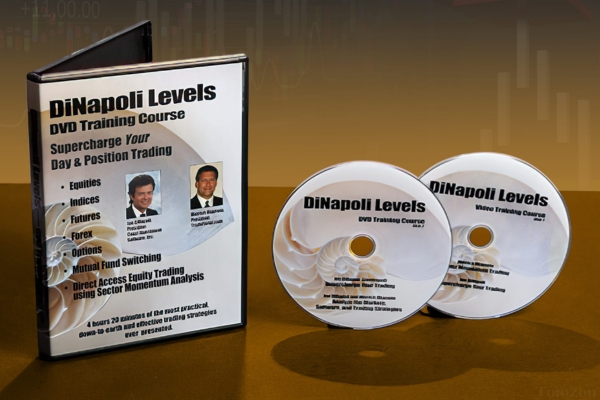 DiNapoli Levels Training Course with Joe DiNapoli & Merrick Okamoto
1 × $6.00
DiNapoli Levels Training Course with Joe DiNapoli & Merrick Okamoto
1 × $6.00 -
×
 Risk Management Toolkit with Peter Bain
1 × $6.00
Risk Management Toolkit with Peter Bain
1 × $6.00 -
×
 ProfileTraders - Swing and Price Analysis (May 2014)
1 × $6.00
ProfileTraders - Swing and Price Analysis (May 2014)
1 × $6.00 -
×
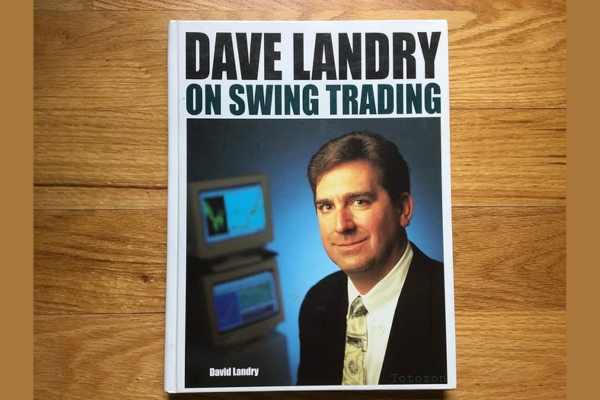 David Landry On Swing Trading
1 × $6.00
David Landry On Swing Trading
1 × $6.00 -
×
 AI For Traders with Trading Markets
1 × $31.00
AI For Traders with Trading Markets
1 × $31.00

The Janus Factor with Gary Anderson
$6.00
File Size: Coming soon!
Delivery Time: 1–12 hours
Media Type: Online Course
Content Proof: Watch Here!
You may check content proof of “The Janus Factor with Gary Anderson” below:

The Janus Factor by Gary Anderson
In the complex world of investing, understanding the factors that drive market performance is crucial. “The Janus Factor” by Gary Anderson provides a unique perspective on these dynamics. This book explores how different market forces, represented by the dual-faced Roman god Janus, can influence investment strategies. In this article, we delve into the key concepts and insights from Anderson’s work, offering valuable guidance for investors seeking to navigate the financial markets.
Introduction to The Janus Factor
Who is Gary Anderson?
Gary Anderson is a seasoned financial analyst and author with extensive experience in investment strategy and market analysis. His book, “The Janus Factor,” offers a fresh approach to understanding market forces.
Purpose of The Janus Factor
The book aims to help investors identify and leverage the dual forces at play in the market, much like the two faces of Janus, to make informed and strategic investment decisions.
Fundamental Concepts of The Janus Factor
1. Dual Market Forces
Bull and Bear Markets
Anderson discusses the cyclical nature of bull and bear markets, highlighting the importance of recognizing these phases to adjust investment strategies accordingly.
Economic Indicators
Key economic indicators, such as GDP growth, inflation, and unemployment rates, are examined to understand their impact on market trends.
2. Investor Psychology
Fear and Greed
The Janus Factor emphasizes the role of investor psychology, particularly fear and greed, in driving market movements and creating investment opportunities.
Behavioral Finance
Understanding behavioral finance principles helps investors recognize irrational market behaviors and exploit them for profit.
Core Principles for Investors
1. Diversification
Spreading Risk
Diversification is a key strategy discussed in the book. Anderson advises spreading investments across various asset classes to mitigate risk.
Asset Allocation
Proper asset allocation ensures a balanced portfolio that can weather market volatility.
2. Timing the Market
Market Cycles
Recognizing market cycles and timing investments accordingly can significantly enhance returns. Anderson provides insights into identifying these cycles.
Technical Analysis
Using technical analysis tools to time market entries and exits is another important principle highlighted in the book.
Implementing The Janus Factor Strategies
1. Identifying Market Trends
Trend Analysis
Conduct thorough trend analysis to identify the prevailing market direction and adjust your investment strategy accordingly.
Momentum Indicators
Use momentum indicators, such as moving averages and RSI, to confirm market trends.
2. Risk Management
Setting Stop-Loss Orders
Implement stop-loss orders to protect your investments from significant declines, as emphasized by Anderson.
Position Sizing
Determine appropriate position sizes based on your risk tolerance and investment goals.
3. Leveraging Market Anomalies
Exploiting Inefficiencies
The book discusses how to exploit market inefficiencies and anomalies for profitable trading opportunities.
Arbitrage Strategies
Utilize arbitrage strategies to capitalize on price discrepancies between markets.
Advanced Investment Techniques
1. Quantitative Analysis
Data-Driven Decisions
Anderson advocates for the use of quantitative analysis to make data-driven investment decisions.
Financial Models
Develop and use financial models to predict market movements and identify investment opportunities.
2. Fundamental Analysis
Company Valuation
Perform in-depth fundamental analysis to value companies and make informed investment choices.
Earnings Reports
Analyze earnings reports and other financial statements to assess a company’s performance and growth potential.
Practical Applications of The Janus Factor
1. Building a Robust Portfolio
Balanced Approach
Construct a well-balanced portfolio that incorporates diverse asset classes and investment strategies.
Rebalancing
Regularly rebalance your portfolio to maintain your desired asset allocation and risk level.
2. Adapting to Market Changes
Flexibility
Stay flexible and be willing to adjust your strategies based on changing market conditions.
Continuous Learning
Engage in continuous learning to stay updated on new market developments and investment techniques.
3. Long-Term Perspective
Patience and Discipline
Maintain a long-term perspective, exercising patience and discipline in your investment approach.
Compounding Returns
Leverage the power of compounding returns by reinvesting profits and allowing your investments to grow over time.
Common Mistakes to Avoid
1. Overreacting to Market Volatility
Staying Calm
Avoid making impulsive decisions based on short-term market fluctuations. Stay focused on your long-term strategy.
2. Ignoring Risk Management
Importance of Risk Controls
Neglecting risk management can lead to significant losses. Always implement risk controls such as stop-loss orders and proper position sizing.
3. Following the Crowd
Independent Thinking
Resist the urge to follow the crowd. Make investment decisions based on thorough analysis and independent thinking.
Conclusion
“The Janus Factor” by Gary Anderson offers valuable insights into understanding and leveraging market forces for successful investing. By applying the principles and strategies outlined in the book, investors can enhance their ability to navigate the financial markets and achieve their investment goals. Remember, successful investing requires a combination of knowledge, discipline, and a willingness to adapt to changing market conditions.
FAQs
1. What is the main premise of The Janus Factor?
The Janus Factor focuses on understanding and leveraging the dual forces at play in the market, such as bull and bear phases, to make informed investment decisions.
2. How does investor psychology impact market movements?
Investor psychology, particularly fear and greed, can drive market movements and create investment opportunities. Understanding these behaviors helps in making strategic decisions.
3. What are some key strategies discussed in The Janus Factor?
Key strategies include diversification, timing the market, risk management, and leveraging market anomalies for profitable opportunities.
4. How can I implement the principles of The Janus Factor in my investment strategy?
Implement the principles by conducting thorough market analysis, managing risk effectively, staying flexible, and maintaining a long-term perspective.
5. Why is continuous learning important in investing?
Continuous learning helps investors stay updated on market developments, new investment techniques, and emerging trends, enhancing their ability to make informed decisions.
Be the first to review “The Janus Factor with Gary Anderson”
You must be logged in to post a review.
Related products

Original price was: $139.00.$23.00Current price is: $23.00.

Original price was: $997.00.$13.00Current price is: $13.00.
Forex Trading
Original price was: $2,995.00.$31.00Current price is: $31.00.

Forex Trading
Original price was: $499.00.$15.00Current price is: $15.00.

Original price was: $4,995.00.$15.00Current price is: $15.00.

Forex Trading
Original price was: $397.00.$31.00Current price is: $31.00.

Original price was: $1,800.00.$54.00Current price is: $54.00.

Forex Trading
Original price was: $1,898.00.$10.00Current price is: $10.00.

Forex Trading
Original price was: $4,997.00.$27.00Current price is: $27.00.
Forex Trading
Original price was: $2,997.00.$23.00Current price is: $23.00.

Original price was: $450.00.$23.00Current price is: $23.00.

Forex Trading
Original price was: $799.00.$15.00Current price is: $15.00.

Original price was: $695.00.$41.00Current price is: $41.00.

Forex Trading
Original price was: $797.00.$10.00Current price is: $10.00.

Forex Trading
Original price was: $239.00.$8.00Current price is: $8.00.

Original price was: $997.00.$8.00Current price is: $8.00.
Original price was: $497.00.$31.00Current price is: $31.00.
Forex Trading
Original price was: $697.00.$5.00Current price is: $5.00.

Original price was: $497.00.$11.00Current price is: $11.00.

Original price was: $895.00.$15.00Current price is: $15.00.

Reviews
There are no reviews yet.