
-
×
 Matrix Spread Options Trading Course with Base Camp Trading
1 × $31.00
Matrix Spread Options Trading Course with Base Camp Trading
1 × $31.00 -
×
 Sector Rotation & Market Timing with Frank Barbera
1 × $6.00
Sector Rotation & Market Timing with Frank Barbera
1 × $6.00 -
×
 How to Build Fortune. Trading Stock Index Futures with Dennis Minogue
1 × $6.00
How to Build Fortune. Trading Stock Index Futures with Dennis Minogue
1 × $6.00 -
×
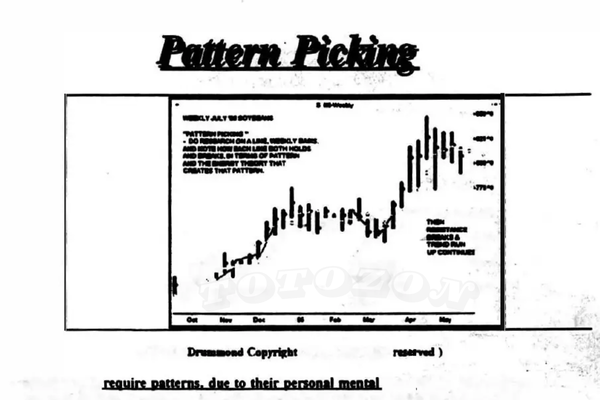 Pattern Picking with Charles Drummond
1 × $6.00
Pattern Picking with Charles Drummond
1 × $6.00 -
×
 Sacredscience - W.T.Foster – Sunspots and Weather
1 × $6.00
Sacredscience - W.T.Foster – Sunspots and Weather
1 × $6.00 -
×
 Project Manager’s Spotlight on Risk Management with Kim Heldman
1 × $5.00
Project Manager’s Spotlight on Risk Management with Kim Heldman
1 × $5.00 -
×
 Fibonacci Trading & Dynamic Profit Targeting with Base Camp Trading
1 × $15.00
Fibonacci Trading & Dynamic Profit Targeting with Base Camp Trading
1 × $15.00 -
×
 F.A.M.E. Home Study Course with Doug Sutton
1 × $6.00
F.A.M.E. Home Study Course with Doug Sutton
1 × $6.00 -
×
 Master Class Recording 2019 with Oil Trading Academy
1 × $17.00
Master Class Recording 2019 with Oil Trading Academy
1 × $17.00 -
×
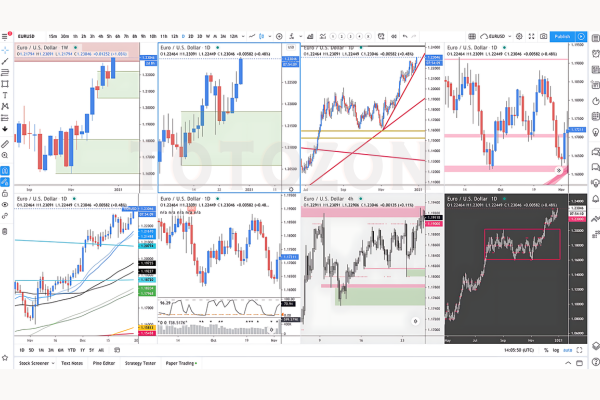 Supply And Demand Zone Trading Course with Trading180
1 × $5.00
Supply And Demand Zone Trading Course with Trading180
1 × $5.00 -
×
 Sell & Sell Short with Alexander Elder
1 × $6.00
Sell & Sell Short with Alexander Elder
1 × $6.00 -
×
 How I've Achieved Triple-Digit Returns Daytrading: 4 Hours A Day with David Floyd
1 × $6.00
How I've Achieved Triple-Digit Returns Daytrading: 4 Hours A Day with David Floyd
1 × $6.00 -
×
 Follow the Leader Trading System with Anthony Gibson
1 × $6.00
Follow the Leader Trading System with Anthony Gibson
1 × $6.00 -
×
 Forecast 2024 Clarification with Larry Williams
1 × $15.00
Forecast 2024 Clarification with Larry Williams
1 × $15.00 -
×
 How to Trade Diagonal Triangles. Superior Risk Reward Trade Setups
1 × $6.00
How to Trade Diagonal Triangles. Superior Risk Reward Trade Setups
1 × $6.00 -
×
 Proven Swing Trading Strat & Multiple Time Frame Analysis - Robert Krausz & Thom Hartle
1 × $6.00
Proven Swing Trading Strat & Multiple Time Frame Analysis - Robert Krausz & Thom Hartle
1 × $6.00 -
×
 Increase Your Net Worth In 2 Hours A Week with Jerremy Newsome - Real Life Trading
1 × $17.00
Increase Your Net Worth In 2 Hours A Week with Jerremy Newsome - Real Life Trading
1 × $17.00 -
×
 Investor’s Guide to Charting By Alistair Blair
1 × $6.00
Investor’s Guide to Charting By Alistair Blair
1 × $6.00 -
×
 Selected Articles by the Late by George Lindsay
1 × $6.00
Selected Articles by the Late by George Lindsay
1 × $6.00 -
×
 Stock Trader`s Almanac 2012 with Jeffrey Hirsch & Yale Hirsch
1 × $6.00
Stock Trader`s Almanac 2012 with Jeffrey Hirsch & Yale Hirsch
1 × $6.00 -
×
 Financial Markets Online – VIP Membership with James Bentley
1 × $6.00
Financial Markets Online – VIP Membership with James Bentley
1 × $6.00 -
×
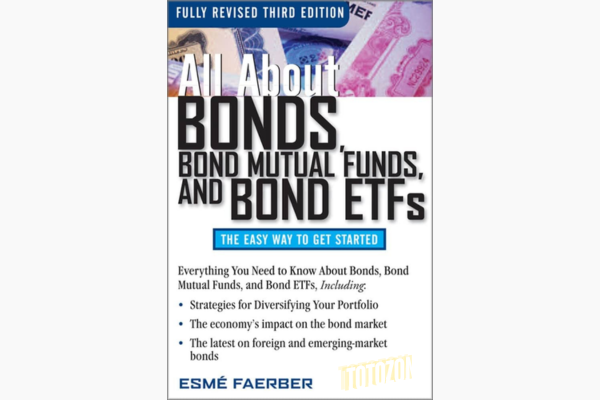 All About Bonds, Bond Mutual Funds & Bond ETFs (3rd Ed.) with Esme Faerber
1 × $6.00
All About Bonds, Bond Mutual Funds & Bond ETFs (3rd Ed.) with Esme Faerber
1 × $6.00 -
×
 S&P Market Timing Course For E-mini & Options Traders
1 × $6.00
S&P Market Timing Course For E-mini & Options Traders
1 × $6.00 -
×
 Setups of a Winning Trader with Gareth Soloway
1 × $521.00
Setups of a Winning Trader with Gareth Soloway
1 × $521.00 -
×
 How I Trade the QQQs with Don Miller
1 × $6.00
How I Trade the QQQs with Don Miller
1 × $6.00 -
×
 Crypto Trading Academy with Cheeky Investor - Aussie Day Trader
1 × $13.00
Crypto Trading Academy with Cheeky Investor - Aussie Day Trader
1 × $13.00 -
×
 Put Option Strategies for Smarter Trading with Michael Thomsett
1 × $6.00
Put Option Strategies for Smarter Trading with Michael Thomsett
1 × $6.00 -
×
 High Probability ETF Trading: 7 Professional Strategies To Improve Your ETF Trading with Larry Connors
1 × $6.00
High Probability ETF Trading: 7 Professional Strategies To Improve Your ETF Trading with Larry Connors
1 × $6.00 -
×
 Stock Market Winners with Maria Crawford Scott, John Bajkowski
1 × $6.00
Stock Market Winners with Maria Crawford Scott, John Bajkowski
1 × $6.00 -
×
 Small Account Options Trading Workshop Package with Doc Severson
1 × $6.00
Small Account Options Trading Workshop Package with Doc Severson
1 × $6.00 -
×
 Foundation & Application of the Market with Jim Dalton - JimDalton Trading
1 × $5.00
Foundation & Application of the Market with Jim Dalton - JimDalton Trading
1 × $5.00 -
×
 Fibonacci Analysis with Constance Brown
1 × $6.00
Fibonacci Analysis with Constance Brown
1 × $6.00 -
×
 QuickBooks 2003 Official Guide
1 × $6.00
QuickBooks 2003 Official Guide
1 × $6.00 -
×
 Pricing of Bond Options with Detlef Repplinger
1 × $6.00
Pricing of Bond Options with Detlef Repplinger
1 × $6.00 -
×
 Quantamentals - The Next Great Forefront Of Trading and Investing with Trading Markets
1 × $8.00
Quantamentals - The Next Great Forefront Of Trading and Investing with Trading Markets
1 × $8.00 -
×
 Predators & Profits with Martin Howell & John Bogle
1 × $6.00
Predators & Profits with Martin Howell & John Bogle
1 × $6.00 -
×
 Show Tax Losses On Your 1040, Yet Show Lenders You Are Making Money! with Information Services Unlimited
1 × $6.00
Show Tax Losses On Your 1040, Yet Show Lenders You Are Making Money! with Information Services Unlimited
1 × $6.00 -
×
 Quarterly Theory with Trader Daye
1 × $20.00
Quarterly Theory with Trader Daye
1 × $20.00 -
×
 Relationship of the StockMarket Fluctuations to the Lunarcycle with Frank J.Guarino
1 × $6.00
Relationship of the StockMarket Fluctuations to the Lunarcycle with Frank J.Guarino
1 × $6.00 -
×
 Quantitative Trading and Money Management, Revised Edition (5th Edition) with Fred Gehm
1 × $6.00
Quantitative Trading and Money Management, Revised Edition (5th Edition) with Fred Gehm
1 × $6.00 -
×
 Futures 101: An Introduction to Futures Contracts Class with Don Kaufman
1 × $6.00
Futures 101: An Introduction to Futures Contracts Class with Don Kaufman
1 × $6.00 -
×
 Investment Fables with Aswath Damodaran
1 × $6.00
Investment Fables with Aswath Damodaran
1 × $6.00 -
×
 The Orderflows Trade Opportunities Encyclopedia with Michael Valtos
1 × $8.00
The Orderflows Trade Opportunities Encyclopedia with Michael Valtos
1 × $8.00 -
×
 How To Flip All Those “Hard To Flip” Deals
1 × $6.00
How To Flip All Those “Hard To Flip” Deals
1 × $6.00 -
×
 Forex Strategy Course with Angel Traders
1 × $6.00
Forex Strategy Course with Angel Traders
1 × $6.00 -
×
 ENG Renko Mastery with International Scalpers
1 × $10.00
ENG Renko Mastery with International Scalpers
1 × $10.00 -
×
 Practical Portfolio Performance Measurement and Attribution (2nd Ed.) with Carl Bacon
1 × $6.00
Practical Portfolio Performance Measurement and Attribution (2nd Ed.) with Carl Bacon
1 × $6.00 -
×
 Mastertrader – Mastering Swing Trading
1 × $31.00
Mastertrader – Mastering Swing Trading
1 × $31.00 -
×
 David Weis Stock Market Update Nightly Report 2014-2019
1 × $20.00
David Weis Stock Market Update Nightly Report 2014-2019
1 × $20.00 -
×
 Sixpart Study Guide to Market Profile
1 × $6.00
Sixpart Study Guide to Market Profile
1 × $6.00 -
×
 High Probability Trading Using Elliott Wave And Fibonacci Analysis withVic Patel - Forex Training Group
1 × $10.00
High Probability Trading Using Elliott Wave And Fibonacci Analysis withVic Patel - Forex Training Group
1 × $10.00 -
×
 Scalp Strategy and Flipping Small Accounts with Opes Trading Group
1 × $5.00
Scalp Strategy and Flipping Small Accounts with Opes Trading Group
1 × $5.00

The Janus Factor with Gary Anderson
$6.00
File Size: Coming soon!
Delivery Time: 1–12 hours
Media Type: Online Course
Content Proof: Watch Here!
You may check content proof of “The Janus Factor with Gary Anderson” below:

The Janus Factor by Gary Anderson
In the complex world of investing, understanding the factors that drive market performance is crucial. “The Janus Factor” by Gary Anderson provides a unique perspective on these dynamics. This book explores how different market forces, represented by the dual-faced Roman god Janus, can influence investment strategies. In this article, we delve into the key concepts and insights from Anderson’s work, offering valuable guidance for investors seeking to navigate the financial markets.
Introduction to The Janus Factor
Who is Gary Anderson?
Gary Anderson is a seasoned financial analyst and author with extensive experience in investment strategy and market analysis. His book, “The Janus Factor,” offers a fresh approach to understanding market forces.
Purpose of The Janus Factor
The book aims to help investors identify and leverage the dual forces at play in the market, much like the two faces of Janus, to make informed and strategic investment decisions.
Fundamental Concepts of The Janus Factor
1. Dual Market Forces
Bull and Bear Markets
Anderson discusses the cyclical nature of bull and bear markets, highlighting the importance of recognizing these phases to adjust investment strategies accordingly.
Economic Indicators
Key economic indicators, such as GDP growth, inflation, and unemployment rates, are examined to understand their impact on market trends.
2. Investor Psychology
Fear and Greed
The Janus Factor emphasizes the role of investor psychology, particularly fear and greed, in driving market movements and creating investment opportunities.
Behavioral Finance
Understanding behavioral finance principles helps investors recognize irrational market behaviors and exploit them for profit.
Core Principles for Investors
1. Diversification
Spreading Risk
Diversification is a key strategy discussed in the book. Anderson advises spreading investments across various asset classes to mitigate risk.
Asset Allocation
Proper asset allocation ensures a balanced portfolio that can weather market volatility.
2. Timing the Market
Market Cycles
Recognizing market cycles and timing investments accordingly can significantly enhance returns. Anderson provides insights into identifying these cycles.
Technical Analysis
Using technical analysis tools to time market entries and exits is another important principle highlighted in the book.
Implementing The Janus Factor Strategies
1. Identifying Market Trends
Trend Analysis
Conduct thorough trend analysis to identify the prevailing market direction and adjust your investment strategy accordingly.
Momentum Indicators
Use momentum indicators, such as moving averages and RSI, to confirm market trends.
2. Risk Management
Setting Stop-Loss Orders
Implement stop-loss orders to protect your investments from significant declines, as emphasized by Anderson.
Position Sizing
Determine appropriate position sizes based on your risk tolerance and investment goals.
3. Leveraging Market Anomalies
Exploiting Inefficiencies
The book discusses how to exploit market inefficiencies and anomalies for profitable trading opportunities.
Arbitrage Strategies
Utilize arbitrage strategies to capitalize on price discrepancies between markets.
Advanced Investment Techniques
1. Quantitative Analysis
Data-Driven Decisions
Anderson advocates for the use of quantitative analysis to make data-driven investment decisions.
Financial Models
Develop and use financial models to predict market movements and identify investment opportunities.
2. Fundamental Analysis
Company Valuation
Perform in-depth fundamental analysis to value companies and make informed investment choices.
Earnings Reports
Analyze earnings reports and other financial statements to assess a company’s performance and growth potential.
Practical Applications of The Janus Factor
1. Building a Robust Portfolio
Balanced Approach
Construct a well-balanced portfolio that incorporates diverse asset classes and investment strategies.
Rebalancing
Regularly rebalance your portfolio to maintain your desired asset allocation and risk level.
2. Adapting to Market Changes
Flexibility
Stay flexible and be willing to adjust your strategies based on changing market conditions.
Continuous Learning
Engage in continuous learning to stay updated on new market developments and investment techniques.
3. Long-Term Perspective
Patience and Discipline
Maintain a long-term perspective, exercising patience and discipline in your investment approach.
Compounding Returns
Leverage the power of compounding returns by reinvesting profits and allowing your investments to grow over time.
Common Mistakes to Avoid
1. Overreacting to Market Volatility
Staying Calm
Avoid making impulsive decisions based on short-term market fluctuations. Stay focused on your long-term strategy.
2. Ignoring Risk Management
Importance of Risk Controls
Neglecting risk management can lead to significant losses. Always implement risk controls such as stop-loss orders and proper position sizing.
3. Following the Crowd
Independent Thinking
Resist the urge to follow the crowd. Make investment decisions based on thorough analysis and independent thinking.
Conclusion
“The Janus Factor” by Gary Anderson offers valuable insights into understanding and leveraging market forces for successful investing. By applying the principles and strategies outlined in the book, investors can enhance their ability to navigate the financial markets and achieve their investment goals. Remember, successful investing requires a combination of knowledge, discipline, and a willingness to adapt to changing market conditions.
FAQs
1. What is the main premise of The Janus Factor?
The Janus Factor focuses on understanding and leveraging the dual forces at play in the market, such as bull and bear phases, to make informed investment decisions.
2. How does investor psychology impact market movements?
Investor psychology, particularly fear and greed, can drive market movements and create investment opportunities. Understanding these behaviors helps in making strategic decisions.
3. What are some key strategies discussed in The Janus Factor?
Key strategies include diversification, timing the market, risk management, and leveraging market anomalies for profitable opportunities.
4. How can I implement the principles of The Janus Factor in my investment strategy?
Implement the principles by conducting thorough market analysis, managing risk effectively, staying flexible, and maintaining a long-term perspective.
5. Why is continuous learning important in investing?
Continuous learning helps investors stay updated on market developments, new investment techniques, and emerging trends, enhancing their ability to make informed decisions.
Be the first to review “The Janus Factor with Gary Anderson”
You must be logged in to post a review.
Related products

Original price was: $310.00.$23.00Current price is: $23.00.
Forex Trading
Original price was: $797.00.$10.00Current price is: $10.00.

Original price was: $197.00.$5.00Current price is: $5.00.

Forex Trading
Original price was: $2,995.00.$31.00Current price is: $31.00.

Forex Trading
Original price was: $1,098.00.$39.00Current price is: $39.00.

Forex Trading
Original price was: $2,997.00.$23.00Current price is: $23.00.
Forex Trading
Original price was: $249.00.$15.00Current price is: $15.00.
Original price was: $497.00.$31.00Current price is: $31.00.
Forex Trading
Quantamentals – The Next Great Forefront Of Trading and Investing with Trading Markets
Original price was: $1,495.00.$8.00Current price is: $8.00.
Original price was: $299.00.$8.00Current price is: $8.00.

Original price was: $695.00.$41.00Current price is: $41.00.

Forex Trading
Original price was: $499.00.$15.00Current price is: $15.00.

Forex Trading
Original price was: $550.00.$5.00Current price is: $5.00.

Original price was: $649.00.$20.00Current price is: $20.00.

Forex Trading
Original price was: $999.00.$15.00Current price is: $15.00.

Forex Trading
Original price was: $697.00.$5.00Current price is: $5.00.

Forex Trading
Original price was: $799.00.$15.00Current price is: $15.00.

Forex Trading
Original price was: $1,898.00.$10.00Current price is: $10.00.
Original price was: $999.00.$5.00Current price is: $5.00.

Forex Trading
Original price was: $850.00.$23.00Current price is: $23.00.

Reviews
There are no reviews yet.