
-
×
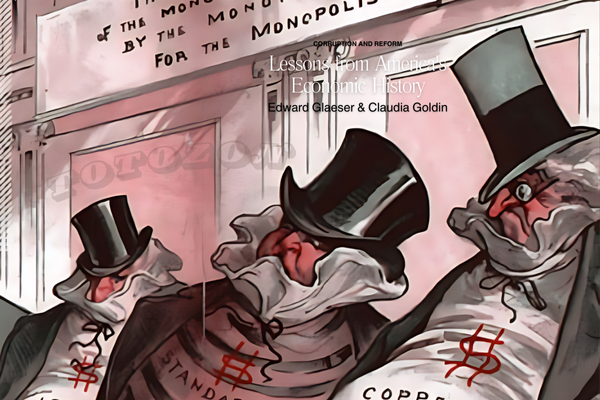 Corruption and Reform: Lessons from America's Economic History with Edward Glaeser & Claudia Goldin
1 × $6.00
Corruption and Reform: Lessons from America's Economic History with Edward Glaeser & Claudia Goldin
1 × $6.00 -
×
 The Complete Guide to Multiple Time Frame Analysis & Reading Price Action with Aiman Almansoori
1 × $13.00
The Complete Guide to Multiple Time Frame Analysis & Reading Price Action with Aiman Almansoori
1 × $13.00 -
×
 Qualitative - Financial Statement Analysis with Sandesh Banger
1 × $5.00
Qualitative - Financial Statement Analysis with Sandesh Banger
1 × $5.00 -
×
 How to Find the Most Profitable Stocks with Mubarak Shah
1 × $6.00
How to Find the Most Profitable Stocks with Mubarak Shah
1 × $6.00 -
×
 Portfolio Management using Machine Learning: Hierarchical Risk Parity
1 × $39.00
Portfolio Management using Machine Learning: Hierarchical Risk Parity
1 × $39.00 -
×
 Intra-Day Trading Nasdaq Futures Class with Tony Rago
1 × $6.00
Intra-Day Trading Nasdaq Futures Class with Tony Rago
1 × $6.00 -
×
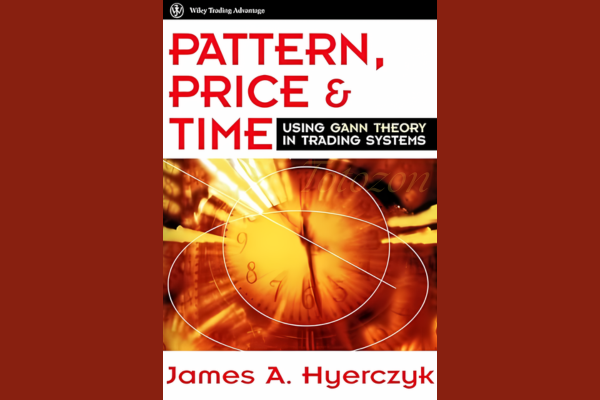 Pattern, Price & Time: Using Gann Theory in Trading Systems (1st Edition) with James Hyerczyk
1 × $6.00
Pattern, Price & Time: Using Gann Theory in Trading Systems (1st Edition) with James Hyerczyk
1 × $6.00 -
×
 Mastering Daily Option Trading with Option Pit
1 × $93.00
Mastering Daily Option Trading with Option Pit
1 × $93.00 -
×
 3 Short Selling Strategies - Trading Strategy Bundles – Quantified Strategies
1 × $39.00
3 Short Selling Strategies - Trading Strategy Bundles – Quantified Strategies
1 × $39.00 -
×
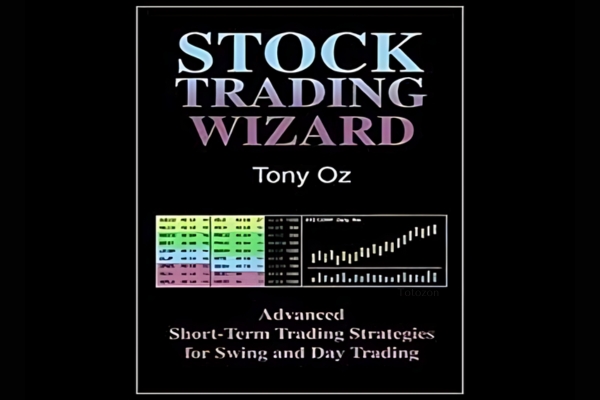 Stock Trading Wizard
1 × $6.00
Stock Trading Wizard
1 × $6.00 -
×
 Futures & Options Course with Talkin Options
1 × $15.00
Futures & Options Course with Talkin Options
1 × $15.00 -
×
 Investing Guide For New Investor with Alfred Scillitani
1 × $6.00
Investing Guide For New Investor with Alfred Scillitani
1 × $6.00 -
×
 Dynamic Time Cycles with Peter Eliades
1 × $6.00
Dynamic Time Cycles with Peter Eliades
1 × $6.00 -
×
 Traders Edge with Steven Dux
1 × $5.00
Traders Edge with Steven Dux
1 × $5.00 -
×
 Royal Exchange Forex with Jan Teslar
1 × $6.00
Royal Exchange Forex with Jan Teslar
1 × $6.00 -
×
 Mastering Collar Trades Pro with Vince Vora - TradingWins
1 × $6.00
Mastering Collar Trades Pro with Vince Vora - TradingWins
1 × $6.00 -
×
 Guide To Selling High Probability Spreads Class with Don Kaufman
1 × $6.00
Guide To Selling High Probability Spreads Class with Don Kaufman
1 × $6.00 -
×
 The LP Trading Course
1 × $13.00
The LP Trading Course
1 × $13.00 -
×
 T3 Live - The Simple Art of Trading
1 × $31.00
T3 Live - The Simple Art of Trading
1 × $31.00 -
×
 Forex Project Advanced Course with Tyler Crowell
1 × $5.00
Forex Project Advanced Course with Tyler Crowell
1 × $5.00 -
×
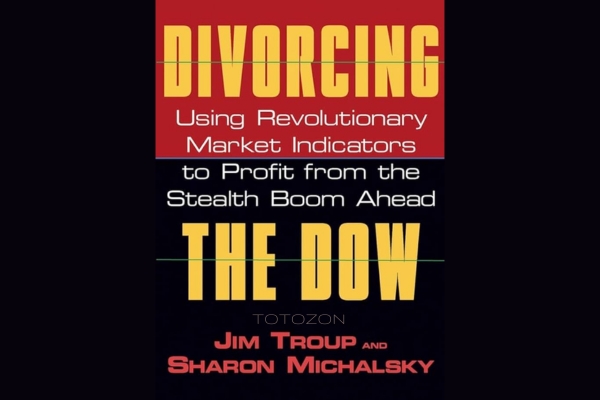 Divorcing the Dow: Using Revolutionary Market Indicators to Profit from the Stealth Boom Ahead - Jim Troup & Sharon Michalsky
1 × $6.00
Divorcing the Dow: Using Revolutionary Market Indicators to Profit from the Stealth Boom Ahead - Jim Troup & Sharon Michalsky
1 × $6.00 -
×
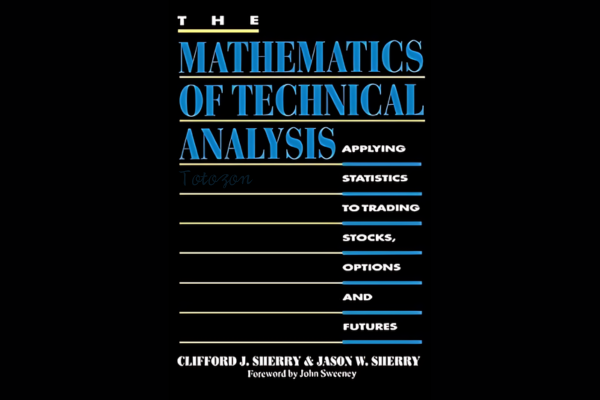 The Mathematics of Technical Analysis with Clifford Sherry
1 × $6.00
The Mathematics of Technical Analysis with Clifford Sherry
1 × $6.00 -
×
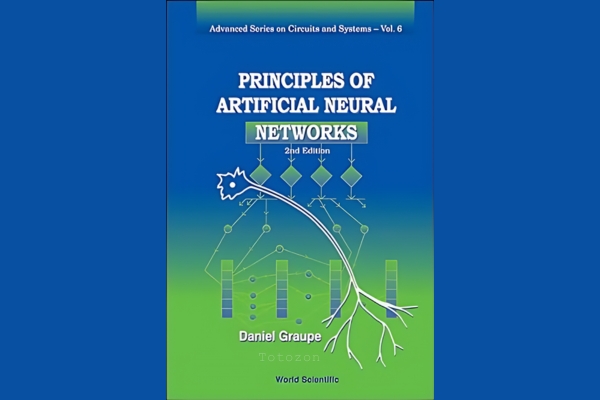 Principles of Artificial Neural Networks (2nd Ed.) with Daniel Graupe
1 × $6.00
Principles of Artificial Neural Networks (2nd Ed.) with Daniel Graupe
1 × $6.00 -
×
 YouAreTheIndicator Online Course 1.0
1 × $6.00
YouAreTheIndicator Online Course 1.0
1 × $6.00 -
×
 Trading Hub 4.0 with Mr. Khan
1 × $27.00
Trading Hub 4.0 with Mr. Khan
1 × $27.00 -
×
 Price Action Room - The Scalper’s Boot Camp
1 × $15.00
Price Action Room - The Scalper’s Boot Camp
1 × $15.00 -
×
 Forex Trading Education Program (Apr-June 2010) with Jimmy Young
1 × $6.00
Forex Trading Education Program (Apr-June 2010) with Jimmy Young
1 × $6.00 -
×
 Design for Six Sigma with Subir Chowdhury
1 × $6.00
Design for Six Sigma with Subir Chowdhury
1 × $6.00 -
×
 Cycles: What they are, what they mean, how to profit by them - Dick Stoken
1 × $6.00
Cycles: What they are, what they mean, how to profit by them - Dick Stoken
1 × $6.00 -
×
 Sang Lucci Master Course 2021 with Sang Lucci
1 × $6.00
Sang Lucci Master Course 2021 with Sang Lucci
1 × $6.00 -
×
 Fast Track Course with Tradelikerocket
1 × $233.00
Fast Track Course with Tradelikerocket
1 × $233.00 -
×
 Trading From Your Gut with Curtis Faith
1 × $6.00
Trading From Your Gut with Curtis Faith
1 × $6.00 -
×
 A14 Weekly Options Strategy Workshop 2023 with Amy Meissner - Aeromir
1 × $23.00
A14 Weekly Options Strategy Workshop 2023 with Amy Meissner - Aeromir
1 × $23.00 -
×
 Simpler Options - Insider’s Guide to Generating Income using Options Strategies Course (Oct 2014)
1 × $6.00
Simpler Options - Insider’s Guide to Generating Income using Options Strategies Course (Oct 2014)
1 × $6.00 -
×
 In Jeremy's Stock Market Brain
1 × $62.00
In Jeremy's Stock Market Brain
1 × $62.00 -
×
 The Candlestick Training Series with Timon Weller
1 × $6.00
The Candlestick Training Series with Timon Weller
1 × $6.00 -
×
 Team Bull Trading Academy
1 × $5.00
Team Bull Trading Academy
1 × $5.00 -
×
 Outsmarting the Smart Money with Lawrence A.Cunningham
1 × $6.00
Outsmarting the Smart Money with Lawrence A.Cunningham
1 × $6.00 -
×
 The Trading Blueprint with Brad Goh - The Trading Geek
1 × $5.00
The Trading Blueprint with Brad Goh - The Trading Geek
1 × $5.00 -
×
 Foolproof Forex Trading with Louise Woof
1 × $6.00
Foolproof Forex Trading with Louise Woof
1 × $6.00 -
×
 Secrets of An Electronic Futures Trader with Larry Levin
1 × $6.00
Secrets of An Electronic Futures Trader with Larry Levin
1 × $6.00 -
×
 The Complete Guide to Spread Trading
1 × $6.00
The Complete Guide to Spread Trading
1 × $6.00 -
×
 Developing Profitable Systems from Discretionary to Mechanical with Fred Shutzman
1 × $6.00
Developing Profitable Systems from Discretionary to Mechanical with Fred Shutzman
1 × $6.00 -
×
 The Management of Equity Investments with Dimitris Chorafas
1 × $6.00
The Management of Equity Investments with Dimitris Chorafas
1 × $6.00 -
×
 No BS Day Trading Basic Course
1 × $6.00
No BS Day Trading Basic Course
1 × $6.00 -
×
 Wyckoff Analysis Series. Module 2. Wyckoff Candle Volume Analysis
1 × $6.00
Wyckoff Analysis Series. Module 2. Wyckoff Candle Volume Analysis
1 × $6.00 -
×
 Essentials in Quantitative Trading QT01 By HangukQuant's
1 × $23.00
Essentials in Quantitative Trading QT01 By HangukQuant's
1 × $23.00 -
×
 Sacredscience - Sepharial Arcana – Rubber
1 × $6.00
Sacredscience - Sepharial Arcana – Rubber
1 × $6.00 -
×
 All About Technical Analysis with Constance Brown
1 × $6.00
All About Technical Analysis with Constance Brown
1 × $6.00 -
×
 Technical Timing Patterns
1 × $6.00
Technical Timing Patterns
1 × $6.00 -
×
 Executive Mentoring Elliot Wave Course (Video & Manuals)
1 × $6.00
Executive Mentoring Elliot Wave Course (Video & Manuals)
1 × $6.00 -
×
 EasyLanguage Home Study Course PDF Book + CD
1 × $6.00
EasyLanguage Home Study Course PDF Book + CD
1 × $6.00 -
×
 Strategies for Profiting on Every Trade: Simple Lessons for Mastering the Market with Oliver L. Velez
1 × $6.00
Strategies for Profiting on Every Trade: Simple Lessons for Mastering the Market with Oliver L. Velez
1 × $6.00 -
×
 The Orderflows Trade Opportunities Encyclopedia with Michael Valtos
1 × $8.00
The Orderflows Trade Opportunities Encyclopedia with Michael Valtos
1 × $8.00 -
×
 The Psychology of Investing with John Nofsinger
1 × $6.00
The Psychology of Investing with John Nofsinger
1 × $6.00 -
×
 Pristine - Oliver Velez – Swing Trading Tactics 2001
1 × $6.00
Pristine - Oliver Velez – Swing Trading Tactics 2001
1 × $6.00 -
×
 Traders World Past Issue Articles on CD with Magazine
1 × $6.00
Traders World Past Issue Articles on CD with Magazine
1 × $6.00 -
×
 AI For Traders with Trading Markets
1 × $31.00
AI For Traders with Trading Markets
1 × $31.00

The Telecoms Trade War with Mark Naftel
$6.00
File Size: Coming soon!
Delivery Time: 1–12 hours
Media Type: Online Course
Content Proof: Watch Here!
You may check content proof of “The Telecoms Trade War with Mark Naftel” below:

The Telecoms Trade War with Mark Naftel
In the global economy, the telecom industry stands as a pillar of innovation and connectivity. However, this crucial sector has become the battlefield for a complex trade war. Mark Naftel, a renowned expert in telecommunications law and policy, provides an in-depth analysis of this conflict and its far-reaching implications. Let’s explore the intricacies of the telecoms trade war and how it affects businesses, governments, and consumers worldwide.
Introduction to Mark Naftel
Who is Mark Naftel?
Mark Naftel is a distinguished telecommunications lawyer and author with extensive experience in international telecom policy. His insights into regulatory frameworks and market dynamics are highly regarded in the industry.
Naftel’s Expertise
Naftel’s work focuses on navigating the legal and economic landscapes of the telecom sector, making him a key figure in understanding the ongoing trade war.
Understanding the Telecoms Trade War
What is the Telecoms Trade War?
The telecoms trade war refers to the escalating tensions between major global powers, particularly the US and China, over control and influence in the telecommunications industry. This conflict involves disputes over technology, market access, and national security.
Key Players in the Conflict
- United States: Advocates for open markets and security concerns regarding foreign technology.
- China: Seeks to expand its telecom infrastructure and influence globally.
- European Union: Struggles to balance economic ties with both the US and China.
Roots of the Conflict
Historical Context
Early Competition
The rivalry began as telecom companies from different countries started competing for dominance in global markets.
Rise of 5G Technology
The advent of 5G technology intensified the competition, with each nation striving to lead in this revolutionary development.
Economic and Political Factors
Market Control
Control over telecom infrastructure translates to significant economic power, influencing global trade and politics.
National Security Concerns
Nations fear that foreign telecom equipment could be used for espionage, leading to stricter regulations and bans on certain technologies.
Major Events in the Telecoms Trade War
Huawei Ban
US Actions
The US has banned Huawei, a leading Chinese telecom company, from its markets, citing security threats.
Global Impact
Many other countries followed suit, leading to significant disruptions in Huawei’s operations.
Tariffs and Trade Barriers
Imposition of Tariffs
Both the US and China have imposed tariffs on telecom equipment, increasing costs for businesses and consumers.
Retaliatory Measures
China has retaliated with its own set of tariffs and restrictions, further escalating the trade war.
Implications for the Telecom Industry
Impact on Innovation
Slowed Progress
The trade war hampers innovation as companies face increased costs and regulatory hurdles.
Fragmented Markets
Markets are becoming fragmented, with countries favoring domestic technologies over international cooperation.
Financial Consequences
Increased Costs
Tariffs and restrictions lead to higher costs for telecom companies, which are often passed on to consumers.
Investment Uncertainty
Uncertainty over trade policies makes it difficult for companies to plan long-term investments.
Strategic Responses
Diversification of Supply Chains
Reducing Dependence
Companies are diversifying their supply chains to reduce dependence on any single country.
Building Local Capabilities
There is a push to develop local manufacturing and R&D capabilities to mitigate risks.
Enhanced Cybersecurity Measures
Strengthening Defenses
Firms are investing in cybersecurity to protect their networks from potential threats.
Compliance with Regulations
Adhering to national and international regulations is crucial to maintaining market access.
Consumer Impact
Higher Prices
Increased Costs for Devices
Consumers face higher prices for telecom devices due to increased production costs.
Reduced Access to Technology
Trade barriers can limit access to the latest technologies and innovations.
Data Privacy Concerns
Security of Personal Information
With growing concerns over data privacy, consumers demand stronger protections for their personal information.
Regulatory Compliance
Telecom companies must comply with stringent data protection regulations to gain consumer trust.
Future Outlook
Potential Resolutions
Bilateral Agreements
Countries may negotiate bilateral agreements to ease trade tensions and foster cooperation.
Global Standards
Establishing global standards for telecom technologies could help harmonize regulations and promote innovation.
Role of International Organizations
Mediation and Arbitration
International organizations like the WTO could play a role in mediating disputes and ensuring fair trade practices.
Support for Developing Nations
Assistance to developing nations in building their telecom infrastructure can promote global connectivity and economic growth.
Conclusion
The telecoms trade war, as analyzed by Mark Naftel, presents significant challenges and opportunities for the global telecom industry. By understanding the underlying issues and strategic responses, businesses and governments can navigate this complex landscape more effectively. The future of telecom hinges on cooperation, innovation, and a balanced approach to security and market access.
FAQs
1. What is the main cause of the telecoms trade war?
The main cause is the competition for control over telecom infrastructure and concerns over national security and market dominance.
2. How does the trade war affect telecom innovation?
The trade war slows innovation by increasing costs and creating regulatory barriers, leading to fragmented markets.
3. Why is Huawei significant in the telecoms trade war?
Huawei is a leading Chinese telecom company targeted by the US and other countries over security concerns, making it a central figure in the conflict.
4. What can telecom companies do to mitigate trade war risks?
Companies can diversify their supply chains, invest in local capabilities, and enhance cybersecurity measures to reduce risks.
5. How does the trade war impact consumers?
Consumers face higher prices for telecom devices and potential limitations on access to new technologies due to increased costs and trade barriers.
Be the first to review “The Telecoms Trade War with Mark Naftel”
You must be logged in to post a review.
Related products

Forex Trading
Original price was: $550.00.$5.00Current price is: $5.00.

Forex Trading
Original price was: $500.00.$5.00Current price is: $5.00.

Forex Trading
Original price was: $249.00.$15.00Current price is: $15.00.

Forex Trading
Original price was: $1,098.00.$39.00Current price is: $39.00.

Original price was: $497.00.$11.00Current price is: $11.00.

Original price was: $799.00.$15.00Current price is: $15.00.
Forex Trading
The Complete Guide to Multiple Time Frame Analysis & Reading Price Action with Aiman Almansoori
Original price was: $1,399.00.$13.00Current price is: $13.00.

Original price was: $700.00.$39.00Current price is: $39.00.

Original price was: $999.00.$5.00Current price is: $5.00.
Forex Trading
Original price was: $697.00.$5.00Current price is: $5.00.

Forex Trading
Original price was: $125.00.$17.00Current price is: $17.00.

Original price was: $649.00.$20.00Current price is: $20.00.

Forex Trading
Original price was: $499.00.$15.00Current price is: $15.00.

Original price was: $310.00.$23.00Current price is: $23.00.

Original price was: $497.00.$31.00Current price is: $31.00.

Original price was: $1,800.00.$54.00Current price is: $54.00.

Original price was: $997.00.$13.00Current price is: $13.00.

Original price was: $1,849.00.$15.00Current price is: $15.00.

Forex Trading
Quantamentals – The Next Great Forefront Of Trading and Investing with Trading Markets
Original price was: $1,495.00.$8.00Current price is: $8.00.

Original price was: $997.00.$8.00Current price is: $8.00.

Reviews
There are no reviews yet.