
-
×
 AbleTrend with John Wang & Grace Wang
1 × $6.00
AbleTrend with John Wang & Grace Wang
1 × $6.00 -
×
 A Mathematician Plays The Stock Market with John Allen Paulos
1 × $6.00
A Mathematician Plays The Stock Market with John Allen Paulos
1 × $6.00 -
×
 Trading with Price Ladder and Order Flow Strategies with Alex Haywood - Axia Futures
1 × $6.00
Trading with Price Ladder and Order Flow Strategies with Alex Haywood - Axia Futures
1 × $6.00 -
×
 Advanced Price Action Course with Chris Capre
1 × $7.00
Advanced Price Action Course with Chris Capre
1 × $7.00 -
×
 CFA Level 2 - Sample Item Sets 2003
1 × $6.00
CFA Level 2 - Sample Item Sets 2003
1 × $6.00 -
×
 Traders Positioning System with Lee Gettess
1 × $4.00
Traders Positioning System with Lee Gettess
1 × $4.00 -
×
 The Inner Circle Seminar
1 × $15.00
The Inner Circle Seminar
1 × $15.00 -
×
 A14 Weekly Options Strategy Workshop 2023 with Amy Meissner - Aeromir
1 × $23.00
A14 Weekly Options Strategy Workshop 2023 with Amy Meissner - Aeromir
1 × $23.00 -
×
 Affinity Foundation Stocks Course with Affinitytrading
1 × $6.00
Affinity Foundation Stocks Course with Affinitytrading
1 × $6.00 -
×
 Trading Aplications of Japanese Candlestick Charting with Gary S.Wagner & Bradley L.Matheny
1 × $6.00
Trading Aplications of Japanese Candlestick Charting with Gary S.Wagner & Bradley L.Matheny
1 × $6.00 -
×
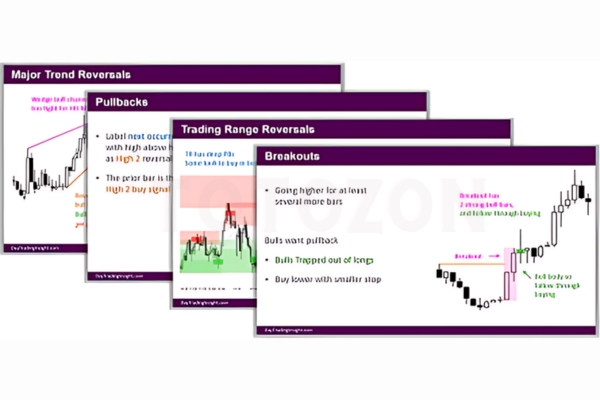 Day Trading Insight with Al Brooks
1 × $10.00
Day Trading Insight with Al Brooks
1 × $10.00 -
×
 Tradingmarkets - Introduction to AmiBroker Programming
1 × $15.00
Tradingmarkets - Introduction to AmiBroker Programming
1 × $15.00 -
×
 Learn Before you Loose
1 × $6.00
Learn Before you Loose
1 × $6.00 -
×
 EFT – The Art of Delivery with Gary Craig
1 × $5.00
EFT – The Art of Delivery with Gary Craig
1 × $5.00 -
×
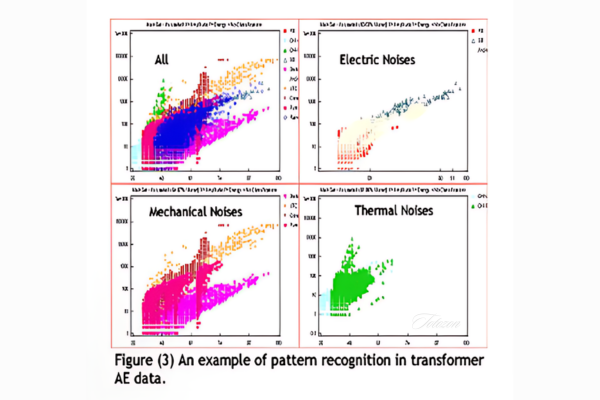 Advanced Pattern Recognition with John Cameron
1 × $23.00
Advanced Pattern Recognition with John Cameron
1 × $23.00 -
×
 AI For Traders with Trading Markets
1 × $31.00
AI For Traders with Trading Markets
1 × $31.00 -
×
 Advanced Breakthroughs in Day Trading DVD course with George Angell
1 × $6.00
Advanced Breakthroughs in Day Trading DVD course with George Angell
1 × $6.00 -
×
 Amibroker CBT Intensive Course with Matt Radtke
1 × $31.00
Amibroker CBT Intensive Course with Matt Radtke
1 × $31.00 -
×
 Crypto Trading Academy with Cheeky Investor - Aussie Day Trader
1 × $13.00
Crypto Trading Academy with Cheeky Investor - Aussie Day Trader
1 × $13.00 -
×
 8 Successful Iron Condor Methodologies with Dan Sheridan
1 × $23.00
8 Successful Iron Condor Methodologies with Dan Sheridan
1 × $23.00 -
×
 Market Makers Method Forex Trading with Nick Nechanicky
1 × $5.00
Market Makers Method Forex Trading with Nick Nechanicky
1 × $5.00 -
×
 Ultimate Trading Course with Dodgy's Dungeon
1 × $8.00
Ultimate Trading Course with Dodgy's Dungeon
1 × $8.00 -
×
 A Day In The Life Of A Forex Trader with Vic Noble & Shirley Hudson
1 × $23.00
A Day In The Life Of A Forex Trader with Vic Noble & Shirley Hudson
1 × $23.00 -
×
 Trading a Living Thing (Article) with David Bowden
1 × $6.00
Trading a Living Thing (Article) with David Bowden
1 × $6.00 -
×
 Peak Capital Trading Bootcamp with Andrew Aziz
1 × $5.00
Peak Capital Trading Bootcamp with Andrew Aziz
1 × $5.00 -
×
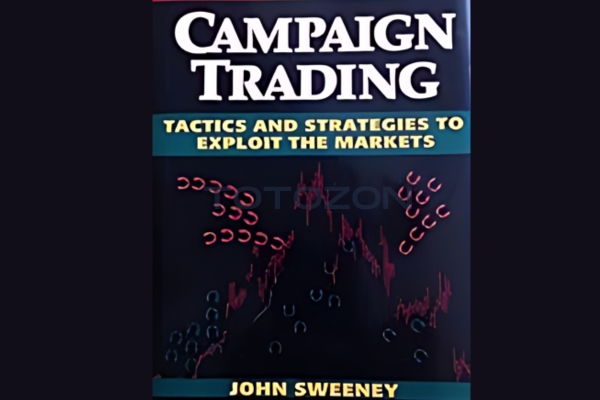 Campaign Trading with John Sweeney
1 × $6.00
Campaign Trading with John Sweeney
1 × $6.00 -
×
 Candlestick Patterns to Master Forex Trading Price Action with Federico Sellitti
1 × $6.00
Candlestick Patterns to Master Forex Trading Price Action with Federico Sellitti
1 × $6.00 -
×
 Buying and Selling Volatility with Kevin B.Connolly
1 × $6.00
Buying and Selling Volatility with Kevin B.Connolly
1 × $6.00 -
×
 The Handbook of Alternative Investments with Darrell R.Jobman
1 × $6.00
The Handbook of Alternative Investments with Darrell R.Jobman
1 × $6.00 -
×
 AllStreet Investing - Master the Market LEVEL 2 - DAYTRADING
1 × $23.00
AllStreet Investing - Master the Market LEVEL 2 - DAYTRADING
1 × $23.00 -
×
 Option Hydra - Mar 2020 Edition - Basics with Rajandran R
1 × $23.00
Option Hydra - Mar 2020 Edition - Basics with Rajandran R
1 × $23.00 -
×
 Evolution Course with Kevin Trades
1 × $15.00
Evolution Course with Kevin Trades
1 × $15.00 -
×
 Advanced Calculus with Applications in Statistics
1 × $6.00
Advanced Calculus with Applications in Statistics
1 × $6.00 -
×
 Order flow self-study training program with iMFtracker
1 × $10.00
Order flow self-study training program with iMFtracker
1 × $10.00

The Telecoms Trade War with Mark Naftel
$6.00
File Size: Coming soon!
Delivery Time: 1–12 hours
Media Type: Online Course
Content Proof: Watch Here!
You may check content proof of “The Telecoms Trade War with Mark Naftel” below:

The Telecoms Trade War with Mark Naftel
In the global economy, the telecom industry stands as a pillar of innovation and connectivity. However, this crucial sector has become the battlefield for a complex trade war. Mark Naftel, a renowned expert in telecommunications law and policy, provides an in-depth analysis of this conflict and its far-reaching implications. Let’s explore the intricacies of the telecoms trade war and how it affects businesses, governments, and consumers worldwide.
Introduction to Mark Naftel
Who is Mark Naftel?
Mark Naftel is a distinguished telecommunications lawyer and author with extensive experience in international telecom policy. His insights into regulatory frameworks and market dynamics are highly regarded in the industry.
Naftel’s Expertise
Naftel’s work focuses on navigating the legal and economic landscapes of the telecom sector, making him a key figure in understanding the ongoing trade war.
Understanding the Telecoms Trade War
What is the Telecoms Trade War?
The telecoms trade war refers to the escalating tensions between major global powers, particularly the US and China, over control and influence in the telecommunications industry. This conflict involves disputes over technology, market access, and national security.
Key Players in the Conflict
- United States: Advocates for open markets and security concerns regarding foreign technology.
- China: Seeks to expand its telecom infrastructure and influence globally.
- European Union: Struggles to balance economic ties with both the US and China.
Roots of the Conflict
Historical Context
Early Competition
The rivalry began as telecom companies from different countries started competing for dominance in global markets.
Rise of 5G Technology
The advent of 5G technology intensified the competition, with each nation striving to lead in this revolutionary development.
Economic and Political Factors
Market Control
Control over telecom infrastructure translates to significant economic power, influencing global trade and politics.
National Security Concerns
Nations fear that foreign telecom equipment could be used for espionage, leading to stricter regulations and bans on certain technologies.
Major Events in the Telecoms Trade War
Huawei Ban
US Actions
The US has banned Huawei, a leading Chinese telecom company, from its markets, citing security threats.
Global Impact
Many other countries followed suit, leading to significant disruptions in Huawei’s operations.
Tariffs and Trade Barriers
Imposition of Tariffs
Both the US and China have imposed tariffs on telecom equipment, increasing costs for businesses and consumers.
Retaliatory Measures
China has retaliated with its own set of tariffs and restrictions, further escalating the trade war.
Implications for the Telecom Industry
Impact on Innovation
Slowed Progress
The trade war hampers innovation as companies face increased costs and regulatory hurdles.
Fragmented Markets
Markets are becoming fragmented, with countries favoring domestic technologies over international cooperation.
Financial Consequences
Increased Costs
Tariffs and restrictions lead to higher costs for telecom companies, which are often passed on to consumers.
Investment Uncertainty
Uncertainty over trade policies makes it difficult for companies to plan long-term investments.
Strategic Responses
Diversification of Supply Chains
Reducing Dependence
Companies are diversifying their supply chains to reduce dependence on any single country.
Building Local Capabilities
There is a push to develop local manufacturing and R&D capabilities to mitigate risks.
Enhanced Cybersecurity Measures
Strengthening Defenses
Firms are investing in cybersecurity to protect their networks from potential threats.
Compliance with Regulations
Adhering to national and international regulations is crucial to maintaining market access.
Consumer Impact
Higher Prices
Increased Costs for Devices
Consumers face higher prices for telecom devices due to increased production costs.
Reduced Access to Technology
Trade barriers can limit access to the latest technologies and innovations.
Data Privacy Concerns
Security of Personal Information
With growing concerns over data privacy, consumers demand stronger protections for their personal information.
Regulatory Compliance
Telecom companies must comply with stringent data protection regulations to gain consumer trust.
Future Outlook
Potential Resolutions
Bilateral Agreements
Countries may negotiate bilateral agreements to ease trade tensions and foster cooperation.
Global Standards
Establishing global standards for telecom technologies could help harmonize regulations and promote innovation.
Role of International Organizations
Mediation and Arbitration
International organizations like the WTO could play a role in mediating disputes and ensuring fair trade practices.
Support for Developing Nations
Assistance to developing nations in building their telecom infrastructure can promote global connectivity and economic growth.
Conclusion
The telecoms trade war, as analyzed by Mark Naftel, presents significant challenges and opportunities for the global telecom industry. By understanding the underlying issues and strategic responses, businesses and governments can navigate this complex landscape more effectively. The future of telecom hinges on cooperation, innovation, and a balanced approach to security and market access.
FAQs
1. What is the main cause of the telecoms trade war?
The main cause is the competition for control over telecom infrastructure and concerns over national security and market dominance.
2. How does the trade war affect telecom innovation?
The trade war slows innovation by increasing costs and creating regulatory barriers, leading to fragmented markets.
3. Why is Huawei significant in the telecoms trade war?
Huawei is a leading Chinese telecom company targeted by the US and other countries over security concerns, making it a central figure in the conflict.
4. What can telecom companies do to mitigate trade war risks?
Companies can diversify their supply chains, invest in local capabilities, and enhance cybersecurity measures to reduce risks.
5. How does the trade war impact consumers?
Consumers face higher prices for telecom devices and potential limitations on access to new technologies due to increased costs and trade barriers.
Be the first to review “The Telecoms Trade War with Mark Naftel”
You must be logged in to post a review.
Related products
Forex Trading
Original price was: $1,898.00.$10.00Current price is: $10.00.

Forex Trading
Original price was: $397.00.$31.00Current price is: $31.00.

Forex Trading
Original price was: $550.00.$5.00Current price is: $5.00.

Original price was: $695.00.$41.00Current price is: $41.00.

Forex Trading
Original price was: $2,000.00.$23.00Current price is: $23.00.

Forex Trading
Original price was: $1,098.00.$39.00Current price is: $39.00.

Original price was: $2,120.00.$15.00Current price is: $15.00.

Forex Trading
Original price was: $4,997.00.$27.00Current price is: $27.00.

Original price was: $997.00.$8.00Current price is: $8.00.

Original price was: $497.00.$31.00Current price is: $31.00.

Forex Trading
Original price was: $799.00.$15.00Current price is: $15.00.
Forex Trading
Original price was: $2,995.00.$31.00Current price is: $31.00.

Original price was: $700.00.$39.00Current price is: $39.00.
Forex Trading
Original price was: $239.00.$8.00Current price is: $8.00.

Original price was: $299.00.$8.00Current price is: $8.00.

Original price was: $1,200.00.$23.00Current price is: $23.00.

Original price was: $139.00.$23.00Current price is: $23.00.

Original price was: $999.00.$5.00Current price is: $5.00.

Forex Trading
Original price was: $499.00.$15.00Current price is: $15.00.

Original price was: $497.00.$11.00Current price is: $11.00.

Reviews
There are no reviews yet.