
-
×
 FMG Online Course with FMG Traders
1 × $6.00
FMG Online Course with FMG Traders
1 × $6.00 -
×
 The STRAT Execution Basics with Jermaine McGruder
1 × $31.00
The STRAT Execution Basics with Jermaine McGruder
1 × $31.00 -
×
 Trend Trading My Way with Markay Latimer
1 × $15.00
Trend Trading My Way with Markay Latimer
1 × $15.00 -
×
 The Practical Application of Fibonacci Analysis to Investment Markets
1 × $6.00
The Practical Application of Fibonacci Analysis to Investment Markets
1 × $6.00 -
×
 Market Analysis Companion for Metastock with Martin Pring
1 × $6.00
Market Analysis Companion for Metastock with Martin Pring
1 × $6.00 -
×
 Equities Markets Certification (EMC©) with Eric Cheung - Wall Street Prep
1 × $46.00
Equities Markets Certification (EMC©) with Eric Cheung - Wall Street Prep
1 × $46.00 -
×
 Stock Option Trading 3 – Easy Advanced Profits and Success with Scott Paton
1 × $6.00
Stock Option Trading 3 – Easy Advanced Profits and Success with Scott Paton
1 × $6.00 -
×
 ETFs for the Long Run: What They Are, How They Work, and Simple Strategies for Successful Long-Term Investing - Lawrence Carrel
1 × $6.00
ETFs for the Long Run: What They Are, How They Work, and Simple Strategies for Successful Long-Term Investing - Lawrence Carrel
1 × $6.00 -
×
 Order flow self-study training program with iMFtracker
1 × $10.00
Order flow self-study training program with iMFtracker
1 × $10.00 -
×
 Crystal Ball Pack PLUS bonus Live Trade By Pat Mitchell - Trick Trades
1 × $20.00
Crystal Ball Pack PLUS bonus Live Trade By Pat Mitchell - Trick Trades
1 × $20.00 -
×
 Trading Course 2024 with ZMC x BMO
1 × $17.00
Trading Course 2024 with ZMC x BMO
1 × $17.00 -
×
 Forex Avenger Trading System with David Curran
1 × $6.00
Forex Avenger Trading System with David Curran
1 × $6.00 -
×
 Scalp Strategy and Flipping Small Accounts with Opes Trading Group
1 × $5.00
Scalp Strategy and Flipping Small Accounts with Opes Trading Group
1 × $5.00 -
×
 The Complete Turtle Trader with Michael Covel
1 × $6.00
The Complete Turtle Trader with Michael Covel
1 × $6.00 -
×
 Basecamptrading - How to Become a More Consistent Trader
1 × $15.00
Basecamptrading - How to Become a More Consistent Trader
1 × $15.00 -
×
 The Michanics of Futures Trading - Roy Habben
1 × $6.00
The Michanics of Futures Trading - Roy Habben
1 × $6.00 -
×
 Bond Market Course with The Macro Compass
1 × $15.00
Bond Market Course with The Macro Compass
1 × $15.00 -
×
 Selling Options For A Living Class with Don Kaufman
1 × $6.00
Selling Options For A Living Class with Don Kaufman
1 × $6.00 -
×
 Freak Forex Fundamentals with Ken FX Freak
1 × $6.00
Freak Forex Fundamentals with Ken FX Freak
1 × $6.00 -
×
 Trading the E-Minis Successfully For A Living 3 Day with Chris Curran with Chris Curran's Live Web Seminar
1 × $6.00
Trading the E-Minis Successfully For A Living 3 Day with Chris Curran with Chris Curran's Live Web Seminar
1 × $6.00 -
×
 Volatility Trading with Fractal Flow Pro
1 × $15.00
Volatility Trading with Fractal Flow Pro
1 × $15.00 -
×
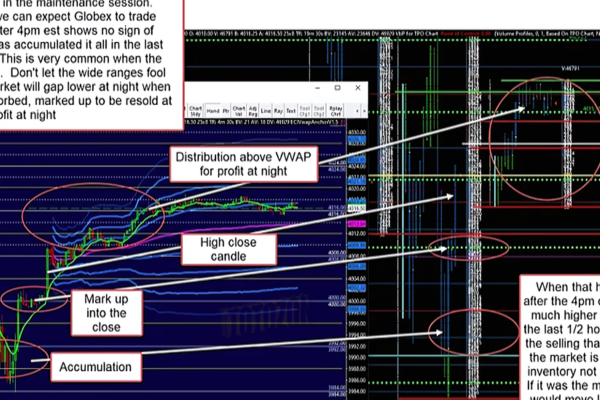 JJ Dream Team Workshop Training Full Course
1 × $55.00
JJ Dream Team Workshop Training Full Course
1 × $55.00 -
×
 Developing Profitable Systems from Discretionary to Mechanical with Fred Shutzman
1 × $6.00
Developing Profitable Systems from Discretionary to Mechanical with Fred Shutzman
1 × $6.00 -
×
 Learn Before you Loose
1 × $6.00
Learn Before you Loose
1 × $6.00 -
×
 The Sweep Show with Scott Pulcini Trader
1 × $23.00
The Sweep Show with Scott Pulcini Trader
1 × $23.00 -
×
 AM Trader - Strategy Training Course
1 × $23.00
AM Trader - Strategy Training Course
1 × $23.00 -
×
 Behavior and Performance of Investment Newsletter Analysts (Article) with Alok Kumar
1 × $6.00
Behavior and Performance of Investment Newsletter Analysts (Article) with Alok Kumar
1 × $6.00 -
×
 A Plan to make $3k Monthly on $25k with Short Term Trades with Dan Sheridan
1 × $23.00
A Plan to make $3k Monthly on $25k with Short Term Trades with Dan Sheridan
1 × $23.00 -
×
 SOAP. Served On A Platter CD with David Elliott
1 × $6.00
SOAP. Served On A Platter CD with David Elliott
1 × $6.00 -
×
 Dan Sheridan Delta Force
1 × $6.00
Dan Sheridan Delta Force
1 × $6.00 -
×
 Sami Abusaad Elite Mentorship
1 × $31.00
Sami Abusaad Elite Mentorship
1 × $31.00 -
×
 Successful Stock Speculation (1922) with John James
1 × $6.00
Successful Stock Speculation (1922) with John James
1 × $6.00 -
×
 Better Trading with the Guppy Multiple Moving Average WorkBook with Daryl Guppy
1 × $6.00
Better Trading with the Guppy Multiple Moving Average WorkBook with Daryl Guppy
1 × $6.00 -
×
 Trading Masterclass 2.0 with Irek Piekarski
1 × $5.00
Trading Masterclass 2.0 with Irek Piekarski
1 × $5.00 -
×
 The Bare Essentials Of Investing: Teaching The Horse To Talk with Harold Bierman
1 × $6.00
The Bare Essentials Of Investing: Teaching The Horse To Talk with Harold Bierman
1 × $6.00 -
×
 Trading Calendar Spreads with Option Pit
1 × $39.00
Trading Calendar Spreads with Option Pit
1 × $39.00 -
×
 ValueCharts Ultimate Bundle with Base Camp Trading
1 × $54.00
ValueCharts Ultimate Bundle with Base Camp Trading
1 × $54.00 -
×
 Butterfly and Condor Workshop with Aeromir
1 × $15.00
Butterfly and Condor Workshop with Aeromir
1 × $15.00 -
×
 7 Things You MUST Know about Forex Candlesticks
1 × $4.00
7 Things You MUST Know about Forex Candlesticks
1 × $4.00 -
×
 Applied Portfolio Management with Catherine Shenoy
1 × $6.00
Applied Portfolio Management with Catherine Shenoy
1 × $6.00 -
×
 Beginners Guide To Technical Analysis with Henry Gambell
1 × $15.00
Beginners Guide To Technical Analysis with Henry Gambell
1 × $15.00 -
×
 Trading in the Bluff with John Templeton
1 × $6.00
Trading in the Bluff with John Templeton
1 × $6.00 -
×
 Defending Options with Simpler Options
1 × $6.00
Defending Options with Simpler Options
1 × $6.00 -
×
 The LP Trading Course
1 × $13.00
The LP Trading Course
1 × $13.00 -
×
 Evidence Based Technical Analysis with David Aronson
1 × $6.00
Evidence Based Technical Analysis with David Aronson
1 × $6.00 -
×
 The Bond Book (2nd Ed.) with Annette Thau
1 × $6.00
The Bond Book (2nd Ed.) with Annette Thau
1 × $6.00 -
×
 Matrix Spread Options Trading Course with Base Camp Trading
1 × $31.00
Matrix Spread Options Trading Course with Base Camp Trading
1 × $31.00 -
×
 Supply and Demand Video Course with JamesFXS
1 × $13.00
Supply and Demand Video Course with JamesFXS
1 × $13.00 -
×
 Guide to Winning with Automated Trading Systems with Jack Schwager
1 × $6.00
Guide to Winning with Automated Trading Systems with Jack Schwager
1 × $6.00 -
×
 Market Magic: Riding the Greatest Bull Market of the Century with Louise Yamada
1 × $6.00
Market Magic: Riding the Greatest Bull Market of the Century with Louise Yamada
1 × $6.00 -
×
 All Access Online Trading Course with Steve Luke
1 × $6.00
All Access Online Trading Course with Steve Luke
1 × $6.00 -
×
 A Complete Guide to Technical Trading Tactics with John Person
1 × $6.00
A Complete Guide to Technical Trading Tactics with John Person
1 × $6.00 -
×
 Chart Analysis Boot Camp Course Webinar with Mike Albright
1 × $6.00
Chart Analysis Boot Camp Course Webinar with Mike Albright
1 × $6.00 -
×
 Profit Trading VIX Options Course with Don Kaufman
1 × $6.00
Profit Trading VIX Options Course with Don Kaufman
1 × $6.00 -
×
 Algo Trading Masterclass with Ali Casey - StatOasis
1 × $23.00
Algo Trading Masterclass with Ali Casey - StatOasis
1 × $23.00 -
×
 WondaFX Signature Strategy with WondaFX
1 × $5.00
WondaFX Signature Strategy with WondaFX
1 × $5.00 -
×
 A Process for Prudential Institutional Investment with Bancroft, Caldwell, McSweeny
1 × $6.00
A Process for Prudential Institutional Investment with Bancroft, Caldwell, McSweeny
1 × $6.00 -
×
 T. Harv Eker’s All-Access
1 × $39.00
T. Harv Eker’s All-Access
1 × $39.00 -
×
 The Logical Trader: Applying a Method to the Madness with Mark Fisher
1 × $6.00
The Logical Trader: Applying a Method to the Madness with Mark Fisher
1 × $6.00 -
×
 The Indices Orderflow Masterclass with The Forex Scalpers
1 × $23.00
The Indices Orderflow Masterclass with The Forex Scalpers
1 × $23.00

The Telecoms Trade War with Mark Naftel
$6.00
File Size: Coming soon!
Delivery Time: 1–12 hours
Media Type: Online Course
Content Proof: Watch Here!
You may check content proof of “The Telecoms Trade War with Mark Naftel” below:

The Telecoms Trade War with Mark Naftel
In the global economy, the telecom industry stands as a pillar of innovation and connectivity. However, this crucial sector has become the battlefield for a complex trade war. Mark Naftel, a renowned expert in telecommunications law and policy, provides an in-depth analysis of this conflict and its far-reaching implications. Let’s explore the intricacies of the telecoms trade war and how it affects businesses, governments, and consumers worldwide.
Introduction to Mark Naftel
Who is Mark Naftel?
Mark Naftel is a distinguished telecommunications lawyer and author with extensive experience in international telecom policy. His insights into regulatory frameworks and market dynamics are highly regarded in the industry.
Naftel’s Expertise
Naftel’s work focuses on navigating the legal and economic landscapes of the telecom sector, making him a key figure in understanding the ongoing trade war.
Understanding the Telecoms Trade War
What is the Telecoms Trade War?
The telecoms trade war refers to the escalating tensions between major global powers, particularly the US and China, over control and influence in the telecommunications industry. This conflict involves disputes over technology, market access, and national security.
Key Players in the Conflict
- United States: Advocates for open markets and security concerns regarding foreign technology.
- China: Seeks to expand its telecom infrastructure and influence globally.
- European Union: Struggles to balance economic ties with both the US and China.
Roots of the Conflict
Historical Context
Early Competition
The rivalry began as telecom companies from different countries started competing for dominance in global markets.
Rise of 5G Technology
The advent of 5G technology intensified the competition, with each nation striving to lead in this revolutionary development.
Economic and Political Factors
Market Control
Control over telecom infrastructure translates to significant economic power, influencing global trade and politics.
National Security Concerns
Nations fear that foreign telecom equipment could be used for espionage, leading to stricter regulations and bans on certain technologies.
Major Events in the Telecoms Trade War
Huawei Ban
US Actions
The US has banned Huawei, a leading Chinese telecom company, from its markets, citing security threats.
Global Impact
Many other countries followed suit, leading to significant disruptions in Huawei’s operations.
Tariffs and Trade Barriers
Imposition of Tariffs
Both the US and China have imposed tariffs on telecom equipment, increasing costs for businesses and consumers.
Retaliatory Measures
China has retaliated with its own set of tariffs and restrictions, further escalating the trade war.
Implications for the Telecom Industry
Impact on Innovation
Slowed Progress
The trade war hampers innovation as companies face increased costs and regulatory hurdles.
Fragmented Markets
Markets are becoming fragmented, with countries favoring domestic technologies over international cooperation.
Financial Consequences
Increased Costs
Tariffs and restrictions lead to higher costs for telecom companies, which are often passed on to consumers.
Investment Uncertainty
Uncertainty over trade policies makes it difficult for companies to plan long-term investments.
Strategic Responses
Diversification of Supply Chains
Reducing Dependence
Companies are diversifying their supply chains to reduce dependence on any single country.
Building Local Capabilities
There is a push to develop local manufacturing and R&D capabilities to mitigate risks.
Enhanced Cybersecurity Measures
Strengthening Defenses
Firms are investing in cybersecurity to protect their networks from potential threats.
Compliance with Regulations
Adhering to national and international regulations is crucial to maintaining market access.
Consumer Impact
Higher Prices
Increased Costs for Devices
Consumers face higher prices for telecom devices due to increased production costs.
Reduced Access to Technology
Trade barriers can limit access to the latest technologies and innovations.
Data Privacy Concerns
Security of Personal Information
With growing concerns over data privacy, consumers demand stronger protections for their personal information.
Regulatory Compliance
Telecom companies must comply with stringent data protection regulations to gain consumer trust.
Future Outlook
Potential Resolutions
Bilateral Agreements
Countries may negotiate bilateral agreements to ease trade tensions and foster cooperation.
Global Standards
Establishing global standards for telecom technologies could help harmonize regulations and promote innovation.
Role of International Organizations
Mediation and Arbitration
International organizations like the WTO could play a role in mediating disputes and ensuring fair trade practices.
Support for Developing Nations
Assistance to developing nations in building their telecom infrastructure can promote global connectivity and economic growth.
Conclusion
The telecoms trade war, as analyzed by Mark Naftel, presents significant challenges and opportunities for the global telecom industry. By understanding the underlying issues and strategic responses, businesses and governments can navigate this complex landscape more effectively. The future of telecom hinges on cooperation, innovation, and a balanced approach to security and market access.
FAQs
1. What is the main cause of the telecoms trade war?
The main cause is the competition for control over telecom infrastructure and concerns over national security and market dominance.
2. How does the trade war affect telecom innovation?
The trade war slows innovation by increasing costs and creating regulatory barriers, leading to fragmented markets.
3. Why is Huawei significant in the telecoms trade war?
Huawei is a leading Chinese telecom company targeted by the US and other countries over security concerns, making it a central figure in the conflict.
4. What can telecom companies do to mitigate trade war risks?
Companies can diversify their supply chains, invest in local capabilities, and enhance cybersecurity measures to reduce risks.
5. How does the trade war impact consumers?
Consumers face higher prices for telecom devices and potential limitations on access to new technologies due to increased costs and trade barriers.
Be the first to review “The Telecoms Trade War with Mark Naftel”
You must be logged in to post a review.
Related products

Original price was: $997.00.$13.00Current price is: $13.00.

Forex Trading
Original price was: $239.00.$8.00Current price is: $8.00.

Forex Trading
Original price was: $249.00.$15.00Current price is: $15.00.

Forex Trading
Original price was: $697.00.$5.00Current price is: $5.00.
Forex Trading
Original price was: $550.00.$5.00Current price is: $5.00.

Forex Trading
Original price was: $4,997.00.$27.00Current price is: $27.00.

Original price was: $700.00.$39.00Current price is: $39.00.

Forex Trading
Original price was: $2,995.00.$31.00Current price is: $31.00.
Original price was: $649.00.$20.00Current price is: $20.00.
Original price was: $450.00.$23.00Current price is: $23.00.
Forex Trading
Original price was: $799.00.$15.00Current price is: $15.00.

Original price was: $2,120.00.$15.00Current price is: $15.00.

Original price was: $310.00.$23.00Current price is: $23.00.

Forex Trading
Original price was: $999.00.$15.00Current price is: $15.00.
Forex Trading
Original price was: $2,000.00.$23.00Current price is: $23.00.

Original price was: $1,849.00.$15.00Current price is: $15.00.

Original price was: $497.00.$11.00Current price is: $11.00.

Forex Trading
Original price was: $850.00.$23.00Current price is: $23.00.

Original price was: $139.00.$23.00Current price is: $23.00.
Original price was: $497.00.$31.00Current price is: $31.00.

Reviews
There are no reviews yet.