
-
×
 The Indices Orderflow Masterclass with The Forex Scalpers
1 × $23.00
The Indices Orderflow Masterclass with The Forex Scalpers
1 × $23.00 -
×
 The A14 Weekly Option Strategy Workshop with Amy Meissner
1 × $23.00
The A14 Weekly Option Strategy Workshop with Amy Meissner
1 × $23.00 -
×
 Sacredscience - W.F.Whitehead – Occultism Simplified
1 × $6.00
Sacredscience - W.F.Whitehead – Occultism Simplified
1 × $6.00 -
×
 Divorcing the Dow: Using Revolutionary Market Indicators to Profit from the Stealth Boom Ahead - Jim Troup & Sharon Michalsky
1 × $6.00
Divorcing the Dow: Using Revolutionary Market Indicators to Profit from the Stealth Boom Ahead - Jim Troup & Sharon Michalsky
1 × $6.00 -
×
 Better Trading with the Guppy Multiple Moving Average by Daryl Guppy
1 × $6.00
Better Trading with the Guppy Multiple Moving Average by Daryl Guppy
1 × $6.00 -
×
 Trading Strategies for Capital Markets with Joseph Benning
1 × $6.00
Trading Strategies for Capital Markets with Joseph Benning
1 × $6.00 -
×
 The Crypto Code with Joel Peterson - Adam Short
1 × $15.00
The Crypto Code with Joel Peterson - Adam Short
1 × $15.00 -
×
 All Candlestick Patterns Tested And Ranked with Quantified Strategies
1 × $8.00
All Candlestick Patterns Tested And Ranked with Quantified Strategies
1 × $8.00 -
×
 Super CD Companion for Metastock with Martin Pring
1 × $6.00
Super CD Companion for Metastock with Martin Pring
1 × $6.00 -
×
 Trading Masterclass POTM + PFTM + PTMI with Anton Kreil
1 × $6.00
Trading Masterclass POTM + PFTM + PTMI with Anton Kreil
1 × $6.00 -
×
 Essentials in Quantitative Trading QT01 By HangukQuant's
1 × $23.00
Essentials in Quantitative Trading QT01 By HangukQuant's
1 × $23.00 -
×
 Electronic Trading "TNT" II How - To Win Trading Stuff with Joe Ross & Mark Cherlin
1 × $6.00
Electronic Trading "TNT" II How - To Win Trading Stuff with Joe Ross & Mark Cherlin
1 × $6.00 -
×
 Traders Secret Success Package. Symmetry Wave Trading with Michael Gur Dillon
1 × $6.00
Traders Secret Success Package. Symmetry Wave Trading with Michael Gur Dillon
1 × $6.00 -
×
 A Really Friendly Guide to Wavelets with C.Vallens
1 × $6.00
A Really Friendly Guide to Wavelets with C.Vallens
1 × $6.00 -
×
 Optionetics 2007 - Home Study Course, MP3
1 × $6.00
Optionetics 2007 - Home Study Course, MP3
1 × $6.00 -
×
 The Raptor 10 Momentum Methodology Course
1 × $6.00
The Raptor 10 Momentum Methodology Course
1 × $6.00 -
×
 Cyber Trading University - Power Trading 7 CD
1 × $8.00
Cyber Trading University - Power Trading 7 CD
1 × $8.00 -
×
 Advanced Bond Trading Course
1 × $62.00
Advanced Bond Trading Course
1 × $62.00 -
×
 A Course in Trading with Donald Mack & Wetsel Market Bureau
1 × $6.00
A Course in Trading with Donald Mack & Wetsel Market Bureau
1 × $6.00 -
×
 Build A Solid Foundation For Trading Options with Corey Halliday
1 × $6.00
Build A Solid Foundation For Trading Options with Corey Halliday
1 × $6.00 -
×
 Commodities Rising: The Reality Behind the Hype and How To Really Profit in the Commodities Market - Jeffrey Christian
1 × $6.00
Commodities Rising: The Reality Behind the Hype and How To Really Profit in the Commodities Market - Jeffrey Christian
1 × $6.00 -
×
 DaVinci FX Course
1 × $6.00
DaVinci FX Course
1 × $6.00 -
×
 Scanning For Gold with Doug Sutton
1 × $6.00
Scanning For Gold with Doug Sutton
1 × $6.00 -
×
 Trading Natural Resources in a Volatile Market with Kevin Kerr
1 × $6.00
Trading Natural Resources in a Volatile Market with Kevin Kerr
1 × $6.00 -
×
 EasyLanguage Home Study Course PDF Book + CD
1 × $6.00
EasyLanguage Home Study Course PDF Book + CD
1 × $6.00 -
×
 Matrix Spread Options Trading Course with Base Camp Trading
1 × $31.00
Matrix Spread Options Trading Course with Base Camp Trading
1 × $31.00 -
×
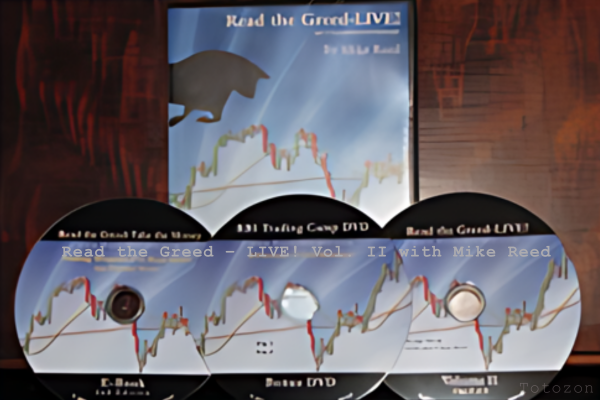 Read the Greed – LIVE!: Vol. II with Mike Reed
1 × $6.00
Read the Greed – LIVE!: Vol. II with Mike Reed
1 × $6.00 -
×
 Marder Videos Reports 2019 with Kevin Marder
1 × $34.00
Marder Videos Reports 2019 with Kevin Marder
1 × $34.00 -
×
 Candlesticks Explained with Martin Pring
1 × $6.00
Candlesticks Explained with Martin Pring
1 × $6.00 -
×
 Kaizen On-Demand By Candle Charts
1 × $6.00
Kaizen On-Demand By Candle Charts
1 × $6.00 -
×
 Principles of Artificial Neural Networks (2nd Ed.) with Daniel Graupe
1 × $6.00
Principles of Artificial Neural Networks (2nd Ed.) with Daniel Graupe
1 × $6.00 -
×
 The Mathematics of Technical Analysis with Clifford Sherry
1 × $6.00
The Mathematics of Technical Analysis with Clifford Sherry
1 × $6.00 -
×
 Advanced Price Action Course with Chris Capre
1 × $7.00
Advanced Price Action Course with Chris Capre
1 × $7.00 -
×
 Sang Lucci Master Course 2021 with Sang Lucci
1 × $6.00
Sang Lucci Master Course 2021 with Sang Lucci
1 × $6.00 -
×
 Advanced Management Strategies - Home Study with Pristine Capital
1 × $27.00
Advanced Management Strategies - Home Study with Pristine Capital
1 × $27.00 -
×
 E-mini Weekly Options Income with Peter Titus
1 × $15.00
E-mini Weekly Options Income with Peter Titus
1 × $15.00 -
×
 CFA Level 1 - Schweser Study Notes 2006 (schweser.com)
1 × $6.00
CFA Level 1 - Schweser Study Notes 2006 (schweser.com)
1 × $6.00 -
×
 Time Factors in the Stock Market
1 × $6.00
Time Factors in the Stock Market
1 × $6.00 -
×
 RadioActive Trading Home Study Kit with Power Options
1 × $31.00
RadioActive Trading Home Study Kit with Power Options
1 × $31.00 -
×
 Trade Execution with Yuri Shramenko
1 × $6.00
Trade Execution with Yuri Shramenko
1 × $6.00 -
×
 EURUSD Trading System with CopperChips
1 × $6.00
EURUSD Trading System with CopperChips
1 × $6.00 -
×
 Wyckoff 2.0: Structures, Volume Profile and Order Flow (Trading and Investing Course: Advanced Technical Analysis) by Rubén Villahermosa
1 × $5.00
Wyckoff 2.0: Structures, Volume Profile and Order Flow (Trading and Investing Course: Advanced Technical Analysis) by Rubén Villahermosa
1 × $5.00 -
×
 The Liquidity Theory of Asset Prices with Gordon Pepper & Michael Oliver
1 × $6.00
The Liquidity Theory of Asset Prices with Gordon Pepper & Michael Oliver
1 × $6.00 -
×
 The Complete Guide to Option Selling, 2nd 2009 with James Cordier & Michael Gross
1 × $6.00
The Complete Guide to Option Selling, 2nd 2009 with James Cordier & Michael Gross
1 × $6.00 -
×
 ALGO™ Online Retail - Version 2.9
1 × $155.00
ALGO™ Online Retail - Version 2.9
1 × $155.00 -
×
 A Day In The Life Of A Forex Trader with Vic Noble & Shirley Hudson
1 × $23.00
A Day In The Life Of A Forex Trader with Vic Noble & Shirley Hudson
1 × $23.00 -
×
 Bubbleology: The New Science of Stock Market Winners and Losers with Kevin Hassett
1 × $6.00
Bubbleology: The New Science of Stock Market Winners and Losers with Kevin Hassett
1 × $6.00 -
×
 The LP Trading Course
1 × $13.00
The LP Trading Course
1 × $13.00 -
×
 Arcane 2.0 Course
1 × $6.00
Arcane 2.0 Course
1 × $6.00 -
×
 Reading The Tape Trade Series with CompassFX
1 × $10.00
Reading The Tape Trade Series with CompassFX
1 × $10.00 -
×
 Trade Australian Share CFDs with Brian Griffin
1 × $6.00
Trade Australian Share CFDs with Brian Griffin
1 × $6.00 -
×
 Artificial Neural Networks Technology with Dave Anderson, George McNeill
1 × $6.00
Artificial Neural Networks Technology with Dave Anderson, George McNeill
1 × $6.00 -
×
 Dan Sheridan 360 Degrees of Trading Class
1 × $6.00
Dan Sheridan 360 Degrees of Trading Class
1 × $6.00 -
×
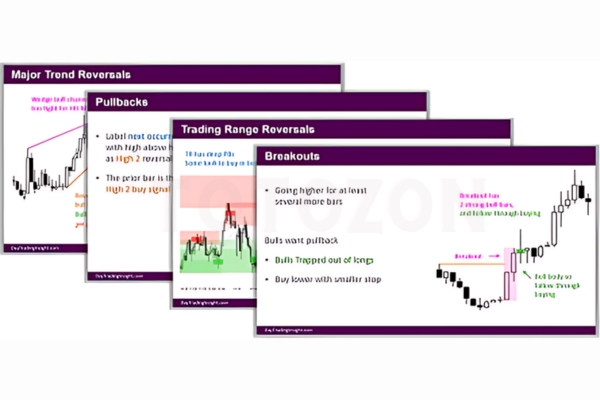 Day Trading Insight with Al Brooks
1 × $10.00
Day Trading Insight with Al Brooks
1 × $10.00 -
×
 Advanced Technical Strategies Home Study Course with T3 LIVE
1 × $31.00
Advanced Technical Strategies Home Study Course with T3 LIVE
1 × $31.00 -
×
 The Trading Vault with Anne-Marie Baiynd
1 × $54.00
The Trading Vault with Anne-Marie Baiynd
1 × $54.00 -
×
 Forex Trading for Newbies Complete Course with Chuck Low
1 × $6.00
Forex Trading for Newbies Complete Course with Chuck Low
1 × $6.00 -
×
 Expert Option Trading Course with David Vallieres & Tim Warren
1 × $23.00
Expert Option Trading Course with David Vallieres & Tim Warren
1 × $23.00 -
×
 Empirical Market Microstructure
1 × $6.00
Empirical Market Microstructure
1 × $6.00 -
×
 Unreal Series - Forex Trading Master - Surreal Abilities with Talmadge Harper - Harper Healing
1 × $8.00
Unreal Series - Forex Trading Master - Surreal Abilities with Talmadge Harper - Harper Healing
1 × $8.00 -
×
 Fx Engine Trading Course with Adeh Mirzakhani
1 × $6.00
Fx Engine Trading Course with Adeh Mirzakhani
1 × $6.00 -
×
 SWING TRADING WITH CONFIDENCE
1 × $31.00
SWING TRADING WITH CONFIDENCE
1 × $31.00 -
×
 The One Trading Secret That Could Make You Rich Inside Days
1 × $6.00
The One Trading Secret That Could Make You Rich Inside Days
1 × $6.00 -
×
 How To Read The Market Professionally with TradeSmart
1 × $27.00
How To Read The Market Professionally with TradeSmart
1 × $27.00

The Telecoms Trade War with Mark Naftel
$6.00
File Size: Coming soon!
Delivery Time: 1–12 hours
Media Type: Online Course
Content Proof: Watch Here!
You may check content proof of “The Telecoms Trade War with Mark Naftel” below:

The Telecoms Trade War with Mark Naftel
In the global economy, the telecom industry stands as a pillar of innovation and connectivity. However, this crucial sector has become the battlefield for a complex trade war. Mark Naftel, a renowned expert in telecommunications law and policy, provides an in-depth analysis of this conflict and its far-reaching implications. Let’s explore the intricacies of the telecoms trade war and how it affects businesses, governments, and consumers worldwide.
Introduction to Mark Naftel
Who is Mark Naftel?
Mark Naftel is a distinguished telecommunications lawyer and author with extensive experience in international telecom policy. His insights into regulatory frameworks and market dynamics are highly regarded in the industry.
Naftel’s Expertise
Naftel’s work focuses on navigating the legal and economic landscapes of the telecom sector, making him a key figure in understanding the ongoing trade war.
Understanding the Telecoms Trade War
What is the Telecoms Trade War?
The telecoms trade war refers to the escalating tensions between major global powers, particularly the US and China, over control and influence in the telecommunications industry. This conflict involves disputes over technology, market access, and national security.
Key Players in the Conflict
- United States: Advocates for open markets and security concerns regarding foreign technology.
- China: Seeks to expand its telecom infrastructure and influence globally.
- European Union: Struggles to balance economic ties with both the US and China.
Roots of the Conflict
Historical Context
Early Competition
The rivalry began as telecom companies from different countries started competing for dominance in global markets.
Rise of 5G Technology
The advent of 5G technology intensified the competition, with each nation striving to lead in this revolutionary development.
Economic and Political Factors
Market Control
Control over telecom infrastructure translates to significant economic power, influencing global trade and politics.
National Security Concerns
Nations fear that foreign telecom equipment could be used for espionage, leading to stricter regulations and bans on certain technologies.
Major Events in the Telecoms Trade War
Huawei Ban
US Actions
The US has banned Huawei, a leading Chinese telecom company, from its markets, citing security threats.
Global Impact
Many other countries followed suit, leading to significant disruptions in Huawei’s operations.
Tariffs and Trade Barriers
Imposition of Tariffs
Both the US and China have imposed tariffs on telecom equipment, increasing costs for businesses and consumers.
Retaliatory Measures
China has retaliated with its own set of tariffs and restrictions, further escalating the trade war.
Implications for the Telecom Industry
Impact on Innovation
Slowed Progress
The trade war hampers innovation as companies face increased costs and regulatory hurdles.
Fragmented Markets
Markets are becoming fragmented, with countries favoring domestic technologies over international cooperation.
Financial Consequences
Increased Costs
Tariffs and restrictions lead to higher costs for telecom companies, which are often passed on to consumers.
Investment Uncertainty
Uncertainty over trade policies makes it difficult for companies to plan long-term investments.
Strategic Responses
Diversification of Supply Chains
Reducing Dependence
Companies are diversifying their supply chains to reduce dependence on any single country.
Building Local Capabilities
There is a push to develop local manufacturing and R&D capabilities to mitigate risks.
Enhanced Cybersecurity Measures
Strengthening Defenses
Firms are investing in cybersecurity to protect their networks from potential threats.
Compliance with Regulations
Adhering to national and international regulations is crucial to maintaining market access.
Consumer Impact
Higher Prices
Increased Costs for Devices
Consumers face higher prices for telecom devices due to increased production costs.
Reduced Access to Technology
Trade barriers can limit access to the latest technologies and innovations.
Data Privacy Concerns
Security of Personal Information
With growing concerns over data privacy, consumers demand stronger protections for their personal information.
Regulatory Compliance
Telecom companies must comply with stringent data protection regulations to gain consumer trust.
Future Outlook
Potential Resolutions
Bilateral Agreements
Countries may negotiate bilateral agreements to ease trade tensions and foster cooperation.
Global Standards
Establishing global standards for telecom technologies could help harmonize regulations and promote innovation.
Role of International Organizations
Mediation and Arbitration
International organizations like the WTO could play a role in mediating disputes and ensuring fair trade practices.
Support for Developing Nations
Assistance to developing nations in building their telecom infrastructure can promote global connectivity and economic growth.
Conclusion
The telecoms trade war, as analyzed by Mark Naftel, presents significant challenges and opportunities for the global telecom industry. By understanding the underlying issues and strategic responses, businesses and governments can navigate this complex landscape more effectively. The future of telecom hinges on cooperation, innovation, and a balanced approach to security and market access.
FAQs
1. What is the main cause of the telecoms trade war?
The main cause is the competition for control over telecom infrastructure and concerns over national security and market dominance.
2. How does the trade war affect telecom innovation?
The trade war slows innovation by increasing costs and creating regulatory barriers, leading to fragmented markets.
3. Why is Huawei significant in the telecoms trade war?
Huawei is a leading Chinese telecom company targeted by the US and other countries over security concerns, making it a central figure in the conflict.
4. What can telecom companies do to mitigate trade war risks?
Companies can diversify their supply chains, invest in local capabilities, and enhance cybersecurity measures to reduce risks.
5. How does the trade war impact consumers?
Consumers face higher prices for telecom devices and potential limitations on access to new technologies due to increased costs and trade barriers.
Be the first to review “The Telecoms Trade War with Mark Naftel”
You must be logged in to post a review.
Related products

Forex Trading
Original price was: $2,997.00.$23.00Current price is: $23.00.

Original price was: $997.00.$8.00Current price is: $8.00.

Original price was: $997.00.$13.00Current price is: $13.00.

Original price was: $1,800.00.$54.00Current price is: $54.00.
Forex Trading
Original price was: $850.00.$23.00Current price is: $23.00.

Forex Trading
Original price was: $1,898.00.$10.00Current price is: $10.00.

Forex Trading
Original price was: $2,995.00.$31.00Current price is: $31.00.

Original price was: $895.00.$15.00Current price is: $15.00.

Forex Trading
Original price was: $697.00.$5.00Current price is: $5.00.

Original price was: $1,200.00.$23.00Current price is: $23.00.

Forex Trading
Original price was: $2,000.00.$23.00Current price is: $23.00.

Forex Trading
Quantamentals – The Next Great Forefront Of Trading and Investing with Trading Markets
Original price was: $1,495.00.$8.00Current price is: $8.00.

Original price was: $700.00.$39.00Current price is: $39.00.

Forex Trading
Original price was: $239.00.$8.00Current price is: $8.00.

Original price was: $999.00.$5.00Current price is: $5.00.

Original price was: $2,120.00.$15.00Current price is: $15.00.

Original price was: $799.00.$15.00Current price is: $15.00.

Original price was: $299.00.$8.00Current price is: $8.00.

Forex Trading
Original price was: $550.00.$5.00Current price is: $5.00.

Forex Trading
The Complete Guide to Multiple Time Frame Analysis & Reading Price Action with Aiman Almansoori
Original price was: $1,399.00.$13.00Current price is: $13.00.

Reviews
There are no reviews yet.