
-
×
 The Trading Blueprint with Brad Goh - The Trading Geek
1 × $5.00
The Trading Blueprint with Brad Goh - The Trading Geek
1 × $5.00 -
×
 Order flow self-study training program with iMFtracker
1 × $10.00
Order flow self-study training program with iMFtracker
1 × $10.00 -
×
 Options Trading & Ultimate MasterClass With Tyrone Abela - FX Evolution
1 × $54.00
Options Trading & Ultimate MasterClass With Tyrone Abela - FX Evolution
1 × $54.00 -
×
 Best of the Best: Collars with Amy Meissner & Scott Ruble
1 × $15.00
Best of the Best: Collars with Amy Meissner & Scott Ruble
1 × $15.00 -
×
 Inner Circle Course with Darius Fx
1 × $24.00
Inner Circle Course with Darius Fx
1 × $24.00 -
×
 ICT Prodigy Trading Course – $650K in Payouts with Alex Solignani
1 × $15.00
ICT Prodigy Trading Course – $650K in Payouts with Alex Solignani
1 × $15.00 -
×
 Matrix Spread Options Trading Course with Base Camp Trading
1 × $31.00
Matrix Spread Options Trading Course with Base Camp Trading
1 × $31.00 -
×
 Hedge Funds for Dummies
1 × $6.00
Hedge Funds for Dummies
1 × $6.00 -
×
 The Complete Guide to Multiple Time Frame Analysis & Reading Price Action with Aiman Almansoori
1 × $13.00
The Complete Guide to Multiple Time Frame Analysis & Reading Price Action with Aiman Almansoori
1 × $13.00 -
×
 Sovereign Man Confidential
1 × $6.00
Sovereign Man Confidential
1 × $6.00 -
×
 The Indices Orderflow Masterclass with The Forex Scalpers
1 × $23.00
The Indices Orderflow Masterclass with The Forex Scalpers
1 × $23.00 -
×
 High Probability Trading Using Elliott Wave And Fibonacci Analysis withVic Patel - Forex Training Group
1 × $10.00
High Probability Trading Using Elliott Wave And Fibonacci Analysis withVic Patel - Forex Training Group
1 × $10.00 -
×
 The A14 Weekly Option Strategy Workshop with Amy Meissner
1 × $23.00
The A14 Weekly Option Strategy Workshop with Amy Meissner
1 × $23.00 -
×
 $20 – 52k 20 pips a day challange with Rafał Zuchowicz - TopMasterTrader
1 × $5.00
$20 – 52k 20 pips a day challange with Rafał Zuchowicz - TopMasterTrader
1 × $5.00 -
×
 Ultimate Trading Course with Dodgy's Dungeon
1 × $8.00
Ultimate Trading Course with Dodgy's Dungeon
1 × $8.00 -
×
 The Orderflows Trade Opportunities Encyclopedia with Michael Valtos
1 × $8.00
The Orderflows Trade Opportunities Encyclopedia with Michael Valtos
1 × $8.00 -
×
 Essentials in Quantitative Trading QT01 By HangukQuant's
1 × $23.00
Essentials in Quantitative Trading QT01 By HangukQuant's
1 × $23.00 -
×
 Trading Short TermSame Day Trades Sep 2023 with Dan Sheridan & Mark Fenton - Sheridan Options Mentoring
1 × $31.00
Trading Short TermSame Day Trades Sep 2023 with Dan Sheridan & Mark Fenton - Sheridan Options Mentoring
1 × $31.00 -
×
 The Orderflow Masterclass with PrimeTrading
1 × $17.00
The Orderflow Masterclass with PrimeTrading
1 × $17.00 -
×
 Crystal Ball Pack PLUS bonus Live Trade By Pat Mitchell - Trick Trades
1 × $20.00
Crystal Ball Pack PLUS bonus Live Trade By Pat Mitchell - Trick Trades
1 × $20.00 -
×
 Geometry of Markets II with Bruce Gilmore
1 × $6.00
Geometry of Markets II with Bruce Gilmore
1 × $6.00 -
×
 TRADING NFX Course with Andrew NFX
1 × $5.00
TRADING NFX Course with Andrew NFX
1 × $5.00 -
×
 Vertex Investing Course
1 × $6.00
Vertex Investing Course
1 × $6.00 -
×
 How To Read The Market Professionally with TradeSmart
1 × $27.00
How To Read The Market Professionally with TradeSmart
1 × $27.00 -
×
 ICT Mastery with Casper SMC
1 × $14.00
ICT Mastery with Casper SMC
1 × $14.00 -
×
 Scalp Strategy and Flipping Small Accounts with Opes Trading Group
1 × $5.00
Scalp Strategy and Flipping Small Accounts with Opes Trading Group
1 × $5.00 -
×
 Quantamentals - The Next Great Forefront Of Trading and Investing with Trading Markets
1 × $8.00
Quantamentals - The Next Great Forefront Of Trading and Investing with Trading Markets
1 × $8.00 -
×
 Algo Trading Masterclass with Ali Casey - StatOasis
1 × $23.00
Algo Trading Masterclass with Ali Casey - StatOasis
1 × $23.00 -
×
 A New Look at Exit Strategies with Charles LeBeau
1 × $6.00
A New Look at Exit Strategies with Charles LeBeau
1 × $6.00 -
×
 Bond Market Course with The Macro Compass
1 × $15.00
Bond Market Course with The Macro Compass
1 × $15.00 -
×
 Deep Dive Butterfly Trading Strategy Class with SJG Trades
1 × $41.00
Deep Dive Butterfly Trading Strategy Class with SJG Trades
1 × $41.00 -
×
 White Phoenix’s The Smart (Money) Approach to Trading with Jayson Casper
1 × $39.00
White Phoenix’s The Smart (Money) Approach to Trading with Jayson Casper
1 × $39.00 -
×
 Crypto Trading Academy with Cheeky Investor - Aussie Day Trader
1 × $13.00
Crypto Trading Academy with Cheeky Investor - Aussie Day Trader
1 × $13.00 -
×
 Uncover Resilient Stocks in Today’s Market with Peter Worden
1 × $6.00
Uncover Resilient Stocks in Today’s Market with Peter Worden
1 × $6.00 -
×
 Compass Trading System with Right Line Trading
1 × $39.00
Compass Trading System with Right Line Trading
1 × $39.00 -
×
 Home Run Options Trading Course with Dave Aquino - Base Camp Trading
1 × $11.00
Home Run Options Trading Course with Dave Aquino - Base Camp Trading
1 × $11.00 -
×
 Advanced Spread Trading with Guy Bower - MasterClass Trader
1 × $15.00
Advanced Spread Trading with Guy Bower - MasterClass Trader
1 × $15.00 -
×
 The Best Option Trading Course with David Jaffee - Best Stock Strategy
1 × $15.00
The Best Option Trading Course with David Jaffee - Best Stock Strategy
1 × $15.00 -
×
 0 DTE Options Trading Workshop with Aeromir Corporation
1 × $15.00
0 DTE Options Trading Workshop with Aeromir Corporation
1 × $15.00 -
×
 Butterfly and Condor Workshop with Aeromir
1 × $15.00
Butterfly and Condor Workshop with Aeromir
1 × $15.00 -
×
 Currency Trading Seminar with Peter Bain
1 × $6.00
Currency Trading Seminar with Peter Bain
1 × $6.00 -
×
 Gann Course (Video & Audio 1.1 GB)
1 × $6.00
Gann Course (Video & Audio 1.1 GB)
1 × $6.00 -
×
 TradeCraft: Your Path to Peak Performance Trading By Adam Grimes
1 × $15.00
TradeCraft: Your Path to Peak Performance Trading By Adam Grimes
1 × $15.00 -
×
 How to Profit in Gold with Jonathan Spall
1 × $6.00
How to Profit in Gold with Jonathan Spall
1 × $6.00 -
×
 How To Create Your Own Trading Strategy with Simon Klein - Trade Smart
1 × $5.00
How To Create Your Own Trading Strategy with Simon Klein - Trade Smart
1 × $5.00 -
×
 Weekly Options Boot Camp with Price Headley
1 × $15.00
Weekly Options Boot Camp with Price Headley
1 × $15.00 -
×
 AI For Traders with Trading Markets
1 × $31.00
AI For Traders with Trading Markets
1 × $31.00 -
×
 W. D Gann 's Square Of 9 Applied To Modern Markets with Sean Avidar - Hexatrade350
1 × $23.00
W. D Gann 's Square Of 9 Applied To Modern Markets with Sean Avidar - Hexatrade350
1 × $23.00 -
×
 The Prop Trading Code with Brannigan Barrett - Axia Futures
1 × $23.00
The Prop Trading Code with Brannigan Barrett - Axia Futures
1 × $23.00 -
×
 How to Invest in ETFs By The Investors Podcast
1 × $6.00
How to Invest in ETFs By The Investors Podcast
1 × $6.00 -
×
 Access All Areas with Marwood Research
1 × $54.00
Access All Areas with Marwood Research
1 × $54.00 -
×
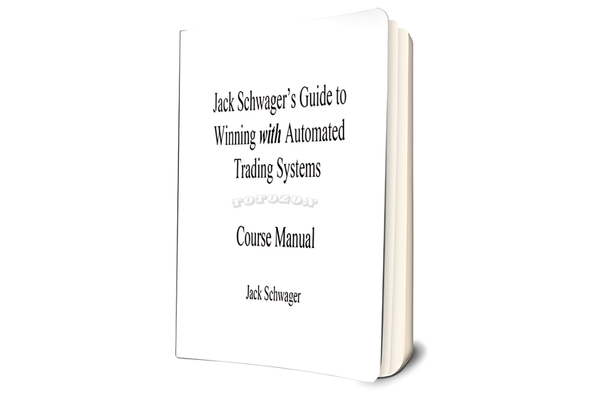 Guide to Winning with Automated Trading Systems with Jack Schwager
1 × $6.00
Guide to Winning with Automated Trading Systems with Jack Schwager
1 × $6.00 -
×
 How to Create Better Trading Opportunities through Hedging with Jon Najarian
1 × $6.00
How to Create Better Trading Opportunities through Hedging with Jon Najarian
1 × $6.00 -
×
 How To Read The Trend (Recorded Session) with TradeSmart
1 × $31.00
How To Read The Trend (Recorded Session) with TradeSmart
1 × $31.00 -
×
 Advanced Gap Trading Strategies with Master Trader
1 × $31.00
Advanced Gap Trading Strategies with Master Trader
1 × $31.00 -
×
 All Time High Trading Course with TRADEVERSITY
1 × $5.00
All Time High Trading Course with TRADEVERSITY
1 × $5.00 -
×
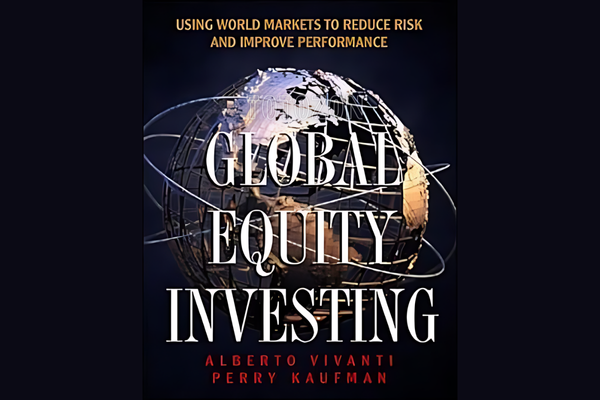 Global Equity Investing By Alberto Vivanti & Perry Kaufman
1 × $6.00
Global Equity Investing By Alberto Vivanti & Perry Kaufman
1 × $6.00 -
×
 Advanced Iron Condors, Trading Concepts with Todd Mitchell
1 × $31.00
Advanced Iron Condors, Trading Concepts with Todd Mitchell
1 × $31.00 -
×
 Humbled Trader Academy
1 × $5.00
Humbled Trader Academy
1 × $5.00 -
×
 How To Be a Profitable Forex Trader with Corey Halliday
1 × $6.00
How To Be a Profitable Forex Trader with Corey Halliday
1 × $6.00 -
×
 Ichimoku Cloud Trading System Class with Jeff Bierman
1 × $6.00
Ichimoku Cloud Trading System Class with Jeff Bierman
1 × $6.00 -
×
 Forty Cents for Financial Freedom with Darlene Nelson
1 × $6.00
Forty Cents for Financial Freedom with Darlene Nelson
1 × $6.00 -
×
 Indicator Effectiveness Testing & System Creation with David Vomund
1 × $6.00
Indicator Effectiveness Testing & System Creation with David Vomund
1 × $6.00 -
×
 WondaFX Signature Strategy with WondaFX
1 × $5.00
WondaFX Signature Strategy with WondaFX
1 × $5.00 -
×
 Weekly Options Trading Advantage Class with Doc Severson
1 × $6.00
Weekly Options Trading Advantage Class with Doc Severson
1 × $6.00 -
×
 Advanced Forex Mastery Course with Alpha Forex Global
1 × $5.00
Advanced Forex Mastery Course with Alpha Forex Global
1 × $5.00 -
×
 FOUS4 with Cameron Fous
1 × $5.00
FOUS4 with Cameron Fous
1 × $5.00 -
×
 The Naked Eye: Raw Data Analytics with Edgar Torres - Raw Data Analytics
1 × $8.00
The Naked Eye: Raw Data Analytics with Edgar Torres - Raw Data Analytics
1 × $8.00 -
×
 From Walden to Wall Street: Frontiers of Conservation Finance with James Levitt
1 × $6.00
From Walden to Wall Street: Frontiers of Conservation Finance with James Levitt
1 × $6.00 -
×
 Getting Started in Forex Trading Strategies with Michael Duane Archer
1 × $6.00
Getting Started in Forex Trading Strategies with Michael Duane Archer
1 × $6.00 -
×
 Hiden Collective Factors in Speculative Trading with Bertrand Roehner
1 × $6.00
Hiden Collective Factors in Speculative Trading with Bertrand Roehner
1 × $6.00 -
×
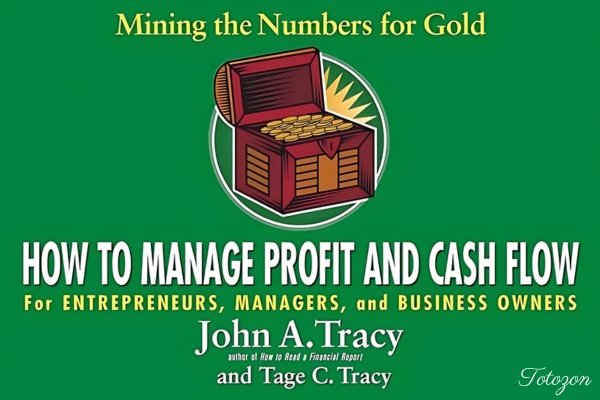 How to Manage Profit and Cash Flow: Mining the Numbers for Gold with John Tracy & Tage Tracy
1 × $6.00
How to Manage Profit and Cash Flow: Mining the Numbers for Gold with John Tracy & Tage Tracy
1 × $6.00 -
×
 How to Collect Income Being Short with Don Kaufman
1 × $6.00
How to Collect Income Being Short with Don Kaufman
1 × $6.00 -
×
 Forecast 2024 Clarification with Larry Williams
1 × $15.00
Forecast 2024 Clarification with Larry Williams
1 × $15.00 -
×
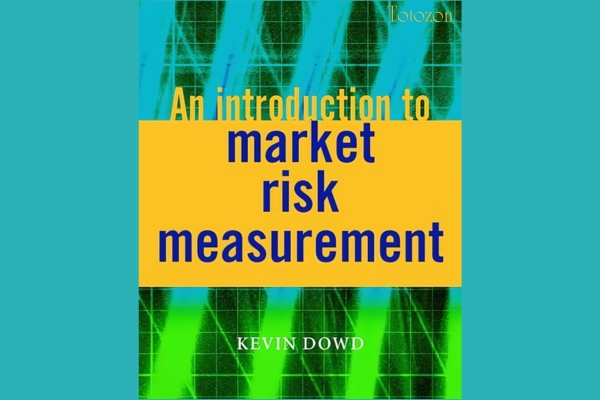 An Introduction to Market Risk Measurement with Kevin Dowd
1 × $6.00
An Introduction to Market Risk Measurement with Kevin Dowd
1 × $6.00 -
×
 Hedged Strategy Series in Volatile Markets All 4 with Dan Sheridan
1 × $15.00
Hedged Strategy Series in Volatile Markets All 4 with Dan Sheridan
1 × $15.00 -
×
 SQX Mentorship with Tip Toe Hippo
1 × $23.00
SQX Mentorship with Tip Toe Hippo
1 × $23.00 -
×
 Heiken Ashi 101
1 × $15.00
Heiken Ashi 101
1 × $15.00 -
×
 How to Use Gann Techniques to Implement a Trading System
1 × $6.00
How to Use Gann Techniques to Implement a Trading System
1 × $6.00

Technical Indicators that Really Work with M.Larson
$6.00
File Size: Coming soon!
Delivery Time: 1–12 hours
Media Type: Online Course
Content Proof: Watch Here!
You may check content proof of “Technical Indicators that Really Work with M.Larson” below:

Technical Indicators that Really Work with M. Larson
Introduction to Technical Indicators
In the world of trading, technical indicators are invaluable tools for analyzing market trends and making informed decisions. M. Larson, a renowned expert in the field, has identified several indicators that consistently deliver reliable results. In this article, we’ll explore these indicators, their applications, and how they can enhance your trading strategy.
Understanding Technical Indicators
What are Technical Indicators?
Technical indicators are mathematical calculations based on historical price, volume, or open interest data. They help traders identify market patterns, trends, and potential reversals.
Why Use Technical Indicators?
Using technical indicators can provide insights into market behavior that might not be apparent through price analysis alone. They offer a systematic approach to trading, reducing the reliance on guesswork.
M. Larson’s Top Technical Indicators
Moving Averages
Simple Moving Average (SMA)
The Simple Moving Average calculates the average price of an asset over a specific period. It smooths out price data to help identify trends.
Exponential Moving Average (EMA)
The Exponential Moving Average gives more weight to recent prices, making it more responsive to new information compared to the SMA.
Relative Strength Index (RSI)
The RSI measures the speed and change of price movements. It oscillates between 0 and 100, indicating overbought conditions above 70 and oversold conditions below 30.
Moving Average Convergence Divergence (MACD)
The MACD is a trend-following momentum indicator that shows the relationship between two moving averages of a security’s price. It includes the MACD line, signal line, and histogram.
Bollinger Bands
Bollinger Bands consist of a middle band (SMA) and two outer bands that represent standard deviations. They help identify overbought and oversold conditions and gauge market volatility.
Stochastic Oscillator
The Stochastic Oscillator compares a security’s closing price to its price range over a specific period. It ranges from 0 to 100, indicating overbought conditions above 80 and oversold conditions below 20.
Average True Range (ATR)
The ATR measures market volatility by analyzing the range of price movements over a specific period. It helps traders understand the level of price volatility and set appropriate stop-loss levels.
Applying Technical Indicators in Trading
Trend Identification
Using indicators like moving averages and MACD, traders can identify the direction of the market trend. This helps in making decisions aligned with the market’s movement.
Entry and Exit Points
Indicators such as RSI and Stochastic Oscillator are useful for pinpointing optimal entry and exit points by highlighting overbought and oversold conditions.
Volatility Assessment
Bollinger Bands and ATR provide insights into market volatility, aiding traders in adjusting their strategies accordingly.
Combining Indicators
Combining multiple indicators can provide a more comprehensive analysis. For example, using RSI with Bollinger Bands can validate signals and reduce false positives.
Benefits of Using Technical Indicators
Enhanced Decision-Making
Technical indicators provide objective data that enhance decision-making, reducing emotional bias in trading.
Improved Risk Management
Indicators like ATR help in setting stop-loss orders and managing risk effectively by understanding market volatility.
Increased Confidence
By relying on proven indicators, traders can gain confidence in their strategies and execution.
Common Mistakes to Avoid
Overcomplicating Analysis
Using too many indicators can lead to analysis paralysis. Focus on a few key indicators that complement each other.
Ignoring the Big Picture
While indicators are useful, it’s important to consider broader market trends and fundamental analysis.
Overreliance on Indicators
Indicators should be part of a broader trading strategy, not the sole basis for decisions.
Case Studies: Success with Technical Indicators
Case Study 1: Trend Following with Moving Averages
A trader using moving averages identified a long-term uptrend in a stock. By entering positions aligned with the trend and using the SMA as a guide, the trader achieved consistent profits.
Case Study 2: Volatility Trading with Bollinger Bands
Another trader utilized Bollinger Bands to trade during periods of high volatility. By buying at the lower band and selling at the upper band, the trader effectively capitalized on price swings.
Practical Tips for Using Technical Indicators
Start with Basics
Begin with a few fundamental indicators like moving averages and RSI. Gradually incorporate more as you become comfortable.
Backtesting Strategies
Before applying indicators in live trading, backtest your strategies using historical data to evaluate their effectiveness.
Continuous Learning
Markets evolve, and so should your strategies. Stay updated with the latest developments and continuously refine your approach.
Conclusion
Technical indicators are powerful tools that can significantly enhance your trading strategy. M. Larson’s recommended indicators—moving averages, RSI, MACD, Bollinger Bands, Stochastic Oscillator, and ATR—provide reliable insights into market trends and potential reversals. By understanding and applying these indicators, traders can make more informed decisions, manage risks effectively, and increase their chances of success in the markets.

FAQs
1. What are technical indicators?
Technical indicators are mathematical calculations based on historical market data used to identify trends, patterns, and potential reversals in trading.
2. How can moving averages help in trading?
Moving averages smooth out price data to identify market trends. They help traders determine the direction of the trend and make informed trading decisions.
3. What is the Relative Strength Index (RSI)?
The RSI is a momentum oscillator that measures the speed and change of price movements. It indicates overbought conditions above 70 and oversold conditions below 30.
4. How do Bollinger Bands work?
Bollinger Bands consist of a middle band (SMA) and two outer bands representing standard deviations. They help identify overbought and oversold conditions and gauge market volatility.
5. Why is the Average True Range (ATR) important?
The ATR measures market volatility by analyzing the range of price movements. It helps traders set appropriate stop-loss levels and manage risk effectively.
Be the first to review “Technical Indicators that Really Work with M.Larson”
You must be logged in to post a review.
Related products
Original price was: $1,800.00.$54.00Current price is: $54.00.
Forex Trading
Original price was: $397.00.$31.00Current price is: $31.00.
Original price was: $1,849.00.$15.00Current price is: $15.00.
Forex Trading
Original price was: $797.00.$10.00Current price is: $10.00.
Forex Trading
Original price was: $697.00.$5.00Current price is: $5.00.
Original price was: $799.00.$15.00Current price is: $15.00.
Original price was: $310.00.$23.00Current price is: $23.00.
Original price was: $197.00.$5.00Current price is: $5.00.
Forex Trading
Original price was: $1,098.00.$39.00Current price is: $39.00.
Forex Trading
The Complete Guide to Multiple Time Frame Analysis & Reading Price Action with Aiman Almansoori
Original price was: $1,399.00.$13.00Current price is: $13.00.
Forex Trading
Original price was: $2,997.00.$23.00Current price is: $23.00.
Forex Trading
Original price was: $2,000.00.$23.00Current price is: $23.00.
Forex Trading
Quantamentals – The Next Great Forefront Of Trading and Investing with Trading Markets
Original price was: $1,495.00.$8.00Current price is: $8.00.
Original price was: $4,995.00.$15.00Current price is: $15.00.
Forex Trading
Original price was: $4,997.00.$27.00Current price is: $27.00.
Original price was: $450.00.$23.00Current price is: $23.00.
Original price was: $999.00.$5.00Current price is: $5.00.
Original price was: $497.00.$31.00Current price is: $31.00.
Original price was: $695.00.$41.00Current price is: $41.00.
Forex Trading
Original price was: $850.00.$23.00Current price is: $23.00.

Reviews
There are no reviews yet.