
-
×
 CarterFX Membership with Duran Carter
1 × $23.00
CarterFX Membership with Duran Carter
1 × $23.00 -
×
 4-Hour Income Strategy with Todd Mitchell & Craig Hill
1 × $62.00
4-Hour Income Strategy with Todd Mitchell & Craig Hill
1 × $62.00 -
×
 The Profit Magic of Stock Transaction Timing with J.M.Hurst
1 × $6.00
The Profit Magic of Stock Transaction Timing with J.M.Hurst
1 × $6.00 -
×
 Forex Candlestick System. High Profit Forex Trading with B.M.Davis
1 × $6.00
Forex Candlestick System. High Profit Forex Trading with B.M.Davis
1 × $6.00 -
×
 The Streetsmart Guide to Timing the Stock Market with Colin Alexander
1 × $6.00
The Streetsmart Guide to Timing the Stock Market with Colin Alexander
1 × $6.00 -
×
 The Prop Trading Code with Brannigan Barrett - Axia Futures
1 × $23.00
The Prop Trading Code with Brannigan Barrett - Axia Futures
1 × $23.00 -
×
 Four Dimensional Stock Market Structures & Cycles with Bradley Cowan
1 × $6.00
Four Dimensional Stock Market Structures & Cycles with Bradley Cowan
1 × $6.00 -
×
 Matrix Spread Options Trading Course with Base Camp Trading
1 × $31.00
Matrix Spread Options Trading Course with Base Camp Trading
1 × $31.00 -
×
 Traders Classroom Collection Volume 1-4 with Jeffrey Kennedy
1 × $15.00
Traders Classroom Collection Volume 1-4 with Jeffrey Kennedy
1 × $15.00 -
×
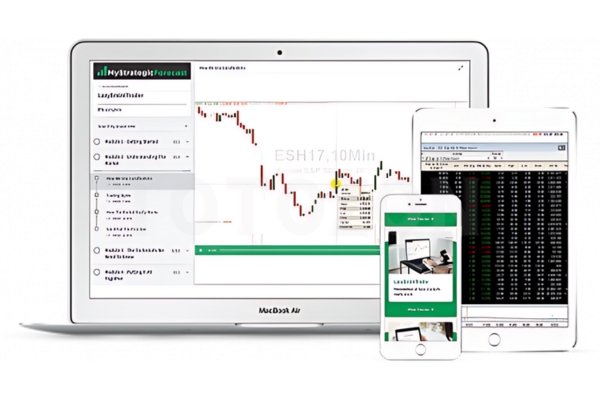 Lazy Emini Trader Master Class Course - David Frost
1 × $10.00
Lazy Emini Trader Master Class Course - David Frost
1 × $10.00 -
×
 Applying Fibonacci Analysis to Price Action
1 × $6.00
Applying Fibonacci Analysis to Price Action
1 × $6.00 -
×
 Capital Asset Investment with Anthony F.Herbst
1 × $6.00
Capital Asset Investment with Anthony F.Herbst
1 × $6.00 -
×
 PFAZoneSuite [Trading Indicator] 2017
1 × $109.00
PFAZoneSuite [Trading Indicator] 2017
1 × $109.00 -
×
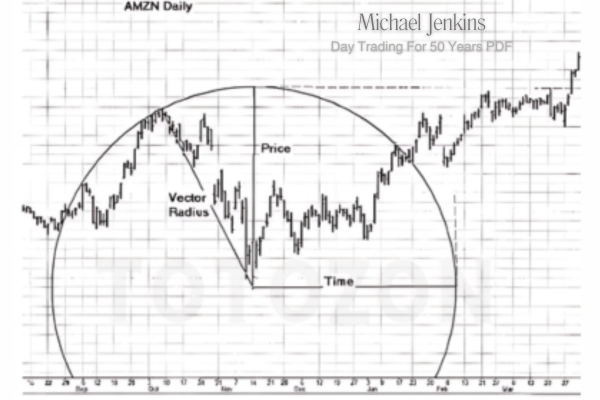 Day Trading For 50 Years PDF with Michael Jenkins
1 × $6.00
Day Trading For 50 Years PDF with Michael Jenkins
1 × $6.00 -
×
 Hedge Fund of Funds Investing with Joseph Nicholas
1 × $6.00
Hedge Fund of Funds Investing with Joseph Nicholas
1 × $6.00 -
×
 The Internet Trading Course with Alpesh Patel
1 × $6.00
The Internet Trading Course with Alpesh Patel
1 × $6.00 -
×
 Marder Videos Reports 2019-2022 with Kevin Marder
1 × $104.00
Marder Videos Reports 2019-2022 with Kevin Marder
1 × $104.00 -
×
 Starter Guide to Investing Stocks, Crypto & Precious Metals with Ryan Hogue
1 × $5.00
Starter Guide to Investing Stocks, Crypto & Precious Metals with Ryan Hogue
1 × $5.00 -
×
 Price Action Trading Manual 2010
1 × $6.00
Price Action Trading Manual 2010
1 × $6.00 -
×
 Mastering Technical Analysis with Investi Share
1 × $23.00
Mastering Technical Analysis with Investi Share
1 × $23.00 -
×
 Algo Trading Masterclass with Ali Casey - StatOasis
1 × $23.00
Algo Trading Masterclass with Ali Casey - StatOasis
1 × $23.00 -
×
 Spotting Solid Short-Term Opportunities
1 × $6.00
Spotting Solid Short-Term Opportunities
1 × $6.00 -
×
 Profit Power Seminar
1 × $23.00
Profit Power Seminar
1 × $23.00 -
×
 Commodities for Dummies with Amine Bouchentouf
1 × $6.00
Commodities for Dummies with Amine Bouchentouf
1 × $6.00 -
×
 Smart Money Concepts with MFX Trading
1 × $13.00
Smart Money Concepts with MFX Trading
1 × $13.00 -
×
 TradeCraft: Your Path to Peak Performance Trading By Adam Grimes
1 × $15.00
TradeCraft: Your Path to Peak Performance Trading By Adam Grimes
1 × $15.00 -
×
 RiskDoctor RD1 – Introduction to Options Trading the RiskDoctor Way with Charles Cottle
1 × $6.00
RiskDoctor RD1 – Introduction to Options Trading the RiskDoctor Way with Charles Cottle
1 × $6.00 -
×
 Fibonacci Trading & Dynamic Profit Targeting with Base Camp Trading
1 × $15.00
Fibonacci Trading & Dynamic Profit Targeting with Base Camp Trading
1 × $15.00 -
×
 Futures & Options for Dummies with Joe Duarte
1 × $6.00
Futures & Options for Dummies with Joe Duarte
1 × $6.00 -
×
 Pristine - Oliver Velez – Swing Trading Tactics 2001
1 × $6.00
Pristine - Oliver Velez – Swing Trading Tactics 2001
1 × $6.00 -
×
 How to Call the Top in a Stock (To the Penny!) and Earn 9-11% Annualized Cash Yields Doing It with Dan Ferris
1 × $6.00
How to Call the Top in a Stock (To the Penny!) and Earn 9-11% Annualized Cash Yields Doing It with Dan Ferris
1 × $6.00 -
×
 How To Build An Automated Trading Robot In Excel with Peter Titus - Marwood Research
1 × $15.00
How To Build An Automated Trading Robot In Excel with Peter Titus - Marwood Research
1 × $15.00 -
×
 Quantamentals - The Next Great Forefront Of Trading and Investing with Trading Markets
1 × $8.00
Quantamentals - The Next Great Forefront Of Trading and Investing with Trading Markets
1 × $8.00 -
×
 The Naked Eye: Raw Data Analytics with Edgar Torres - Raw Data Analytics
1 × $8.00
The Naked Eye: Raw Data Analytics with Edgar Torres - Raw Data Analytics
1 × $8.00 -
×
 Advanced Spread Trading with Guy Bower - MasterClass Trader
1 × $15.00
Advanced Spread Trading with Guy Bower - MasterClass Trader
1 × $15.00 -
×
 How To Read The Market Professionally with TradeSmart
1 × $27.00
How To Read The Market Professionally with TradeSmart
1 × $27.00 -
×
 Ultimate Trading Course with Dodgy's Dungeon
1 × $8.00
Ultimate Trading Course with Dodgy's Dungeon
1 × $8.00 -
×
 White Phoenix’s The Smart (Money) Approach to Trading with Jayson Casper
1 × $39.00
White Phoenix’s The Smart (Money) Approach to Trading with Jayson Casper
1 × $39.00
Essential Technical Analysis with Leigh Stevens
$6.00
File Size: Coming soon!
Delivery Time: 1–12 hours
Media Type: Online Course
Content Proof: Watch Here!
You may check content proof of “Essential Technical Analysis with Leigh Stevens” below:

Essential Technical Analysis with Leigh Stevens
In the dynamic world of financial markets, technical analysis is a crucial skill for any trader or investor. Leigh Stevens, a renowned expert in the field, provides invaluable insights into the essential aspects of technical analysis. This article delves into the fundamental principles, techniques, and tools of technical analysis, making it accessible and practical for both novice and experienced traders.
Understanding Technical Analysis
To start, let’s break down what technical analysis is and why it’s important.
What Is Technical Analysis?
- Definition: Technical analysis involves analyzing statistical trends from trading activity, such as price movement and volume.
- Purpose: The goal is to predict future price movements based on historical data.
Why Technical Analysis Matters
- Decision-Making Tool: Helps traders make informed decisions.
- Market Trends: Identifies market trends and potential reversals.
Key Concepts in Technical Analysis
Several key concepts form the foundation of technical analysis.
Price Trends
- Trend Identification: Recognizing upward, downward, and sideways trends.
- Trendlines: Drawing lines to visualize the direction of the trend.
Support and Resistance
- Support Levels: Price points where a downtrend is expected to pause due to a concentration of demand.
- Resistance Levels: Price points where an uptrend is expected to pause due to a concentration of supply.
Moving Averages
- Simple Moving Average (SMA): Calculates the average of a selected range of prices.
- Exponential Moving Average (EMA): Gives more weight to recent prices.
Technical Indicators and Tools
Leigh Stevens emphasizes the importance of various technical indicators and tools.
Relative Strength Index (RSI)
- Purpose: Measures the speed and change of price movements.
- Interpretation: Values above 70 indicate overbought conditions; below 30 indicate oversold conditions.
Moving Average Convergence Divergence (MACD)
- Components: Consists of the MACD line, signal line, and histogram.
- Usage: Identifies potential buy and sell signals.
Bollinger Bands
- Definition: Bands plotted two standard deviations away from a simple moving average.
- Application: Helps identify overbought and oversold conditions.
Chart Patterns
Understanding chart patterns is crucial for effective technical analysis.
Head and Shoulders
- Formation: Consists of a peak (head) and two smaller peaks (shoulders).
- Significance: Indicates a potential reversal in the market.
Double Top and Double Bottom
- Double Top: Two peaks at roughly the same price level, indicating a bearish reversal.
- Double Bottom: Two troughs at roughly the same price level, indicating a bullish reversal.
Triangles
- Ascending Triangle: A bullish pattern characterized by a rising lower trendline and a flat upper trendline.
- Descending Triangle: A bearish pattern characterized by a falling upper trendline and a flat lower trendline.
Volume Analysis
Volume analysis plays a critical role in confirming price trends and patterns.
Volume Indicators
- On-Balance Volume (OBV): Measures buying and selling pressure.
- Volume Oscillator: Highlights volume trends by comparing two different moving averages of volume.
Using Volume in Analysis
- Trend Confirmation: High volume can confirm the strength of a trend.
- Divergence: A discrepancy between price and volume trends can indicate potential reversals.
Applying Technical Analysis
Leigh Stevens provides practical advice on applying technical analysis in real-world trading.
Developing a Trading Plan
- Set Goals: Define your financial goals and risk tolerance.
- Choose Tools: Select the technical indicators and tools that suit your trading style.
Backtesting Strategies
- Historical Data: Test your strategies using historical market data.
- Evaluate Performance: Assess the effectiveness of your strategies before applying them in live markets.
Continuous Learning
- Stay Updated: Keep abreast of new techniques and tools in technical analysis.
- Practice Regularly: Consistent practice helps refine your skills and improve decision-making.
Conclusion
Technical analysis is an essential tool for traders and investors aiming to navigate the financial markets successfully. Leigh Stevens’ expertise in this field provides a comprehensive guide to mastering the basics and applying advanced techniques. By understanding price trends, using technical indicators, recognizing chart patterns, and analyzing volume, you can make informed trading decisions and enhance your market performance.
FAQs
1. What is the main goal of technical analysis?
The main goal of technical analysis is to predict future price movements based on historical data and market trends.
2. How do support and resistance levels help in trading?
Support and resistance levels help identify potential entry and exit points by indicating where price movements may pause or reverse.
3. What are the key differences between SMA and EMA?
The Simple Moving Average (SMA) gives equal weight to all price data, while the Exponential Moving Average (EMA) gives more weight to recent prices, making it more responsive to new information.
4. Why is volume analysis important in technical analysis?
Volume analysis confirms price trends and patterns, providing additional insight into market strength and potential reversals.
5. How can I start learning technical analysis?
Begin by studying the fundamental concepts, such as price trends, support and resistance, and key indicators. Practice with historical data and continually update your knowledge with new techniques.
Be the first to review “Essential Technical Analysis with Leigh Stevens”
You must be logged in to post a review.
Related products

Original price was: $299.00.$8.00Current price is: $8.00.

Forex Trading
Original price was: $499.00.$15.00Current price is: $15.00.

Original price was: $695.00.$41.00Current price is: $41.00.

Forex Trading
Original price was: $850.00.$23.00Current price is: $23.00.
Original price was: $997.00.$8.00Current price is: $8.00.

Forex Trading
Original price was: $697.00.$5.00Current price is: $5.00.
Forex Trading
Original price was: $4,997.00.$27.00Current price is: $27.00.

Forex Trading
Original price was: $1,098.00.$39.00Current price is: $39.00.

Forex Trading
Original price was: $397.00.$31.00Current price is: $31.00.

Original price was: $799.00.$15.00Current price is: $15.00.
Forex Trading
Original price was: $2,000.00.$23.00Current price is: $23.00.

Forex Trading
Original price was: $2,997.00.$23.00Current price is: $23.00.

Original price was: $450.00.$23.00Current price is: $23.00.

Forex Trading
Original price was: $125.00.$17.00Current price is: $17.00.
Original price was: $700.00.$39.00Current price is: $39.00.
Original price was: $4,995.00.$15.00Current price is: $15.00.

Forex Trading
Original price was: $550.00.$5.00Current price is: $5.00.
Original price was: $1,200.00.$23.00Current price is: $23.00.

Forex Trading
Original price was: $2,995.00.$31.00Current price is: $31.00.

Forex Trading
Original price was: $799.00.$15.00Current price is: $15.00.

Reviews
There are no reviews yet.