
-
×
 $20 – 52k 20 pips a day challange with Rafał Zuchowicz - TopMasterTrader
1 × $5.00
$20 – 52k 20 pips a day challange with Rafał Zuchowicz - TopMasterTrader
1 × $5.00 -
×
 The Best Option Trading Course with David Jaffee - Best Stock Strategy
1 × $15.00
The Best Option Trading Course with David Jaffee - Best Stock Strategy
1 × $15.00 -
×
 The House Always Wins with jasonbondpicks
1 × $6.00
The House Always Wins with jasonbondpicks
1 × $6.00 -
×
 Earnings Engine with Sami Abusaad - T3 Live
1 × $6.00
Earnings Engine with Sami Abusaad - T3 Live
1 × $6.00 -
×
 Foundations of Forex Trading with TradeSmart University
1 × $6.00
Foundations of Forex Trading with TradeSmart University
1 × $6.00 -
×
 The Aime Workshop with Clay Marafiote
1 × $6.00
The Aime Workshop with Clay Marafiote
1 × $6.00 -
×
 ASFX Beginner Training Course & VIP Chat with ASFX Day Trading
1 × $31.00
ASFX Beginner Training Course & VIP Chat with ASFX Day Trading
1 × $31.00 -
×
 Forex and Stocks Trading Course - Set and Forget with Alfonso Moreno
1 × $6.00
Forex and Stocks Trading Course - Set and Forget with Alfonso Moreno
1 × $6.00 -
×
 ETF Strategies & Tactics: Hedge Your Portfolio in a Changing Marke with Laurence Rosenberg
1 × $6.00
ETF Strategies & Tactics: Hedge Your Portfolio in a Changing Marke with Laurence Rosenberg
1 × $6.00 -
×
 Developing Profitable Systems from Discretionary to Mechanical with Fred Shutzman
1 × $6.00
Developing Profitable Systems from Discretionary to Mechanical with Fred Shutzman
1 × $6.00 -
×
 George Bayer Squarring the Circle for Excel
1 × $6.00
George Bayer Squarring the Circle for Excel
1 × $6.00 -
×
 Professor Jeff Bierman's 15 Class Bundle (The Professor's Package)
1 × $6.00
Professor Jeff Bierman's 15 Class Bundle (The Professor's Package)
1 × $6.00 -
×
 How to Invest in ETFs By The Investors Podcast
1 × $6.00
How to Invest in ETFs By The Investors Podcast
1 × $6.00 -
×
 F.A.M.E. Home Study Course with Doug Sutton
1 × $6.00
F.A.M.E. Home Study Course with Doug Sutton
1 × $6.00 -
×
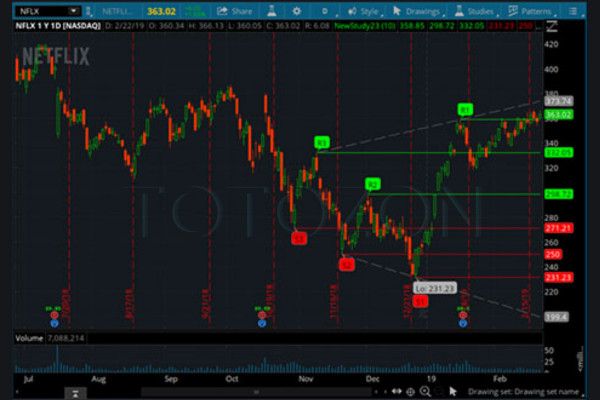 MQ Gravity Lines with Base Camp Trading
1 × $54.00
MQ Gravity Lines with Base Camp Trading
1 × $54.00 -
×
 CFA Level 2 - Examination Book Afternoon Section (1999)
1 × $6.00
CFA Level 2 - Examination Book Afternoon Section (1999)
1 × $6.00 -
×
 Reminiscences of a Stock Operator (75th Aniversary Ed.) with Edwin Lefevre
1 × $6.00
Reminiscences of a Stock Operator (75th Aniversary Ed.) with Edwin Lefevre
1 × $6.00 -
×
 Rich in America: Secrets to Creating and Preserving Wealth with Jeffrey Maurer
1 × $6.00
Rich in America: Secrets to Creating and Preserving Wealth with Jeffrey Maurer
1 × $6.00 -
×
 The Heretics of Finance with Andrew Lo & Jasmina Hasanhodzic
1 × $4.00
The Heretics of Finance with Andrew Lo & Jasmina Hasanhodzic
1 × $4.00 -
×
 ICT Mentorship – 2019
1 × $13.00
ICT Mentorship – 2019
1 × $13.00 -
×
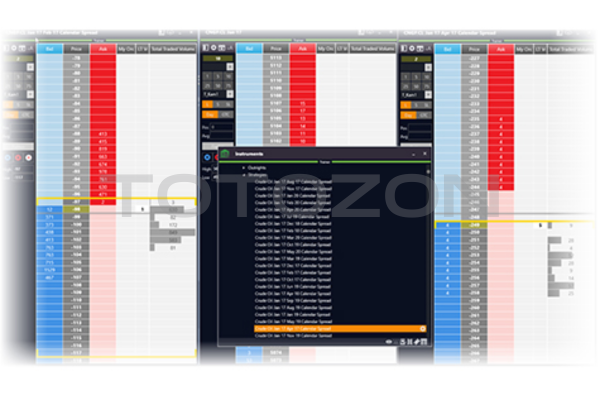 Futures Spread Trading Intro Course with Thetradingframework
1 × $6.00
Futures Spread Trading Intro Course with Thetradingframework
1 × $6.00 -
×
 Electronic Trading "TNT" I Gorilla Trading Stuff with Joe Ross & Mark Cherlin
1 × $6.00
Electronic Trading "TNT" I Gorilla Trading Stuff with Joe Ross & Mark Cherlin
1 × $6.00 -
×
 Module III - Peak Formation Trades with FX MindShift
1 × $6.00
Module III - Peak Formation Trades with FX MindShift
1 × $6.00 -
×
 Secret Forex Society Economic Reports (2006-2007) with Felix Homogratus
1 × $6.00
Secret Forex Society Economic Reports (2006-2007) with Felix Homogratus
1 × $6.00 -
×
 How To Trade The Rick Burgess Triple-Thrust Momentum Method with Rick Burgess
1 × $6.00
How To Trade The Rick Burgess Triple-Thrust Momentum Method with Rick Burgess
1 × $6.00 -
×
 Robotic trading interactive
1 × $31.00
Robotic trading interactive
1 × $31.00 -
×
 The Handbook of Commodity Investing with Frank Fabozzi, Roland Fuss & Dieter Kaiser
1 × $6.00
The Handbook of Commodity Investing with Frank Fabozzi, Roland Fuss & Dieter Kaiser
1 × $6.00 -
×
 Kaizen On-Demand By Candle Charts
1 × $6.00
Kaizen On-Demand By Candle Charts
1 × $6.00 -
×
 The Mathematics of Technical Analysis with Clifford Sherry
1 × $6.00
The Mathematics of Technical Analysis with Clifford Sherry
1 × $6.00 -
×
 Forecast 2012 Report with Larry Williams
1 × $6.00
Forecast 2012 Report with Larry Williams
1 × $6.00 -
×
 Forex Trading Like Banks - Step by Step by Live Examples with Taher Assaf
1 × $6.00
Forex Trading Like Banks - Step by Step by Live Examples with Taher Assaf
1 × $6.00 -
×
 The Market Masters: Wall Street's Top Investment Pros Reveal How to Make Money in Both Bull and Bear Markets - Kirk Kazanjian
1 × $6.00
The Market Masters: Wall Street's Top Investment Pros Reveal How to Make Money in Both Bull and Bear Markets - Kirk Kazanjian
1 × $6.00 -
×
 Rockwell Trading - Money Management - 2 DVDs
1 × $6.00
Rockwell Trading - Money Management - 2 DVDs
1 × $6.00 -
×
 TREND/REV BLOCK AND EA FOREX SYSTEM (No MT4 Indicator) with IFXSuccess
1 × $69.00
TREND/REV BLOCK AND EA FOREX SYSTEM (No MT4 Indicator) with IFXSuccess
1 × $69.00 -
×
 Dynamite TNT Forex System with Clarence Chee
1 × $6.00
Dynamite TNT Forex System with Clarence Chee
1 × $6.00 -
×
 Precision Timing Your Options Trades Using Fibonacci with Trading Analysis
1 × $15.00
Precision Timing Your Options Trades Using Fibonacci with Trading Analysis
1 × $15.00 -
×
 AI For Traders with Trading Markets
1 × $31.00
AI For Traders with Trading Markets
1 × $31.00 -
×
 Stock Investing Strategies with Maria Crawford Scott, John Bajkowski
1 × $6.00
Stock Investing Strategies with Maria Crawford Scott, John Bajkowski
1 × $6.00 -
×
 The Insured Portfolio: Your Gateway to Stress-Free Global Investments with Erika Nolan, Marc-Andre Sola & Shannon Crouch
1 × $6.00
The Insured Portfolio: Your Gateway to Stress-Free Global Investments with Erika Nolan, Marc-Andre Sola & Shannon Crouch
1 × $6.00 -
×
 Tech Stock Valuation with Mark Hirschey
1 × $6.00
Tech Stock Valuation with Mark Hirschey
1 × $6.00 -
×
 A Grand Supercycle Top Webinar with Steven Hochberg
1 × $6.00
A Grand Supercycle Top Webinar with Steven Hochberg
1 × $6.00 -
×
 Dynamic Time and Price Analysis of Market Trends with Bruce Gilmore
1 × $6.00
Dynamic Time and Price Analysis of Market Trends with Bruce Gilmore
1 × $6.00 -
×
 Game-Maker Forex Trading System
1 × $6.00
Game-Maker Forex Trading System
1 × $6.00 -
×
 Complete Guide to Online Stock Market Investing (2nd Edition) with Alexander Davidson
1 × $6.00
Complete Guide to Online Stock Market Investing (2nd Edition) with Alexander Davidson
1 × $6.00 -
×
 Football Hedging System with Tony Langley
1 × $54.00
Football Hedging System with Tony Langley
1 × $54.00 -
×
 Handbook on the Knowledge Economy with David Rooney
1 × $6.00
Handbook on the Knowledge Economy with David Rooney
1 × $6.00 -
×
 The HV7 Option Trading System with Amy Meissner – Aeromir
1 × $8.00
The HV7 Option Trading System with Amy Meissner – Aeromir
1 × $8.00 -
×
 Random Walk Trading - J.L.Lord - One Strategy for All Markets
1 × $6.00
Random Walk Trading - J.L.Lord - One Strategy for All Markets
1 × $6.00 -
×
 How to Trade a Vertical Market
1 × $93.00
How to Trade a Vertical Market
1 × $93.00 -
×
 Forex Master Method Evolution with Russ Horn
1 × $6.00
Forex Master Method Evolution with Russ Horn
1 × $6.00 -
×
 Cecil Robles Advent Forex Course & Indicators with Adventforex
1 × $6.00
Cecil Robles Advent Forex Course & Indicators with Adventforex
1 × $6.00 -
×
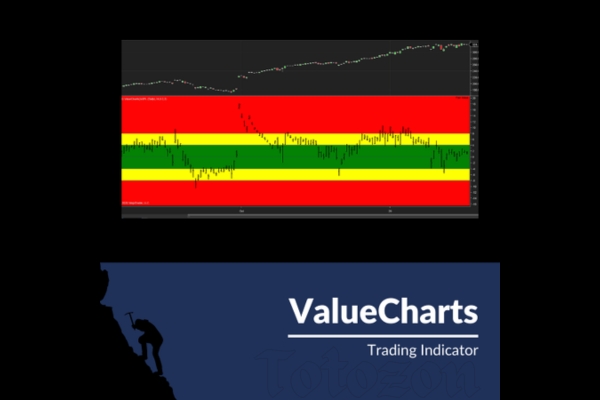 ValueCharts Ultimate Bundle with Base Camp Trading
1 × $54.00
ValueCharts Ultimate Bundle with Base Camp Trading
1 × $54.00 -
×
 Evolutionary Decision Trees for Stock Index Options and Futures Arbitrage by S.Markose, E.Tsang,H.Er
1 × $6.00
Evolutionary Decision Trees for Stock Index Options and Futures Arbitrage by S.Markose, E.Tsang,H.Er
1 × $6.00 -
×
 7 Things You MUST Know about Forex Candlesticks
1 × $4.00
7 Things You MUST Know about Forex Candlesticks
1 × $4.00 -
×
 Entries & Exits Strategy with The Chart Guys
1 × $6.00
Entries & Exits Strategy with The Chart Guys
1 × $6.00 -
×
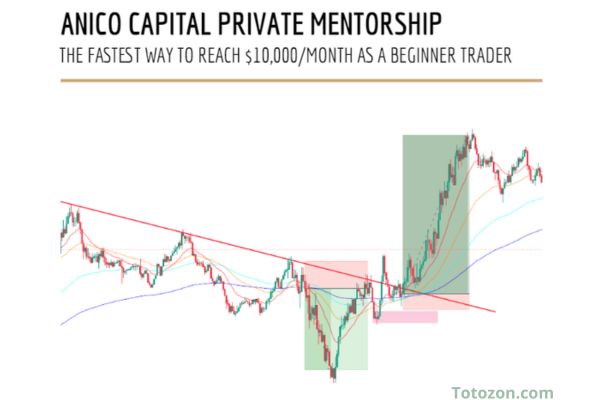 Private Mentorship with ANICO Capital
1 × $10.00
Private Mentorship with ANICO Capital
1 × $10.00 -
×
 Quantitative Business Valuation with Jay Abrams
1 × $6.00
Quantitative Business Valuation with Jay Abrams
1 × $6.00 -
×
 Secrets of An Electronic Futures Trader with Larry Levin
1 × $6.00
Secrets of An Electronic Futures Trader with Larry Levin
1 × $6.00 -
×
 Construct & Trade a High Probability Trading System with John L.Person
1 × $6.00
Construct & Trade a High Probability Trading System with John L.Person
1 × $6.00 -
×
 The 80% Solution S&P Systems with Bruce Babcock
1 × $6.00
The 80% Solution S&P Systems with Bruce Babcock
1 × $6.00 -
×
 Bubbleology: The New Science of Stock Market Winners and Losers with Kevin Hassett
1 × $6.00
Bubbleology: The New Science of Stock Market Winners and Losers with Kevin Hassett
1 × $6.00 -
×
 High Probability Option Trading - Seasonal Straddles
1 × $6.00
High Probability Option Trading - Seasonal Straddles
1 × $6.00 -
×
 Forex in Five Full Time Strategies for Part Time Traders (fxstreet.com) - Raghee Horner
1 × $6.00
Forex in Five Full Time Strategies for Part Time Traders (fxstreet.com) - Raghee Horner
1 × $6.00 -
×
 ETF Profit Driver Course with Bill Poulos
1 × $6.00
ETF Profit Driver Course with Bill Poulos
1 × $6.00 -
×
 Cyber Trading University - Power Trading 7 CD
1 × $8.00
Cyber Trading University - Power Trading 7 CD
1 × $8.00 -
×
 The Newly Revised Hal Method of Cyclic Analysis with Walter Bressert
1 × $5.00
The Newly Revised Hal Method of Cyclic Analysis with Walter Bressert
1 × $5.00 -
×
 The Professional Risk Manager Handbook with Carol Alexander
1 × $6.00
The Professional Risk Manager Handbook with Carol Alexander
1 × $6.00 -
×
 FOREX Master Blueprint 2010 - 1 DVD + Manual with Forexmentor Frank Paul
1 × $6.00
FOREX Master Blueprint 2010 - 1 DVD + Manual with Forexmentor Frank Paul
1 × $6.00 -
×
 Advanced Fibonacci Trading with Neal Hughes
1 × $6.00
Advanced Fibonacci Trading with Neal Hughes
1 × $6.00 -
×
 Sacredscience - Edward Johndro – Collected Articles
1 × $6.00
Sacredscience - Edward Johndro – Collected Articles
1 × $6.00 -
×
 Quality FX Academy
1 × $5.00
Quality FX Academy
1 × $5.00 -
×
 Discounted Cash Flow Valuation: Spot Undervalued Stocks Fast with Jari Roomer
1 × $6.00
Discounted Cash Flow Valuation: Spot Undervalued Stocks Fast with Jari Roomer
1 × $6.00 -
×
 Market Profile Training with Futexlive
1 × $23.00
Market Profile Training with Futexlive
1 × $23.00 -
×
 The Stock Selector System with Michael Sheimo
1 × $6.00
The Stock Selector System with Michael Sheimo
1 × $6.00 -
×
 Crypto Trading Academy with Cheeky Investor - Aussie Day Trader
1 × $13.00
Crypto Trading Academy with Cheeky Investor - Aussie Day Trader
1 × $13.00 -
×
 Smart Money Concepts with MFX Trading
1 × $13.00
Smart Money Concepts with MFX Trading
1 × $13.00 -
×
 Elite Mentorship Home Study - 3T Live with Sami Abusaad
1 × $5.00
Elite Mentorship Home Study - 3T Live with Sami Abusaad
1 × $5.00 -
×
 3-Day Day Trading Seminar Online CD with John Carter & Hubert Senters
1 × $6.00
3-Day Day Trading Seminar Online CD with John Carter & Hubert Senters
1 × $6.00 -
×
 Ultimate Trading Course with Dodgy's Dungeon
1 × $8.00
Ultimate Trading Course with Dodgy's Dungeon
1 × $8.00 -
×
 Home Run Options Trading Course with Dave Aquino - Base Camp Trading
1 × $11.00
Home Run Options Trading Course with Dave Aquino - Base Camp Trading
1 × $11.00 -
×
 Matrix Spread Options Trading Course with Base Camp Trading
1 × $31.00
Matrix Spread Options Trading Course with Base Camp Trading
1 × $31.00 -
×
 WondaFX Signature Strategy with WondaFX
1 × $5.00
WondaFX Signature Strategy with WondaFX
1 × $5.00 -
×
 TRADING NFX Course with Andrew NFX
1 × $5.00
TRADING NFX Course with Andrew NFX
1 × $5.00
Study Guide for Technical Analysis Explained (1st Edition) with Martin Pring
$6.00
File Size: Coming soon!
Delivery Time: 1–12 hours
Media Type: Online Course
Study Guide for Technical Analysis Explained (1st Edition) with Martin Pring
Introduction to Technical Analysis Explained
“Technical Analysis Explained” by Martin Pring is a cornerstone in the field of technical analysis. First published in 1980, this book has guided countless traders and investors in understanding market trends, price movements, and trading strategies. This study guide aims to break down the key concepts from the 1st edition of this seminal work, helping readers grasp its fundamental principles and apply them effectively.
Who is Martin Pring?
A Pioneer in Technical Analysis
Martin Pring is a highly respected figure in the world of finance, known for his extensive work in technical analysis. His books and teachings have educated a generation of traders on the importance of technical indicators and market cycles.
Educational Contributions
Pring has authored several influential books and conducted numerous seminars worldwide. His practical approach to teaching complex financial concepts has made him a favorite among both novice and seasoned traders.
Overview of Technical Analysis
What is Technical Analysis?
Technical analysis is the study of past market data, primarily price and volume, to forecast future price movements. Unlike fundamental analysis, which evaluates a company’s financial health, technical analysis focuses on price charts and trading patterns.
Key Concepts in Technical Analysis
- Trend Analysis: Identifying the direction of the market.
- Support and Resistance: Key levels where prices tend to reverse.
- Volume Analysis: Understanding the strength of a price move.
Chapter Breakdown
Chapter 1: Introduction to Technical Analysis
Understanding Market Psychology
Pring emphasizes the role of market psychology in price movements. Traders’ emotions and behaviors often drive market trends, making it essential to recognize these patterns.
The Dow Theory
An introduction to one of the oldest and most respected forms of technical analysis. The Dow Theory provides a foundation for understanding market trends and cycles.
Chapter 2: The Basics of Charting
Types of Charts
Pring explains the different types of charts used in technical analysis, including line charts, bar charts, and candlestick charts.
- Line Charts: Simplest form, showing only the closing prices.
- Bar Charts: Include open, high, low, and close prices.
- Candlestick Charts: Visual representation that highlights the relationship between open, high, low, and close prices.
Constructing Charts
Learn how to construct these charts and interpret their formations to identify trends and patterns.
Chapter 3: Trend Analysis
Defining Trends
Understanding how to define and recognize uptrends, downtrends, and sideways trends.
- Uptrends: Series of higher highs and higher lows.
- Downtrends: Series of lower highs and lower lows.
- Sideways Trends: Price moves within a horizontal range.
Trendlines and Channels
Drawing trendlines and channels to identify support and resistance levels within trends.
Chapter 4: Patterns and Formations
Reversal Patterns
Patterns that indicate a change in the current trend direction.
- Head and Shoulders: A reliable reversal pattern.
- Double Top and Bottom: Signals a potential trend reversal.
Continuation Patterns
Patterns that suggest the current trend will continue.
- Triangles: Symmetrical, ascending, and descending.
- Flags and Pennants: Short-term continuation patterns.
Chapter 5: Technical Indicators
Moving Averages
One of the most commonly used indicators, moving averages smooth out price data to identify the direction of the trend.
- Simple Moving Average (SMA): Calculated by averaging a set number of past prices.
- Exponential Moving Average (EMA): Gives more weight to recent prices.
Momentum Indicators
Indicators that measure the speed and change of price movements.
- Relative Strength Index (RSI): Identifies overbought and oversold conditions.
- Moving Average Convergence Divergence (MACD): Shows the relationship between two moving averages.
Chapter 6: Volume and Open Interest
Volume Analysis
Understanding how volume confirms price movements and trends.
- High Volume: Indicates strong interest and conviction.
- Low Volume: Suggests lack of interest or uncertainty.
Open Interest
Particularly relevant in futures and options markets, open interest reflects the number of outstanding contracts.
Chapter 7: Market Indicators
Sentiment Indicators
Indicators that gauge the mood of the market.
- Bullish/Bearish Sentiment: Measures the percentage of bullish versus bearish investors.
- Put/Call Ratio: Compares the number of put options to call options.
Breadth Indicators
Indicators that measure the overall strength or weakness of the market.
- Advance/Decline Line: Tracks the number of advancing versus declining stocks.
- New Highs/New Lows: Measures the number of stocks making new highs versus new lows.
Applying the Concepts
Developing a Trading Strategy
Using the concepts from “Technical Analysis Explained,” develop a robust trading strategy that includes trend analysis, chart patterns, and technical indicators.
Example Strategy
- Identify the Trend: Use trendlines and moving averages.
- Look for Patterns: Identify reversal or continuation patterns.
- Confirm with Volume: Ensure volume supports the price movement.
- Use Indicators: Apply RSI and MACD for additional confirmation.
- Set Entry and Exit Points: Define where to enter and exit trades based on analysis.
Risk Management
Implementing effective risk management techniques to protect your capital.
- Stop-Loss Orders: Set predetermined levels to exit trades and limit losses.
- Position Sizing: Determine the appropriate amount to invest in each trade.
Conclusion
Martin Pring’s “Technical Analysis Explained” provides a comprehensive guide to understanding and applying technical analysis. By mastering these concepts, traders can make more informed decisions and enhance their trading strategies. Whether you’re a beginner or an experienced trader, this study guide offers valuable insights into the world of technical analysis.
FAQs
1. What is technical analysis?
Technical analysis is the study of past market data, primarily price and volume, to forecast future price movements.
2. Who is Martin Pring?
Martin Pring is a renowned expert in technical analysis, known for his extensive work and educational contributions in the field.
3. What are the key concepts in technical analysis?
Key concepts include trend analysis, support and resistance, volume analysis, and technical indicators like moving averages and RSI.
4. How can I apply technical analysis in trading?
Develop a trading strategy that includes identifying trends, recognizing patterns, confirming with volume, and using technical indicators to set entry and exit points.
5. Why is risk management important in trading?
Risk management protects your capital and ensures that potential losses are minimized, allowing for sustained long-term growth.
Be the first to review “Study Guide for Technical Analysis Explained (1st Edition) with Martin Pring”
You must be logged in to post a review.
Related products

Original price was: $1,800.00.$54.00Current price is: $54.00.
Forex Trading
Original price was: $239.00.$8.00Current price is: $8.00.

Forex Trading
Quantamentals – The Next Great Forefront Of Trading and Investing with Trading Markets
Original price was: $1,495.00.$8.00Current price is: $8.00.

Original price was: $450.00.$23.00Current price is: $23.00.
Original price was: $197.00.$5.00Current price is: $5.00.

Forex Trading
Original price was: $499.00.$15.00Current price is: $15.00.

Forex Trading
Original price was: $1,098.00.$39.00Current price is: $39.00.
Original price was: $997.00.$13.00Current price is: $13.00.

Forex Trading
Original price was: $2,997.00.$23.00Current price is: $23.00.

Forex Trading
Original price was: $697.00.$5.00Current price is: $5.00.

Original price was: $695.00.$41.00Current price is: $41.00.

Original price was: $1,200.00.$23.00Current price is: $23.00.

Forex Trading
Original price was: $125.00.$17.00Current price is: $17.00.

Original price was: $2,120.00.$15.00Current price is: $15.00.

Forex Trading
Original price was: $2,000.00.$23.00Current price is: $23.00.

Original price was: $700.00.$39.00Current price is: $39.00.
Forex Trading
Original price was: $2,995.00.$31.00Current price is: $31.00.

Original price was: $999.00.$5.00Current price is: $5.00.

Original price was: $649.00.$20.00Current price is: $20.00.

Forex Trading
Original price was: $249.00.$15.00Current price is: $15.00.
Reviews
There are no reviews yet.