
-
×
 Options Trading & Ultimate MasterClass With Tyrone Abela - FX Evolution
1 × $54.00
Options Trading & Ultimate MasterClass With Tyrone Abela - FX Evolution
1 × $54.00 -
×
 3 Steps To Supply/Demand + 3 Steps To Market Profile 10% Off Combined Price
1 × $23.00
3 Steps To Supply/Demand + 3 Steps To Market Profile 10% Off Combined Price
1 × $23.00 -
×
 Algo Trading Masterclass with Ali Casey - StatOasis
1 × $23.00
Algo Trading Masterclass with Ali Casey - StatOasis
1 × $23.00 -
×
 RROP Course 2023
1 × $5.00
RROP Course 2023
1 × $5.00 -
×
 Compass Trading System with Right Line Trading
1 × $39.00
Compass Trading System with Right Line Trading
1 × $39.00 -
×
 WondaFX Signature Strategy with WondaFX
1 × $5.00
WondaFX Signature Strategy with WondaFX
1 × $5.00 -
×
 The Orderflow Masterclass with PrimeTrading
1 × $17.00
The Orderflow Masterclass with PrimeTrading
1 × $17.00 -
×
 The Prop Trading Code with Brannigan Barrett - Axia Futures
1 × $23.00
The Prop Trading Code with Brannigan Barrett - Axia Futures
1 × $23.00 -
×
 Van Tharp Courses Collection
1 × $41.00
Van Tharp Courses Collection
1 × $41.00 -
×
 The Best Option Trading Course with David Jaffee - Best Stock Strategy
1 × $15.00
The Best Option Trading Course with David Jaffee - Best Stock Strategy
1 × $15.00 -
×
 Forecast 2024 Clarification with Larry Williams
1 × $15.00
Forecast 2024 Clarification with Larry Williams
1 × $15.00 -
×
 Hedge Fund Market Wizards: How Winning Traders Win with Jack Schwager
1 × $6.00
Hedge Fund Market Wizards: How Winning Traders Win with Jack Schwager
1 × $6.00 -
×
 A Complete Beginner to Advanced Trading Mentorship Program with Habby Forex Trading Academy
1 × $5.00
A Complete Beginner to Advanced Trading Mentorship Program with Habby Forex Trading Academy
1 × $5.00 -
×
 A Course in Trading with Donald Mack & Wetsel Market Bureau
1 × $6.00
A Course in Trading with Donald Mack & Wetsel Market Bureau
1 × $6.00 -
×
 How I Turned 500 USD to 6 Figures in 2 months Trading Options with The Money Printers
1 × $8.00
How I Turned 500 USD to 6 Figures in 2 months Trading Options with The Money Printers
1 × $8.00 -
×
 Fundamentals of the Securities Industry with William A.Rini
1 × $6.00
Fundamentals of the Securities Industry with William A.Rini
1 × $6.00 -
×
 Deep Dive Butterfly Trading Strategy Class with SJG Trades
1 × $41.00
Deep Dive Butterfly Trading Strategy Class with SJG Trades
1 × $41.00 -
×
 Candlesticks Explained with Martin Pring
1 × $6.00
Candlesticks Explained with Martin Pring
1 × $6.00 -
×
 30 Day Masterclass with Joe Elite Trader Hub ICT
1 × $6.00
30 Day Masterclass with Joe Elite Trader Hub ICT
1 × $6.00 -
×
 Future DayTrading (German)
1 × $6.00
Future DayTrading (German)
1 × $6.00 -
×
 Scientific Forex with Cristina Ciurea
1 × $6.00
Scientific Forex with Cristina Ciurea
1 × $6.00 -
×
 The 4 Horsemen CD with David Elliott
1 × $6.00
The 4 Horsemen CD with David Elliott
1 × $6.00 -
×
 Scalp Strategy and Flipping Small Accounts with Opes Trading Group
1 × $5.00
Scalp Strategy and Flipping Small Accounts with Opes Trading Group
1 × $5.00 -
×
 Volume Profile 2023 (Elite Pack) with Trader Dale
1 × $5.00
Volume Profile 2023 (Elite Pack) with Trader Dale
1 × $5.00 -
×
 The Aftermath + Jack Savage Extras (How To Trade Gold) with FXSavages
1 × $6.00
The Aftermath + Jack Savage Extras (How To Trade Gold) with FXSavages
1 × $6.00 -
×
 5 Day Bootcamp with AWFX AnthonysWorld
1 × $34.00
5 Day Bootcamp with AWFX AnthonysWorld
1 × $34.00 -
×
 The Indices Orderflow Masterclass with The Forex Scalpers
1 × $23.00
The Indices Orderflow Masterclass with The Forex Scalpers
1 × $23.00 -
×
 TradeCraft: Your Path to Peak Performance Trading By Adam Grimes
1 × $15.00
TradeCraft: Your Path to Peak Performance Trading By Adam Grimes
1 × $15.00 -
×
 The Orderflows Trade Opportunities Encyclopedia with Michael Valtos
1 × $8.00
The Orderflows Trade Opportunities Encyclopedia with Michael Valtos
1 × $8.00 -
×
 AI For Traders with Trading Markets
1 × $31.00
AI For Traders with Trading Markets
1 × $31.00 -
×
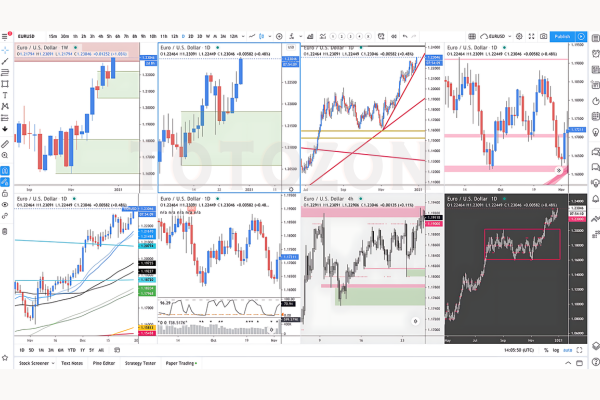 Supply And Demand Zone Trading Course with Trading180
1 × $5.00
Supply And Demand Zone Trading Course with Trading180
1 × $5.00 -
×
 How To Read The Market Professionally with TradeSmart
1 × $27.00
How To Read The Market Professionally with TradeSmart
1 × $27.00 -
×
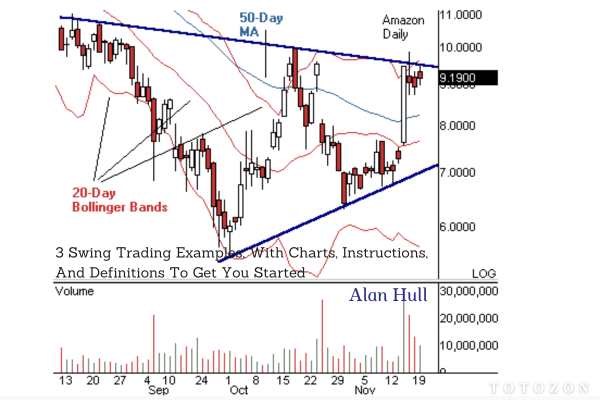 3 Swing Trading Examples, With Charts, Instructions, And Definitions To Get You Started by Alan Farley
1 × $6.00
3 Swing Trading Examples, With Charts, Instructions, And Definitions To Get You Started by Alan Farley
1 × $6.00 -
×
 Matrix Spread Options Trading Course with Base Camp Trading
1 × $31.00
Matrix Spread Options Trading Course with Base Camp Trading
1 × $31.00 -
×
 The Binary Trigger (Video, Books) with John Piper
1 × $6.00
The Binary Trigger (Video, Books) with John Piper
1 × $6.00 -
×
 How Stocks Work with David L.Scott
1 × $6.00
How Stocks Work with David L.Scott
1 × $6.00 -
×
 Investment Intelligence from Insider Trading with H.N.Seyhun
1 × $6.00
Investment Intelligence from Insider Trading with H.N.Seyhun
1 × $6.00 -
×
 Advanced Cycles with Nick Santiago - InTheMoneyStocks
1 × $171.00
Advanced Cycles with Nick Santiago - InTheMoneyStocks
1 × $171.00 -
×
 ICT Prodigy Trading Course – $650K in Payouts with Alex Solignani
1 × $15.00
ICT Prodigy Trading Course – $650K in Payouts with Alex Solignani
1 × $15.00 -
×
 Advanced Calculus with Applications in Statistics
1 × $6.00
Advanced Calculus with Applications in Statistics
1 × $6.00 -
×
 A Really Friendly Guide to Wavelets with C.Vallens
1 × $6.00
A Really Friendly Guide to Wavelets with C.Vallens
1 × $6.00 -
×
 A Seminar On Ocean Theory Home Study Trading Course with Pat Raffalovich
1 × $6.00
A Seminar On Ocean Theory Home Study Trading Course with Pat Raffalovich
1 × $6.00 -
×
 Small Account Options Trading Workshop Package with Doc Severson
1 × $6.00
Small Account Options Trading Workshop Package with Doc Severson
1 × $6.00 -
×
 More on the Short Cycles of Interest Rates (Article) with Arie Melnik, Alan Kraus
1 × $6.00
More on the Short Cycles of Interest Rates (Article) with Arie Melnik, Alan Kraus
1 × $6.00 -
×
 Original Curriculum with Home Options Trading Course
1 × $6.00
Original Curriculum with Home Options Trading Course
1 × $6.00 -
×
 Naked Trading Part 1 with Base Camp Trading
1 × $6.00
Naked Trading Part 1 with Base Camp Trading
1 × $6.00 -
×
 How I use Technical Analysis & Orderflow with Adam Webb - Traderskew
1 × $54.00
How I use Technical Analysis & Orderflow with Adam Webb - Traderskew
1 × $54.00 -
×
 Picking the Best Stocks & Strategies for every Option Trade with James Bittman
1 × $6.00
Picking the Best Stocks & Strategies for every Option Trade with James Bittman
1 × $6.00 -
×
 Best of the Best: Collars with Amy Meissner & Scott Ruble
1 × $15.00
Best of the Best: Collars with Amy Meissner & Scott Ruble
1 × $15.00 -
×
 Royal Exchange Forex with Jan Teslar
1 × $6.00
Royal Exchange Forex with Jan Teslar
1 × $6.00 -
×
 Profit.ly - Bitcoin Basics
1 × $6.00
Profit.ly - Bitcoin Basics
1 × $6.00 -
×
 The Naked Eye: Raw Data Analytics with Edgar Torres - Raw Data Analytics
1 × $8.00
The Naked Eye: Raw Data Analytics with Edgar Torres - Raw Data Analytics
1 × $8.00 -
×
 3 Hour Calendar Class With Bonus 3 Months Daily Analysis!
1 × $23.00
3 Hour Calendar Class With Bonus 3 Months Daily Analysis!
1 × $23.00 -
×
 How Do You See Risk? A Guide to Evaluating & Applying Technical Volatility Indicators class with Jeff Bierman
1 × $6.00
How Do You See Risk? A Guide to Evaluating & Applying Technical Volatility Indicators class with Jeff Bierman
1 × $6.00 -
×
 Trading Short TermSame Day Trades Sep 2023 with Dan Sheridan & Mark Fenton - Sheridan Options Mentoring
1 × $31.00
Trading Short TermSame Day Trades Sep 2023 with Dan Sheridan & Mark Fenton - Sheridan Options Mentoring
1 × $31.00 -
×
 Order flow self-study training program with iMFtracker
1 × $10.00
Order flow self-study training program with iMFtracker
1 × $10.00 -
×
 Planetary Harmonics of Speculative Markets with Larry Pesavento
1 × $6.00
Planetary Harmonics of Speculative Markets with Larry Pesavento
1 × $6.00 -
×
 Practical Approach to Ninjatrader 8 Platform with Rajandran R
1 × $6.00
Practical Approach to Ninjatrader 8 Platform with Rajandran R
1 × $6.00 -
×
 Sea Lanes & Pipelines with Bernard D.Cole
1 × $6.00
Sea Lanes & Pipelines with Bernard D.Cole
1 × $6.00 -
×
 Ultimate Trading Course with Dodgy's Dungeon
1 × $8.00
Ultimate Trading Course with Dodgy's Dungeon
1 × $8.00 -
×
 Starting Out in Futures Trading with Mark Powers
1 × $6.00
Starting Out in Futures Trading with Mark Powers
1 × $6.00 -
×
 3 Day WorkShop with HYDRA
1 × $13.00
3 Day WorkShop with HYDRA
1 × $13.00 -
×
 Engineering Analysis: Interactive Methods and Programs with FORTRAN, QuickBASIC, MATLAB, and Mathematica with Yen-Ching Pao
1 × $6.00
Engineering Analysis: Interactive Methods and Programs with FORTRAN, QuickBASIC, MATLAB, and Mathematica with Yen-Ching Pao
1 × $6.00 -
×
 How to Spot a Trade Before it Happens (marketsmastered.com) with Markets Mastered
1 × $6.00
How to Spot a Trade Before it Happens (marketsmastered.com) with Markets Mastered
1 × $6.00 -
×
 Best of AM Review (Volume 1-3) with Peter Bain
1 × $6.00
Best of AM Review (Volume 1-3) with Peter Bain
1 × $6.00
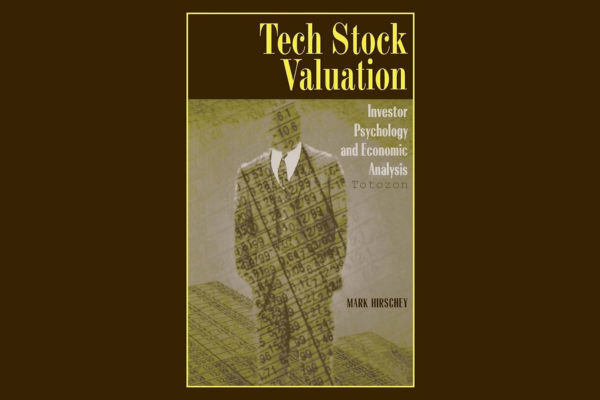
Tech Stock Valuation with Mark Hirschey
$6.00
File Size: Coming soon!
Delivery Time: 1–12 hours
Media Type: Online Course
Content Proof: Watch Here!
You may check content proof of “Tech Stock Valuation with Mark Hirschey” below:

Tech Stock Valuation with Mark Hirschey
Evaluating the worth of tech stocks can be a daunting task, but with the right guidance, it becomes much more manageable. Tech Stock Valuation with Mark Hirschey offers invaluable insights into the methodologies and strategies for accurately valuing tech companies. In this article, we’ll explore key concepts, tools, and practical advice from Mark Hirschey to help you master tech stock valuation.
Who is Mark Hirschey?
Mark Hirschey is a renowned expert in financial economics and valuation. His extensive research and practical approaches have helped investors understand and navigate the complexities of stock valuation, particularly in the tech sector.
Why Trust Mark Hirschey?
Hirschey’s deep knowledge and clear teaching style make him a trusted authority in stock valuation. His methodologies are grounded in rigorous academic research and practical experience, providing reliable guidance for investors.
Understanding Tech Stock Valuation
Valuing tech stocks involves assessing the intrinsic value of a company based on its financial health, growth potential, and market conditions.
Key Concepts in Tech Stock Valuation
- Intrinsic Value: The actual worth of a company based on fundamentals.
- Market Capitalization: The total market value of a company’s outstanding shares.
- Price-to-Earnings (P/E) Ratio: A ratio for valuing a company by comparing its current share price to its per-share earnings.
- Discounted Cash Flow (DCF): A valuation method using future cash flow projections discounted to present value.
Benefits of Tech Stock Valuation
Informed Investment Decisions
Valuation helps investors make informed decisions by providing a clear picture of a company’s worth.
Risk Management
Understanding the true value of a stock helps manage investment risks by avoiding overvalued stocks.
Identifying Opportunities
Accurate valuation can uncover undervalued stocks, presenting lucrative investment opportunities.
Getting Started with Tech Stock Valuation
Education and Research
Begin by educating yourself on valuation techniques. Read books, attend seminars, and follow financial news to build a solid foundation.
Financial Statements Analysis
Analyze financial statements to assess a company’s financial health. Key statements include the balance sheet, income statement, and cash flow statement.
Key Valuation Methods
Price-to-Earnings (P/E) Ratio
The P/E ratio is a popular valuation metric. It indicates how much investors are willing to pay per dollar of earnings.
How to Use the P/E Ratio
- Calculate the P/E Ratio: Divide the current share price by the earnings per share (EPS).
- Compare with Industry: Compare the P/E ratio with industry averages to gauge if the stock is over or undervalued.
Discounted Cash Flow (DCF) Analysis
DCF analysis involves estimating future cash flows and discounting them to present value to determine the stock’s intrinsic value.
Steps in DCF Analysis
- Forecast Cash Flows: Estimate future cash flows based on historical data and growth projections.
- Determine Discount Rate: The rate reflects the stock’s risk and time value of money.
- Calculate Present Value: Discount future cash flows to present value using the discount rate.
Price-to-Sales (P/S) Ratio
The P/S ratio compares a company’s stock price to its revenues. It’s useful for valuing companies with little or no earnings.
Price-to-Book (P/B) Ratio
The P/B ratio compares the market value of a company’s stock to its book value. It’s particularly useful for valuing companies with significant tangible assets.
Practical Applications
Case Study: Valuing a Tech Giant
Let’s apply these valuation methods to a well-known tech company:
- P/E Ratio: Calculate and compare with industry peers.
- DCF Analysis: Forecast cash flows, determine discount rate, and calculate present value.
- P/S and P/B Ratios: Analyze to get a holistic view of the company’s valuation.
Tools for Tech Stock Valuation
- Financial Software: Use tools like Bloomberg, Morningstar, or Yahoo Finance for comprehensive data analysis.
- Valuation Models: Implement models like DCF calculators available online.
Common Pitfalls in Tech Stock Valuation
Overreliance on a Single Metric
Avoid relying solely on one valuation metric. Use multiple methods to get a comprehensive view.
Ignoring Market Conditions
Market conditions can significantly impact stock prices. Always consider the broader market environment.
Failing to Update Valuations
Regularly update valuations to reflect the latest financial data and market conditions.
Real-Life Success Stories
Testimonials from Investors
Many investors have successfully applied Mark Hirschey’s methodologies to enhance their investment strategies. Here are a few testimonials:
- Jane D.: “Mark Hirschey’s approach to tech stock valuation has transformed my investment strategy. I now make more informed and confident decisions.”
- Robert K.: “Using Hirschey’s techniques, I’ve identified undervalued tech stocks that have significantly boosted my portfolio returns.”
Conclusion
Tech Stock Valuation with Mark Hirschey is an essential resource for anyone looking to understand and excel in valuing tech companies. By mastering the key concepts and methods discussed, you can make informed investment decisions, manage risks, and uncover profitable opportunities. Whether you’re a novice or an experienced investor, Hirschey’s insights will enhance your valuation skills and investment outcomes.
FAQs
1. What is tech stock valuation?
Tech stock valuation involves assessing the intrinsic value of tech companies based on financial health, growth potential, and market conditions.
2. How do I start valuing tech stocks?
Begin by educating yourself on valuation techniques, analyzing financial statements, and using key valuation methods like P/E ratio and DCF analysis.
3. What are the benefits of tech stock valuation?
Valuation helps make informed investment decisions, manage risks, and identify undervalued stocks with potential for profit.
4. What are common valuation methods?
Common methods include the P/E ratio, DCF analysis, P/S ratio, and P/B ratio.
5. Where can I learn more about tech stock valuation?
Mark Hirschey’s resources and courses offer comprehensive insights and practical strategies for successful tech stock valuation.
Be the first to review “Tech Stock Valuation with Mark Hirschey”
You must be logged in to post a review.
Related products
Forex Trading
Original price was: $1,898.00.$10.00Current price is: $10.00.
Original price was: $1,849.00.$15.00Current price is: $15.00.

Original price was: $895.00.$15.00Current price is: $15.00.
Forex Trading
Original price was: $4,997.00.$27.00Current price is: $27.00.
Forex Trading
Original price was: $125.00.$17.00Current price is: $17.00.
Original price was: $695.00.$41.00Current price is: $41.00.
Original price was: $999.00.$5.00Current price is: $5.00.
Forex Trading
Original price was: $397.00.$31.00Current price is: $31.00.
Original price was: $799.00.$15.00Current price is: $15.00.
Forex Trading
Original price was: $2,000.00.$23.00Current price is: $23.00.
Original price was: $997.00.$8.00Current price is: $8.00.
Forex Trading
Original price was: $2,995.00.$31.00Current price is: $31.00.

Forex Trading
Quantamentals – The Next Great Forefront Of Trading and Investing with Trading Markets
Original price was: $1,495.00.$8.00Current price is: $8.00.

Original price was: $700.00.$39.00Current price is: $39.00.

Original price was: $310.00.$23.00Current price is: $23.00.
Original price was: $2,120.00.$15.00Current price is: $15.00.
Original price was: $450.00.$23.00Current price is: $23.00.

Original price was: $997.00.$13.00Current price is: $13.00.
Original price was: $4,995.00.$15.00Current price is: $15.00.

Forex Trading
Original price was: $797.00.$10.00Current price is: $10.00.
Reviews
There are no reviews yet.