
-
×
 Equity Research and Valuation Techniques with Kemp Dolliver
1 × $6.00
Equity Research and Valuation Techniques with Kemp Dolliver
1 × $6.00 -
×
 The New Reality Of Wall Street with Donald Coxe
1 × $6.00
The New Reality Of Wall Street with Donald Coxe
1 × $6.00 -
×
 Increase Your Net Worth In 2 Hours A Week with Jerremy Newsome - Real Life Trading
1 × $17.00
Increase Your Net Worth In 2 Hours A Week with Jerremy Newsome - Real Life Trading
1 × $17.00 -
×
 Planetary Economic Forecasting with Bill Meridian
1 × $6.00
Planetary Economic Forecasting with Bill Meridian
1 × $6.00 -
×
 Index Funds with Mark Hebner
1 × $6.00
Index Funds with Mark Hebner
1 × $6.00 -
×
 How to Manage a $25,000 Portfolio with Dan Sheridan - Sheridan Options Mentoring
1 × $6.00
How to Manage a $25,000 Portfolio with Dan Sheridan - Sheridan Options Mentoring
1 × $6.00 -
×
 Scientific Trading Machine with Nicola Delic
1 × $54.00
Scientific Trading Machine with Nicola Delic
1 × $54.00 -
×
 Julian Robertson: A Tiger in the Land of Bulls and Bears with Daniel Strachman
1 × $6.00
Julian Robertson: A Tiger in the Land of Bulls and Bears with Daniel Strachman
1 × $6.00 -
×
 Volume Profile 2023 (Elite Pack) with Trader Dale
1 × $5.00
Volume Profile 2023 (Elite Pack) with Trader Dale
1 × $5.00 -
×
 SPIKED COLLARS (Dynamic Hedging)
1 × $15.00
SPIKED COLLARS (Dynamic Hedging)
1 × $15.00 -
×
 Forex Meets the Market Profile with John Keppler
1 × $23.00
Forex Meets the Market Profile with John Keppler
1 × $23.00 -
×
 Investing Online with Benton E.Gup
1 × $6.00
Investing Online with Benton E.Gup
1 × $6.00 -
×
 FOREX CRASH COURSE - IYF - ONLINE SEMINAR
1 × $5.00
FOREX CRASH COURSE - IYF - ONLINE SEMINAR
1 × $5.00 -
×
 Forex Profit Multiplier with Bill & Greg Poulos
1 × $6.00
Forex Profit Multiplier with Bill & Greg Poulos
1 × $6.00 -
×
 Forecasting Profits Using Price & Time with Ed Gately
1 × $6.00
Forecasting Profits Using Price & Time with Ed Gately
1 × $6.00 -
×
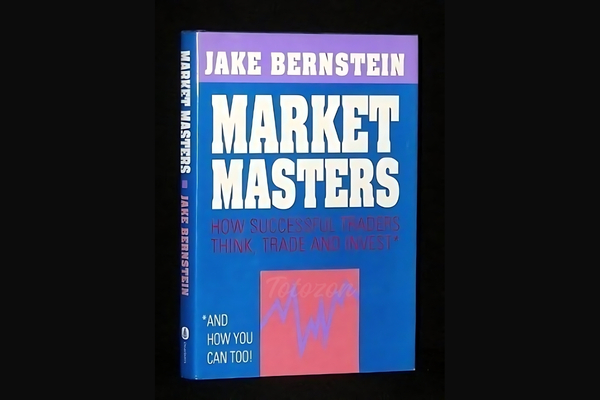 Market Masters. How Traders Think Trade And Invest with Jake Bernstein
1 × $6.00
Market Masters. How Traders Think Trade And Invest with Jake Bernstein
1 × $6.00 -
×
 How I Trade for a Living with Gary Smith
1 × $6.00
How I Trade for a Living with Gary Smith
1 × $6.00 -
×
 Forecast 2024 Clarification with Larry Williams
1 × $15.00
Forecast 2024 Clarification with Larry Williams
1 × $15.00 -
×
 Master The Markets 2.0 with French Trader
1 × $6.00
Master The Markets 2.0 with French Trader
1 × $6.00 -
×
 Guide to Winning with Automated Trading Systems with Jack Schwager
1 × $6.00
Guide to Winning with Automated Trading Systems with Jack Schwager
1 × $6.00 -
×
 Duxinator: High Odds Penny Trading Presented with Steven Dux
1 × $6.00
Duxinator: High Odds Penny Trading Presented with Steven Dux
1 × $6.00 -
×
 Compass Trading System with Right Line Trading
1 × $39.00
Compass Trading System with Right Line Trading
1 × $39.00 -
×
 Dan Sheridan Delta Force
1 × $6.00
Dan Sheridan Delta Force
1 × $6.00 -
×
 Engineering Analysis: Interactive Methods and Programs with FORTRAN, QuickBASIC, MATLAB, and Mathematica with Yen-Ching Pao
1 × $6.00
Engineering Analysis: Interactive Methods and Programs with FORTRAN, QuickBASIC, MATLAB, and Mathematica with Yen-Ching Pao
1 × $6.00 -
×
 Forex Fury
1 × $23.00
Forex Fury
1 × $23.00 -
×
 Proven Chart Patterns: Key Indicators for Success in Today’s Markets with Chris Manning
1 × $6.00
Proven Chart Patterns: Key Indicators for Success in Today’s Markets with Chris Manning
1 × $6.00 -
×
 The Best Option Trading Course with David Jaffee - Best Stock Strategy
1 × $15.00
The Best Option Trading Course with David Jaffee - Best Stock Strategy
1 × $15.00

The Taylor Trading Technique with G.Douglas Taylor
$6.00
File Size: Coming soon!
Delivery Time: 1–12 hours
Media Type: Online Course
Content Proof: Watch Here!
You may check content proof of “The Taylor Trading Technique with G.Douglas Taylor” below:

The Taylor Trading Technique with G. Douglas Taylor: A Comprehensive Guide
Introduction
In the world of stock trading, mastering effective techniques is crucial for achieving consistent success. One such method, developed by G. Douglas Taylor, is the Taylor Trading Technique. This approach combines detailed market analysis with precise timing to optimize trading strategies. In this article, we will delve into the fundamentals of this technique, explore its key components, and discuss how traders can implement it to enhance their trading performance.
Understanding the Taylor Trading Technique
What is the Taylor Trading Technique?
The Taylor Trading Technique, created by G. Douglas Taylor in the mid-20th century, is a method that focuses on identifying and capitalizing on market cycles. By analyzing three-day cycles in the stock market, traders can predict when to buy or sell stocks for optimal profits.
The Three-Day Cycle
- Day One: The Buy Day, where traders look for a low point to enter the market.
- Day Two: The Sell Day, which aims to capture the peak after the Buy Day.
- Day Three: The Short-Sell Day, where traders anticipate a downturn to profit from selling high and buying back at a lower price.
Core Principles of the Taylor Trading Technique
Market Analysis
Successful implementation of the Taylor Technique begins with thorough market analysis. Traders must examine past market data to understand potential future movements and identify the three-day cycle phases.
Timing and Execution
Timing is crucial in the Taylor Trading Technique. Traders must execute their buying and selling actions at precise moments within the cycle to maximize gains and minimize losses.
Risk Management
Effective risk management is essential. Traders using this technique should set strict stop-loss orders and profit targets to protect their investments from significant market shifts.
Benefits of Using the Taylor Trading Technique
Predictability and Consistency
The cyclical nature of the Taylor Trading Technique provides a predictable framework for trading, which can lead to more consistent profits over time.
Enhanced Decision-Making
By understanding market cycles, traders can make more informed decisions about when to enter and exit trades, reducing the guesswork often associated with stock trading.
Improved Risk Control
The structured approach of the Taylor Technique helps traders manage risk more effectively, allowing for better control over potential losses.
Implementing the Taylor Trading Technique
Step-by-Step Implementation
- Market Observation: Begin by observing market patterns and identifying the three-day cycle.
- Strategy Development: Develop a trading plan based on the observations and tailor it to fit personal risk tolerance and investment goals.
- Execution: Implement the trading plan with precision, focusing on the timing of buys and sells according to the identified cycle.
- Review and Adjust: Regularly review trading outcomes and adjust strategies as needed to improve performance.
Challenges and Considerations
While the Taylor Trading Technique offers many benefits, it also comes with challenges. The accuracy of cycle predictions can be affected by unexpected market events, and the need for precise timing may not suit all traders.
Conclusion
The Taylor Trading Technique is a powerful tool for traders seeking to improve their market performance through structured, cyclical trading strategies. By understanding and implementing this technique, traders can enhance their decision-making, manage risks more effectively, and increase their potential for profitable trades.
FAQs
- What is the Taylor Trading Technique?
The Taylor Trading Technique is a method of stock trading that analyzes three-day market cycles to determine optimal buy and sell times.
2. How does the Taylor Trading Technique work?
It works by identifying the phases of a three-day cycle: Buy Day, Sell Day, and Short-Sell Day, and making trades based on these phases.
3. Can the Taylor Trading Technique be used for all types of stocks?
Yes, it can be applied to various types of stocks, but its effectiveness may vary depending on market conditions and stock volatility.
4. What are the main benefits of using the Taylor Trading Technique?
The technique offers predictability, enhanced decision-making, and improved risk control.
5. What challenges might traders face when using the Taylor Trading Technique?
Traders may face challenges related to the accuracy of cycle predictions and the need for precise timing in their trading actions.
Be the first to review “The Taylor Trading Technique with G.Douglas Taylor”
You must be logged in to post a review.
Related products

Forex Trading
Original price was: $797.00.$10.00Current price is: $10.00.

Forex Trading
Original price was: $697.00.$5.00Current price is: $5.00.

Original price was: $450.00.$23.00Current price is: $23.00.
Original price was: $1,849.00.$15.00Current price is: $15.00.

Original price was: $4,995.00.$15.00Current price is: $15.00.

Original price was: $649.00.$20.00Current price is: $20.00.

Forex Trading
Original price was: $799.00.$15.00Current price is: $15.00.
Forex Trading
Original price was: $1,098.00.$39.00Current price is: $39.00.

Forex Trading
Original price was: $500.00.$5.00Current price is: $5.00.

Original price was: $299.00.$8.00Current price is: $8.00.

Original price was: $1,200.00.$23.00Current price is: $23.00.

Forex Trading
Original price was: $2,997.00.$23.00Current price is: $23.00.

Original price was: $700.00.$39.00Current price is: $39.00.

Original price was: $497.00.$31.00Current price is: $31.00.

Forex Trading
Original price was: $2,000.00.$23.00Current price is: $23.00.

Original price was: $895.00.$15.00Current price is: $15.00.

Original price was: $999.00.$5.00Current price is: $5.00.

Forex Trading
Original price was: $125.00.$17.00Current price is: $17.00.

Forex Trading
Quantamentals – The Next Great Forefront Of Trading and Investing with Trading Markets
Original price was: $1,495.00.$8.00Current price is: $8.00.

Forex Trading
Original price was: $397.00.$31.00Current price is: $31.00.

Reviews
There are no reviews yet.