
-
×
 Adx Mastery Complete Course
1 × $6.00
Adx Mastery Complete Course
1 × $6.00 -
×
 Bird Watch in Lion Country 2010 Ed with Dirk Du Toit
1 × $6.00
Bird Watch in Lion Country 2010 Ed with Dirk Du Toit
1 × $6.00 -
×
 The Complete Short Course on Ripple Cryptocurrency with Saad Hameed
1 × $5.00
The Complete Short Course on Ripple Cryptocurrency with Saad Hameed
1 × $5.00 -
×
 Commitment Workshop for Traders by Adrienne Laris Toghraie
1 × $6.00
Commitment Workshop for Traders by Adrienne Laris Toghraie
1 × $6.00 -
×
 Middle Market M & A: Handbook for Investment Banking and Business Consulting (1st Edition) - Kenneth Marks
1 × $6.00
Middle Market M & A: Handbook for Investment Banking and Business Consulting (1st Edition) - Kenneth Marks
1 × $6.00 -
×
 Stock Market Wizards Interviews with America’s Top Stock Traders - Jack Schwager
1 × $6.00
Stock Market Wizards Interviews with America’s Top Stock Traders - Jack Schwager
1 × $6.00 -
×
 Complete Price Action, Volume Profile and Orderflow Trading Bundle with Price Action Volume Trader
1 × $78.00
Complete Price Action, Volume Profile and Orderflow Trading Bundle with Price Action Volume Trader
1 × $78.00 -
×
 The Adventures of the Cycle Hunter. The Trader with Craig Bttlc
1 × $6.00
The Adventures of the Cycle Hunter. The Trader with Craig Bttlc
1 × $6.00 -
×
 The Sweep Show with Scott Pulcini Trader
1 × $23.00
The Sweep Show with Scott Pulcini Trader
1 × $23.00 -
×
 Technical Analysis for Long-Term Investors with Clay Allen
1 × $6.00
Technical Analysis for Long-Term Investors with Clay Allen
1 × $6.00 -
×
 Pyrapoint with D.E.Hall
1 × $6.00
Pyrapoint with D.E.Hall
1 × $6.00 -
×
 eASCTrend Trading Manual (not including 6 trading methods) with Ablesys
1 × $6.00
eASCTrend Trading Manual (not including 6 trading methods) with Ablesys
1 × $6.00 -
×
 Trading for a Living with Alexander Elder
1 × $6.00
Trading for a Living with Alexander Elder
1 × $6.00 -
×
 How to Collect Income Being Short with Don Kaufman
1 × $6.00
How to Collect Income Being Short with Don Kaufman
1 × $6.00 -
×
 CrewFX Group Course Package with Language Of The Markets
1 × $6.00
CrewFX Group Course Package with Language Of The Markets
1 × $6.00 -
×
 Cecil Robles Advent Forex Course & Indicators with Adventforex
1 × $6.00
Cecil Robles Advent Forex Course & Indicators with Adventforex
1 × $6.00 -
×
 How To Be a Profitable Forex Trader with Corey Halliday
1 × $6.00
How To Be a Profitable Forex Trader with Corey Halliday
1 × $6.00 -
×
 The Banker’s Edge Webinar & Extras
1 × $6.00
The Banker’s Edge Webinar & Extras
1 × $6.00 -
×
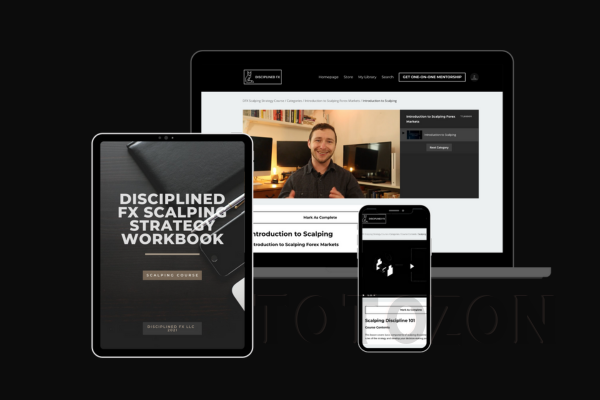 DFX Scalping Strategy Course with Disciplined FX
1 × $23.00
DFX Scalping Strategy Course with Disciplined FX
1 × $23.00 -
×
 The Complete XAUUSD GOLD Forex Scalping System On Real Trading Account with Forex Lia
1 × $5.00
The Complete XAUUSD GOLD Forex Scalping System On Real Trading Account with Forex Lia
1 × $5.00 -
×
 The 10%ers with Trader Mike
1 × $5.00
The 10%ers with Trader Mike
1 × $5.00 -
×
 Home Run Options Trading Course with Dave Aquino - Base Camp Trading
1 × $11.00
Home Run Options Trading Course with Dave Aquino - Base Camp Trading
1 × $11.00 -
×
 Core Concepts Mastery with DreamsFX
1 × $5.00
Core Concepts Mastery with DreamsFX
1 × $5.00 -
×
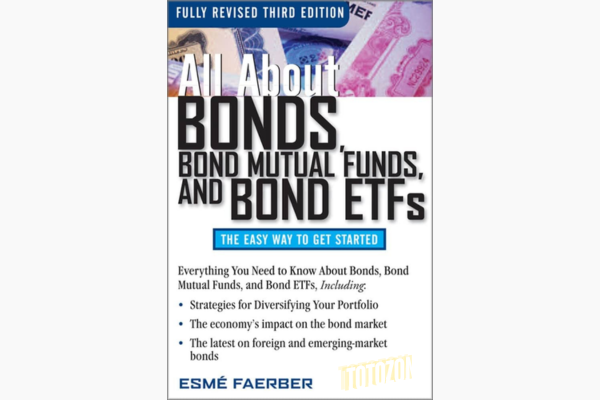 All About Bonds, Bond Mutual Funds & Bond ETFs (3rd Ed.) with Esme Faerber
1 × $6.00
All About Bonds, Bond Mutual Funds & Bond ETFs (3rd Ed.) with Esme Faerber
1 × $6.00 -
×
 Forex Trading Course. Turn $1,260 Into $12,300 In 30 Days with David Arena
1 × $6.00
Forex Trading Course. Turn $1,260 Into $12,300 In 30 Days with David Arena
1 × $6.00 -
×
 The Bible of Options Strategies: The Definitive Guide for Practical Trading Strategies with Guy Cohen
1 × $6.00
The Bible of Options Strategies: The Definitive Guide for Practical Trading Strategies with Guy Cohen
1 × $6.00 -
×
 Campaign Trading with John Sweeney
1 × $6.00
Campaign Trading with John Sweeney
1 × $6.00 -
×
 E75 Forex System with James de Wet
1 × $6.00
E75 Forex System with James de Wet
1 × $6.00 -
×
 The Heretics of Finance with Andrew Lo & Jasmina Hasanhodzic
1 × $4.00
The Heretics of Finance with Andrew Lo & Jasmina Hasanhodzic
1 × $4.00 -
×
 Day Trader Course
1 × $6.00
Day Trader Course
1 × $6.00 -
×
 The Internet Trading Course with Alpesh Patel
1 × $6.00
The Internet Trading Course with Alpesh Patel
1 × $6.00 -
×
 Trading Online
1 × $6.00
Trading Online
1 × $6.00 -
×
 Complete Times Course with Afshin Taghechian
1 × $6.00
Complete Times Course with Afshin Taghechian
1 × $6.00 -
×
 Traders Secret Library
1 × $6.00
Traders Secret Library
1 × $6.00 -
×
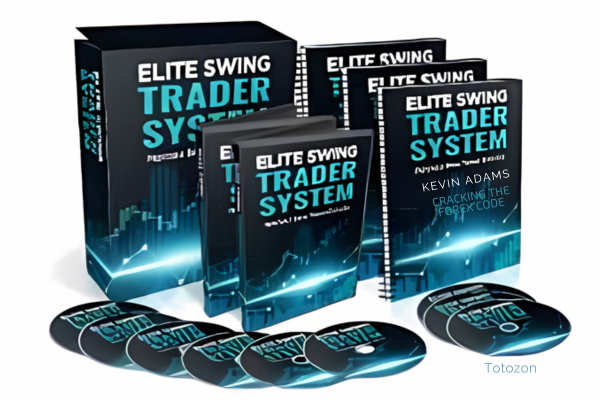 Cracking The Forex Code with Kevin Adams
1 × $6.00
Cracking The Forex Code with Kevin Adams
1 × $6.00 -
×
 The Great Depression with David Burg
1 × $6.00
The Great Depression with David Burg
1 × $6.00 -
×
 The Master Trader Bundle with Gareth Soloway
1 × $39.00
The Master Trader Bundle with Gareth Soloway
1 × $39.00 -
×
 Traders Positioning System with Lee Gettess
1 × $4.00
Traders Positioning System with Lee Gettess
1 × $4.00 -
×
 Traders Forge with Ryan Litchfield
1 × $6.00
Traders Forge with Ryan Litchfield
1 × $6.00 -
×
 Compass Trading System with Right Line Trading
1 × $39.00
Compass Trading System with Right Line Trading
1 × $39.00 -
×
 The Deadly 7 Sins of Investing with Maury Fertig
1 × $6.00
The Deadly 7 Sins of Investing with Maury Fertig
1 × $6.00 -
×
 Linear Regression 3030 with David Elliott
1 × $6.00
Linear Regression 3030 with David Elliott
1 × $6.00 -
×
 Price Action Manual (2nd Ed.) with Bruce Gilmore
1 × $6.00
Price Action Manual (2nd Ed.) with Bruce Gilmore
1 × $6.00 -
×
 Market Neutral Strategies with Bruce I.Jacobs & Kenneth N.Levy
1 × $6.00
Market Neutral Strategies with Bruce I.Jacobs & Kenneth N.Levy
1 × $6.00 -
×
 The New Science of Asset Allocation with Thomas Schneeweis
1 × $6.00
The New Science of Asset Allocation with Thomas Schneeweis
1 × $6.00 -
×
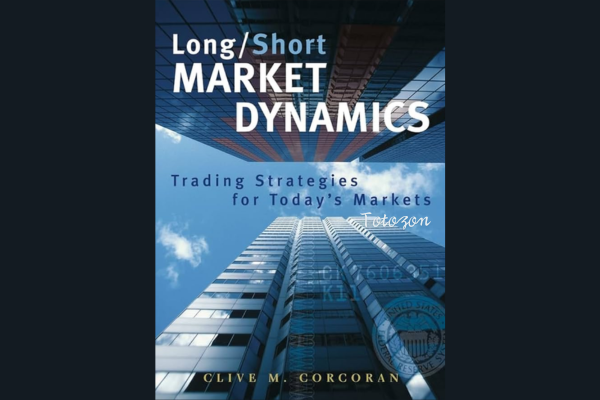 Long/Short Market Dynamics: Trading Strategies for Today's Markets with Clive Corcoran
1 × $6.00
Long/Short Market Dynamics: Trading Strategies for Today's Markets with Clive Corcoran
1 × $6.00 -
×
 The Handbook of Pairs Trading with Douglas Ehrman
1 × $6.00
The Handbook of Pairs Trading with Douglas Ehrman
1 × $6.00 -
×
 Crystal Ball Pack PLUS bonus Live Trade By Pat Mitchell - Trick Trades
1 × $20.00
Crystal Ball Pack PLUS bonus Live Trade By Pat Mitchell - Trick Trades
1 × $20.00
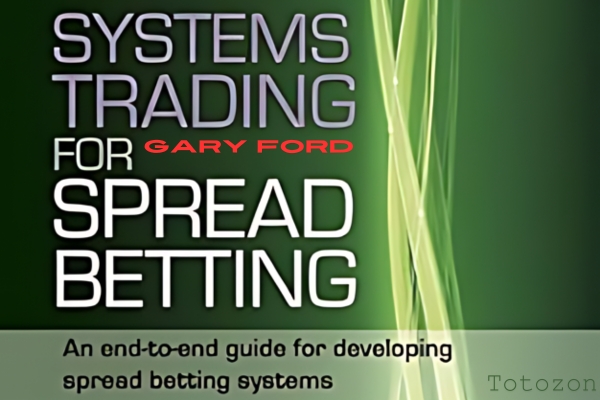
Systems Trading for Spread Betting: An end-to-end guide for developing spread betting systems with Gary Ford
$6.00
File Size: Coming soon!
Delivery Time: 1–12 hours
Media Type: Online Course
Systems Trading for Spread Betting: An End-to-End Guide for Developing Spread Betting Systems with Gary Ford
Spread betting is a popular form of trading that allows investors to speculate on the price movements of various financial markets without owning the underlying assets.
Gary Ford, an expert in systems trading, provides a comprehensive approach to developing effective spread betting systems. In this article, we will explore Gary Ford’s methodologies, offering a detailed guide to creating and implementing successful spread betting systems.
Introduction to Spread Betting
What is Spread Betting?
Spread betting involves placing bets on the price movement of financial instruments such as stocks, indices, commodities, and forex. Traders profit by correctly predicting whether the price will rise or fall.
Who is Gary Ford?
Gary Ford is a renowned trading expert known for his expertise in developing and implementing trading systems. His insights into spread betting have helped many traders achieve consistent success.
Fundamentals of Spread Betting
1. Understanding Spread Betting
Mechanics of Spread Betting
Spread betting involves two prices: the bid price (sell) and the ask price (buy). The difference between these prices is known as the spread. Traders bet on whether the market price will be higher or lower than the spread.
Leveraged Trading
Spread betting is leveraged, meaning traders can control large positions with a small initial investment. However, leverage also increases the potential for losses.
2. Benefits of Spread Betting
Tax Efficiency
In many jurisdictions, profits from spread betting are tax-free, as it is considered gambling rather than investing.
Flexibility
Spread betting allows trading on a wide range of markets, including those that are not traditionally accessible to retail investors.
Developing a Spread Betting System
1. Setting Objectives
Defining Your Goals
Clearly define your financial goals and risk tolerance. Understanding what you aim to achieve will guide the development of your trading system.
2. Market Analysis
Technical Analysis
Use technical analysis to identify patterns and trends in price movements. Key tools include moving averages, RSI, MACD, and Bollinger Bands.
Fundamental Analysis
Incorporate fundamental analysis to evaluate the intrinsic value of the assets you are betting on. Consider factors such as economic indicators, company earnings, and geopolitical events.
3. Strategy Development
Trend Following
Develop a trend-following strategy that capitalizes on sustained market movements. This involves identifying and trading in the direction of the prevailing trend.
Mean Reversion
Mean reversion strategies bet on the price returning to its average or mean value after deviating from it. This approach is effective in ranging markets.
4. Risk Management
Position Sizing
Determine the size of each bet based on your risk tolerance and account size. Avoid risking more than a small percentage of your capital on any single trade.
Stop-Loss Orders
Implement stop-loss orders to automatically close losing positions at predetermined levels, limiting potential losses.
5. Backtesting
Historical Data Analysis
Test your trading system using historical data to evaluate its performance. This process helps identify potential weaknesses and areas for improvement.
Forward Testing
Conduct forward testing in a live market environment using a demo account. This step allows you to see how your system performs in real-time without risking real money.
Implementing the Trading System
1. Trading Platforms
Choosing a Platform
Select a reliable trading platform that supports spread betting and offers the necessary tools for analysis and execution.
2. Execution
Placing Bets
Execute your trades according to your system’s rules. Maintain discipline and avoid deviating from your strategy.
3. Monitoring and Adjusting
Regular Reviews
Continuously monitor the performance of your trading system. Regularly review and adjust your strategies based on market conditions and performance data.
4. Record Keeping
Maintaining a Trading Journal
Keep a detailed trading journal to record all trades, including entry and exit points, profit or loss, and any observations. This practice helps identify patterns and improve your system over time.
Common Mistakes and How to Avoid Them
1. Overleveraging
Avoiding Excessive Leverage
While leverage can amplify profits, it also increases the risk of significant losses. Use leverage cautiously and within your risk tolerance.
2. Emotional Trading
Staying Disciplined
Avoid making trading decisions based on emotions. Stick to your system’s rules and maintain a disciplined approach.
3. Ignoring Risk Management
Implementing Risk Controls
Always use stop-loss orders and position sizing to manage risk effectively. Ignoring risk management can lead to substantial losses.
Tips for Success
Continuous Learning
Educational Resources
Stay updated with the latest trading strategies and market trends by reading books, attending webinars, and following industry experts.
Networking
Join Trading Communities
Engage with other traders to share insights and learn from their experiences. Online forums and social media groups can be valuable resources.
Seeking Professional Advice
Consulting Experts
Consider consulting with trading experts or financial advisors to refine your strategies and improve your trading performance.
Conclusion
Developing a successful spread betting system requires a combination of strategic planning, thorough analysis, and disciplined execution.
By following Gary Ford’s methodologies, you can create a robust trading system that enhances your chances of success in the dynamic world of spread betting.
Remember, continuous learning and adaptation are key to staying ahead in the market.
FAQs
1. What is spread betting?
Spread betting involves speculating on the price movements of financial instruments without owning the underlying assets. Traders profit by correctly predicting whether the price will rise or fall.
2. How does leverage work in spread betting?
Leverage allows traders to control large positions with a small initial investment, amplifying potential profits but also increasing the risk of losses.
3. Why is risk management important in spread betting?
Risk management helps protect your capital by limiting potential losses. Using stop-loss orders and proper position sizing are essential components of effective risk management.
4. How can I test my spread betting system?
Backtest your system using historical data to evaluate its performance. Additionally, conduct forward testing in a live market environment using a demo account.
5. What are some common mistakes to avoid in spread betting?
Avoid overleveraging, emotional trading, and ignoring risk management. Stick to your system’s rules and maintain a disciplined approach to achieve long-term success.
Be the first to review “Systems Trading for Spread Betting: An end-to-end guide for developing spread betting systems with Gary Ford”
You must be logged in to post a review.
Related products

Original price was: $997.00.$8.00Current price is: $8.00.

Forex Trading
Original price was: $4,997.00.$27.00Current price is: $27.00.

Original price was: $4,995.00.$15.00Current price is: $15.00.

Forex Trading
Original price was: $1,898.00.$10.00Current price is: $10.00.

Original price was: $497.00.$31.00Current price is: $31.00.

Forex Trading
Original price was: $999.00.$15.00Current price is: $15.00.

Forex Trading
Original price was: $550.00.$5.00Current price is: $5.00.

Forex Trading
Original price was: $249.00.$15.00Current price is: $15.00.

Original price was: $2,120.00.$15.00Current price is: $15.00.

Original price was: $695.00.$41.00Current price is: $41.00.

Original price was: $310.00.$23.00Current price is: $23.00.

Forex Trading
Original price was: $239.00.$8.00Current price is: $8.00.

Original price was: $999.00.$5.00Current price is: $5.00.

Original price was: $1,200.00.$23.00Current price is: $23.00.

Forex Trading
Original price was: $799.00.$15.00Current price is: $15.00.

Original price was: $799.00.$15.00Current price is: $15.00.

Forex Trading
Original price was: $2,000.00.$23.00Current price is: $23.00.
Forex Trading
Original price was: $1,098.00.$39.00Current price is: $39.00.

Original price was: $1,849.00.$15.00Current price is: $15.00.

Forex Trading
The Complete Guide to Multiple Time Frame Analysis & Reading Price Action with Aiman Almansoori
Original price was: $1,399.00.$13.00Current price is: $13.00.

Reviews
There are no reviews yet.