
-
×
 Candlestick Secrets For Profiting In Options
1 × $23.00
Candlestick Secrets For Profiting In Options
1 × $23.00 -
×
 Trade Execution with Yuri Shramenko
1 × $6.00
Trade Execution with Yuri Shramenko
1 × $6.00 -
×
 AstroScan Regulus 4.1E newastro.net
1 × $6.00
AstroScan Regulus 4.1E newastro.net
1 × $6.00 -
×
 Follow the Fed to Investment Success with Douglas Roberts
1 × $6.00
Follow the Fed to Investment Success with Douglas Roberts
1 × $6.00 -
×
 Calendar Trading in 2018 with Dan Sheridan
1 × $23.00
Calendar Trading in 2018 with Dan Sheridan
1 × $23.00 -
×
 Small Account Growth Class – Strategies Course
1 × $23.00
Small Account Growth Class – Strategies Course
1 × $23.00 -
×
 Bar Ipro v9.1 for MT4 11XX
1 × $23.00
Bar Ipro v9.1 for MT4 11XX
1 × $23.00 -
×
 Rob’s 6 Day 21 Set-up Course with Rob Hoffman
1 × $85.00
Rob’s 6 Day 21 Set-up Course with Rob Hoffman
1 × $85.00 -
×
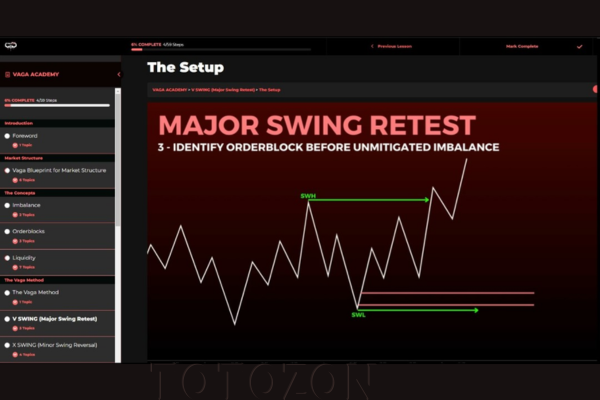 Vaga Academy with VAGAFX
1 × $5.00
Vaga Academy with VAGAFX
1 × $5.00 -
×
 Introduction to Position Sizing Strategies with Van Tharp Institute
1 × $6.00
Introduction to Position Sizing Strategies with Van Tharp Institute
1 × $6.00 -
×
 The RIMS Strategy 2023
1 × $5.00
The RIMS Strategy 2023
1 × $5.00 -
×
 Technical Analysis Entry & Exit with Andrew Baxter
1 × $6.00
Technical Analysis Entry & Exit with Andrew Baxter
1 × $6.00 -
×
 Trading Masterclass XVII with Wysetrade
1 × $6.00
Trading Masterclass XVII with Wysetrade
1 × $6.00 -
×
 ABCs of Trading and Tech Analysis (Online Investor Expo, Las Vegas 2000) with Tom Bierovic
1 × $6.00
ABCs of Trading and Tech Analysis (Online Investor Expo, Las Vegas 2000) with Tom Bierovic
1 × $6.00 -
×
 The Superstock Investor with Charles LaLoggia
1 × $6.00
The Superstock Investor with Charles LaLoggia
1 × $6.00 -
×
 Timing is Everything with Robert M.Barnes
1 × $6.00
Timing is Everything with Robert M.Barnes
1 × $6.00 -
×
 VWAP Trading course with Trade With Trend
1 × $6.00
VWAP Trading course with Trade With Trend
1 × $6.00 -
×
 Bullseye Trading Course with Ralph Garcia
1 × $39.00
Bullseye Trading Course with Ralph Garcia
1 × $39.00 -
×
 A Day In The Life Of A Forex Trader with Vic Noble & Shirley Hudson
1 × $23.00
A Day In The Life Of A Forex Trader with Vic Noble & Shirley Hudson
1 × $23.00 -
×
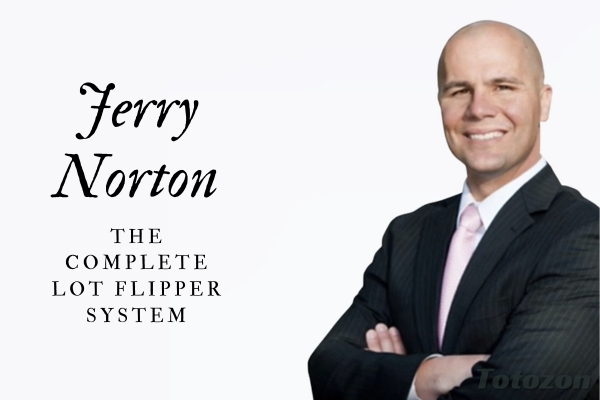 The Complete Lot Flipper System
1 × $6.00
The Complete Lot Flipper System
1 × $6.00 -
×
 Unlocking the Mysteries of Trend Analysis - Rick Bensignor
1 × $6.00
Unlocking the Mysteries of Trend Analysis - Rick Bensignor
1 × $6.00 -
×
 Construction & Application of the MACD Indicator(video) with Gerald Appel
1 × $4.00
Construction & Application of the MACD Indicator(video) with Gerald Appel
1 × $4.00 -
×
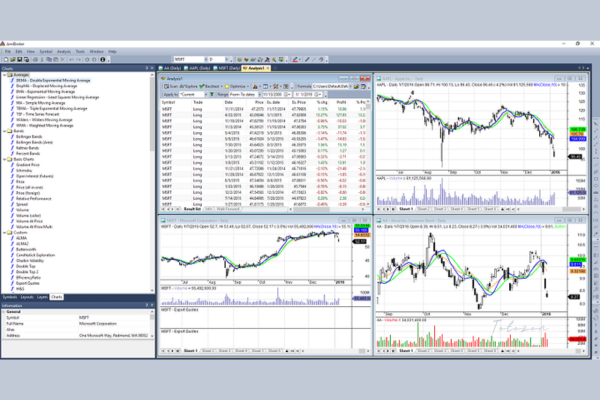 Build a Professional Trading System using Amibroker with Trading Tuitions - Marwood Research
1 × $23.00
Build a Professional Trading System using Amibroker with Trading Tuitions - Marwood Research
1 × $23.00 -
×
 All About Bonds, Bond Mutual Funds & Bond ETFs (3rd Ed.) with Esme Faerber
1 × $6.00
All About Bonds, Bond Mutual Funds & Bond ETFs (3rd Ed.) with Esme Faerber
1 × $6.00 -
×
 Forex Trading for Newbies Complete Course with Chuck Low
1 × $6.00
Forex Trading for Newbies Complete Course with Chuck Low
1 × $6.00 -
×
 The Way of the Turtle with Curtis Faith
1 × $6.00
The Way of the Turtle with Curtis Faith
1 × $6.00 -
×
 Complete Omega Trading Course with OMEGA Trading FX
1 × $5.00
Complete Omega Trading Course with OMEGA Trading FX
1 × $5.00 -
×
 CFA Level 1 - Schweser Study Notes 2006 (schweser.com)
1 × $6.00
CFA Level 1 - Schweser Study Notes 2006 (schweser.com)
1 × $6.00 -
×
 Extreme Events: Robust Portfolio Construction in the Presence of Fat Tails with Malcolm Kemp
1 × $6.00
Extreme Events: Robust Portfolio Construction in the Presence of Fat Tails with Malcolm Kemp
1 × $6.00 -
×
 Century Capital Group Course with Dylan Forexia
1 × $6.00
Century Capital Group Course with Dylan Forexia
1 × $6.00 -
×
 Ultimate Trading Course with Dodgy's Dungeon
1 × $8.00
Ultimate Trading Course with Dodgy's Dungeon
1 × $8.00 -
×
 What Ranks Schema Course with Clint Butler
1 × $23.00
What Ranks Schema Course with Clint Butler
1 × $23.00 -
×
 The Right Stock at the Right Time. Prospering in the Coming Good Years with Larry Williams
1 × $6.00
The Right Stock at the Right Time. Prospering in the Coming Good Years with Larry Williams
1 × $6.00 -
×
 ATM Forex 2009 System Manual, Videos & Indicators with Keith Cotterill
1 × $6.00
ATM Forex 2009 System Manual, Videos & Indicators with Keith Cotterill
1 × $6.00 -
×
 War Room Psychology Package (Volume 1-4) with Pat Mitchell – Trick Trades
1 × $112.00
War Room Psychology Package (Volume 1-4) with Pat Mitchell – Trick Trades
1 × $112.00 -
×
 Simpler Options - Weekly Butterflies for Income
1 × $6.00
Simpler Options - Weekly Butterflies for Income
1 × $6.00 -
×
 The A14 Weekly Option Strategy Workshop with Amy Meissner
1 × $23.00
The A14 Weekly Option Strategy Workshop with Amy Meissner
1 × $23.00 -
×
 Disciplined Trading How to Trade Your Wav to Financial Freedom Video
1 × $6.00
Disciplined Trading How to Trade Your Wav to Financial Freedom Video
1 × $6.00 -
×
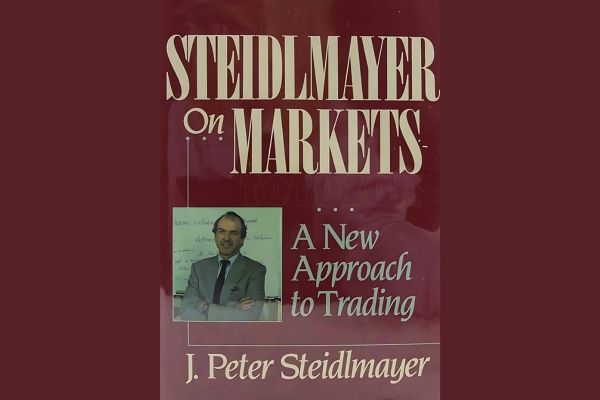 Steidlmayer On Markets. A New Approach to Trading with J.Peter Steidlmayer
1 × $6.00
Steidlmayer On Markets. A New Approach to Trading with J.Peter Steidlmayer
1 × $6.00 -
×
 Trading with the Gods Fibonacci Series with Alan Oliver
1 × $6.00
Trading with the Gods Fibonacci Series with Alan Oliver
1 × $6.00 -
×
 Trading the Elliott Waves with Robert Prechter
1 × $15.00
Trading the Elliott Waves with Robert Prechter
1 × $15.00 -
×
 Active Trader Program (Smarter Starter Pack + the Number One Trading Plan)
1 × $15.00
Active Trader Program (Smarter Starter Pack + the Number One Trading Plan)
1 × $15.00 -
×
 AmiBroker Ultimate Pack Pro v6.20.1 x64 (Feb 2017)
1 × $6.00
AmiBroker Ultimate Pack Pro v6.20.1 x64 (Feb 2017)
1 × $6.00 -
×
 The Hedge Bundle - SpotGamma Academy with Imran Lakha
1 × $8.00
The Hedge Bundle - SpotGamma Academy with Imran Lakha
1 × $8.00 -
×
 Advanced Stock Trading Course + Strategies
1 × $15.00
Advanced Stock Trading Course + Strategies
1 × $15.00 -
×
 EFT for Prevention and Treatment of Serious Diseases with Kari Dawson
1 × $6.00
EFT for Prevention and Treatment of Serious Diseases with Kari Dawson
1 × $6.00 -
×
 Trading Hub 3.0 (Ebook)
1 × $6.00
Trading Hub 3.0 (Ebook)
1 × $6.00 -
×
 Developing Mindfulness: The Observer of Thought with Traders State Of Mind
1 × $6.00
Developing Mindfulness: The Observer of Thought with Traders State Of Mind
1 × $6.00 -
×
 DApp Mastermind (Crypto DApps) – Passive Income with DApps and SMART Contracts with Jason BTO
1 × $6.00
DApp Mastermind (Crypto DApps) – Passive Income with DApps and SMART Contracts with Jason BTO
1 × $6.00 -
×
 Evidence Based Technical Analysis with David Aronson
1 × $6.00
Evidence Based Technical Analysis with David Aronson
1 × $6.00 -
×
 Traders Positioning System with Lee Gettess
1 × $4.00
Traders Positioning System with Lee Gettess
1 × $4.00 -
×
 Scalping Strategy Webinar! recorded. BEST WEBINAR
1 × $23.00
Scalping Strategy Webinar! recorded. BEST WEBINAR
1 × $23.00 -
×
 The Zone Trader Training Series with Timon Weller
1 × $8.00
The Zone Trader Training Series with Timon Weller
1 × $8.00 -
×
 Trading the E-Minis Successfully For A Living 3 Day with Chris Curran with Chris Curran's Live Web Seminar
1 × $6.00
Trading the E-Minis Successfully For A Living 3 Day with Chris Curran with Chris Curran's Live Web Seminar
1 × $6.00 -
×
 Zm Capitals Full course + Ebook with Zain Mokhles - ZmCapitals
1 × $31.00
Zm Capitals Full course + Ebook with Zain Mokhles - ZmCapitals
1 × $31.00 -
×
 Concerning The More Certain Fundamentals Of Astrology
1 × $6.00
Concerning The More Certain Fundamentals Of Astrology
1 × $6.00 -
×
 Algo Trading Masterclass with Ali Casey - StatOasis
1 × $23.00
Algo Trading Masterclass with Ali Casey - StatOasis
1 × $23.00 -
×
 The Day Trader’s Course with Lewis Borsellino
1 × $6.00
The Day Trader’s Course with Lewis Borsellino
1 × $6.00 -
×
 The Orderflow Masterclass with PrimeTrading
1 × $17.00
The Orderflow Masterclass with PrimeTrading
1 × $17.00
Systems Trading for Spread Betting: An end-to-end guide for developing spread betting systems with Gary Ford
$6.00
File Size: Coming soon!
Delivery Time: 1–12 hours
Media Type: Online Course
Systems Trading for Spread Betting: An End-to-End Guide for Developing Spread Betting Systems with Gary Ford
Spread betting is a popular form of trading that allows investors to speculate on the price movements of various financial markets without owning the underlying assets.
Gary Ford, an expert in systems trading, provides a comprehensive approach to developing effective spread betting systems. In this article, we will explore Gary Ford’s methodologies, offering a detailed guide to creating and implementing successful spread betting systems.
Introduction to Spread Betting
What is Spread Betting?
Spread betting involves placing bets on the price movement of financial instruments such as stocks, indices, commodities, and forex. Traders profit by correctly predicting whether the price will rise or fall.
Who is Gary Ford?
Gary Ford is a renowned trading expert known for his expertise in developing and implementing trading systems. His insights into spread betting have helped many traders achieve consistent success.
Fundamentals of Spread Betting
1. Understanding Spread Betting
Mechanics of Spread Betting
Spread betting involves two prices: the bid price (sell) and the ask price (buy). The difference between these prices is known as the spread. Traders bet on whether the market price will be higher or lower than the spread.
Leveraged Trading
Spread betting is leveraged, meaning traders can control large positions with a small initial investment. However, leverage also increases the potential for losses.
2. Benefits of Spread Betting
Tax Efficiency
In many jurisdictions, profits from spread betting are tax-free, as it is considered gambling rather than investing.
Flexibility
Spread betting allows trading on a wide range of markets, including those that are not traditionally accessible to retail investors.
Developing a Spread Betting System
1. Setting Objectives
Defining Your Goals
Clearly define your financial goals and risk tolerance. Understanding what you aim to achieve will guide the development of your trading system.
2. Market Analysis
Technical Analysis
Use technical analysis to identify patterns and trends in price movements. Key tools include moving averages, RSI, MACD, and Bollinger Bands.
Fundamental Analysis
Incorporate fundamental analysis to evaluate the intrinsic value of the assets you are betting on. Consider factors such as economic indicators, company earnings, and geopolitical events.
3. Strategy Development
Trend Following
Develop a trend-following strategy that capitalizes on sustained market movements. This involves identifying and trading in the direction of the prevailing trend.
Mean Reversion
Mean reversion strategies bet on the price returning to its average or mean value after deviating from it. This approach is effective in ranging markets.
4. Risk Management
Position Sizing
Determine the size of each bet based on your risk tolerance and account size. Avoid risking more than a small percentage of your capital on any single trade.
Stop-Loss Orders
Implement stop-loss orders to automatically close losing positions at predetermined levels, limiting potential losses.
5. Backtesting
Historical Data Analysis
Test your trading system using historical data to evaluate its performance. This process helps identify potential weaknesses and areas for improvement.
Forward Testing
Conduct forward testing in a live market environment using a demo account. This step allows you to see how your system performs in real-time without risking real money.
Implementing the Trading System
1. Trading Platforms
Choosing a Platform
Select a reliable trading platform that supports spread betting and offers the necessary tools for analysis and execution.
2. Execution
Placing Bets
Execute your trades according to your system’s rules. Maintain discipline and avoid deviating from your strategy.
3. Monitoring and Adjusting
Regular Reviews
Continuously monitor the performance of your trading system. Regularly review and adjust your strategies based on market conditions and performance data.
4. Record Keeping
Maintaining a Trading Journal
Keep a detailed trading journal to record all trades, including entry and exit points, profit or loss, and any observations. This practice helps identify patterns and improve your system over time.
Common Mistakes and How to Avoid Them
1. Overleveraging
Avoiding Excessive Leverage
While leverage can amplify profits, it also increases the risk of significant losses. Use leverage cautiously and within your risk tolerance.
2. Emotional Trading
Staying Disciplined
Avoid making trading decisions based on emotions. Stick to your system’s rules and maintain a disciplined approach.
3. Ignoring Risk Management
Implementing Risk Controls
Always use stop-loss orders and position sizing to manage risk effectively. Ignoring risk management can lead to substantial losses.
Tips for Success
Continuous Learning
Educational Resources
Stay updated with the latest trading strategies and market trends by reading books, attending webinars, and following industry experts.
Networking
Join Trading Communities
Engage with other traders to share insights and learn from their experiences. Online forums and social media groups can be valuable resources.
Seeking Professional Advice
Consulting Experts
Consider consulting with trading experts or financial advisors to refine your strategies and improve your trading performance.
Conclusion
Developing a successful spread betting system requires a combination of strategic planning, thorough analysis, and disciplined execution.
By following Gary Ford’s methodologies, you can create a robust trading system that enhances your chances of success in the dynamic world of spread betting.
Remember, continuous learning and adaptation are key to staying ahead in the market.
FAQs
1. What is spread betting?
Spread betting involves speculating on the price movements of financial instruments without owning the underlying assets. Traders profit by correctly predicting whether the price will rise or fall.
2. How does leverage work in spread betting?
Leverage allows traders to control large positions with a small initial investment, amplifying potential profits but also increasing the risk of losses.
3. Why is risk management important in spread betting?
Risk management helps protect your capital by limiting potential losses. Using stop-loss orders and proper position sizing are essential components of effective risk management.
4. How can I test my spread betting system?
Backtest your system using historical data to evaluate its performance. Additionally, conduct forward testing in a live market environment using a demo account.
5. What are some common mistakes to avoid in spread betting?
Avoid overleveraging, emotional trading, and ignoring risk management. Stick to your system’s rules and maintain a disciplined approach to achieve long-term success.
Be the first to review “Systems Trading for Spread Betting: An end-to-end guide for developing spread betting systems with Gary Ford”
You must be logged in to post a review.
Related products

Original price was: $139.00.$23.00Current price is: $23.00.

Original price was: $197.00.$5.00Current price is: $5.00.

Forex Trading
Original price was: $249.00.$15.00Current price is: $15.00.

Forex Trading
Original price was: $999.00.$15.00Current price is: $15.00.

Original price was: $695.00.$41.00Current price is: $41.00.
Forex Trading
Original price was: $239.00.$8.00Current price is: $8.00.

Original price was: $799.00.$15.00Current price is: $15.00.

Original price was: $895.00.$15.00Current price is: $15.00.

Forex Trading
Original price was: $499.00.$15.00Current price is: $15.00.

Original price was: $2,120.00.$15.00Current price is: $15.00.

Original price was: $997.00.$8.00Current price is: $8.00.
Original price was: $310.00.$23.00Current price is: $23.00.

Forex Trading
Original price was: $2,995.00.$31.00Current price is: $31.00.

Forex Trading
Original price was: $799.00.$15.00Current price is: $15.00.

Original price was: $1,849.00.$15.00Current price is: $15.00.

Original price was: $649.00.$20.00Current price is: $20.00.

Forex Trading
The Complete Guide to Multiple Time Frame Analysis & Reading Price Action with Aiman Almansoori
Original price was: $1,399.00.$13.00Current price is: $13.00.

Forex Trading
Original price was: $2,997.00.$23.00Current price is: $23.00.

Original price was: $497.00.$11.00Current price is: $11.00.

Forex Trading
Original price was: $797.00.$10.00Current price is: $10.00.

Reviews
There are no reviews yet.