
-
×
 Bond Market Course with The Macro Compass
1 × $15.00
Bond Market Course with The Macro Compass
1 × $15.00 -
×
 Sacredscience - W.F.Whitehead – Occultism Simplified
1 × $6.00
Sacredscience - W.F.Whitehead – Occultism Simplified
1 × $6.00 -
×
 Professor Jeff Bierman's 15 Class Bundle (The Professor's Package)
1 × $6.00
Professor Jeff Bierman's 15 Class Bundle (The Professor's Package)
1 × $6.00 -
×
 Forecast 2024 Clarification with Larry Williams
1 × $15.00
Forecast 2024 Clarification with Larry Williams
1 × $15.00 -
×
 The Complete Guide to Multiple Time Frame Analysis & Reading Price Action with Aiman Almansoori
1 × $13.00
The Complete Guide to Multiple Time Frame Analysis & Reading Price Action with Aiman Almansoori
1 × $13.00 -
×
 The Cycles and The Codes with Myles Wilson-Walker
1 × $15.00
The Cycles and The Codes with Myles Wilson-Walker
1 × $15.00 -
×
 5-Step-Trading Stocks I and II with Lex Van Dam
1 × $4.00
5-Step-Trading Stocks I and II with Lex Van Dam
1 × $4.00 -
×
 Advanced Trading Course - Footprint Charts, Market Profile & TPO with Jayson Casper
1 × $31.00
Advanced Trading Course - Footprint Charts, Market Profile & TPO with Jayson Casper
1 × $31.00 -
×
 Timing the Market with Unique Indicators with Sherman McCellan
1 × $6.00
Timing the Market with Unique Indicators with Sherman McCellan
1 × $6.00 -
×
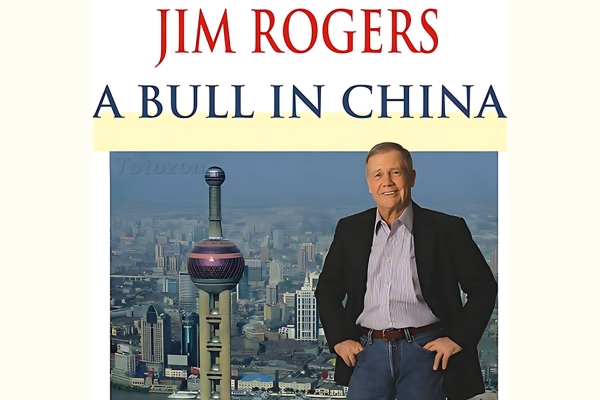 A Bull in China with Jim Rogers
1 × $6.00
A Bull in China with Jim Rogers
1 × $6.00 -
×
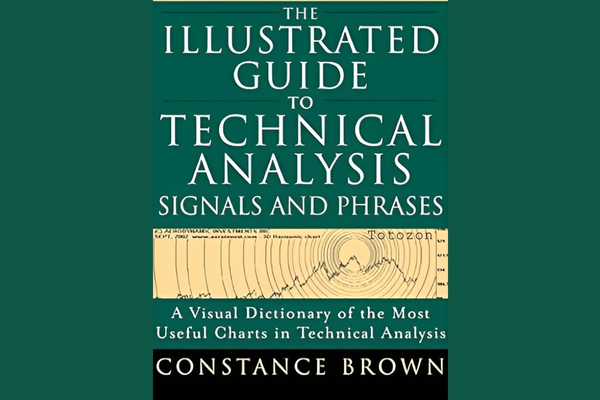 The Illustrated Guide to Technical Analysis Signals and Phrases with Constance Brown
1 × $6.00
The Illustrated Guide to Technical Analysis Signals and Phrases with Constance Brown
1 × $6.00 -
×
 From Walden to Wall Street: Frontiers of Conservation Finance with James Levitt
1 × $6.00
From Walden to Wall Street: Frontiers of Conservation Finance with James Levitt
1 × $6.00 -
×
 The A14 Weekly Option Strategy Workshop with Amy Meissner
1 × $23.00
The A14 Weekly Option Strategy Workshop with Amy Meissner
1 × $23.00 -
×
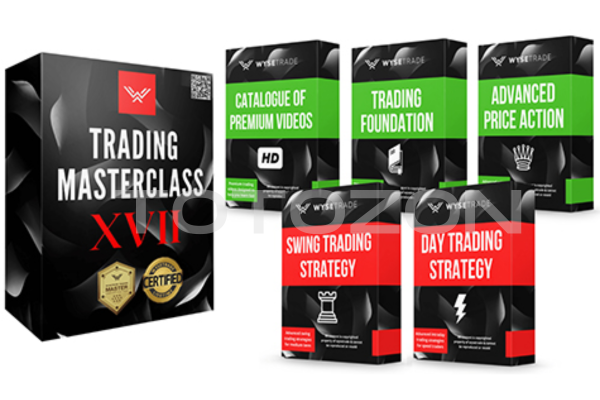 Trading Masterclass XVII with Wysetrade
1 × $6.00
Trading Masterclass XVII with Wysetrade
1 × $6.00 -
×
 4×4 Course with Gregoire Dupont
1 × $6.00
4×4 Course with Gregoire Dupont
1 × $6.00 -
×
 Best of the Best: Collars with Amy Meissner & Scott Ruble
1 × $15.00
Best of the Best: Collars with Amy Meissner & Scott Ruble
1 × $15.00 -
×
 Fibsdontlie - Fibs Don’t Lie Advanced Course
1 × $15.00
Fibsdontlie - Fibs Don’t Lie Advanced Course
1 × $15.00 -
×
 Myths of the Free Market with Kenneth Friedman
1 × $6.00
Myths of the Free Market with Kenneth Friedman
1 × $6.00 -
×
 3-Day Day Trading Seminar Online CD with John Carter & Hubert Senters
1 × $6.00
3-Day Day Trading Seminar Online CD with John Carter & Hubert Senters
1 × $6.00 -
×
 Euro Fractal Trading System with Cynthia Marcy, Erol Bortucene
1 × $6.00
Euro Fractal Trading System with Cynthia Marcy, Erol Bortucene
1 × $6.00 -
×
 Vertex Investing Course (2023)
1 × $8.00
Vertex Investing Course (2023)
1 × $8.00 -
×
 FXStreet Unrecorded Webinars Sept & Oct, 2011 with Sam Seiden
1 × $6.00
FXStreet Unrecorded Webinars Sept & Oct, 2011 with Sam Seiden
1 × $6.00 -
×
 Keynes & The Market with Justyn Walsh
1 × $6.00
Keynes & The Market with Justyn Walsh
1 × $6.00 -
×
 The Trading Vault with Anne-Marie Baiynd
1 × $54.00
The Trading Vault with Anne-Marie Baiynd
1 × $54.00 -
×
 How You Can Be Right While the Crowd Loses with Jack Bernstein
1 × $6.00
How You Can Be Right While the Crowd Loses with Jack Bernstein
1 × $6.00 -
×
 Crystal Ball Pack PLUS bonus Live Trade By Pat Mitchell - Trick Trades
1 × $20.00
Crystal Ball Pack PLUS bonus Live Trade By Pat Mitchell - Trick Trades
1 × $20.00 -
×
 60 Seconds Sure Shot Strategy with Albert E
1 × $6.00
60 Seconds Sure Shot Strategy with Albert E
1 × $6.00 -
×
 Code 6 + 7 Course with Oil Trading Academy
1 × $41.00
Code 6 + 7 Course with Oil Trading Academy
1 × $41.00 -
×
 The MissionFX Compounding Course with Nick Shawn
1 × $5.00
The MissionFX Compounding Course with Nick Shawn
1 × $5.00 -
×
 Defending Options with Simpler Options
1 × $6.00
Defending Options with Simpler Options
1 × $6.00 -
×
 Elite Gap Trading with Nick Santiago - InTheMoneyStocks
1 × $93.00
Elite Gap Trading with Nick Santiago - InTheMoneyStocks
1 × $93.00 -
×
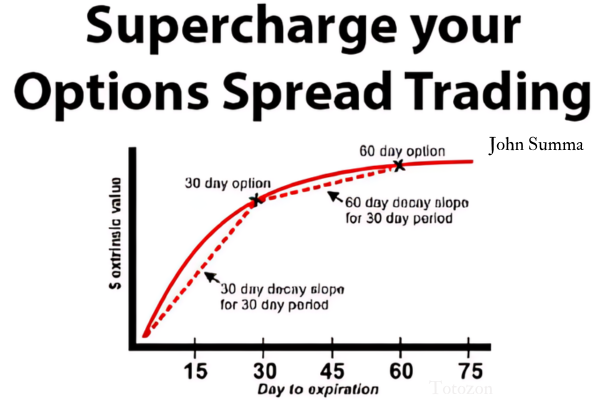 Supercharge your Options Spread Trading with John Summa
1 × $6.00
Supercharge your Options Spread Trading with John Summa
1 × $6.00 -
×
 6-2-4 Winning Strategies & Systems with Jack Bernstein
1 × $6.00
6-2-4 Winning Strategies & Systems with Jack Bernstein
1 × $6.00 -
×
 Sure-thing Options Trading: A Money-Making Guide to the New Listed Stock and Commodity Options Markets - George Angell
1 × $6.00
Sure-thing Options Trading: A Money-Making Guide to the New Listed Stock and Commodity Options Markets - George Angell
1 × $6.00 -
×
 Foundations of Technical Analysis (Article) with Andrew W.Lo
1 × $6.00
Foundations of Technical Analysis (Article) with Andrew W.Lo
1 × $6.00 -
×
 Advent Forex Course with Cecil Robles
1 × $6.00
Advent Forex Course with Cecil Robles
1 × $6.00 -
×
 Secret Forex Society Economic Reports (2006-2007) with Felix Homogratus
1 × $6.00
Secret Forex Society Economic Reports (2006-2007) with Felix Homogratus
1 × $6.00 -
×
 RiskDoctor RD2 – Intermediate Course to Options Trading the RiskDoctor Way - Charles Cottle
1 × $6.00
RiskDoctor RD2 – Intermediate Course to Options Trading the RiskDoctor Way - Charles Cottle
1 × $6.00 -
×
 Optionetics 2007 - Home Study Course, MP3
1 × $6.00
Optionetics 2007 - Home Study Course, MP3
1 × $6.00 -
×
 How To Read The Market Professionally with TradeSmart
1 × $27.00
How To Read The Market Professionally with TradeSmart
1 × $27.00 -
×
 The Bull Hunter with Dan Denning
1 × $6.00
The Bull Hunter with Dan Denning
1 × $6.00 -
×
 Betfair Scalper Trading Course
1 × $15.00
Betfair Scalper Trading Course
1 × $15.00 -
×
 Candlestick Trading for Maximum Profitsn with B.M.Davis
1 × $6.00
Candlestick Trading for Maximum Profitsn with B.M.Davis
1 × $6.00 -
×
 How to Trade Options 101 2021 with The Travel Trader
1 × $54.00
How to Trade Options 101 2021 with The Travel Trader
1 × $54.00 -
×
 Advanced Breakthroughs in Day Trading DVD course with George Angell
1 × $6.00
Advanced Breakthroughs in Day Trading DVD course with George Angell
1 × $6.00 -
×
 The Mathematics of Money Management. Risk Analysis Techniques for Traders
1 × $6.00
The Mathematics of Money Management. Risk Analysis Techniques for Traders
1 × $6.00 -
×
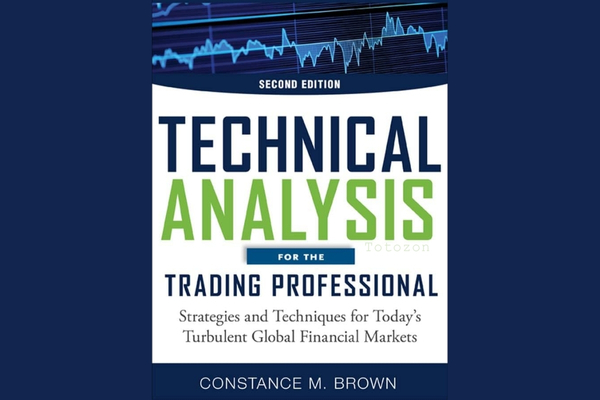 Technical Analysis for the Trading Professional with Constance Brown
1 × $6.00
Technical Analysis for the Trading Professional with Constance Brown
1 × $6.00 -
×
 SQX Mentorship with Tip Toe Hippo
1 × $23.00
SQX Mentorship with Tip Toe Hippo
1 × $23.00 -
×
 The Psychology Of Trading with Brett N.Steenbarger
1 × $6.00
The Psychology Of Trading with Brett N.Steenbarger
1 × $6.00 -
×
 Asset Allocation for the Individual Investor with CFA Institute
1 × $6.00
Asset Allocation for the Individual Investor with CFA Institute
1 × $6.00 -
×
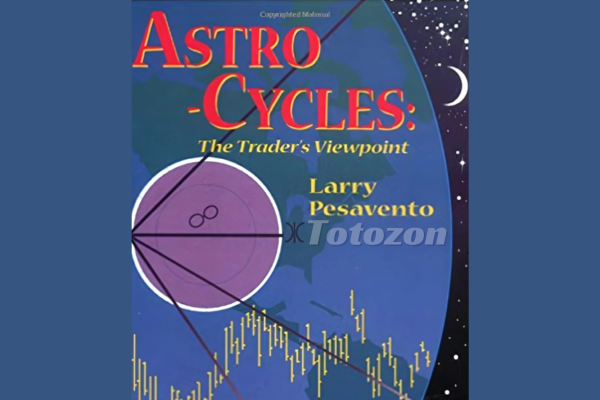 Astro Cycles with Larry Pesavento
1 × $6.00
Astro Cycles with Larry Pesavento
1 × $6.00 -
×
 The Dick Davis Dividend: Straight Talk on Making Money from 40 Years on Wall Street with Dick Davis
1 × $6.00
The Dick Davis Dividend: Straight Talk on Making Money from 40 Years on Wall Street with Dick Davis
1 × $6.00 -
×
 The Realistic Trader - Crypto Currencies
1 × $31.00
The Realistic Trader - Crypto Currencies
1 × $31.00 -
×
 Day Trading Institution 2.0 with Raul Gonzalez
1 × $5.00
Day Trading Institution 2.0 with Raul Gonzalez
1 × $5.00 -
×
 Equities with Peter Martin
1 × $6.00
Equities with Peter Martin
1 × $6.00 -
×
 Real Trade Examples Volume 1 with Steve Burns
1 × $15.00
Real Trade Examples Volume 1 with Steve Burns
1 × $15.00 -
×
 Edge Trading Group with Edge Elite
1 × $6.00
Edge Trading Group with Edge Elite
1 × $6.00 -
×
 W. D Gann 's Square Of 9 Applied To Modern Markets with Sean Avidar - Hexatrade350
1 × $23.00
W. D Gann 's Square Of 9 Applied To Modern Markets with Sean Avidar - Hexatrade350
1 × $23.00 -
×
 NQ Price Action Mastery with Trade Smart
1 × $15.00
NQ Price Action Mastery with Trade Smart
1 × $15.00 -
×
 You Don't Need No Stinkin' Stockbroker: Taking the Pulse of Your Investment Portfolio with Doug Cappiello & Steve Tanaka
1 × $6.00
You Don't Need No Stinkin' Stockbroker: Taking the Pulse of Your Investment Portfolio with Doug Cappiello & Steve Tanaka
1 × $6.00
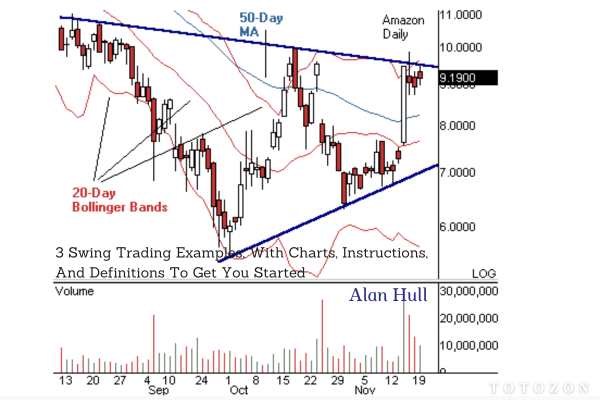
3 Swing Trading Examples, With Charts, Instructions, And Definitions To Get You Started by Alan Farley
$6.00
File Size: Cooming soon!
Delivery Time: 1–12 hours
Media Type: Online Course
Content Proof: Watch Here!
You may check content proof of “3 Swing Trading Examples, With Charts, Instructions, And Definitions To Get You Started by Alan Farley” below:

3 Swing Trading Examples, With Charts, Instructions, And Definitions To Get You Started by Alan Farley
Introduction
Swing trading is a popular strategy for capturing short- to medium-term gains in the stock market. Alan Farley, a seasoned trading expert, provides insightful examples that can help beginners and experienced traders alike. This article will walk you through three swing trading examples with charts, detailed instructions, and key definitions to get you started on your trading journey.
What is Swing Trading?
Definition
Swing trading involves holding positions for several days to weeks, aiming to profit from price swings. This strategy capitalizes on short-term trends and market volatility.
Why Choose Swing Trading?
Swing trading offers flexibility and requires less time commitment compared to day trading, making it suitable for individuals with other commitments.
Key Terms in Swing Trading
1. Entry Point
The price at which a trader buys a stock, initiating the trade.
2. Exit Point
The price at which a trader sells a stock, concluding the trade.
3. Stop-Loss Order
An order placed to sell a stock when it reaches a certain price, limiting potential losses.
4. Resistance Level
A price level at which a stock tends to stop rising, encountering selling pressure.
5. Support Level
A price level at which a stock tends to stop falling, encountering buying interest.
Swing Trading Example 1: Moving Average Crossover
Step-by-Step Instructions
1. Identify the Moving Averages
Use a 50-day simple moving average (SMA) and a 200-day SMA. These averages help identify the overall trend.
2. Look for a Crossover
A bullish signal occurs when the 50-day SMA crosses above the 200-day SMA, indicating a potential uptrend.
3. Enter the Trade
Buy the stock when the crossover is confirmed.
4. Set a Stop-Loss Order
Place a stop-loss order below a recent support level to manage risk.
5. Determine the Exit Point
Sell the stock when the 50-day SMA crosses below the 200-day SMA, indicating a potential downtrend.
Chart Example
Swing Trading Example 2: RSI Overbought/Oversold
Step-by-Step Instructions
1. Set Up the RSI Indicator
Use the Relative Strength Index (RSI) with a 14-day period. RSI measures the speed and change of price movements.
2. Identify Overbought/Oversold Conditions
RSI values above 70 indicate overbought conditions, while values below 30 indicate oversold conditions.
3. Enter the Trade
- Buy Signal: When RSI moves below 30 and then rises back above it, indicating the stock is recovering from oversold conditions.
- Sell Signal: When RSI moves above 70 and then falls back below it, indicating the stock is retreating from overbought conditions.
4. Set a Stop-Loss Order
Place a stop-loss order below the recent low for a buy signal or above the recent high for a sell signal.
5. Determine the Exit Point
Exit the trade when RSI returns to neutral levels (typically around 50) or if a stop-loss is triggered.
Chart Example
Swing Trading Example 3: Cup and Handle Pattern
Step-by-Step Instructions
1. Identify the Pattern
Look for a “cup” shape on the price chart, followed by a small consolidation forming the “handle.”
2. Confirm the Pattern
The cup should be U-shaped and not too deep, with the handle forming near the cup’s high point.
3. Enter the Trade
Buy the stock when the price breaks out above the handle’s resistance level.
4. Set a Stop-Loss Order
Place a stop-loss order below the bottom of the handle to manage risk.
5. Determine the Exit Point
Sell the stock at a predetermined profit target, often calculated as the height of the cup added to the breakout point.
Chart Example
Conclusion
Swing trading can be a highly effective strategy for capturing gains in the stock market. By following Alan Farley’s examples and using the right technical tools, you can enhance your trading skills and increase your chances of success. Remember, consistency and risk management are key to profitable trading.
FAQs
1. What is the best time frame for swing trading?
Swing trading typically involves holding positions for several days to weeks, so daily and weekly charts are most useful.
2. How much capital do I need to start swing trading?
The amount of capital needed can vary, but starting with at least $5,000 to $10,000 is recommended to allow for diversification and risk management.
3. Can swing trading be automated?
Yes, many traders use automated trading systems and algorithms to execute swing trades based on predefined criteria.
4. How do I choose the right stocks for swing trading?
Look for stocks with high liquidity, clear trends, and significant price swings. Screen for technical indicators that align with your strategy.
5. Is swing trading suitable for beginners?
Swing trading can be suitable for beginners, especially those who take the time to learn and practice basic trading principles and risk management.
Be the first to review “3 Swing Trading Examples, With Charts, Instructions, And Definitions To Get You Started by Alan Farley”
You must be logged in to post a review.
Related products

Original price was: $997.00.$8.00Current price is: $8.00.

Original price was: $497.00.$11.00Current price is: $11.00.

Original price was: $450.00.$23.00Current price is: $23.00.
Forex Trading
Original price was: $499.00.$15.00Current price is: $15.00.

Forex Trading
Quantamentals – The Next Great Forefront Of Trading and Investing with Trading Markets
Original price was: $1,495.00.$8.00Current price is: $8.00.

Forex Trading
Original price was: $1,098.00.$39.00Current price is: $39.00.

Forex Trading
Original price was: $2,000.00.$23.00Current price is: $23.00.

Original price was: $700.00.$39.00Current price is: $39.00.

Original price was: $895.00.$15.00Current price is: $15.00.

Forex Trading
Original price was: $697.00.$5.00Current price is: $5.00.

Forex Trading
Original price was: $500.00.$5.00Current price is: $5.00.

Forex Trading
Original price was: $397.00.$31.00Current price is: $31.00.
Forex Trading
Original price was: $249.00.$15.00Current price is: $15.00.
Forex Trading
The Complete Guide to Multiple Time Frame Analysis & Reading Price Action with Aiman Almansoori
Original price was: $1,399.00.$13.00Current price is: $13.00.
Forex Trading
Original price was: $2,997.00.$23.00Current price is: $23.00.

Forex Trading
Original price was: $1,898.00.$10.00Current price is: $10.00.

Forex Trading
Original price was: $125.00.$17.00Current price is: $17.00.

Original price was: $197.00.$5.00Current price is: $5.00.

Forex Trading
Original price was: $799.00.$15.00Current price is: $15.00.

Original price was: $999.00.$5.00Current price is: $5.00.
Reviews
There are no reviews yet.