
-
×
 The PPS Trading System with Curtis Arnold
1 × $6.00
The PPS Trading System with Curtis Arnold
1 × $6.00 -
×
 The Psychology of Investing with John Nofsinger
1 × $6.00
The Psychology of Investing with John Nofsinger
1 × $6.00 -
×
 You AreThe Indicator Online Course
1 × $31.00
You AreThe Indicator Online Course
1 × $31.00 -
×
 Options Trading Course with Consistent Options Income
1 × $5.00
Options Trading Course with Consistent Options Income
1 × $5.00 -
×
 Level II Trading Warfare - The Undergroundtrader's Powerful Weapons for Winning - Jea Yu
1 × $6.00
Level II Trading Warfare - The Undergroundtrader's Powerful Weapons for Winning - Jea Yu
1 × $6.00 -
×
 Contrarian Trading Class with Jeff Bierman
1 × $6.00
Contrarian Trading Class with Jeff Bierman
1 × $6.00 -
×
 RiskDoctor RD2 – Intermediate Course to Options Trading the RiskDoctor Way - Charles Cottle
1 × $6.00
RiskDoctor RD2 – Intermediate Course to Options Trading the RiskDoctor Way - Charles Cottle
1 × $6.00 -
×
 The Trading Blueprint with Brad Goh - The Trading Geek
1 × $5.00
The Trading Blueprint with Brad Goh - The Trading Geek
1 × $5.00 -
×
 Expert Forex Systems with Andrew Fields
1 × $6.00
Expert Forex Systems with Andrew Fields
1 × $6.00 -
×
 Cycle Hunter Book 4 with Brian James Sklenka
1 × $6.00
Cycle Hunter Book 4 with Brian James Sklenka
1 × $6.00 -
×
 Simple Smart Forex Renko Program with Nikos Mermigas
1 × $10.00
Simple Smart Forex Renko Program with Nikos Mermigas
1 × $10.00 -
×
 Profiletraders - MARKET PROFILE TACTICAL STRATEGIES FOR DAY TRADING
1 × $23.00
Profiletraders - MARKET PROFILE TACTICAL STRATEGIES FOR DAY TRADING
1 × $23.00 -
×
 Sacredscience - Edward Johndro – Collected Articles
1 × $6.00
Sacredscience - Edward Johndro – Collected Articles
1 × $6.00 -
×
 Candlestick Patterns to Master Forex Trading Price Action with Federico Sellitti
1 × $6.00
Candlestick Patterns to Master Forex Trading Price Action with Federico Sellitti
1 × $6.00 -
×
 Fibonacci Analysis with Constance Brown
1 × $6.00
Fibonacci Analysis with Constance Brown
1 × $6.00 -
×
 Matrix Spread Options Trading Course with Base Camp Trading
1 × $31.00
Matrix Spread Options Trading Course with Base Camp Trading
1 × $31.00 -
×
 Jack Corsellis Bundle 2021 Full Course with Jack Corsellis
1 × $5.00
Jack Corsellis Bundle 2021 Full Course with Jack Corsellis
1 × $5.00 -
×
 Fibonacci – CCI Workshop Recording Series (2006 & 2008)
1 × $6.00
Fibonacci – CCI Workshop Recording Series (2006 & 2008)
1 × $6.00 -
×
 Option Hydra - June 2020 Edition - Basics By Rajandran R
1 × $23.00
Option Hydra - June 2020 Edition - Basics By Rajandran R
1 × $23.00 -
×
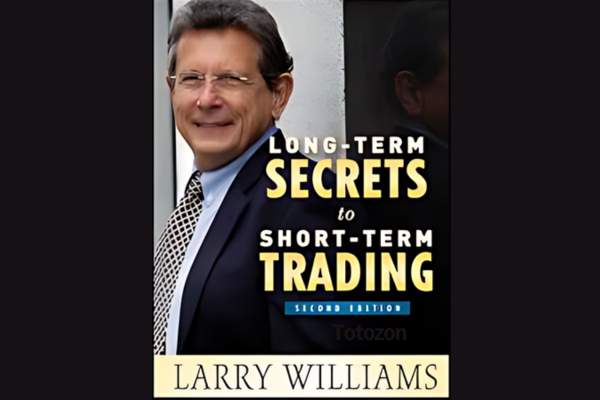 Long-Term Secrets to Short-Term Trading (Ebook) with Larry Williams
1 × $6.00
Long-Term Secrets to Short-Term Trading (Ebook) with Larry Williams
1 × $6.00 -
×
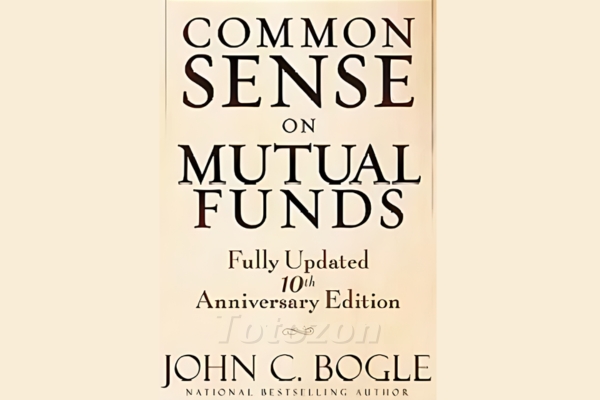 Common Sense on Mutual Funds: Fully Updated 10th Anniversary Edition with John Bogle
1 × $6.00
Common Sense on Mutual Funds: Fully Updated 10th Anniversary Edition with John Bogle
1 × $6.00 -
×
 Gold. Symmetrycs Trading Method with Joseph Rondione
1 × $6.00
Gold. Symmetrycs Trading Method with Joseph Rondione
1 × $6.00 -
×
 Spread Trading Webinar
1 × $6.00
Spread Trading Webinar
1 × $6.00 -
×
 KP Trading Room w/ Paladin and JadeCapFX
1 × $5.00
KP Trading Room w/ Paladin and JadeCapFX
1 × $5.00 -
×
 Chart Pattern Profits
1 × $6.00
Chart Pattern Profits
1 × $6.00 -
×
 E75 Forex System with James de Wet
1 × $6.00
E75 Forex System with James de Wet
1 × $6.00 -
×
 Predicting Market Trends with Periodic Number Cycle
1 × $6.00
Predicting Market Trends with Periodic Number Cycle
1 × $6.00 -
×
 Sacredscience - W.F.Whitehead – Occultism Simplified
1 × $6.00
Sacredscience - W.F.Whitehead – Occultism Simplified
1 × $6.00 -
×
 Market Neutral Strategies with Bruce I.Jacobs & Kenneth N.Levy
1 × $6.00
Market Neutral Strategies with Bruce I.Jacobs & Kenneth N.Levy
1 × $6.00 -
×
 Smart Money Trading Course with Prosperity Academy
1 × $5.00
Smart Money Trading Course with Prosperity Academy
1 × $5.00 -
×
 The A14 Weekly Option Strategy Workshop with Amy Meissner
1 × $23.00
The A14 Weekly Option Strategy Workshop with Amy Meissner
1 × $23.00 -
×
 Put Option Strategies for Smarter Trading with Michael Thomsett
1 × $6.00
Put Option Strategies for Smarter Trading with Michael Thomsett
1 × $6.00 -
×
 Foundations of Forex Trading with TradeSmart University
1 × $6.00
Foundations of Forex Trading with TradeSmart University
1 × $6.00 -
×
 Order flow self-study training program with iMFtracker
1 × $10.00
Order flow self-study training program with iMFtracker
1 × $10.00 -
×
 Buying and Selling Volatility with Kevin B.Connolly
1 × $6.00
Buying and Selling Volatility with Kevin B.Connolly
1 × $6.00 -
×
 Crypto Trading Academy with Cheeky Investor - Aussie Day Trader
1 × $13.00
Crypto Trading Academy with Cheeky Investor - Aussie Day Trader
1 × $13.00 -
×
 Elliott Wave Forex Course
1 × $6.00
Elliott Wave Forex Course
1 × $6.00 -
×
 A Trader’s Guide To Discipline
1 × $6.00
A Trader’s Guide To Discipline
1 × $6.00 -
×
 Trading Calendar Spreads with Option Pit
1 × $39.00
Trading Calendar Spreads with Option Pit
1 × $39.00 -
×
 FOREX UNLIMITED WEALTH EA
1 × $6.00
FOREX UNLIMITED WEALTH EA
1 × $6.00 -
×
 Ultimate Trading Course with Dodgy's Dungeon
1 × $8.00
Ultimate Trading Course with Dodgy's Dungeon
1 × $8.00 -
×
 Predicting Next Weeks’s Range with Charles Drummond
1 × $6.00
Predicting Next Weeks’s Range with Charles Drummond
1 × $6.00 -
×
 The Index Trading Course Workbook: Step-by-Step Exercises and Tests to Help You Master The Index Trading Course with George Fontanills & Tom Gentile
1 × $6.00
The Index Trading Course Workbook: Step-by-Step Exercises and Tests to Help You Master The Index Trading Course with George Fontanills & Tom Gentile
1 × $6.00 -
×
 Concerning The More Certain Fundamentals Of Astrology
1 × $6.00
Concerning The More Certain Fundamentals Of Astrology
1 × $6.00 -
×
 Support and Resistance Trading with Rob Booker
1 × $6.00
Support and Resistance Trading with Rob Booker
1 × $6.00 -
×
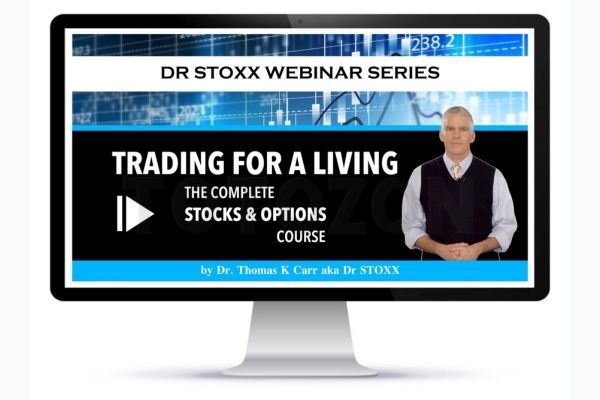 Trading For a Living By Thomas Carr (Dr. Stoxx)
1 × $34.00
Trading For a Living By Thomas Carr (Dr. Stoxx)
1 × $34.00 -
×
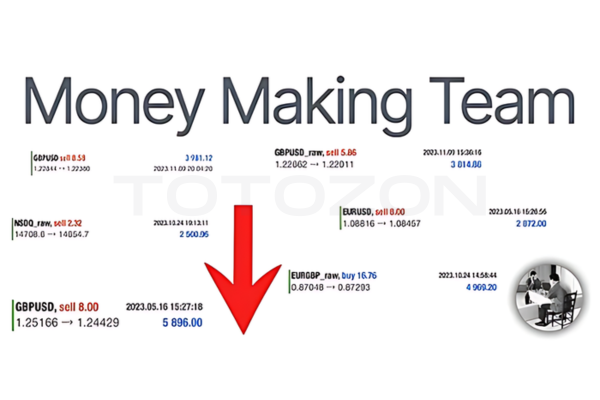 Arjoio’s MMT - Essential Package
1 × $5.00
Arjoio’s MMT - Essential Package
1 × $5.00 -
×
 Technical Analysis for the Trading Professional with Constance Brown
1 × $6.00
Technical Analysis for the Trading Professional with Constance Brown
1 × $6.00 -
×
 Rule Based Price Action with Trader Divergent
1 × $5.00
Rule Based Price Action with Trader Divergent
1 × $5.00 -
×
 Scalp Strategy and Flipping Small Accounts with Opes Trading Group
1 × $5.00
Scalp Strategy and Flipping Small Accounts with Opes Trading Group
1 × $5.00 -
×
 Traders Workshop – Forex Full Course with Jason Stapleton
1 × $6.00
Traders Workshop – Forex Full Course with Jason Stapleton
1 × $6.00 -
×
 White Phoenix’s The Smart (Money) Approach to Trading with Jayson Casper
1 × $39.00
White Phoenix’s The Smart (Money) Approach to Trading with Jayson Casper
1 × $39.00 -
×
 Campaign Trading with John Sweeney
1 × $6.00
Campaign Trading with John Sweeney
1 × $6.00 -
×
 Private Ephemeris 1941-1950
1 × $23.00
Private Ephemeris 1941-1950
1 × $23.00 -
×
 The Banker’s Edge Webinar & Extras
1 × $6.00
The Banker’s Edge Webinar & Extras
1 × $6.00 -
×
 Researching your Trade
1 × $6.00
Researching your Trade
1 × $6.00 -
×
 FOREX Master Blueprint 2010 - 1 DVD + Manual with Forexmentor Frank Paul
1 × $6.00
FOREX Master Blueprint 2010 - 1 DVD + Manual with Forexmentor Frank Paul
1 × $6.00 -
×
 F.A.M.E. Home Study Course with Doug Sutton
1 × $6.00
F.A.M.E. Home Study Course with Doug Sutton
1 × $6.00 -
×
 Cycles: What they are, what they mean, how to profit by them - Dick Stoken
1 × $6.00
Cycles: What they are, what they mean, how to profit by them - Dick Stoken
1 × $6.00 -
×
 Mastering Candlestick Charts II with Greg Capra
1 × $6.00
Mastering Candlestick Charts II with Greg Capra
1 × $6.00 -
×
 Daily Market Review 2009-2012 (Video 16 GB) with David Vallieres
1 × $6.00
Daily Market Review 2009-2012 (Video 16 GB) with David Vallieres
1 × $6.00 -
×
 Forex Master Levels with Nicola Delic
1 × $15.00
Forex Master Levels with Nicola Delic
1 × $15.00 -
×
 Forex Trading Secrets. Trading Strategies for the Forex Market
1 × $6.00
Forex Trading Secrets. Trading Strategies for the Forex Market
1 × $6.00 -
×
 Lepus Proprietary Trading with Richard Jackson
1 × $6.00
Lepus Proprietary Trading with Richard Jackson
1 × $6.00 -
×
 All in One Forex Course with VintagEducation
1 × $31.00
All in One Forex Course with VintagEducation
1 × $31.00 -
×
 Play to Win with David La Piana & Michaela Hayes
1 × $6.00
Play to Win with David La Piana & Michaela Hayes
1 × $6.00 -
×
 The Orderflows Trade Opportunities Encyclopedia with Michael Valtos
1 × $8.00
The Orderflows Trade Opportunities Encyclopedia with Michael Valtos
1 × $8.00
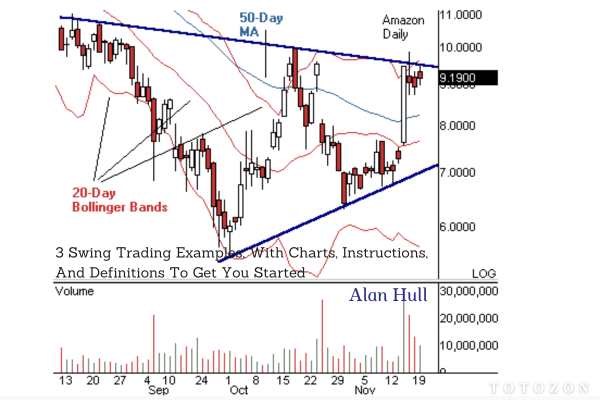
3 Swing Trading Examples, With Charts, Instructions, And Definitions To Get You Started by Alan Farley
$6.00
File Size: Cooming soon!
Delivery Time: 1–12 hours
Media Type: Online Course
Content Proof: Watch Here!
You may check content proof of “3 Swing Trading Examples, With Charts, Instructions, And Definitions To Get You Started by Alan Farley” below:

3 Swing Trading Examples, With Charts, Instructions, And Definitions To Get You Started by Alan Farley
Introduction
Swing trading is a popular strategy for capturing short- to medium-term gains in the stock market. Alan Farley, a seasoned trading expert, provides insightful examples that can help beginners and experienced traders alike. This article will walk you through three swing trading examples with charts, detailed instructions, and key definitions to get you started on your trading journey.
What is Swing Trading?
Definition
Swing trading involves holding positions for several days to weeks, aiming to profit from price swings. This strategy capitalizes on short-term trends and market volatility.
Why Choose Swing Trading?
Swing trading offers flexibility and requires less time commitment compared to day trading, making it suitable for individuals with other commitments.
Key Terms in Swing Trading
1. Entry Point
The price at which a trader buys a stock, initiating the trade.
2. Exit Point
The price at which a trader sells a stock, concluding the trade.
3. Stop-Loss Order
An order placed to sell a stock when it reaches a certain price, limiting potential losses.
4. Resistance Level
A price level at which a stock tends to stop rising, encountering selling pressure.
5. Support Level
A price level at which a stock tends to stop falling, encountering buying interest.
Swing Trading Example 1: Moving Average Crossover
Step-by-Step Instructions
1. Identify the Moving Averages
Use a 50-day simple moving average (SMA) and a 200-day SMA. These averages help identify the overall trend.
2. Look for a Crossover
A bullish signal occurs when the 50-day SMA crosses above the 200-day SMA, indicating a potential uptrend.
3. Enter the Trade
Buy the stock when the crossover is confirmed.
4. Set a Stop-Loss Order
Place a stop-loss order below a recent support level to manage risk.
5. Determine the Exit Point
Sell the stock when the 50-day SMA crosses below the 200-day SMA, indicating a potential downtrend.
Chart Example
Swing Trading Example 2: RSI Overbought/Oversold
Step-by-Step Instructions
1. Set Up the RSI Indicator
Use the Relative Strength Index (RSI) with a 14-day period. RSI measures the speed and change of price movements.
2. Identify Overbought/Oversold Conditions
RSI values above 70 indicate overbought conditions, while values below 30 indicate oversold conditions.
3. Enter the Trade
- Buy Signal: When RSI moves below 30 and then rises back above it, indicating the stock is recovering from oversold conditions.
- Sell Signal: When RSI moves above 70 and then falls back below it, indicating the stock is retreating from overbought conditions.
4. Set a Stop-Loss Order
Place a stop-loss order below the recent low for a buy signal or above the recent high for a sell signal.
5. Determine the Exit Point
Exit the trade when RSI returns to neutral levels (typically around 50) or if a stop-loss is triggered.
Chart Example
Swing Trading Example 3: Cup and Handle Pattern
Step-by-Step Instructions
1. Identify the Pattern
Look for a “cup” shape on the price chart, followed by a small consolidation forming the “handle.”
2. Confirm the Pattern
The cup should be U-shaped and not too deep, with the handle forming near the cup’s high point.
3. Enter the Trade
Buy the stock when the price breaks out above the handle’s resistance level.
4. Set a Stop-Loss Order
Place a stop-loss order below the bottom of the handle to manage risk.
5. Determine the Exit Point
Sell the stock at a predetermined profit target, often calculated as the height of the cup added to the breakout point.
Chart Example
Conclusion
Swing trading can be a highly effective strategy for capturing gains in the stock market. By following Alan Farley’s examples and using the right technical tools, you can enhance your trading skills and increase your chances of success. Remember, consistency and risk management are key to profitable trading.
FAQs
1. What is the best time frame for swing trading?
Swing trading typically involves holding positions for several days to weeks, so daily and weekly charts are most useful.
2. How much capital do I need to start swing trading?
The amount of capital needed can vary, but starting with at least $5,000 to $10,000 is recommended to allow for diversification and risk management.
3. Can swing trading be automated?
Yes, many traders use automated trading systems and algorithms to execute swing trades based on predefined criteria.
4. How do I choose the right stocks for swing trading?
Look for stocks with high liquidity, clear trends, and significant price swings. Screen for technical indicators that align with your strategy.
5. Is swing trading suitable for beginners?
Swing trading can be suitable for beginners, especially those who take the time to learn and practice basic trading principles and risk management.
Be the first to review “3 Swing Trading Examples, With Charts, Instructions, And Definitions To Get You Started by Alan Farley”
You must be logged in to post a review.
Related products
Original price was: $999.00.$5.00Current price is: $5.00.
Original price was: $997.00.$13.00Current price is: $13.00.

Original price was: $139.00.$23.00Current price is: $23.00.

Original price was: $1,200.00.$23.00Current price is: $23.00.

Original price was: $895.00.$15.00Current price is: $15.00.

Original price was: $1,849.00.$15.00Current price is: $15.00.
Original price was: $299.00.$8.00Current price is: $8.00.

Forex Trading
Original price was: $2,995.00.$31.00Current price is: $31.00.

Forex Trading
Original price was: $1,098.00.$39.00Current price is: $39.00.

Forex Trading
Original price was: $999.00.$15.00Current price is: $15.00.
Original price was: $310.00.$23.00Current price is: $23.00.
Forex Trading
Original price was: $239.00.$8.00Current price is: $8.00.

Forex Trading
Original price was: $2,997.00.$23.00Current price is: $23.00.

Forex Trading
Original price was: $799.00.$15.00Current price is: $15.00.

Original price was: $997.00.$8.00Current price is: $8.00.

Original price was: $197.00.$5.00Current price is: $5.00.

Forex Trading
Original price was: $499.00.$15.00Current price is: $15.00.

Original price was: $1,800.00.$54.00Current price is: $54.00.

Original price was: $2,120.00.$15.00Current price is: $15.00.

Forex Trading
Original price was: $550.00.$5.00Current price is: $5.00.
Reviews
There are no reviews yet.