
-
×
 The Prop Trading Code with Brannigan Barrett - Axia Futures
1 × $23.00
The Prop Trading Code with Brannigan Barrett - Axia Futures
1 × $23.00 -
×
 Bond Market Course with The Macro Compass
1 × $15.00
Bond Market Course with The Macro Compass
1 × $15.00 -
×
 The Trading Blueprint with Brad Goh - The Trading Geek
1 × $5.00
The Trading Blueprint with Brad Goh - The Trading Geek
1 × $5.00 -
×
 Profitable Strategies with Gemify Academy
1 × $10.00
Profitable Strategies with Gemify Academy
1 × $10.00 -
×
 TradeCraft: Your Path to Peak Performance Trading By Adam Grimes
1 × $15.00
TradeCraft: Your Path to Peak Performance Trading By Adam Grimes
1 × $15.00 -
×
 The Naked Eye: Raw Data Analytics with Edgar Torres - Raw Data Analytics
1 × $8.00
The Naked Eye: Raw Data Analytics with Edgar Torres - Raw Data Analytics
1 × $8.00 -
×
 Butterfly and Condor Workshop with Aeromir
1 × $15.00
Butterfly and Condor Workshop with Aeromir
1 × $15.00 -
×
 Essentials in Quantitative Trading QT01 By HangukQuant's
1 × $23.00
Essentials in Quantitative Trading QT01 By HangukQuant's
1 × $23.00 -
×
 Order flow self-study training program with iMFtracker
1 × $10.00
Order flow self-study training program with iMFtracker
1 × $10.00 -
×
 Traders Winning Edge with Adrienne Laris Toghraie
1 × $6.00
Traders Winning Edge with Adrienne Laris Toghraie
1 × $6.00 -
×
 The Orderflow Masterclass with PrimeTrading
1 × $17.00
The Orderflow Masterclass with PrimeTrading
1 × $17.00 -
×
 Divorcing the Dow: Using Revolutionary Market Indicators to Profit from the Stealth Boom Ahead - Jim Troup & Sharon Michalsky
1 × $6.00
Divorcing the Dow: Using Revolutionary Market Indicators to Profit from the Stealth Boom Ahead - Jim Troup & Sharon Michalsky
1 × $6.00 -
×
 Contrarian Investment Strategies: The Next Generation with David Dreman
1 × $4.00
Contrarian Investment Strategies: The Next Generation with David Dreman
1 × $4.00 -
×
 How to be a Sector Investor with Larry Hungerford & Steve Hungerford
1 × $4.00
How to be a Sector Investor with Larry Hungerford & Steve Hungerford
1 × $4.00 -
×
 The Orderflows Trade Opportunities Encyclopedia with Michael Valtos
1 × $8.00
The Orderflows Trade Opportunities Encyclopedia with Michael Valtos
1 × $8.00 -
×
 Quantitative Trading and Money Management, Revised Edition (5th Edition) with Fred Gehm
1 × $6.00
Quantitative Trading and Money Management, Revised Edition (5th Edition) with Fred Gehm
1 × $6.00 -
×
 YTC Price Action Trader
1 × $6.00
YTC Price Action Trader
1 × $6.00 -
×
 Confidence Game. How a Hadge Fund Manager Called Wall Street’s Bluff with Christine Richard
1 × $6.00
Confidence Game. How a Hadge Fund Manager Called Wall Street’s Bluff with Christine Richard
1 × $6.00 -
×
 $20 – 52k 20 pips a day challange with Rafał Zuchowicz - TopMasterTrader
1 × $5.00
$20 – 52k 20 pips a day challange with Rafał Zuchowicz - TopMasterTrader
1 × $5.00 -
×
 The Best Option Trading Course with David Jaffee - Best Stock Strategy
1 × $15.00
The Best Option Trading Course with David Jaffee - Best Stock Strategy
1 × $15.00 -
×
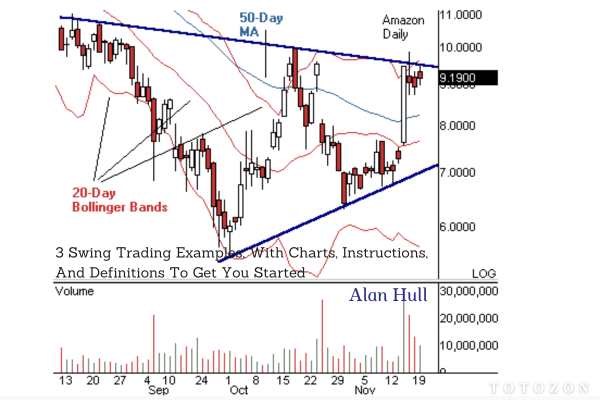 3 Swing Trading Examples, With Charts, Instructions, And Definitions To Get You Started by Alan Farley
1 × $6.00
3 Swing Trading Examples, With Charts, Instructions, And Definitions To Get You Started by Alan Farley
1 × $6.00 -
×
 White Phoenix’s The Smart (Money) Approach to Trading with Jayson Casper
1 × $39.00
White Phoenix’s The Smart (Money) Approach to Trading with Jayson Casper
1 × $39.00 -
×
 Candlestick Charting Explained with Greg Morris
1 × $8.00
Candlestick Charting Explained with Greg Morris
1 × $8.00 -
×
 Passages To Profitability: A Comprehensive Guide To Channel Trading with Professor Jeff Bierman, CMT
1 × $6.00
Passages To Profitability: A Comprehensive Guide To Channel Trading with Professor Jeff Bierman, CMT
1 × $6.00 -
×
 Forecast 2024 Clarification with Larry Williams
1 × $15.00
Forecast 2024 Clarification with Larry Williams
1 × $15.00 -
×
 W. D Gann 's Square Of 9 Applied To Modern Markets with Sean Avidar - Hexatrade350
1 × $23.00
W. D Gann 's Square Of 9 Applied To Modern Markets with Sean Avidar - Hexatrade350
1 × $23.00 -
×
 The All Put Flat Butterfly with Dan Sheridan - Sheridan Options Mentoring
1 × $6.00
The All Put Flat Butterfly with Dan Sheridan - Sheridan Options Mentoring
1 × $6.00 -
×
 Professional Approaches to Directional Option Trading with Option Pit
1 × $23.00
Professional Approaches to Directional Option Trading with Option Pit
1 × $23.00 -
×
 The Handbook of Chaos Control with H.G.Schuster
1 × $6.00
The Handbook of Chaos Control with H.G.Schuster
1 × $6.00 -
×
 Stock Market Investing for Financial Independence & Retiring Early with Amon & Christina
1 × $15.00
Stock Market Investing for Financial Independence & Retiring Early with Amon & Christina
1 × $15.00 -
×
 Swing Trading Futures & Commodities with the COT
1 × $93.00
Swing Trading Futures & Commodities with the COT
1 × $93.00 -
×
 The Chaos Course. Cash in on Chaos with Hans Hannula
1 × $6.00
The Chaos Course. Cash in on Chaos with Hans Hannula
1 × $6.00 -
×
 Options 201: Vertical and Calendar Spread Essentials 5 Part Class with Don Kaufman On Demand Replay
1 × $6.00
Options 201: Vertical and Calendar Spread Essentials 5 Part Class with Don Kaufman On Demand Replay
1 × $6.00 -
×
 Sequence Trading Course with Kevin Haggerty
1 × $4.00
Sequence Trading Course with Kevin Haggerty
1 × $4.00 -
×
 Algo Trading Masterclass with Ali Casey - StatOasis
1 × $23.00
Algo Trading Masterclass with Ali Casey - StatOasis
1 × $23.00 -
×
 WondaFX Signature Strategy with WondaFX
1 × $5.00
WondaFX Signature Strategy with WondaFX
1 × $5.00 -
×
 A Working Man's Forex Position Trading System 2010 with Alan Benefield
1 × $6.00
A Working Man's Forex Position Trading System 2010 with Alan Benefield
1 × $6.00 -
×
 Quantamentals - The Next Great Forefront Of Trading and Investing with Trading Markets
1 × $8.00
Quantamentals - The Next Great Forefront Of Trading and Investing with Trading Markets
1 × $8.00

Twelve Ways to Survive the Next Twelve Months with Adam Lass
$6.00
File Size: Cooming soon!
Delivery Time: 1–12 hours
Media Type: Online Course
Content Proof: Watch Here!
You may check content proof of “Twelve Ways to Survive the Next Twelve Months with Adam Lass” below:

Twelve Ways to Survive the Next Twelve Months with Adam Lass
Introduction to Surviving the Next Year
The future can be unpredictable, but with the right strategies, we can navigate through uncertainty. Adam Lass, a renowned financial strategist, offers insightful advice on how to survive and thrive over the next twelve months. In this article, we will explore twelve practical ways to ensure financial stability and personal well-being during challenging times.
Who is Adam Lass?
Adam Lass is an expert in financial planning and market analysis, known for his pragmatic approach to managing personal finances. His insights have helped many individuals and businesses prepare for economic fluctuations.
1. Assess Your Financial Situation
The first step to surviving the next twelve months is to understand your current financial position.
Create a Budget
- Track Income and Expenses: Knowing where your money is coming from and where it’s going is crucial.
- Identify Areas for Savings: Look for non-essential expenses that can be cut back.
Emergency Fund
- Build a Safety Net: Aim to save at least three to six months’ worth of living expenses.
- Regular Contributions: Make consistent deposits into your emergency fund.
2. Reduce Unnecessary Expenses
Cutting down on non-essential spending can free up resources for more important needs.
Review Subscriptions
- Cancel Unused Services: Identify and eliminate subscriptions you no longer use.
- Negotiate Rates: Contact service providers to negotiate lower rates.
Smart Shopping
- Use Coupons and Discounts: Take advantage of sales and discount codes.
- Buy in Bulk: Purchasing non-perishable items in bulk can save money in the long run.
3. Diversify Income Streams
Relying on a single source of income can be risky. Diversifying can provide a financial cushion.
Freelance Work
- Identify Skills: Leverage your skills to find freelance opportunities.
- Platforms to Explore: Websites like Upwork and Fiverr can connect you with potential clients.
Side Businesses
- Small Business Ideas: Consider starting a small business or a side hustle.
- Market Research: Ensure there is a demand for your product or service.
4. Invest Wisely
Investing can help grow your wealth over time, but it’s important to make informed decisions.
Research Investments
- Stocks and Bonds: Understand the basics of investing in stocks and bonds.
- Diversify Portfolio: Spread investments across different asset classes to reduce risk.
Consult Financial Advisors
- Professional Advice: Seek guidance from financial advisors to make better investment choices.
- Stay Informed: Keep up with market trends and economic news.
5. Plan for the Long Term
Long-term planning can provide direction and help you stay focused on your goals.
Set Financial Goals
- Short-Term and Long-Term: Define what you want to achieve financially in the short and long term.
- Action Plan: Create a plan outlining the steps needed to reach your goals.
Retirement Planning
- Contribute to Retirement Accounts: Regularly contribute to your 401(k) or IRA.
- Review Retirement Plan: Ensure your retirement plan aligns with your financial goals.
6. Improve Personal Skills
Investing in yourself can pay off in the long run, both financially and personally.
Continued Education
- Online Courses: Platforms like Coursera and Udemy offer affordable courses.
- Professional Certifications: Consider obtaining certifications relevant to your field.
Networking
- Build Connections: Attend industry events and join professional groups.
- Seek Mentorship: Find mentors who can provide guidance and support.
7. Maintain Health and Well-Being
Your health is your greatest asset. Maintaining it can prevent costly medical expenses.
Healthy Lifestyle
- Exercise Regularly: Aim for at least 30 minutes of physical activity each day.
- Balanced Diet: Eat a diet rich in fruits, vegetables, and lean proteins.
Mental Health
- Stress Management: Practice stress-reducing activities like meditation and yoga.
- Seek Help: Don’t hesitate to seek professional help if needed.
8. Manage Debt
Managing and reducing debt is crucial for financial stability.
Debt Repayment Plan
- Prioritize High-Interest Debt: Focus on paying off high-interest debt first.
- Consolidate Debt: Consider consolidating multiple debts into a single payment.
Avoid New Debt
- Use Credit Wisely: Only use credit for essential purchases.
- Build Savings: Aim to pay for expenses with savings rather than credit.
9. Insure Your Assets
Insurance can protect you from significant financial losses.
Health Insurance
- Review Coverage: Ensure your health insurance covers essential medical needs.
- Shop Around: Compare different health insurance plans to find the best fit.
Property Insurance
- Home and Auto: Ensure you have adequate coverage for your home and vehicle.
- Liability Insurance: Consider liability insurance to protect against lawsuits.
10. Stay Informed
Keeping up with current events and market trends can help you make better financial decisions.
News Sources
- Reliable Sources: Follow reliable financial news outlets.
- Regular Updates: Stay informed about changes in the economy and financial markets.
Financial Literacy
- Read Books: Educate yourself with books on personal finance and investing.
- Online Resources: Utilize online resources and webinars to enhance your knowledge.
11. Emergency Preparedness
Being prepared for emergencies can prevent financial disasters.
Emergency Kit
- Basic Supplies: Keep an emergency kit with basic supplies like food, water, and medications.
- Important Documents: Store copies of important documents in a safe place.
Contingency Plan
- Family Plan: Develop a family emergency plan.
- Financial Backup: Have a financial backup plan in case of job loss or unexpected expenses.
12. Stay Positive and Adaptable
Maintaining a positive mindset and being adaptable can help you navigate challenges.
Positive Mindset
- Stay Optimistic: Focus on the positive aspects of your situation.
- Gratitude Practice: Practice gratitude to improve your outlook.
Adaptability
- Be Flexible: Be open to change and willing to adapt your plans.
- Problem-Solving: Approach challenges with a problem-solving mindset.
Conclusion
Surviving the next twelve months requires careful planning, adaptability, and a proactive approach. By following these twelve strategies from Adam Lass, you can build a more secure and resilient financial future.
Frequently Asked Questions
1. How can I start saving for an emergency fund?
Begin by setting aside a small portion of your income each month and gradually increase the amount as you adjust your budget.
2. What are some effective ways to reduce debt?
Prioritize paying off high-interest debt first, and consider debt consolidation for easier management.
3. How can I diversify my income streams?
Explore freelance work, start a side business, or invest in dividend-paying stocks.
4. What should I include in an emergency kit?
Include basic supplies such as food, water, medications, and copies of important documents.
5. How can I stay informed about financial trends?
Follow reliable financial news sources, read books on personal finance, and participate in online webinars and courses.
Be the first to review “Twelve Ways to Survive the Next Twelve Months with Adam Lass”
You must be logged in to post a review.
Related products
Forex Trading
Original price was: $850.00.$23.00Current price is: $23.00.
Forex Trading
Original price was: $1,898.00.$10.00Current price is: $10.00.
Original price was: $700.00.$39.00Current price is: $39.00.

Forex Trading
Original price was: $1,098.00.$39.00Current price is: $39.00.
Forex Trading
Original price was: $125.00.$17.00Current price is: $17.00.
Forex Trading
Original price was: $499.00.$15.00Current price is: $15.00.
Original price was: $139.00.$23.00Current price is: $23.00.

Original price was: $1,800.00.$54.00Current price is: $54.00.
Forex Trading
Original price was: $799.00.$15.00Current price is: $15.00.
Original price was: $1,200.00.$23.00Current price is: $23.00.

Original price was: $310.00.$23.00Current price is: $23.00.

Forex Trading
Original price was: $397.00.$31.00Current price is: $31.00.
Original price was: $997.00.$8.00Current price is: $8.00.

Original price was: $799.00.$15.00Current price is: $15.00.
Original price was: $1,849.00.$15.00Current price is: $15.00.

Forex Trading
Original price was: $4,997.00.$27.00Current price is: $27.00.

Original price was: $2,120.00.$15.00Current price is: $15.00.

Original price was: $450.00.$23.00Current price is: $23.00.

Original price was: $497.00.$31.00Current price is: $31.00.
Forex Trading
Original price was: $249.00.$15.00Current price is: $15.00.

Reviews
There are no reviews yet.