
-
×
 Picking the Best Stocks & Strategies for every Option Trade with James Bittman
1 × $6.00
Picking the Best Stocks & Strategies for every Option Trade with James Bittman
1 × $6.00 -
×
 TradeWithChris - TWC Forex Trading Course
1 × $6.00
TradeWithChris - TWC Forex Trading Course
1 × $6.00 -
×
 Natural Language Processing in Trading with Dr. Terry Benzschawel
1 × $31.00
Natural Language Processing in Trading with Dr. Terry Benzschawel
1 × $31.00 -
×
 Perfect Publishing System Elite with Johnny Andrews
1 × $6.00
Perfect Publishing System Elite with Johnny Andrews
1 × $6.00 -
×
 Safety in the Market. Smarter Starter Pack 1st Edition
1 × $6.00
Safety in the Market. Smarter Starter Pack 1st Edition
1 × $6.00 -
×
 Quantifiable Edges – Gold Subscription with Rob Hanna
1 × $54.00
Quantifiable Edges – Gold Subscription with Rob Hanna
1 × $54.00 -
×
 Mastering the Complex Sale: How to Compete and Win When the Stakes are High! with Jeff Thull
1 × $6.00
Mastering the Complex Sale: How to Compete and Win When the Stakes are High! with Jeff Thull
1 × $6.00 -
×
 Small Account Options Trading Workshop Package with Doc Severson
1 × $6.00
Small Account Options Trading Workshop Package with Doc Severson
1 × $6.00 -
×
 Options, Futures & Other Derivatives (5th Ed.)
1 × $6.00
Options, Futures & Other Derivatives (5th Ed.)
1 × $6.00 -
×
 Precision Pattern Trading with Daryl Guppy
1 × $6.00
Precision Pattern Trading with Daryl Guppy
1 × $6.00 -
×
 Julian Robertson: A Tiger in the Land of Bulls and Bears with Daniel Strachman
1 × $6.00
Julian Robertson: A Tiger in the Land of Bulls and Bears with Daniel Strachman
1 × $6.00 -
×
 Team Bull Trading Academy
1 × $5.00
Team Bull Trading Academy
1 × $5.00 -
×
 Read The Market RTM Master Trader Course + Journals
1 × $5.00
Read The Market RTM Master Trader Course + Journals
1 × $5.00 -
×
 Power Cycle Trading The Ultimate Option Guide: When & How to Use Which Option Strategy For the Best Results - Powercycletrading
1 × $69.00
Power Cycle Trading The Ultimate Option Guide: When & How to Use Which Option Strategy For the Best Results - Powercycletrading
1 × $69.00 -
×
 CANDLESTICKS APPLIED with Steve Nison & Syl Desaulniers - Candle Charts
1 × $15.00
CANDLESTICKS APPLIED with Steve Nison & Syl Desaulniers - Candle Charts
1 × $15.00 -
×
 A Momentum Based Approach to Swing Trading with Dave Landry
1 × $6.00
A Momentum Based Approach to Swing Trading with Dave Landry
1 × $6.00 -
×
 FasTrack Premium with Note Conference
1 × $78.00
FasTrack Premium with Note Conference
1 × $78.00 -
×
 Patterns to Profits with Ryan Mallory - Share Planner
1 × $6.00
Patterns to Profits with Ryan Mallory - Share Planner
1 × $6.00 -
×
 Options Academy Elevate with Simon Ree - Tao of Trading
1 × $109.00
Options Academy Elevate with Simon Ree - Tao of Trading
1 × $109.00 -
×
 4×4 Course with Gregoire Dupont
1 × $6.00
4×4 Course with Gregoire Dupont
1 × $6.00 -
×
 Simple Forex Profits with Rayy Bannzz
1 × $31.00
Simple Forex Profits with Rayy Bannzz
1 × $31.00 -
×
 4 Strategies That Will Make You a Professional Day Trader with Jerremy Newsome
1 × $6.00
4 Strategies That Will Make You a Professional Day Trader with Jerremy Newsome
1 × $6.00 -
×
 Pristine - Dan Gibby – Market Preparation Trading Gaps & Trading the Open
1 × $6.00
Pristine - Dan Gibby – Market Preparation Trading Gaps & Trading the Open
1 × $6.00 -
×
 The Practical Handbook of Genetic Algorithms with Lance Chambers
1 × $6.00
The Practical Handbook of Genetic Algorithms with Lance Chambers
1 × $6.00 -
×
 Futures Trading Secrets Home Study with Bill McCready
1 × $6.00
Futures Trading Secrets Home Study with Bill McCready
1 × $6.00 -
×
 Profinacci Complete Course with Stephen A.Pierce
1 × $6.00
Profinacci Complete Course with Stephen A.Pierce
1 × $6.00 -
×
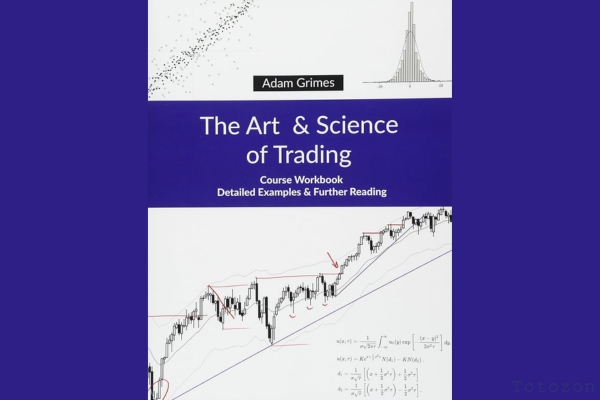 The Art And Science Of Trading with Adam Grimes
1 × $6.00
The Art And Science Of Trading with Adam Grimes
1 × $6.00 -
×
 An Introduction to Option Trading Success with James Bittman
1 × $6.00
An Introduction to Option Trading Success with James Bittman
1 × $6.00 -
×
 Market Fluidity
1 × $6.00
Market Fluidity
1 × $6.00 -
×
 Futures Spreads Crash Course with Base Camp Trading
1 × $54.00
Futures Spreads Crash Course with Base Camp Trading
1 × $54.00 -
×
 Royal Exchange Forex with Jan Teslar
1 × $6.00
Royal Exchange Forex with Jan Teslar
1 × $6.00 -
×
 Relationship of the StockMarket Fluctuations to the Lunarcycle with Frank J.Guarino
1 × $6.00
Relationship of the StockMarket Fluctuations to the Lunarcycle with Frank J.Guarino
1 × $6.00 -
×
 Measuring Risk in Complex Stochastic Systems with J.Franke, W. Hardle, G. Stahl
1 × $6.00
Measuring Risk in Complex Stochastic Systems with J.Franke, W. Hardle, G. Stahl
1 × $6.00 -
×
 Letal Forex System with Alex Seeni
1 × $6.00
Letal Forex System with Alex Seeni
1 × $6.00 -
×
 George Bayer Squarring the Circle for Excel
1 × $6.00
George Bayer Squarring the Circle for Excel
1 × $6.00 -
×
 Market Tide indicator with Alphashark
1 × $54.00
Market Tide indicator with Alphashark
1 × $54.00 -
×
 Advanced Trading Techniques 2 CDs with Sammy Chua
1 × $6.00
Advanced Trading Techniques 2 CDs with Sammy Chua
1 × $6.00 -
×
 Profit in the Futures Markets! with Jack Bernstein
1 × $6.00
Profit in the Futures Markets! with Jack Bernstein
1 × $6.00 -
×
 Technical Analysis Entry & Exit with Andrew Baxter
1 × $6.00
Technical Analysis Entry & Exit with Andrew Baxter
1 × $6.00 -
×
 High Probability ETF Trading: 7 Professional Strategies To Improve Your ETF Trading with Larry Connors
1 × $6.00
High Probability ETF Trading: 7 Professional Strategies To Improve Your ETF Trading with Larry Connors
1 × $6.00 -
×
 7 Day FX Mastery Course with Market Masters
1 × $6.00
7 Day FX Mastery Course with Market Masters
1 × $6.00 -
×
 Predators & Profits with Martin Howell & John Bogle
1 × $6.00
Predators & Profits with Martin Howell & John Bogle
1 × $6.00 -
×
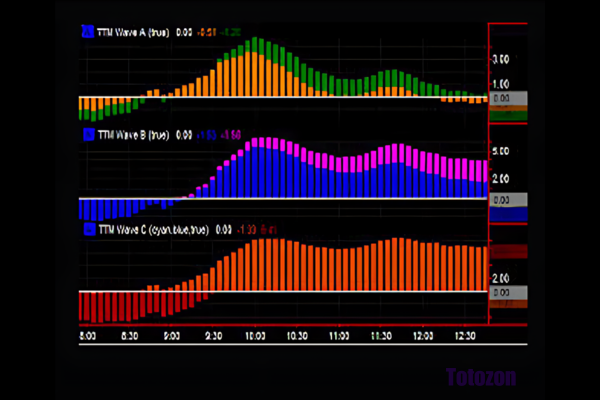 ABC Waves TOS Indicator & Live Class with Simpler Options
1 × $6.00
ABC Waves TOS Indicator & Live Class with Simpler Options
1 × $6.00 -
×
 Self-Mastery Course with Steven Cruz
1 × $62.00
Self-Mastery Course with Steven Cruz
1 × $62.00 -
×
 Investment Performance Measurement with Bruce Feibel
1 × $6.00
Investment Performance Measurement with Bruce Feibel
1 × $6.00 -
×
 High Probability Trading Using Elliott Wave And Fibonacci Analysis withVic Patel - Forex Training Group
1 × $10.00
High Probability Trading Using Elliott Wave And Fibonacci Analysis withVic Patel - Forex Training Group
1 × $10.00
Successful Stock Speculation (1922) with John James
$6.00
File Size: Coming soon!
Delivery Time: 1–12 hours
Media Type: Online Course
Content Proof: Watch Here!
You may check content proof of “Successful Stock Speculation (1922) with John James” below:

Successful Stock Speculation (1922) with John James
In the dynamic world of stock trading, the principles of successful speculation laid out by John James in 1922 remain remarkably relevant. His insights into market behavior and trading strategies provide a timeless guide for both novice and seasoned traders. This article delves into the key concepts from John James’ classic work, offering practical advice for modern-day stock speculation.
Understanding Stock Speculation
What is Stock Speculation?
Stock speculation involves buying and selling stocks with the aim of making short-term profits. Unlike investing, which focuses on long-term growth, speculation seeks to capitalize on market fluctuations.
The Historical Context
In 1922, the stock market was characterized by rapid growth and significant volatility. John James’ strategies were designed to navigate this unpredictable environment effectively.
Key Principles of Successful Stock Speculation
Market Analysis
Understanding market trends and patterns is crucial for successful speculation. John James emphasized the importance of thorough market analysis.
Risk Management
Effective risk management is essential to protect your capital. This includes setting stop-loss orders and diversifying your portfolio.
Timing the Market
Timing is everything in stock speculation. Knowing when to enter and exit a trade can make the difference between profit and loss.
Strategies for Stock Speculation
Technical Analysis
Technical analysis involves using historical price data and trading volumes to predict future market movements. Key tools include:
- Moving Averages: Help identify trends by smoothing out price data.
- Relative Strength Index (RSI): Measures the speed and change of price movements.
Fundamental Analysis
While speculation is primarily technical, understanding the fundamentals of a company can provide additional insights. This includes analyzing financial statements and company performance.
Sentiment Analysis
Market sentiment plays a significant role in stock prices. Tools like the put/call ratio and short interest can provide insights into market psychology.
Practical Application of John James’ Principles
Developing a Trading Plan
A well-defined trading plan is crucial for successful speculation. This should include your entry and exit points, risk management strategies, and the tools you will use for analysis.
Backtesting Your Strategies
Before implementing any strategy, backtest it using historical data to ensure its effectiveness. Adjust your plan based on the results.
Staying Disciplined
Emotional trading can lead to significant losses. Stick to your trading plan and avoid making decisions based on market hype or fear.
Case Study: Applying John James’ Techniques
Identifying a Trade Opportunity
Suppose a stock is showing a bullish trend based on moving averages and RSI indicators. According to John James’ principles, this could be a good buying opportunity.
Setting Entry and Exit Points
Determine your entry point based on technical indicators and set a stop-loss order to manage risk. Plan your exit point based on profit targets or changes in market conditions.
Monitoring the Trade
Continuously monitor the trade and adjust your strategy as needed. This includes keeping an eye on market sentiment and any relevant news.
Common Mistakes in Stock Speculation
Overtrading
Overtrading can erode your profits and increase your risk. Focus on quality trades rather than quantity.
Ignoring Risk Management
Never ignore risk management practices. Always set stop-loss orders and adhere to position sizing rules.
Failing to Adapt
Markets are constantly changing. Be prepared to adapt your strategies to new market conditions.
Advanced Techniques for Modern Traders
Algorithmic Trading
Modern technology allows for algorithmic trading, which uses computer algorithms to execute trades based on predefined criteria.
Leveraging Data Analytics
Big data and analytics can provide deeper insights into market trends and trader behavior, enhancing your speculation strategies.
Utilizing Modern Tools
Use advanced trading platforms and tools that offer real-time data, charting capabilities, and automated trading features.
Conclusion
John James’ “Successful Stock Speculation” offers timeless strategies that are still applicable in today’s market. By understanding and applying these principles, traders can improve their chances of success in the stock market. Stay disciplined, manage your risks, and continuously adapt to the ever-changing market environment.
FAQs
1. What is the primary goal of stock speculation?
The primary goal is to make short-term profits by capitalizing on market fluctuations.
2. How important is market analysis in stock speculation?
Market analysis is crucial as it helps identify trends and make informed trading decisions.
3. Can John James’ principles be applied to modern trading?
Yes, his principles are timeless and can be adapted to modern trading with the use of advanced tools and technology.
4. What are the risks associated with stock speculation?
Risks include market volatility, emotional trading, and potential losses if risk management practices are not followed.
5. How can I improve my stock speculation strategies?
Continuously educate yourself, backtest your strategies, and stay disciplined in your trading approach.
Be the first to review “Successful Stock Speculation (1922) with John James”
You must be logged in to post a review.
Related products

Forex Trading
Original price was: $125.00.$17.00Current price is: $17.00.

Original price was: $1,849.00.$15.00Current price is: $15.00.

Original price was: $895.00.$15.00Current price is: $15.00.

Original price was: $497.00.$11.00Current price is: $11.00.

Forex Trading
Original price was: $499.00.$15.00Current price is: $15.00.

Forex Trading
Original price was: $850.00.$23.00Current price is: $23.00.

Forex Trading
Original price was: $799.00.$15.00Current price is: $15.00.

Forex Trading
Original price was: $4,997.00.$27.00Current price is: $27.00.

Original price was: $997.00.$13.00Current price is: $13.00.

Original price was: $310.00.$23.00Current price is: $23.00.

Original price was: $1,800.00.$54.00Current price is: $54.00.

Forex Trading
Original price was: $397.00.$31.00Current price is: $31.00.
Forex Trading
Original price was: $797.00.$10.00Current price is: $10.00.

Forex Trading
Original price was: $697.00.$5.00Current price is: $5.00.

Forex Trading
Original price was: $550.00.$5.00Current price is: $5.00.

Original price was: $997.00.$8.00Current price is: $8.00.

Forex Trading
Original price was: $2,000.00.$23.00Current price is: $23.00.

Forex Trading
Original price was: $1,098.00.$39.00Current price is: $39.00.

Forex Trading
Original price was: $249.00.$15.00Current price is: $15.00.

Original price was: $299.00.$8.00Current price is: $8.00.
Reviews
There are no reviews yet.