
-
×
 Tail Hedging - Learn to Insure Stocks Against Large Declines with James Marsh
1 × $15.00
Tail Hedging - Learn to Insure Stocks Against Large Declines with James Marsh
1 × $15.00 -
×
 DaVinci FX Course
1 × $6.00
DaVinci FX Course
1 × $6.00 -
×
 Master Moving Averages - Profit Multiplying Techniques with Nick Santiago - InTheMoneyStocks
1 × $54.00
Master Moving Averages - Profit Multiplying Techniques with Nick Santiago - InTheMoneyStocks
1 × $54.00 -
×
 The Apple Way with Jeffrey Cruikshank
1 × $6.00
The Apple Way with Jeffrey Cruikshank
1 × $6.00 -
×
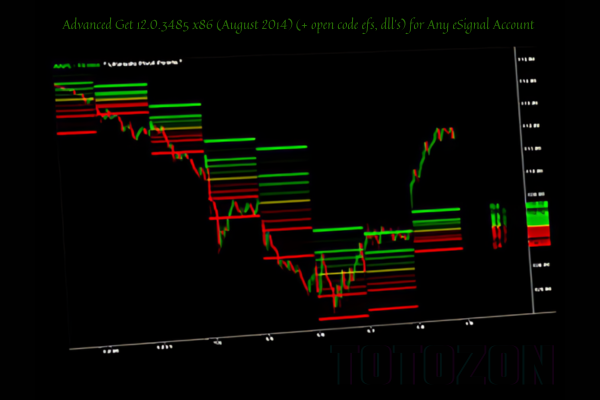 Advanced Get 12.0.3485 x86 (August 2014) (+ open code efs, dll's) for Any eSignal Account
1 × $23.00
Advanced Get 12.0.3485 x86 (August 2014) (+ open code efs, dll's) for Any eSignal Account
1 × $23.00 -
×
 The Complete Guide to Multiple Time Frame Analysis & Reading Price Action with Aiman Almansoori
1 × $13.00
The Complete Guide to Multiple Time Frame Analysis & Reading Price Action with Aiman Almansoori
1 × $13.00 -
×
 The Orderflows Trade Opportunities Encyclopedia with Michael Valtos
1 × $8.00
The Orderflows Trade Opportunities Encyclopedia with Michael Valtos
1 × $8.00 -
×
 Evolutionary Decision Trees for Stock Index Options and Futures Arbitrage by S.Markose, E.Tsang,H.Er
1 × $6.00
Evolutionary Decision Trees for Stock Index Options and Futures Arbitrage by S.Markose, E.Tsang,H.Er
1 × $6.00 -
×
 Trading Economic Data System with CopperChips
1 × $6.00
Trading Economic Data System with CopperChips
1 × $6.00 -
×
 Compound Stock Earnings Master Class 2009 Ft Worth Tx September 12 13 DVD set
1 × $6.00
Compound Stock Earnings Master Class 2009 Ft Worth Tx September 12 13 DVD set
1 × $6.00 -
×
 A Bull in China with Jim Rogers
1 × $6.00
A Bull in China with Jim Rogers
1 × $6.00 -
×
 Neowave. Inovations that Make Elliott Wave Work Better for You with Glenn Neely
1 × $6.00
Neowave. Inovations that Make Elliott Wave Work Better for You with Glenn Neely
1 × $6.00 -
×
 The 10%ers with Trader Mike
1 × $5.00
The 10%ers with Trader Mike
1 × $5.00 -
×
 Algorithmic Rules of Trend Lines
1 × $23.00
Algorithmic Rules of Trend Lines
1 × $23.00 -
×
 Active Trading Course Notes with Alan Hull
1 × $6.00
Active Trading Course Notes with Alan Hull
1 × $6.00 -
×
 Developing the Psychological Trader’s Edge with Robin Dayne
1 × $6.00
Developing the Psychological Trader’s Edge with Robin Dayne
1 × $6.00 -
×
 Master Trader Course
1 × $23.00
Master Trader Course
1 × $23.00 -
×
 Forex Profit Multiplier with Bill & Greg Poulos
1 × $6.00
Forex Profit Multiplier with Bill & Greg Poulos
1 × $6.00 -
×
 The Ultimate Step By Step Guide to Online Currency Trading with Cynthia Marcy, Erol Bortucene
1 × $6.00
The Ultimate Step By Step Guide to Online Currency Trading with Cynthia Marcy, Erol Bortucene
1 × $6.00 -
×
 ICT Prodigy Trading Course – $650K in Payouts with Alex Solignani
1 × $15.00
ICT Prodigy Trading Course – $650K in Payouts with Alex Solignani
1 × $15.00 -
×
 Forex in Five Full Time Strategies for Part Time Traders (fxstreet.com) - Raghee Horner
1 × $6.00
Forex in Five Full Time Strategies for Part Time Traders (fxstreet.com) - Raghee Horner
1 × $6.00 -
×
 Weekly Options Boot Camp with Price Headley
1 × $15.00
Weekly Options Boot Camp with Price Headley
1 × $15.00 -
×
 All About Market Timing with Leslie N.Masonson
1 × $6.00
All About Market Timing with Leslie N.Masonson
1 × $6.00 -
×
 Quantamentals - The Next Great Forefront Of Trading and Investing with Trading Markets
1 × $8.00
Quantamentals - The Next Great Forefront Of Trading and Investing with Trading Markets
1 × $8.00
Introduction to Stocks & Forex
Original price was: $199.00.$15.00Current price is: $15.00.
File Size: Coming soon!
Delivery Time: 1–12 hours
Media Type: Online Course
Introduction to Stocks & Forex
In the world of finance, two major trading markets often capture the interest of investors: stocks and forex. Each has its unique characteristics and opportunities, making them popular choices for traders globally. In this comprehensive guide, we will explore the basics of stocks and forex, their differences, how they work, and how you can start trading in these markets.
What Are Stocks?
Definition of Stocks
Stocks, also known as equities, represent ownership in a company. When you purchase a stock, you are essentially buying a piece of that company.
Types of Stocks
- Common Stocks: These stocks provide voting rights and dividends, which are paid from the company’s profits.
- Preferred Stocks: These stocks offer no voting rights but provide a fixed dividend, making them less volatile.
How Stocks Are Traded
Stocks are traded on exchanges like the New York Stock Exchange (NYSE) or the NASDAQ. They can be bought and sold through brokers.
Why Invest in Stocks?
- Potential for High Returns: Historically, stocks have provided higher returns compared to other investments.
- Ownership: Owning stocks means having a stake in the company’s success.
- Dividends: Many stocks pay dividends, providing a regular income.
What Is Forex?
Definition of Forex
Forex, or foreign exchange, is the market where currencies are traded. It is the largest financial market in the world.
How Forex Works
Forex trading involves buying one currency while simultaneously selling another. The value of a currency pair is determined by the economic health and stability of the countries involved.
Major Currency Pairs
- EUR/USD: Euro and US Dollar
- USD/JPY: US Dollar and Japanese Yen
- GBP/USD: British Pound and US Dollar
- USD/CHF: US Dollar and Swiss Franc
Why Trade Forex?
- Liquidity: The forex market is highly liquid, meaning you can buy and sell currencies easily.
- 24-Hour Market: Forex operates 24 hours a day, five days a week, allowing for flexible trading.
- Leverage: Forex brokers offer leverage, which can amplify profits (and losses).
Key Differences Between Stocks and Forex
Market Size and Liquidity
- Forex: The largest financial market with high liquidity.
- Stocks: A smaller market compared to forex but still substantial.
Trading Hours
- Forex: Operates 24/5.
- Stocks: Limited to specific hours based on the exchange.
Volatility
- Forex: High volatility due to economic events.
- Stocks: Can be volatile, but typically less so than forex.
Getting Started with Stock Trading
Choose a Broker
Select a reputable broker with low fees and good customer service.
Open an Account
Complete the necessary paperwork and fund your account.
Research Stocks
Study the companies you are interested in, their financial health, and market trends.
Place Your Order
Decide the type of order (market or limit) and execute your trade.
Getting Started with Forex Trading
Choose a Forex Broker
Ensure the broker is regulated and offers competitive spreads.
Open an Account
Fill out the application form and deposit funds.
Learn Forex Trading Strategies
Familiarize yourself with different trading strategies like scalping, day trading, and swing trading.
Use a Demo Account
Practice trading with a demo account before risking real money.
Strategies for Successful Trading
Stock Trading Strategies
- Buy and Hold: Investing in stocks for the long term.
- Dividend Investing: Focusing on stocks that pay dividends.
- Growth Investing: Investing in companies expected to grow at an above-average rate.
Forex Trading Strategies
- Scalping: Making multiple trades throughout the day for small profits.
- Day Trading: Opening and closing trades within the same day.
- Swing Trading: Holding positions for several days to benefit from price swings.
Risks Involved in Trading
Stock Trading Risks
- Market Risk: The risk of losing money due to market fluctuations.
- Liquidity Risk: The risk of not being able to sell stocks quickly.
Forex Trading Risks
- Leverage Risk: The potential for significant losses due to high leverage.
- Interest Rate Risk: Changes in interest rates can affect currency values.
Conclusion
Both stocks and forex offer unique opportunities and risks. Understanding the basics and developing a solid trading strategy is crucial for success. Whether you choose to invest in stocks or trade currencies, continuous learning and practice are key to navigating these financial markets.
Commonly Asked Questions:
- Business Model Innovation: Accept the truth of a legitimate business! Our strategy is organising a group buy in which participants share the costs. We use these cash to acquire popular courses from sale pages and make them available to people with limited financial resources. Despite the authors’ worries, our clients love the cost and accessibility we give.
- The Legal Environment: Yes or No The legality of our activity is ambiguous. While we don’t have specific permission from the course authors to resell the material, there is a technicality at work. The author did not specify any limits on resale when purchasing the course. This legal intricacy is both an opportunity for us and a boon for individuals looking for low-cost access.
- Quality Control: Uncovering the Truth
Getting to the heart of the issue – quality. Purchasing the course straight from the sale page guarantees that all documents and resources are the same as those obtained through traditional channels.
However, we distinguish ourselves by going beyond personal research and resale. It is crucial to note that we are not the official course providers, which means that the following premium services are not included in our package:
- There are no scheduled coaching calls or sessions with the author.
- Access to the author’s private Facebook group or web portal is not permitted.
- No access to the author’s private membership forum.
- There is no direct email support available from the author or their team.
We operate independently, with the goal of bridging the pricing gap without the extra services provided by official course channels. Your comprehension of our distinct approach is much appreciated.
Be the first to review “Introduction to Stocks & Forex”
You must be logged in to post a review.
Related products

Original price was: $497.00.$11.00Current price is: $11.00.

Forex Trading
Original price was: $850.00.$23.00Current price is: $23.00.

Original price was: $997.00.$13.00Current price is: $13.00.

Forex Trading
Original price was: $2,000.00.$23.00Current price is: $23.00.

Forex Trading
Original price was: $697.00.$5.00Current price is: $5.00.

Forex Trading
Original price was: $999.00.$15.00Current price is: $15.00.

Forex Trading
Original price was: $1,098.00.$39.00Current price is: $39.00.

Original price was: $310.00.$23.00Current price is: $23.00.

Original price was: $649.00.$20.00Current price is: $20.00.

Original price was: $695.00.$41.00Current price is: $41.00.

Forex Trading
Original price was: $249.00.$15.00Current price is: $15.00.

Original price was: $197.00.$5.00Current price is: $5.00.

Forex Trading
Original price was: $2,997.00.$23.00Current price is: $23.00.

Forex Trading
Original price was: $239.00.$8.00Current price is: $8.00.
Forex Trading
The Complete Guide to Multiple Time Frame Analysis & Reading Price Action with Aiman Almansoori
Original price was: $1,399.00.$13.00Current price is: $13.00.

Original price was: $1,849.00.$15.00Current price is: $15.00.

Original price was: $895.00.$15.00Current price is: $15.00.

Original price was: $497.00.$31.00Current price is: $31.00.
Forex Trading
Quantamentals – The Next Great Forefront Of Trading and Investing with Trading Markets
Original price was: $1,495.00.$8.00Current price is: $8.00.

Forex Trading
Original price was: $397.00.$31.00Current price is: $31.00.

Reviews
There are no reviews yet.