
-
×
 Understanding How To Trade Fractals
1 × $15.00
Understanding How To Trade Fractals
1 × $15.00 -
×
 Chart Pattern Recognition for Metastock with John Murphy
1 × $6.00
Chart Pattern Recognition for Metastock with John Murphy
1 × $6.00 -
×
 Trend Following Stocks - Complete Breakout System with Joe Marwood
1 × $6.00
Trend Following Stocks - Complete Breakout System with Joe Marwood
1 × $6.00 -
×
 The Big 3 Squeeze Indicator TOS 2024 with Taylor Horton
1 × $69.00
The Big 3 Squeeze Indicator TOS 2024 with Taylor Horton
1 × $69.00 -
×
 Matrix Spread Options Trading Course with Base Camp Trading
1 × $31.00
Matrix Spread Options Trading Course with Base Camp Trading
1 × $31.00 -
×
 ZR Trading Complete Program (Arabic + French)
1 × $10.00
ZR Trading Complete Program (Arabic + French)
1 × $10.00 -
×
 Monthly Mastermind
1 × $6.00
Monthly Mastermind
1 × $6.00 -
×
 The Indices Orderflow Masterclass with The Forex Scalpers
1 × $23.00
The Indices Orderflow Masterclass with The Forex Scalpers
1 × $23.00 -
×
 Turtle Trading Concepts with Russell Sands
1 × $6.00
Turtle Trading Concepts with Russell Sands
1 × $6.00 -
×
 Thursday Morning Income Strategy with Todd Mitchell
1 × $23.00
Thursday Morning Income Strategy with Todd Mitchell
1 × $23.00 -
×
 Weekly Credit Spreads for Income
1 × $6.00
Weekly Credit Spreads for Income
1 × $6.00 -
×
 Trading Indicators for the 21st Century
1 × $6.00
Trading Indicators for the 21st Century
1 × $6.00 -
×
 London Super Conference 2019
1 × $62.00
London Super Conference 2019
1 × $62.00 -
×
 Advanced Mentorship Course on Market Dynamics (Flip accounts with ease)
1 × $6.00
Advanced Mentorship Course on Market Dynamics (Flip accounts with ease)
1 × $6.00 -
×
 The Winning Secret
1 × $23.00
The Winning Secret
1 × $23.00 -
×
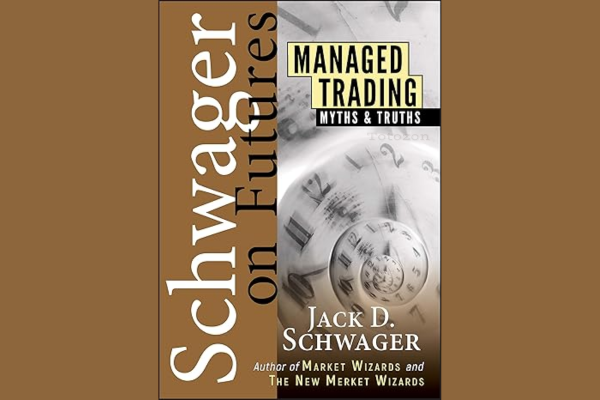 Schwager on Futures: Managed Trading with Jack Schwager
1 × $4.00
Schwager on Futures: Managed Trading with Jack Schwager
1 × $4.00 -
×
 The Triad Formula System with Jason Fielder
1 × $6.00
The Triad Formula System with Jason Fielder
1 × $6.00 -
×
 TRADER SMILE MANAGEMENT TRAINING COURSE
1 × $31.00
TRADER SMILE MANAGEMENT TRAINING COURSE
1 × $31.00 -
×
 The Options Handbook with Bernie Schaeffer
1 × $6.00
The Options Handbook with Bernie Schaeffer
1 × $6.00 -
×
 Using EasyLanguage 2000 with Arthur G.Putt, William Brower
1 × $4.00
Using EasyLanguage 2000 with Arthur G.Putt, William Brower
1 × $4.00 -
×
 The Folio Management Phenomenon with Gene Walden
1 × $6.00
The Folio Management Phenomenon with Gene Walden
1 × $6.00 -
×
 TurnSignal Complete 7-6A (Oct 2013)
1 × $6.00
TurnSignal Complete 7-6A (Oct 2013)
1 × $6.00 -
×
 Triple Play Trading Ideas & Mentoring with MarketGauge
1 × $54.00
Triple Play Trading Ideas & Mentoring with MarketGauge
1 × $54.00 -
×
 Trading in the Bluff with John Templeton
1 × $6.00
Trading in the Bluff with John Templeton
1 × $6.00 -
×
 Train & Trade Academy with Omar Agag
1 × $5.00
Train & Trade Academy with Omar Agag
1 × $5.00 -
×
 The Prop Trading Code with Brannigan Barrett - Axia Futures
1 × $23.00
The Prop Trading Code with Brannigan Barrett - Axia Futures
1 × $23.00 -
×
 The Trading Blueprint with Brad Goh - The Trading Geek
1 × $5.00
The Trading Blueprint with Brad Goh - The Trading Geek
1 × $5.00 -
×
 Freedom Challenge ( May 2018 – May 2019)
1 × $54.00
Freedom Challenge ( May 2018 – May 2019)
1 × $54.00 -
×
 The Secret Mindset Academy 2023 with The Secret Mindset Academy
1 × $5.00
The Secret Mindset Academy 2023 with The Secret Mindset Academy
1 × $5.00 -
×
 Advanced Guide to How SimplerOptions Uses ThinkorSwim (274 Minutes) with Henry Gambell
1 × $15.00
Advanced Guide to How SimplerOptions Uses ThinkorSwim (274 Minutes) with Henry Gambell
1 × $15.00 -
×
 Kaizen Pipsology: Forex Mentorship
1 × $8.00
Kaizen Pipsology: Forex Mentorship
1 × $8.00 -
×
 Renko Mastery with Thomas Wood
1 × $15.00
Renko Mastery with Thomas Wood
1 × $15.00 -
×
 Intra-Day Trading Techniques DVD with Greg Capra
1 × $6.00
Intra-Day Trading Techniques DVD with Greg Capra
1 × $6.00 -
×
 Ultimate Guide To Swing Trading ETF's
1 × $23.00
Ultimate Guide To Swing Trading ETF's
1 × $23.00 -
×
 Bond Market Course with The Macro Compass
1 × $15.00
Bond Market Course with The Macro Compass
1 × $15.00 -
×
 Advanced Course
1 × $39.00
Advanced Course
1 × $39.00 -
×
 Level 3 - AlgoX Trading Tactics
1 × $31.00
Level 3 - AlgoX Trading Tactics
1 × $31.00 -
×
 YTC Price Action Trader
1 × $6.00
YTC Price Action Trader
1 × $6.00 -
×
 The A14 Weekly Option Strategy Workshop with Amy Meissner
1 × $23.00
The A14 Weekly Option Strategy Workshop with Amy Meissner
1 × $23.00 -
×
 WondaFX Signature Strategy with WondaFX
1 × $5.00
WondaFX Signature Strategy with WondaFX
1 × $5.00 -
×
 Ultimate Guide to Stock Investing
1 × $6.00
Ultimate Guide to Stock Investing
1 × $6.00 -
×
 0 DTE Options Trading Workshop with Aeromir Corporation
1 × $15.00
0 DTE Options Trading Workshop with Aeromir Corporation
1 × $15.00 -
×
 Ultimate MT4 Course
1 × $15.00
Ultimate MT4 Course
1 × $15.00 -
×
 FXCharger
1 × $23.00
FXCharger
1 × $23.00 -
×
 The NDX100 Momo Stock Portfolio Trading System with Backtest Wizard
1 × $6.00
The NDX100 Momo Stock Portfolio Trading System with Backtest Wizard
1 × $6.00 -
×
 AI For Traders with Trading Markets
1 × $31.00
AI For Traders with Trading Markets
1 × $31.00 -
×
 The First Time Investor: How to Start Safe, Invest Smart and Sleep Well (2nd Edition) with Larry Chambers
1 × $6.00
The First Time Investor: How to Start Safe, Invest Smart and Sleep Well (2nd Edition) with Larry Chambers
1 × $6.00 -
×
 Mastering Debit Spreads with Vince Vora
1 × $15.00
Mastering Debit Spreads with Vince Vora
1 × $15.00 -
×
 Indicators & BWT Bar Types for NT7
1 × $139.00
Indicators & BWT Bar Types for NT7
1 × $139.00 -
×
 High Probability Trading Using Elliott Wave And Fibonacci Analysis withVic Patel - Forex Training Group
1 × $10.00
High Probability Trading Using Elliott Wave And Fibonacci Analysis withVic Patel - Forex Training Group
1 × $10.00 -
×
 Trading Indicators NT7
1 × $85.00
Trading Indicators NT7
1 × $85.00 -
×
 Cyber trading university - Pro Strategies for Trading Stocks or Options Workshop
1 × $15.00
Cyber trading university - Pro Strategies for Trading Stocks or Options Workshop
1 × $15.00 -
×
 InterMarket Analysis (Ed.2004) with John J.Murphy
1 × $6.00
InterMarket Analysis (Ed.2004) with John J.Murphy
1 × $6.00 -
×
 Quantamentals - The Next Great Forefront Of Trading and Investing with Trading Markets
1 × $8.00
Quantamentals - The Next Great Forefront Of Trading and Investing with Trading Markets
1 × $8.00 -
×
 Winter 2016 Ignite Trading Conference (2016)
1 × $23.00
Winter 2016 Ignite Trading Conference (2016)
1 × $23.00 -
×
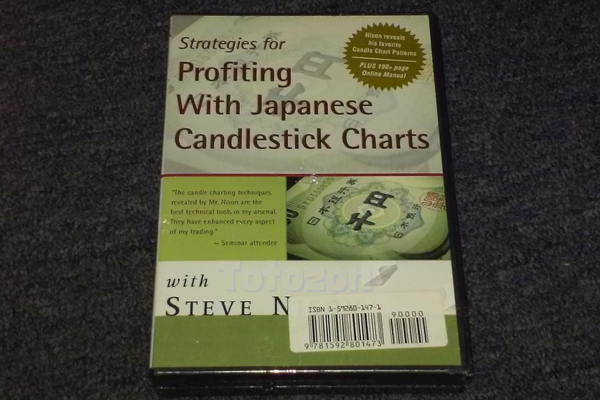 Strategies for Profiting with Japanese Candlestick Charts
1 × $6.00
Strategies for Profiting with Japanese Candlestick Charts
1 × $6.00 -
×
 The Squeeze Pro System: How to Catch Bigger and Faster Squeezes More Often
1 × $54.00
The Squeeze Pro System: How to Catch Bigger and Faster Squeezes More Often
1 × $54.00 -
×
 TheoTrade - Maximum Returns with Infinity Spreads
1 × $23.00
TheoTrade - Maximum Returns with Infinity Spreads
1 × $23.00 -
×
 Millard on Channel Analysis: The key to Share Price Prediction (2nd Ed.) with Brian Millard
1 × $6.00
Millard on Channel Analysis: The key to Share Price Prediction (2nd Ed.) with Brian Millard
1 × $6.00 -
×
 Harmonic Multi-Patterns with Scan Watchlist for Thinkorswim and Mobile
1 × $6.00
Harmonic Multi-Patterns with Scan Watchlist for Thinkorswim and Mobile
1 × $6.00 -
×
 Tandem Trader - The Ultimate Day Trading Course with Nathan Michaud - Investors Underground
1 × $54.00
Tandem Trader - The Ultimate Day Trading Course with Nathan Michaud - Investors Underground
1 × $54.00 -
×
 The Undergroundtrader.com Guide to Electronic Trading with Jea Yu
1 × $6.00
The Undergroundtrader.com Guide to Electronic Trading with Jea Yu
1 × $6.00 -
×
 Kash-FX Elite Course
1 × $10.00
Kash-FX Elite Course
1 × $10.00 -
×
 Elder-disk 1.01 for NinjaTrader7
1 × $6.00
Elder-disk 1.01 for NinjaTrader7
1 × $6.00 -
×
 The Ultimate Trader Transformation
1 × $62.00
The Ultimate Trader Transformation
1 × $62.00 -
×
 The Email Academy
1 × $31.00
The Email Academy
1 × $31.00 -
×
 Getting Started in Options (3rd Ed.) with Michael Thomsett
1 × $6.00
Getting Started in Options (3rd Ed.) with Michael Thomsett
1 × $6.00 -
×
 Uncertainty & Expectation Strategies for the Trading of Risk with Gerald Ashley
1 × $6.00
Uncertainty & Expectation Strategies for the Trading of Risk with Gerald Ashley
1 × $6.00 -
×
 Ninja Order Flow Trader (NOFT)
1 × $39.00
Ninja Order Flow Trader (NOFT)
1 × $39.00 -
×
 Ultimate Breakout
1 × $54.00
Ultimate Breakout
1 × $54.00 -
×
 Surplus Trader Secrets Masterclass Coaching Program
1 × $6.00
Surplus Trader Secrets Masterclass Coaching Program
1 × $6.00 -
×
 Advanced Spread Trading with Guy Bower - MasterClass Trader
1 × $15.00
Advanced Spread Trading with Guy Bower - MasterClass Trader
1 × $15.00

Stock Traders Almanac 2010 with Jeffrey Hirsch & Yale Hirsch
$6.00
File Size: Coming soon!
Delivery Time: 1–12 hours
Media Type: Online Course
Stock Traders Almanac 2010 with Jeffrey Hirsch & Yale Hirsch
Introduction
The “Stock Traders Almanac 2010” by Jeffrey Hirsch and Yale Hirsch is a treasure trove of insights, data, and strategies designed to help traders navigate the complex world of stock markets. This edition continues the legacy of providing invaluable information for both novice and experienced traders. In this article, we explore the key features and benefits of the 2010 Almanac, highlighting how it can enhance your trading strategy.
The Legacy of the Stock Traders Almanac
The Origins of the Almanac
The Stock Traders Almanac was first published in 1967 by Yale Hirsch. It quickly gained a reputation for its detailed market analysis and historical data.
Evolution of the Almanac
Over the years, the Almanac has evolved to include modern trading strategies and tools. Jeffrey Hirsch, Yale’s son, has carried forward this tradition, ensuring the Almanac remains relevant in changing market conditions.
The 2010 Edition
The 2010 edition of the Almanac is particularly significant, offering strategies tailored to the post-2008 financial crisis market landscape.
Key Features of the 2010 Almanac
Historical Market Data
- Monthly and Daily Data: The Almanac provides detailed historical data for each month and day, helping traders identify patterns and trends.
- Seasonal Trends: Analysis of seasonal patterns and their impact on market performance.
Market Analysis
- Technical Indicators: Tools and indicators for technical analysis, such as moving averages and RSI.
- Fundamental Analysis: Insights into economic indicators and their influence on the market.
Trading Strategies
- Best Six Months Strategy: Focuses on the most profitable months of the year for stock trading.
- Santa Claus Rally: Examination of the year-end rally phenomenon.
The Best Six Months Strategy
Understanding the Strategy
The Best Six Months Strategy suggests that the stock market performs best from November to April. This strategy is based on historical performance data.
Historical Performance
Historically, the market has shown higher returns during these six months compared to the rest of the year.
Implementing the Strategy
- Buy in November: Enter the market in November.
- Sell in April: Exit positions in April to avoid the traditionally weaker months.
The Santa Claus Rally
What is the Santa Claus Rally?
The Santa Claus Rally refers to the tendency for the stock market to rise in the last week of December and the first two trading days of January.
Historical Analysis
Historical data supports the existence of this rally, with positive returns in most years.
How to Capitalize on the Rally
- Timing: Enter the market in late December.
- Exit: Consider exiting positions after the first two trading days of January.
Utilizing Technical Indicators
Moving Averages
- Simple Moving Average (SMA): Averages the closing prices over a specified period.
- Exponential Moving Average (EMA): Gives more weight to recent prices for a more responsive indicator.
Relative Strength Index (RSI)
- Overbought/Oversold Conditions: Identifies potential reversal points by measuring the speed and change of price movements.
MACD (Moving Average Convergence Divergence)
- Trend Following: Indicates bullish or bearish trends by comparing short-term and long-term moving averages.
Fundamental Analysis Insights
Economic Indicators
- GDP Growth: A key indicator of economic health.
- Unemployment Rate: Impacts consumer spending and economic stability.
Corporate Earnings
- Earnings Reports: Quarterly earnings reports provide insights into a company’s financial health.
- Earnings Per Share (EPS): Measures a company’s profitability on a per-share basis.
Seasonal Patterns and Trends
January Effect
The January Effect refers to the tendency for small-cap stocks to outperform in January.
Sell in May and Go Away
This adage suggests that the market tends to underperform from May to October.
Holiday Effect
The market often experiences positive returns on trading days preceding a holiday.
Risk Management Strategies
Stop-Loss Orders
Implementing stop-loss orders can help limit potential losses by automatically selling a security when it reaches a predetermined price.
Diversification
Diversify your portfolio to spread risk across various asset classes and sectors.
Hedging
Use options and other derivative instruments to hedge against potential market downturns.
Behavioral Finance
What is Behavioral Finance?
Behavioral finance examines how psychological factors affect market outcomes and investment decisions.
Common Behavioral Biases
- Overconfidence
- Herding
- Loss Aversion
Understanding Financial News
Importance of Financial News
Staying informed about financial news helps you make timely and informed investment decisions.
Reliable Sources of Financial News
- Financial Times
- Wall Street Journal
- Bloomberg
Building a Strong Portfolio
Components of a Strong Portfolio
A well-balanced portfolio includes a mix of stocks, bonds, and other asset classes.
Portfolio Rebalancing
Regularly review and adjust your portfolio to maintain your desired asset allocation.
Evaluating Portfolio Performance
Measure your portfolio’s performance against relevant benchmarks to ensure it meets your financial goals.
Conclusion
The “Stock Traders Almanac 2010” by Jeffrey Hirsch and Yale Hirsch remains an essential tool for traders and investors looking to make informed decisions. By leveraging historical data, market analysis, and strategic insights, you can enhance your trading performance and achieve your financial goals. Stay ahead of the market trends, and let the Almanac guide you through the complexities of stock trading.
FAQs
What is the main focus of the “Stock Traders Almanac 2010”?
The main focus is on providing historical market data, seasonal trends, and strategic insights to aid traders and investors in making informed decisions.
How can the Best Six Months Strategy benefit traders?
The Best Six Months Strategy can help traders capitalize on the historically strong performance of the market from November to April.
What is the Santa Claus Rally?
The Santa Claus Rally refers to the tendency for the stock market to rise during the last week of December and the first two trading days of January.
How important are technical indicators in trading?
Technical indicators are crucial for analyzing market trends, identifying potential entry and exit points, and making informed trading decisions.
Why is risk management important in trading?
Risk management is essential to protect your investment capital and minimize potential losses in the volatile stock market.
Be the first to review “Stock Traders Almanac 2010 with Jeffrey Hirsch & Yale Hirsch”
You must be logged in to post a review.
Related products

Original price was: $649.00.$20.00Current price is: $20.00.

Forex Trading
Original price was: $1,898.00.$10.00Current price is: $10.00.

Original price was: $999.00.$5.00Current price is: $5.00.
Original price was: $497.00.$31.00Current price is: $31.00.

Original price was: $700.00.$39.00Current price is: $39.00.
Forex Trading
Original price was: $499.00.$15.00Current price is: $15.00.

Original price was: $799.00.$15.00Current price is: $15.00.

Forex Trading
Original price was: $4,997.00.$27.00Current price is: $27.00.

Forex Trading
Original price was: $799.00.$15.00Current price is: $15.00.

Forex Trading
Original price was: $397.00.$31.00Current price is: $31.00.

Original price was: $1,800.00.$54.00Current price is: $54.00.
Forex Trading
Original price was: $697.00.$5.00Current price is: $5.00.

Forex Trading
Original price was: $500.00.$5.00Current price is: $5.00.

Original price was: $197.00.$5.00Current price is: $5.00.

Forex Trading
Original price was: $850.00.$23.00Current price is: $23.00.
Forex Trading
Original price was: $999.00.$15.00Current price is: $15.00.

Original price was: $2,120.00.$15.00Current price is: $15.00.

Forex Trading
Original price was: $125.00.$17.00Current price is: $17.00.

Forex Trading
Original price was: $2,000.00.$23.00Current price is: $23.00.

Original price was: $299.00.$8.00Current price is: $8.00.
Reviews
There are no reviews yet.