
-
×
 Square The Range Trading System with Michael Jenkins
1 × $6.00
Square The Range Trading System with Michael Jenkins
1 × $6.00 -
×
 Home Run Options Trading Course with Dave Aquino - Base Camp Trading
1 × $11.00
Home Run Options Trading Course with Dave Aquino - Base Camp Trading
1 × $11.00 -
×
 An Empirical Ananlysis of Stock Market Sentiment (Article) with Andrea Terzi
1 × $6.00
An Empirical Ananlysis of Stock Market Sentiment (Article) with Andrea Terzi
1 × $6.00 -
×
 Advanced Cycles with Nick Santiago - InTheMoneyStocks
1 × $171.00
Advanced Cycles with Nick Santiago - InTheMoneyStocks
1 × $171.00 -
×
 Trading for a Bright Future with Martin Cole
1 × $6.00
Trading for a Bright Future with Martin Cole
1 × $6.00 -
×
 How To Build An Automated Trading Robot In Excel with Peter Titus - Marwood Research
1 × $15.00
How To Build An Automated Trading Robot In Excel with Peter Titus - Marwood Research
1 × $15.00 -
×
 Increase Your Net Worth In 2 Hours A Week with Jerremy Newsome - Real Life Trading
1 × $17.00
Increase Your Net Worth In 2 Hours A Week with Jerremy Newsome - Real Life Trading
1 × $17.00 -
×
 Trading Techniques 2008 - One Day Workshop Manual
1 × $6.00
Trading Techniques 2008 - One Day Workshop Manual
1 × $6.00 -
×
 Advanced Strategies in Forex Trading with Don Schellenberg
1 × $6.00
Advanced Strategies in Forex Trading with Don Schellenberg
1 × $6.00 -
×
 The Random Character of Interest Rates with Joseph Murphy
1 × $6.00
The Random Character of Interest Rates with Joseph Murphy
1 × $6.00 -
×
 CFA Pro Level 1 2004 CD - Scheweser
1 × $6.00
CFA Pro Level 1 2004 CD - Scheweser
1 × $6.00 -
×
 HST Mobile
1 × $31.00
HST Mobile
1 × $31.00 -
×
 Setups of a Winning Trader with Gareth Soloway
1 × $521.00
Setups of a Winning Trader with Gareth Soloway
1 × $521.00 -
×
 Scalp Strategy and Flipping Small Accounts with Opes Trading Group
1 × $5.00
Scalp Strategy and Flipping Small Accounts with Opes Trading Group
1 × $5.00 -
×
 Mapping the Markets: A Guide to Stock Market Analysis with Deborah Owen & Robin Griffiths
1 × $6.00
Mapping the Markets: A Guide to Stock Market Analysis with Deborah Owen & Robin Griffiths
1 × $6.00 -
×
 The Best Option Trading Course with David Jaffee - Best Stock Strategy
1 × $15.00
The Best Option Trading Course with David Jaffee - Best Stock Strategy
1 × $15.00 -
×
 Weekly Options Trading Advantage Class with Doc Severson
1 × $6.00
Weekly Options Trading Advantage Class with Doc Severson
1 × $6.00 -
×
 Advanced Group Analysis Turorial with David Vomund
1 × $6.00
Advanced Group Analysis Turorial with David Vomund
1 × $6.00 -
×
 SQX Mentorship with Tip Toe Hippo
1 × $23.00
SQX Mentorship with Tip Toe Hippo
1 × $23.00 -
×
 3 Technical Indicators to Help You Ride the Elliott Wave Trend with Chris Carolan
1 × $6.00
3 Technical Indicators to Help You Ride the Elliott Wave Trend with Chris Carolan
1 × $6.00 -
×
 0 DTE Options Trading Workshop with Aeromir Corporation
1 × $15.00
0 DTE Options Trading Workshop with Aeromir Corporation
1 × $15.00 -
×
 Staying Alive in the Markets (Video & Manual) with Mark Cook
1 × $6.00
Staying Alive in the Markets (Video & Manual) with Mark Cook
1 × $6.00 -
×
 YouAreTheIndicator Online Course 1.0
1 × $6.00
YouAreTheIndicator Online Course 1.0
1 × $6.00 -
×
 Crystal Ball Pack PLUS bonus Live Trade By Pat Mitchell - Trick Trades
1 × $20.00
Crystal Ball Pack PLUS bonus Live Trade By Pat Mitchell - Trick Trades
1 × $20.00 -
×
 The Prop Trading Code with Brannigan Barrett - Axia Futures
1 × $23.00
The Prop Trading Code with Brannigan Barrett - Axia Futures
1 × $23.00 -
×
 3_8’s to Wealth (Audio 84 MB+ WorkBooks) with Darlene Nelson
1 × $6.00
3_8’s to Wealth (Audio 84 MB+ WorkBooks) with Darlene Nelson
1 × $6.00 -
×
 TradeCraft: Your Path to Peak Performance Trading By Adam Grimes
1 × $15.00
TradeCraft: Your Path to Peak Performance Trading By Adam Grimes
1 × $15.00
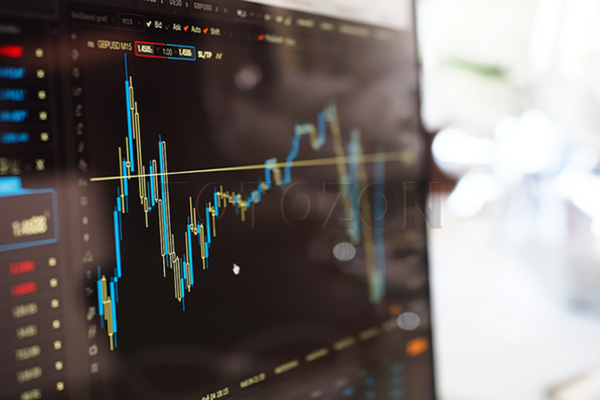
Price Action Trading 101 By Steve Burns
Original price was: $69.00.$15.00Current price is: $15.00.
File Size: Coming soon!
Delivery Time: 1-3 Days
Media Type: Online Course
Price Action Trading 101 with Steve Burns
Introduction
Price Action Trading is a strategy that relies solely on historical prices to make trading decisions. Steve Burns, a renowned trading expert, demystifies this approach for both novice and seasoned traders. In this guide, we’ll explore the fundamentals of price action trading as taught by Steve Burns, offering you clear, actionable insights to improve your trading skills.
What is Price Action Trading?
Understanding the Basics
Price action trading is the art of recognizing patterns formed by price movements alone, without the use of additional indicators. It’s about understanding the inherent market psychology reflected through these price movements.
Why It Matters
Steve Burns emphasizes that price action trading provides a direct view into the market’s heart, offering cleaner analysis without the clutter of indicators.
Core Principles of Price Action Trading
The Role of Support and Resistance
- Defining Levels: These are price points on a chart where the probabilities favor a pause or reversal of a prevailing trend.
- How to Identify Them: Steve teaches traders to identify these levels through historical price reactions.
Trend Analysis
Understanding trends is crucial in price action trading. Steve categorizes trends into three types: upward, downward, and sideways. Recognizing these trends helps in making informed trading decisions.
Steve Burns’ Strategies on Price Action
Candlestick Patterns
Steve Burns points out that candlestick patterns can provide significant insights into market sentiment. He often discusses patterns like the hammer, shooting star, and engulfing patterns for their predictive value.
Breakouts and Breakdowns
Knowing when a price is likely to break out of its current path is a key element taught by Steve. This involves careful observation of consolidating prices and timing trades for when they move beyond these ranges.
Tools and Setups Recommended by Steve Burns
Chart Setups
Steve frequently uses simple bar and candlestick charts for clarity. He believes that these setups help in observing the price action more transparently.
Risk Management Techniques
Effective risk management is a cornerstone of successful trading. Steve advises on setting tight stop losses and defining clear exit strategies to protect capital.
Practical Tips for Beginners
- Start Small: Begin with a demo account to understand market movements without financial risk.
- Keep a Trading Journal: Documenting your trades can significantly improve your trading discipline and insight.
Common Mistakes to Avoid
Overtrading
Steve warns against making too many trades too quickly. It’s essential to wait for clear, confirmable market signals.
Ignoring Context
Price movements do not occur in a vacuum. Steve emphasizes the importance of considering economic indicators and market news.
Advanced Techniques in Price Action Trading
Combining Time Frames
Steve suggests using multiple time frames to confirm trends and refine entry and exit points, enhancing the strategy’s effectiveness.
Leveraging Market Volatility
Understanding how to work with, rather than against, volatility can lead to significant trading opportunities.
Conclusion
Price action trading offers a streamlined, effective approach to trading that, when mastered, can significantly enhance your trading portfolio. Steve Burns’ insights and strategies provide a strong foundation for anyone looking to master this technique. With practice and discipline, traders can leverage price action to make more informed and potentially profitable trading decisions.
FAQs
- What is the best time frame for price action trading according to Steve Burns?
- Steve recommends starting with daily charts to understand broader market trends.
- How important is backtesting in price action trading?
- Extremely important; backtesting helps validate patterns and strategies over different market conditions.
- Can price action trading be applied to all financial markets?
- Yes, it’s versatile and can be applied to forex, stocks, commodities, and more.
- What should traders do if a pattern fails to lead to expected outcomes?
- Reevaluate the context, ensure proper risk management, and adjust strategies accordingly.
- How does Steve Burns suggest handling emotions in trading?
- By maintaining discipline, using a trading plan, and keeping emotions in check through risk management practices.
Be the first to review “Price Action Trading 101 By Steve Burns”
You must be logged in to post a review.
Related products

Forex Trading
Original price was: $125.00.$17.00Current price is: $17.00.

Forex Trading
Original price was: $500.00.$5.00Current price is: $5.00.

Original price was: $497.00.$31.00Current price is: $31.00.
Forex Trading
Original price was: $2,997.00.$23.00Current price is: $23.00.

Forex Trading
Original price was: $850.00.$23.00Current price is: $23.00.

Original price was: $2,120.00.$15.00Current price is: $15.00.

Forex Trading
Original price was: $1,098.00.$39.00Current price is: $39.00.

Forex Trading
Original price was: $239.00.$8.00Current price is: $8.00.
Original price was: $4,995.00.$15.00Current price is: $15.00.

Original price was: $450.00.$23.00Current price is: $23.00.
Original price was: $999.00.$5.00Current price is: $5.00.

Forex Trading
Original price was: $2,995.00.$31.00Current price is: $31.00.

Forex Trading
Original price was: $499.00.$15.00Current price is: $15.00.

Forex Trading
Original price was: $1,898.00.$10.00Current price is: $10.00.

Forex Trading
Original price was: $799.00.$15.00Current price is: $15.00.

Original price was: $997.00.$13.00Current price is: $13.00.

Forex Trading
Original price was: $697.00.$5.00Current price is: $5.00.

Original price was: $700.00.$39.00Current price is: $39.00.

Forex Trading
Original price was: $2,000.00.$23.00Current price is: $23.00.
Original price was: $1,849.00.$15.00Current price is: $15.00.

Reviews
There are no reviews yet.