
-
×
 Home Run Options Trading Course with Dave Aquino - Base Camp Trading
1 × $11.00
Home Run Options Trading Course with Dave Aquino - Base Camp Trading
1 × $11.00 -
×
 7 Commandments of Stock Investing with Gene Marcial
1 × $6.00
7 Commandments of Stock Investing with Gene Marcial
1 × $6.00 -
×
 ALGO™ Online Retail - Version 2.9
1 × $155.00
ALGO™ Online Retail - Version 2.9
1 × $155.00 -
×
 Candle Charting Essentials & Beyond Volume 1 & 2 with Steve Nison - Candle Charts
1 × $15.00
Candle Charting Essentials & Beyond Volume 1 & 2 with Steve Nison - Candle Charts
1 × $15.00 -
×
 The A14 Weekly Option Strategy Workshop with Amy Meissner
1 × $23.00
The A14 Weekly Option Strategy Workshop with Amy Meissner
1 × $23.00 -
×
 Trading Short TermSame Day Trades Sep 2023 with Dan Sheridan & Mark Fenton - Sheridan Options Mentoring
1 × $31.00
Trading Short TermSame Day Trades Sep 2023 with Dan Sheridan & Mark Fenton - Sheridan Options Mentoring
1 × $31.00 -
×
 High Probability Trading Using Elliott Wave And Fibonacci Analysis withVic Patel - Forex Training Group
1 × $10.00
High Probability Trading Using Elliott Wave And Fibonacci Analysis withVic Patel - Forex Training Group
1 × $10.00 -
×
 Crypto Trading Academy with Cheeky Investor - Aussie Day Trader
1 × $13.00
Crypto Trading Academy with Cheeky Investor - Aussie Day Trader
1 × $13.00 -
×
 The Complete Guide to Multiple Time Frame Analysis & Reading Price Action with Aiman Almansoori
1 × $13.00
The Complete Guide to Multiple Time Frame Analysis & Reading Price Action with Aiman Almansoori
1 × $13.00 -
×
 TradeCraft: Your Path to Peak Performance Trading By Adam Grimes
1 × $15.00
TradeCraft: Your Path to Peak Performance Trading By Adam Grimes
1 × $15.00 -
×
 2 Trades A Day with Jason Hale
1 × $15.00
2 Trades A Day with Jason Hale
1 × $15.00 -
×
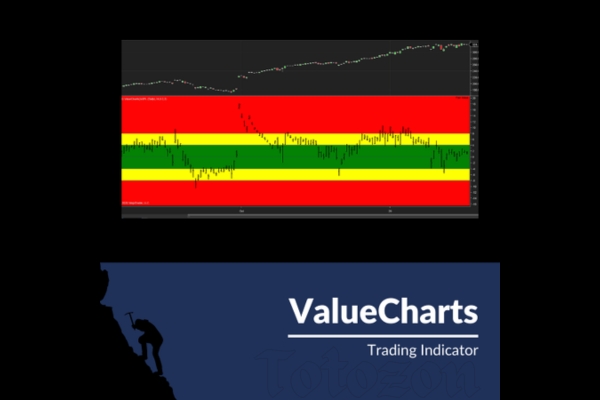 ValueCharts Ultimate Bundle with Base Camp Trading
1 × $54.00
ValueCharts Ultimate Bundle with Base Camp Trading
1 × $54.00 -
×
 YouAreTheIndicator Online Course 1.0
1 × $6.00
YouAreTheIndicator Online Course 1.0
1 × $6.00 -
×
 Butterfly and Condor Workshop with Aeromir
1 × $15.00
Butterfly and Condor Workshop with Aeromir
1 × $15.00 -
×
 The Best Option Trading Course with David Jaffee - Best Stock Strategy
1 × $15.00
The Best Option Trading Course with David Jaffee - Best Stock Strategy
1 × $15.00 -
×
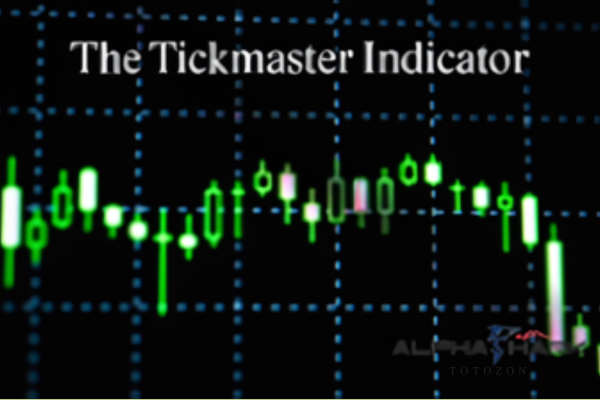 The Tickmaster Indicator
1 × $54.00
The Tickmaster Indicator
1 × $54.00 -
×
 Bond Market Course with The Macro Compass
1 × $15.00
Bond Market Course with The Macro Compass
1 × $15.00 -
×
 Ultimate Trading Course with Dodgy's Dungeon
1 × $8.00
Ultimate Trading Course with Dodgy's Dungeon
1 × $8.00 -
×
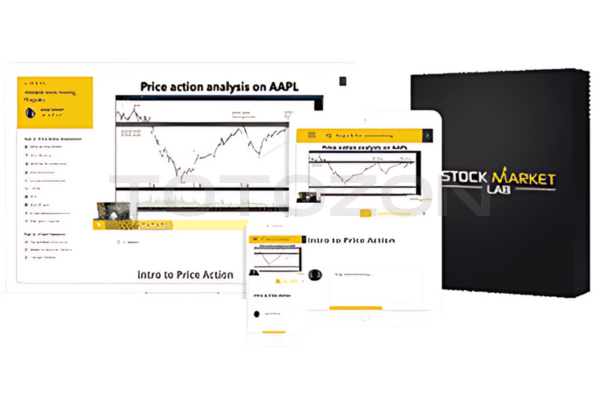 10-Week Stock Trading Program with Stock Market Lab
1 × $6.00
10-Week Stock Trading Program with Stock Market Lab
1 × $6.00 -
×
 Matrix Spread Options Trading Course with Base Camp Trading
1 × $31.00
Matrix Spread Options Trading Course with Base Camp Trading
1 × $31.00 -
×
 Best of the Best: Collars with Amy Meissner & Scott Ruble
1 × $15.00
Best of the Best: Collars with Amy Meissner & Scott Ruble
1 × $15.00 -
×
 0 DTE Options Trading Workshop with Aeromir Corporation
1 × $15.00
0 DTE Options Trading Workshop with Aeromir Corporation
1 × $15.00 -
×
 Options Trading & Ultimate MasterClass With Tyrone Abela - FX Evolution
1 × $54.00
Options Trading & Ultimate MasterClass With Tyrone Abela - FX Evolution
1 × $54.00 -
×
 TRADING NFX Course with Andrew NFX
1 × $5.00
TRADING NFX Course with Andrew NFX
1 × $5.00 -
×
 Crystal Ball Pack PLUS bonus Live Trade By Pat Mitchell - Trick Trades
1 × $20.00
Crystal Ball Pack PLUS bonus Live Trade By Pat Mitchell - Trick Trades
1 × $20.00 -
×
 Deep Dive Butterfly Trading Strategy Class with SJG Trades
1 × $41.00
Deep Dive Butterfly Trading Strategy Class with SJG Trades
1 × $41.00 -
×
 2 Day Personal Training Course (Seminar Package) with Martin Pring
1 × $6.00
2 Day Personal Training Course (Seminar Package) with Martin Pring
1 × $6.00 -
×
 The Naked Eye: Raw Data Analytics with Edgar Torres - Raw Data Analytics
1 × $8.00
The Naked Eye: Raw Data Analytics with Edgar Torres - Raw Data Analytics
1 × $8.00 -
×
 The Prop Trading Code with Brannigan Barrett - Axia Futures
1 × $23.00
The Prop Trading Code with Brannigan Barrett - Axia Futures
1 × $23.00 -
×
 The Trading Blueprint with Brad Goh - The Trading Geek
1 × $5.00
The Trading Blueprint with Brad Goh - The Trading Geek
1 × $5.00 -
×
 Algo Trading Masterclass with Ali Casey - StatOasis
1 × $23.00
Algo Trading Masterclass with Ali Casey - StatOasis
1 × $23.00 -
×
 Essentials in Quantitative Trading QT01 By HangukQuant's
1 × $23.00
Essentials in Quantitative Trading QT01 By HangukQuant's
1 × $23.00 -
×
 Advanced Spread Trading with Guy Bower - MasterClass Trader
1 × $15.00
Advanced Spread Trading with Guy Bower - MasterClass Trader
1 × $15.00 -
×
 WondaFX Signature Strategy with WondaFX
1 × $5.00
WondaFX Signature Strategy with WondaFX
1 × $5.00 -
×
 $20 – 52k 20 pips a day challange with Rafał Zuchowicz - TopMasterTrader
1 × $5.00
$20 – 52k 20 pips a day challange with Rafał Zuchowicz - TopMasterTrader
1 × $5.00 -
×
 SQX Mentorship with Tip Toe Hippo
1 × $23.00
SQX Mentorship with Tip Toe Hippo
1 × $23.00 -
×
 How To Read The Market Professionally with TradeSmart
1 × $27.00
How To Read The Market Professionally with TradeSmart
1 × $27.00 -
×
 The Orderflow Masterclass with PrimeTrading
1 × $17.00
The Orderflow Masterclass with PrimeTrading
1 × $17.00 -
×
 AI For Traders with Trading Markets
1 × $31.00
AI For Traders with Trading Markets
1 × $31.00 -
×
 Volume Cycles in the stock Market
1 × $6.00
Volume Cycles in the stock Market
1 × $6.00 -
×
 The Indices Orderflow Masterclass with The Forex Scalpers
1 × $23.00
The Indices Orderflow Masterclass with The Forex Scalpers
1 × $23.00 -
×
 ICT Prodigy Trading Course – $650K in Payouts with Alex Solignani
1 × $15.00
ICT Prodigy Trading Course – $650K in Payouts with Alex Solignani
1 × $15.00 -
×
 Order flow self-study training program with iMFtracker
1 × $10.00
Order flow self-study training program with iMFtracker
1 × $10.00 -
×
 White Phoenix’s The Smart (Money) Approach to Trading with Jayson Casper
1 × $39.00
White Phoenix’s The Smart (Money) Approach to Trading with Jayson Casper
1 × $39.00 -
×
 W. D Gann 's Square Of 9 Applied To Modern Markets with Sean Avidar - Hexatrade350
1 × $23.00
W. D Gann 's Square Of 9 Applied To Modern Markets with Sean Avidar - Hexatrade350
1 × $23.00 -
×
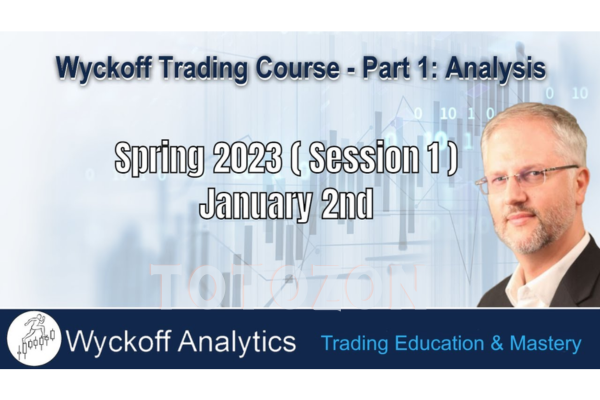 WYCKOFF TRADING COURSE (WTC) PART I – ANALYSIS (Spring 2023) - Roman Bogomazov & Alessio Rutigliano
1 × $209.00
WYCKOFF TRADING COURSE (WTC) PART I – ANALYSIS (Spring 2023) - Roman Bogomazov & Alessio Rutigliano
1 × $209.00 -
×
 15 Minutes to Financial Freedom with The Better Traders
1 × $20.00
15 Minutes to Financial Freedom with The Better Traders
1 × $20.00 -
×
 Compass Trading System with Right Line Trading
1 × $39.00
Compass Trading System with Right Line Trading
1 × $39.00 -
×
 12 Strategies for Picking Tops & Bottoms
1 × $23.00
12 Strategies for Picking Tops & Bottoms
1 × $23.00 -
×
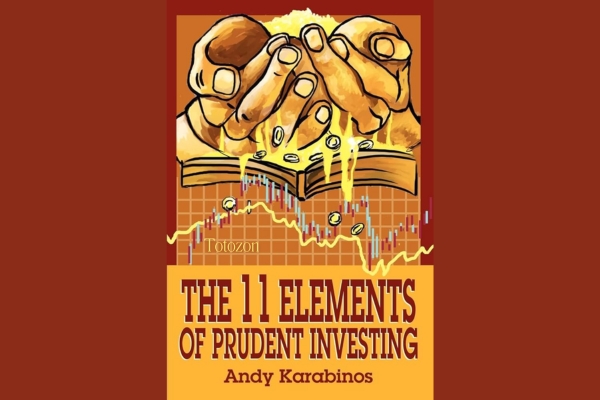 11 Elements of Prudent Investing with Andy Karabinos
1 × $6.00
11 Elements of Prudent Investing with Andy Karabinos
1 × $6.00 -
×
 2017 Plan or Get Slaughtered Class with Doc Severson
1 × $6.00
2017 Plan or Get Slaughtered Class with Doc Severson
1 × $6.00 -
×
 Quantamentals - The Next Great Forefront Of Trading and Investing with Trading Markets
1 × $8.00
Quantamentals - The Next Great Forefront Of Trading and Investing with Trading Markets
1 × $8.00 -
×
 Forecast 2024 Clarification with Larry Williams
1 × $15.00
Forecast 2024 Clarification with Larry Williams
1 × $15.00 -
×
 The Orderflows Trade Opportunities Encyclopedia with Michael Valtos
1 × $8.00
The Orderflows Trade Opportunities Encyclopedia with Michael Valtos
1 × $8.00
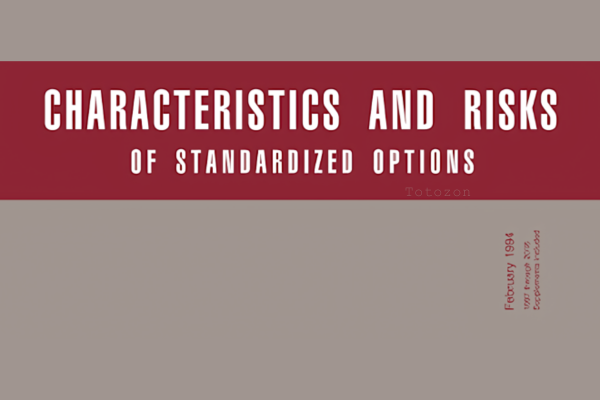
Characteristics and Risks of Standardized Options
$6.00
File Size: Cooming soon!
Delivery Time: 1–12 hours
Media Type: Online Course
Content Proof: Watch Here!
You may check content proof of “Characteristics and Risks of Standardized Options” below:

Understanding the Characteristics and Risks of Standardized Options
Options trading has become increasingly popular among individual investors, but understanding the characteristics and risks associated with standardized options is crucial before diving in. This guide will provide a comprehensive overview of standardized options, helping you to make informed decisions and better manage the risks involved.
Introduction to Standardized Options
What Are Standardized Options?
Standardized options are options contracts that are regulated with specific terms and conditions. They are traded on options exchanges and have features such as expiration dates, strike prices, and whether they are calls or puts.
Characteristics of Standardized Options
Contract Specifications
- Expiration Dates: Options have a set expiration date, which is the last day the option can be exercised.
- Strike Prices: The strike price is the price at which the underlying asset can be bought or sold.
- Call and Put Options: Calls give the holder the right to buy, while puts give the right to sell the underlying asset.
Liquidity and Market Depth
Standardized options typically enjoy high liquidity, making it easier to enter and exit positions.
Advantages of Trading Standardized Options
Flexibility in Trading Strategies
Options offer various strategies that can enhance portfolio performance, from protective puts to sophisticated spreads.
Hedging Risk
Options can be used to hedge against potential losses in other investments, providing a form of insurance.
Risks Involved in Options Trading
Market Risk
The value of options is tied to the performance of the underlying asset, which can fluctuate unpredictably.
Volatility Risk
Options can be highly sensitive to changes in the volatility of the underlying asset, affecting their pricing.
Understanding Options Pricing
The Role of the Black-Scholes Model
This mathematical model helps estimate the price of European-style options, taking into account factors like time and volatility.
Intrinsic Value and Time Value
- Intrinsic Value: The difference between the strike price and the current price of the underlying asset.
- Time Value: Reflects the probability of the option increasing in value before expiration.
Leverage and Its Effects
Potential for Higher Returns
Options provide leverage, meaning potential high returns from a relatively small initial investment.
Amplified Losses
Conversely, leverage can also amplify losses, especially with options that end up out of the money.
Regulatory and Compliance Considerations
Understanding the Options Clearing Corporation (OCC)
The OCC ensures fulfillment of obligations under options contracts.
Role of the Securities and Exchange Commission (SEC)
The SEC regulates options markets to protect investors.
Practical Tips for Options Traders
Continuous Education
Staying informed about market conditions and options strategies is crucial.
Risk Management Techniques
Implementing stop-loss orders and monitoring positions frequently can help manage risks.
Common Mistakes in Options Trading
Overleveraging
Avoid investing more than you can afford to lose, especially with leveraged instruments like options.
Neglecting to Plan
Every options trade should have a clear objective and exit strategy.
Conclusion
Trading standardized options offers numerous opportunities but comes with its share of risks. By understanding both the characteristics and the risks, you can better position yourself to harness the potential of options trading while minimizing potential downsides.
Frequently Asked Questions:
- What is the most important risk factor in options trading?
- Market volatility is often the most significant risk, as it can lead to large and rapid price changes.
- Can options trading be suitable for all investors?
- Options trading can be complex and may not be suitable for all investors, particularly those who are risk-averse.
- How can I mitigate risks in options trading?
- Diversifying your portfolio, using risk management tools, and keeping abreast of market trends are effective strategies.
- What should beginners know before trading options?
- Beginners should understand the basic terms and mechanisms of options trading, as well as the importance of a disciplined investment approach.
- Are there resources available for learning about options trading?
- Yes, many online platforms, courses, and books are dedicated to teaching the fundamentals and advanced strategies of options trading.
Be the first to review “Characteristics and Risks of Standardized Options”
You must be logged in to post a review.
Related products
Original price was: $197.00.$5.00Current price is: $5.00.
Original price was: $497.00.$11.00Current price is: $11.00.
Original price was: $997.00.$8.00Current price is: $8.00.
Original price was: $1,800.00.$54.00Current price is: $54.00.
Original price was: $299.00.$8.00Current price is: $8.00.
Forex Trading
Original price was: $697.00.$5.00Current price is: $5.00.
Forex Trading
Original price was: $1,898.00.$10.00Current price is: $10.00.
Original price was: $649.00.$20.00Current price is: $20.00.
Forex Trading
Original price was: $999.00.$15.00Current price is: $15.00.
Original price was: $799.00.$15.00Current price is: $15.00.
Forex Trading
Original price was: $499.00.$15.00Current price is: $15.00.
Forex Trading
Original price was: $797.00.$10.00Current price is: $10.00.
Original price was: $1,849.00.$15.00Current price is: $15.00.
Original price was: $139.00.$23.00Current price is: $23.00.
Original price was: $695.00.$41.00Current price is: $41.00.

Original price was: $999.00.$5.00Current price is: $5.00.
Forex Trading
Original price was: $850.00.$23.00Current price is: $23.00.
Forex Trading
Original price was: $2,995.00.$31.00Current price is: $31.00.
Forex Trading
Original price was: $2,997.00.$23.00Current price is: $23.00.
Original price was: $450.00.$23.00Current price is: $23.00.
Reviews
There are no reviews yet.