
-
×
 Pit Bull with Martin Schwartz
1 × $6.00
Pit Bull with Martin Schwartz
1 × $6.00 -
×
 CFA Level 3- Examination Morning Session – Essay (2004)
1 × $6.00
CFA Level 3- Examination Morning Session – Essay (2004)
1 × $6.00 -
×
 How To Read The Market Professionally with TradeSmart
1 × $27.00
How To Read The Market Professionally with TradeSmart
1 × $27.00 -
×
 Behavior and Performance of Investment Newsletter Analysts (Article) with Alok Kumar
1 × $6.00
Behavior and Performance of Investment Newsletter Analysts (Article) with Alok Kumar
1 × $6.00 -
×
 Advanced Forex Patterns with Vic Noble & Darko Ali
1 × $39.00
Advanced Forex Patterns with Vic Noble & Darko Ali
1 × $39.00 -
×
 The Investors Guide to Active Asset Allocation with Martin Pring
1 × $6.00
The Investors Guide to Active Asset Allocation with Martin Pring
1 × $6.00 -
×
 The Active Investor Blueprint with Steve Nison - Candle Charts
1 × $23.00
The Active Investor Blueprint with Steve Nison - Candle Charts
1 × $23.00 -
×
 A Trader’s Guide To Discipline
1 × $6.00
A Trader’s Guide To Discipline
1 × $6.00 -
×
 Investment Management
1 × $6.00
Investment Management
1 × $6.00 -
×
 Active Investing courses notes with Alan Hull
1 × $6.00
Active Investing courses notes with Alan Hull
1 × $6.00 -
×
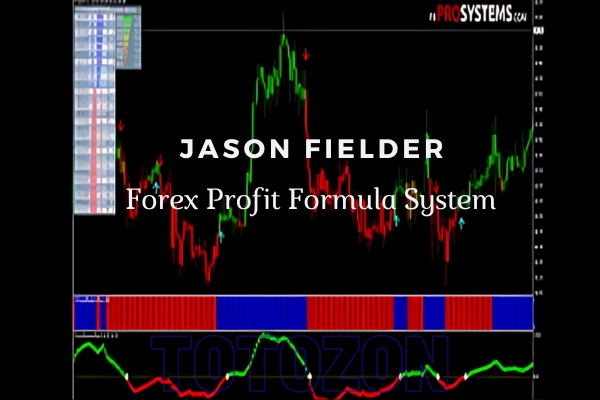 Forex Profit Formula System with Jason Fielder
1 × $6.00
Forex Profit Formula System with Jason Fielder
1 × $6.00 -
×
 Matrix Spread Options Trading Course with Base Camp Trading
1 × $31.00
Matrix Spread Options Trading Course with Base Camp Trading
1 × $31.00 -
×
 Wyckoff Analytics Courses Collection
1 × $27.00
Wyckoff Analytics Courses Collection
1 × $27.00 -
×
 Stock Market 101 with Sabrina Peterson
1 × $4.00
Stock Market 101 with Sabrina Peterson
1 × $4.00 -
×
 Trading With Venus
1 × $31.00
Trading With Venus
1 × $31.00 -
×
 Best of the Best: Collars with Amy Meissner & Scott Ruble
1 × $15.00
Best of the Best: Collars with Amy Meissner & Scott Ruble
1 × $15.00 -
×
 Trading with the Gods Fibonacci Series with Alan Oliver
1 × $6.00
Trading with the Gods Fibonacci Series with Alan Oliver
1 × $6.00 -
×
 The Definitive Guide To Futures Trading (Volume II) with Larry Williams
1 × $6.00
The Definitive Guide To Futures Trading (Volume II) with Larry Williams
1 × $6.00 -
×
 TheVWAP with Zach Hurwitz
1 × $5.00
TheVWAP with Zach Hurwitz
1 × $5.00 -
×
 Stop Loss Secrets
1 × $6.00
Stop Loss Secrets
1 × $6.00 -
×
 White Phoenix’s The Smart (Money) Approach to Trading with Jayson Casper
1 × $39.00
White Phoenix’s The Smart (Money) Approach to Trading with Jayson Casper
1 × $39.00 -
×
 Three Tricks, Two Traps, One Truth Real Help for Traders and Investors with D.R.Barton
1 × $6.00
Three Tricks, Two Traps, One Truth Real Help for Traders and Investors with D.R.Barton
1 × $6.00 -
×
 Catching the Bounce
1 × $6.00
Catching the Bounce
1 × $6.00 -
×
 Restore & Enhance Your Biofield (Advanced) by Spirituality Zone
1 × $15.40
Restore & Enhance Your Biofield (Advanced) by Spirituality Zone
1 × $15.40 -
×
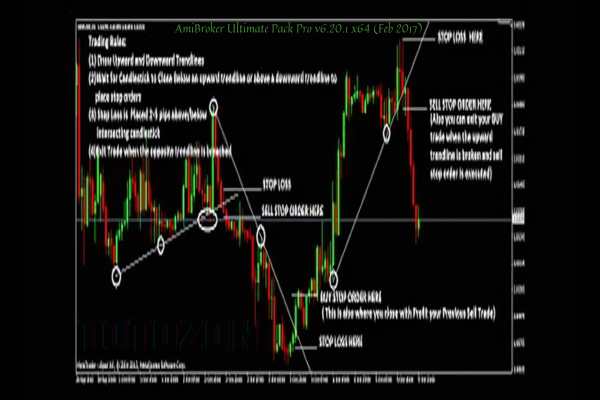 AmiBroker Ultimate Pack Pro v6.20.1 x64 (Feb 2017)
1 × $6.00
AmiBroker Ultimate Pack Pro v6.20.1 x64 (Feb 2017)
1 × $6.00 -
×
 The New Electronic Traders with Jonathan R.Aspartore
1 × $6.00
The New Electronic Traders with Jonathan R.Aspartore
1 × $6.00 -
×
 Developing a Forex Trading Plan Webinar
1 × $6.00
Developing a Forex Trading Plan Webinar
1 × $6.00 -
×
 Value Investing Bootcamp with Nick Kraakman
1 × $15.00
Value Investing Bootcamp with Nick Kraakman
1 × $15.00 -
×
 Floor Trader Tools 8.2 with Roy Kelly
1 × $6.00
Floor Trader Tools 8.2 with Roy Kelly
1 × $6.00 -
×
 Applying Fibonacci Analysis to Price Action
1 × $6.00
Applying Fibonacci Analysis to Price Action
1 × $6.00 -
×
 Simpler Options - Weekly Butterflies for Income
1 × $6.00
Simpler Options - Weekly Butterflies for Income
1 × $6.00 -
×
 Foundation & Application of the Market with Jim Dalton - JimDalton Trading
1 × $5.00
Foundation & Application of the Market with Jim Dalton - JimDalton Trading
1 × $5.00 -
×
 Derivates Demystified
1 × $6.00
Derivates Demystified
1 × $6.00 -
×
 Read The Market RTM Master Trader Course + Journals
1 × $5.00
Read The Market RTM Master Trader Course + Journals
1 × $5.00 -
×
 90 Days To Trade MasterClass with Jerremy Newsome & Matt Delong - Real Life Trading
1 × $104.00
90 Days To Trade MasterClass with Jerremy Newsome & Matt Delong - Real Life Trading
1 × $104.00 -
×
 Smart Money Concepts with JordyBanks
1 × $6.00
Smart Money Concepts with JordyBanks
1 × $6.00 -
×
 The Dynamic Trend Confirmation Indicator with Alphashark
1 × $54.00
The Dynamic Trend Confirmation Indicator with Alphashark
1 × $54.00 -
×
 Quantamentals - The Next Great Forefront Of Trading and Investing with Trading Markets
1 × $8.00
Quantamentals - The Next Great Forefront Of Trading and Investing with Trading Markets
1 × $8.00 -
×
 The Stock Selector System with Michael Sheimo
1 × $6.00
The Stock Selector System with Michael Sheimo
1 × $6.00 -
×
 The Ticker Investment Digest Articles
1 × $6.00
The Ticker Investment Digest Articles
1 × $6.00 -
×
 E-Bonds: An Introduction to the Online Bond Market with Jake Wengroff
1 × $6.00
E-Bonds: An Introduction to the Online Bond Market with Jake Wengroff
1 × $6.00 -
×
 Fast Fibonacci for Day Traders
1 × $15.00
Fast Fibonacci for Day Traders
1 × $15.00 -
×
 Trading Futures for Dummies with Joe Duarte
1 × $6.00
Trading Futures for Dummies with Joe Duarte
1 × $6.00 -
×
 Trading Full Circle the Complete Underground Trader System for Timing with Jea Yu
1 × $6.00
Trading Full Circle the Complete Underground Trader System for Timing with Jea Yu
1 × $6.00 -
×
 The Heretics of Finance with Andrew Lo & Jasmina Hasanhodzic
1 × $4.00
The Heretics of Finance with Andrew Lo & Jasmina Hasanhodzic
1 × $4.00 -
×
 Confessions of a Street Addict with James Cramer
1 × $6.00
Confessions of a Street Addict with James Cramer
1 × $6.00 -
×
 Winning on Wall Street (Updated & Revised Ed.) with Martin Zweig
1 × $6.00
Winning on Wall Street (Updated & Revised Ed.) with Martin Zweig
1 × $6.00 -
×
 Strike Zone Strategy 2.0 Elite Package with Joe Rokop
1 × $39.00
Strike Zone Strategy 2.0 Elite Package with Joe Rokop
1 × $39.00 -
×
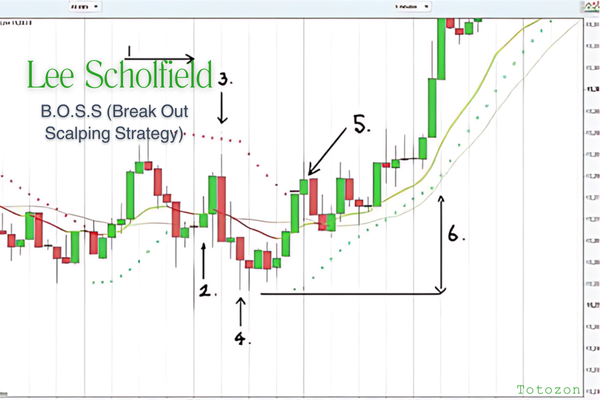 B.O.S.S (Break Out Scalping Strategy) with Lee Scholfield
1 × $6.00
B.O.S.S (Break Out Scalping Strategy) with Lee Scholfield
1 × $6.00 -
×
 Advanced Options Trading: Approaches, Tools, and Techniques for Professionals Traders with Kevin Kraus
1 × $6.00
Advanced Options Trading: Approaches, Tools, and Techniques for Professionals Traders with Kevin Kraus
1 × $6.00 -
×
 Deep Market Analysis Volume 1 with Fractal Flow Pro
1 × $6.00
Deep Market Analysis Volume 1 with Fractal Flow Pro
1 × $6.00 -
×
 Trading Strategies for Capital Markets with Joseph Benning
1 × $6.00
Trading Strategies for Capital Markets with Joseph Benning
1 × $6.00 -
×
 Advanced Fibonacci Trading with Neal Hughes
1 × $6.00
Advanced Fibonacci Trading with Neal Hughes
1 × $6.00 -
×
 San Jose Options - Iron Condor & Butterfly Options Trading Videos
1 × $15.00
San Jose Options - Iron Condor & Butterfly Options Trading Videos
1 × $15.00 -
×
 The Day Trader: From the Pit to the PC with Lewis Borsellino
1 × $6.00
The Day Trader: From the Pit to the PC with Lewis Borsellino
1 × $6.00 -
×
 Adaptation in Sports Training (1995) with Atko Viru
1 × $23.00
Adaptation in Sports Training (1995) with Atko Viru
1 × $23.00 -
×
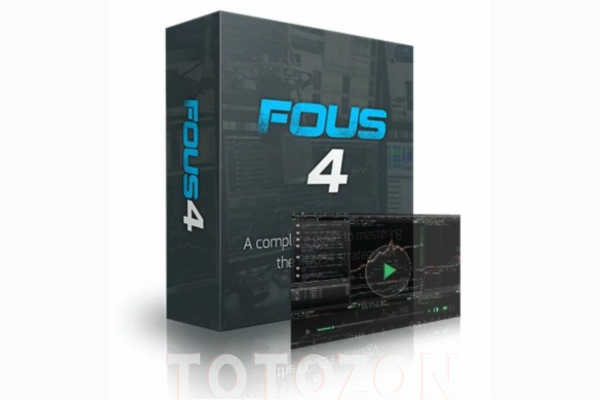 FOUS4 with Cameron Fous
1 × $5.00
FOUS4 with Cameron Fous
1 × $5.00 -
×
 Tharp Think Essentials Video Workshop with Van Tharp
1 × $5.00
Tharp Think Essentials Video Workshop with Van Tharp
1 × $5.00 -
×
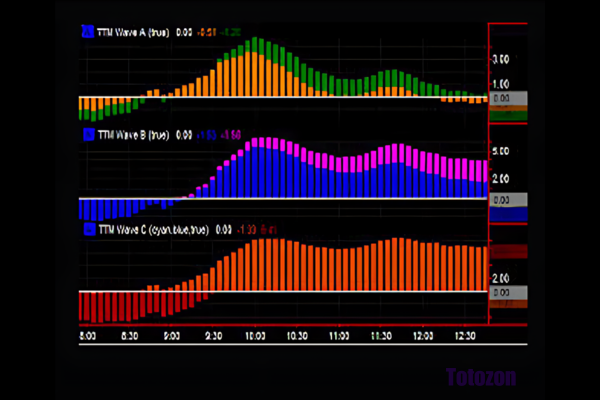 ABC Waves TOS Indicator & Live Class with Simpler Options
1 × $6.00
ABC Waves TOS Indicator & Live Class with Simpler Options
1 × $6.00 -
×
 W. D Gann 's Square Of 9 Applied To Modern Markets with Sean Avidar - Hexatrade350
1 × $23.00
W. D Gann 's Square Of 9 Applied To Modern Markets with Sean Avidar - Hexatrade350
1 × $23.00 -
×
 The 13-Week Cash Flow Model
1 × $15.00
The 13-Week Cash Flow Model
1 × $15.00 -
×
 Value Investing King of Trading Methods in the Commodity Markets - Hal Masover
1 × $6.00
Value Investing King of Trading Methods in the Commodity Markets - Hal Masover
1 × $6.00 -
×
 Price Headley - Using Williams %R The BigTrends Way
1 × $6.00
Price Headley - Using Williams %R The BigTrends Way
1 × $6.00 -
×
 AstroScan Regulus 4.1E newastro.net
1 × $6.00
AstroScan Regulus 4.1E newastro.net
1 × $6.00 -
×
 Day & Position Trading Using DiNapoli Levels with Joe Dinapoli & Merrick Okamoto
1 × $6.00
Day & Position Trading Using DiNapoli Levels with Joe Dinapoli & Merrick Okamoto
1 × $6.00 -
×
 Does a Holy Grail Really Exist with John Hayden
1 × $6.00
Does a Holy Grail Really Exist with John Hayden
1 × $6.00 -
×
 Smart Money Concepts with MFX Trading
1 × $13.00
Smart Money Concepts with MFX Trading
1 × $13.00

Discounted Cash Flow Valuation: Spot Undervalued Stocks Fast with Jari Roomer
$6.00
File Size: Coming soon!
Delivery Time: 1–12 hours
Media Type: Online Course
Discounted Cash Flow Valuation: Spot Undervalued Stocks Fast with Jari Roomer
Introduction
Discounted Cash Flow (DCF) valuation is a fundamental analysis method used to estimate the value of an investment based on its expected future cash flows. By mastering DCF valuation, investors can identify undervalued stocks and make informed investment decisions. In this article, we explore how Jari Roomer uses DCF valuation to spot undervalued stocks quickly and efficiently.
What is Discounted Cash Flow (DCF) Valuation?
Overview of DCF Valuation
Discounted Cash Flow valuation involves estimating the value of an investment by discounting its expected future cash flows to their present value. This method is based on the time value of money, which states that a dollar today is worth more than a dollar in the future due to its potential earning capacity.
Key Components of DCF Valuation
- Future Cash Flows: The projected earnings from the investment.
- Discount Rate: The rate used to discount future cash flows to their present value.
- Terminal Value: The value of the investment at the end of the forecast period.
Why Use DCF Valuation?
Advantages of DCF Valuation
- Intrinsic Value: Provides an estimate of the intrinsic value of an investment.
- Forward-Looking: Focuses on future cash flows rather than historical performance.
- Flexibility: Can be applied to various types of investments, including stocks, bonds, and real estate.
Limitations of DCF Valuation
- Complexity: Requires accurate forecasts of future cash flows and an appropriate discount rate.
- Sensitivity: Highly sensitive to changes in assumptions, such as growth rates and discount rates.
Steps to Perform DCF Valuation
1. Forecast Future Cash Flows
Description
The first step in DCF valuation is to forecast the future cash flows of the investment. This involves estimating the revenues, expenses, and net income over a specific period, typically 5-10 years.
Tips
- Use Historical Data: Analyze the company’s historical performance to make realistic forecasts.
- Consider Market Conditions: Take into account industry trends and economic conditions.
2. Determine the Discount Rate
Description
The discount rate reflects the risk associated with the investment and the time value of money. It is typically based on the company’s weighted average cost of capital (WACC) or the required rate of return for investors.
Tips
- Use WACC: Calculate the company’s WACC as a starting point.
- Adjust for Risk: Adjust the discount rate based on the specific risk factors of the investment.
3. Calculate the Present Value of Future Cash Flows
Description
Discount the forecasted future cash flows to their present value using the determined discount rate. This involves applying the formula:
PV=CF1(1+r)1+CF2(1+r)2+…+CFn(1+r)nPV = \frac{CF_1}{(1+r)^1} + \frac{CF_2}{(1+r)^2} + … + \frac{CF_n}{(1+r)^n}
where PVPV is the present value, CFCF is the cash flow for each period, rr is the discount rate, and nn is the number of periods.
4. Estimate the Terminal Value
Description
The terminal value represents the value of the investment at the end of the forecast period. It is calculated using the perpetuity growth model or the exit multiple method.
Tips
- Perpetuity Growth Model: Use if the company is expected to grow at a stable rate indefinitely.
- Exit Multiple Method: Use if there is an expected exit event, such as a sale or IPO.
5. Calculate the Total Present Value
Description
Add the present value of the future cash flows and the present value of the terminal value to obtain the total present value of the investment.
6. Compare to Market Value
Description
Compare the calculated intrinsic value to the current market value of the investment. If the intrinsic value is higher than the market value, the investment may be undervalued.
Jari Roomer’s Approach to DCF Valuation
Simplified DCF Model
Jari Roomer uses a simplified DCF model to quickly identify undervalued stocks. His approach involves focusing on key assumptions and using conservative estimates to avoid overvaluation.
Focus on Cash Flow Generating Companies
Roomer emphasizes analyzing companies with strong and stable cash flows. This reduces the risk of inaccurate forecasts and improves the reliability of the DCF valuation.
Regular Updates
Roomer regularly updates his DCF valuations to reflect changing market conditions and company performance. This ensures that his investment decisions are based on the most current information available.
Common Mistakes in DCF Valuation
Overly Optimistic Forecasts
Avoid making overly optimistic forecasts of future cash flows, as this can lead to overvaluation.
Incorrect Discount Rate
Using an incorrect discount rate can significantly impact the valuation results. Ensure that the discount rate accurately reflects the investment’s risk.
Ignoring Market Conditions
Failing to consider market conditions and industry trends can result in unrealistic valuations. Always factor in external factors when performing DCF valuation.
Conclusion
Discounted Cash Flow valuation is a valuable tool for investors looking to identify undervalued stocks. By understanding the key components and steps involved, and by following Jari Roomer’s approach, investors can make informed decisions and improve their investment outcomes.
Commonly Asked Questions:
- Business Model Innovation: Accept the truth of a legitimate business! Our strategy is organising a group buy in which participants share the costs. We use these cash to acquire popular courses from sale pages and make them available to people with limited financial resources. Despite the authors’ worries, our clients love the cost and accessibility we give.
- The Legal Environment: Yes or No The legality of our activity is ambiguous. While we don’t have specific permission from the course authors to resell the material, there is a technicality at work. The author did not specify any limits on resale when purchasing the course. This legal intricacy is both an opportunity for us and a boon for individuals looking for low-cost access.
- Quality Control: Uncovering the Truth
Getting to the heart of the issue – quality. Purchasing the course straight from the sale page guarantees that all documents and resources are the same as those obtained through traditional channels.
However, we distinguish ourselves by going beyond personal research and resale. It is crucial to note that we are not the official course providers, which means that the following premium services are not included in our package:
- There are no scheduled coaching calls or sessions with the author.
- Access to the author’s private Facebook group or web portal is not permitted.
- No access to the author’s private membership forum.
- There is no direct email support available from the author or their team.
We operate independently, with the goal of bridging the pricing gap without the extra services provided by official course channels. Your comprehension of our distinct approach is much appreciated.
Be the first to review “Discounted Cash Flow Valuation: Spot Undervalued Stocks Fast with Jari Roomer”
You must be logged in to post a review.
Related products

Original price was: $695.00.$41.00Current price is: $41.00.

Forex Trading
Original price was: $799.00.$15.00Current price is: $15.00.

Original price was: $497.00.$11.00Current price is: $11.00.

Forex Trading
Original price was: $239.00.$8.00Current price is: $8.00.

Original price was: $2,120.00.$15.00Current price is: $15.00.

Original price was: $649.00.$20.00Current price is: $20.00.

Original price was: $450.00.$23.00Current price is: $23.00.

Forex Trading
Original price was: $2,997.00.$23.00Current price is: $23.00.
Original price was: $799.00.$15.00Current price is: $15.00.
Forex Trading
Quantamentals – The Next Great Forefront Of Trading and Investing with Trading Markets
Original price was: $1,495.00.$8.00Current price is: $8.00.

Original price was: $1,849.00.$15.00Current price is: $15.00.

Forex Trading
Original price was: $125.00.$17.00Current price is: $17.00.

Forex Trading
Original price was: $850.00.$23.00Current price is: $23.00.

Forex Trading
Original price was: $2,995.00.$31.00Current price is: $31.00.

Forex Trading
Original price was: $499.00.$15.00Current price is: $15.00.
Forex Trading
Original price was: $4,997.00.$27.00Current price is: $27.00.
Original price was: $700.00.$39.00Current price is: $39.00.

Forex Trading
The Complete Guide to Multiple Time Frame Analysis & Reading Price Action with Aiman Almansoori
Original price was: $1,399.00.$13.00Current price is: $13.00.

Original price was: $1,800.00.$54.00Current price is: $54.00.

Forex Trading
Original price was: $249.00.$15.00Current price is: $15.00.

Reviews
There are no reviews yet.