
-
×
 EasyLanguage Home Study Course PDF Book + CD
1 × $6.00
EasyLanguage Home Study Course PDF Book + CD
1 × $6.00 -
×
 Master Moving Averages - Profit Multiplying Techniques with Nick Santiago - InTheMoneyStocks
1 × $54.00
Master Moving Averages - Profit Multiplying Techniques with Nick Santiago - InTheMoneyStocks
1 × $54.00 -
×
 AbleTrend with John Wang & Grace Wang
1 × $6.00
AbleTrend with John Wang & Grace Wang
1 × $6.00 -
×
 Channel Analysis. The Key to Improved Timing of Trades with Brian J.Millard
1 × $6.00
Channel Analysis. The Key to Improved Timing of Trades with Brian J.Millard
1 × $6.00 -
×
 BSAPPS FX Course with Ben Barker
1 × $6.00
BSAPPS FX Course with Ben Barker
1 × $6.00 -
×
 The Cycles and The Codes with Myles Wilson-Walker
1 × $15.00
The Cycles and The Codes with Myles Wilson-Walker
1 × $15.00 -
×
 The Jupiter Effect with John Gribbin & Stephen Plagemann
1 × $6.00
The Jupiter Effect with John Gribbin & Stephen Plagemann
1 × $6.00 -
×
 W. D Gann 's Square Of 9 Applied To Modern Markets with Sean Avidar - Hexatrade350
1 × $23.00
W. D Gann 's Square Of 9 Applied To Modern Markets with Sean Avidar - Hexatrade350
1 × $23.00 -
×
 RSI Unleashed: Building a Comprehensive Trading Framework By Doc Severson
1 × $6.00
RSI Unleashed: Building a Comprehensive Trading Framework By Doc Severson
1 × $6.00 -
×
 Compound Stock Earnings Master Class 2009 Ft Worth Tx September 12 13 DVD set
1 × $6.00
Compound Stock Earnings Master Class 2009 Ft Worth Tx September 12 13 DVD set
1 × $6.00 -
×
 Trading With Venus
1 × $31.00
Trading With Venus
1 × $31.00 -
×
 Fibonacci Mastery Course: Complete Guide to Trading with Fib By Todd Gordon
1 × $62.00
Fibonacci Mastery Course: Complete Guide to Trading with Fib By Todd Gordon
1 × $62.00 -
×
 How to Use Gann Techniques to Implement a Trading System
1 × $6.00
How to Use Gann Techniques to Implement a Trading System
1 × $6.00 -
×
 Passages To Profitability: A Comprehensive Guide To Channel Trading with Professor Jeff Bierman, CMT
1 × $6.00
Passages To Profitability: A Comprehensive Guide To Channel Trading with Professor Jeff Bierman, CMT
1 × $6.00 -
×
 Big Profit Patterns Using Candlestick Signals & Gaps with Stephen W.Bigalow
1 × $6.00
Big Profit Patterns Using Candlestick Signals & Gaps with Stephen W.Bigalow
1 × $6.00 -
×
 Best of AM Review (Volume 1-3) with Peter Bain
1 × $6.00
Best of AM Review (Volume 1-3) with Peter Bain
1 × $6.00 -
×
 The Systematic Trader: Maximizing Trading Systems and Money Management with David Stendahl & John Boyer
1 × $6.00
The Systematic Trader: Maximizing Trading Systems and Money Management with David Stendahl & John Boyer
1 × $6.00 -
×
 An Introduction to Option Trading Success with James Bittman
1 × $6.00
An Introduction to Option Trading Success with James Bittman
1 × $6.00 -
×
 Astro Cycles with Larry Pesavento
1 × $6.00
Astro Cycles with Larry Pesavento
1 × $6.00 -
×
 Freedom Challenge Course with Steven Dux
1 × $5.00
Freedom Challenge Course with Steven Dux
1 × $5.00 -
×
 Bulletproof Butterflies 2.0 2022 (PREMIUM) with Bruce Marshall
1 × $23.00
Bulletproof Butterflies 2.0 2022 (PREMIUM) with Bruce Marshall
1 × $23.00 -
×
 Opening Bell Income Strategy with Todd Mitchell
1 × $54.00
Opening Bell Income Strategy with Todd Mitchell
1 × $54.00 -
×
 5 Day Program with Dimitri Wallace - Gold Minds Global
1 × $6.00
5 Day Program with Dimitri Wallace - Gold Minds Global
1 × $6.00 -
×
 Tradezilla 2.0
1 × $5.00
Tradezilla 2.0
1 × $5.00 -
×
 5-Week Portfolio (No Bonus) - Criticaltrading
1 × $39.00
5-Week Portfolio (No Bonus) - Criticaltrading
1 × $39.00 -
×
 Forex Trading Plan - Learn How To Set SMART Trading Goals! with Anas Abba & FXMindTrix Academy
1 × $6.00
Forex Trading Plan - Learn How To Set SMART Trading Goals! with Anas Abba & FXMindTrix Academy
1 × $6.00 -
×
 STERLING SUHR’S ADVANCED FOREX BANK TRADING COURSE (DAYTRADING FOREX LIVE COURSE) 2017
1 × $15.00
STERLING SUHR’S ADVANCED FOREX BANK TRADING COURSE (DAYTRADING FOREX LIVE COURSE) 2017
1 × $15.00 -
×
 Technical Analysis & Options Strategies with K.H.Shaleen
1 × $6.00
Technical Analysis & Options Strategies with K.H.Shaleen
1 × $6.00 -
×
 Secrets of Trading GBP, JPY, and CHF By Boris Schlossberg and Kathy Lien - Bkforex
1 × $6.00
Secrets of Trading GBP, JPY, and CHF By Boris Schlossberg and Kathy Lien - Bkforex
1 × $6.00 -
×
 Deep Dive Butterfly Trading Strategy Class with SJG Trades
1 × $41.00
Deep Dive Butterfly Trading Strategy Class with SJG Trades
1 × $41.00 -
×
 Quantifiable Edges – Gold Subscription with Rob Hanna
1 × $54.00
Quantifiable Edges – Gold Subscription with Rob Hanna
1 × $54.00 -
×
 How to Manage a $25,000 Portfolio with Dan Sheridan - Sheridan Options Mentoring
1 × $6.00
How to Manage a $25,000 Portfolio with Dan Sheridan - Sheridan Options Mentoring
1 × $6.00 -
×
 Getting Started in Value Investing with Charles Mizrahi
1 × $6.00
Getting Started in Value Investing with Charles Mizrahi
1 × $6.00 -
×
 Dan Sheridan Volatility Class
1 × $6.00
Dan Sheridan Volatility Class
1 × $6.00 -
×
 The Trading Blueprint with Brad Goh - The Trading Geek
1 × $5.00
The Trading Blueprint with Brad Goh - The Trading Geek
1 × $5.00 -
×
 Characteristics and Risks of Standardized Options
1 × $6.00
Characteristics and Risks of Standardized Options
1 × $6.00 -
×
 DOTS Method with Dean Malone
1 × $54.00
DOTS Method with Dean Malone
1 × $54.00 -
×
 Traders Positioning System with Lee Gettess
1 × $4.00
Traders Positioning System with Lee Gettess
1 × $4.00 -
×
 The Complete Guide to Spread Trading
1 × $6.00
The Complete Guide to Spread Trading
1 × $6.00 -
×
 Trading For Busy People with Josias Kere
1 × $6.00
Trading For Busy People with Josias Kere
1 × $6.00 -
×
 Profinacci Complete Course with Stephen A.Pierce
1 × $6.00
Profinacci Complete Course with Stephen A.Pierce
1 × $6.00 -
×
 Butterfly and Condor Workshop with Aeromir
1 × $15.00
Butterfly and Condor Workshop with Aeromir
1 × $15.00 -
×
 IRON CONDORS FOR INCOME 2017 with Sheridan Options Mentoring
1 × $6.00
IRON CONDORS FOR INCOME 2017 with Sheridan Options Mentoring
1 × $6.00 -
×
 Create Your Own Hedge Fund with Mark Wolfinger
1 × $6.00
Create Your Own Hedge Fund with Mark Wolfinger
1 × $6.00 -
×
 The Aime Workshop with Clay Marafiote
1 × $6.00
The Aime Workshop with Clay Marafiote
1 × $6.00 -
×
 Pyrapoint with D.E.Hall
1 × $6.00
Pyrapoint with D.E.Hall
1 × $6.00 -
×
 Elite Core Advance Course with Urban Forex
1 × $5.00
Elite Core Advance Course with Urban Forex
1 × $5.00 -
×
 The Newly Revised Hal Method of Cyclic Analysis with Walter Bressert
1 × $5.00
The Newly Revised Hal Method of Cyclic Analysis with Walter Bressert
1 × $5.00 -
×
 Mastering Daily Option Trading with Option Pit
1 × $93.00
Mastering Daily Option Trading with Option Pit
1 × $93.00 -
×
 The Amazing Common Sense Guide To Investment Success with John Thomchick
1 × $6.00
The Amazing Common Sense Guide To Investment Success with John Thomchick
1 × $6.00 -
×
 Buying and Selling Volatility with Kevin B.Connolly
1 × $6.00
Buying and Selling Volatility with Kevin B.Connolly
1 × $6.00 -
×
 The Great Divergence: China, Europe, and the Making of the Modern World Economy with Kenneth Pomeranz
1 × $6.00
The Great Divergence: China, Europe, and the Making of the Modern World Economy with Kenneth Pomeranz
1 × $6.00 -
×
 From Wall Street to the Great Wall with Jonathan Worrall
1 × $6.00
From Wall Street to the Great Wall with Jonathan Worrall
1 × $6.00 -
×
 Exchange-Traded Derivatives with Erik Banks
1 × $6.00
Exchange-Traded Derivatives with Erik Banks
1 × $6.00 -
×
 Candlestick and Pivot Point Trading Triggers with John Person
1 × $6.00
Candlestick and Pivot Point Trading Triggers with John Person
1 × $6.00 -
×
 Creating the Optimal Trade for Explosive Profits with George A.Fontanills
1 × $6.00
Creating the Optimal Trade for Explosive Profits with George A.Fontanills
1 × $6.00 -
×
 High Yield Investments I & II with Lance Spicer
1 × $6.00
High Yield Investments I & II with Lance Spicer
1 × $6.00 -
×
 Trading Freak Academy (Full Course) with JP - Trading Freak
1 × $5.00
Trading Freak Academy (Full Course) with JP - Trading Freak
1 × $5.00 -
×
 China & the World Trading System with Deborah Cass, Brett Williams & George Barker
1 × $6.00
China & the World Trading System with Deborah Cass, Brett Williams & George Barker
1 × $6.00 -
×
 Forex Robotron (Unlocked)
1 × $6.00
Forex Robotron (Unlocked)
1 × $6.00 -
×
 Researching your Trade
1 × $6.00
Researching your Trade
1 × $6.00 -
×
 The Practical Application of Fibonacci Analysis to Investment Markets
1 × $6.00
The Practical Application of Fibonacci Analysis to Investment Markets
1 × $6.00 -
×
 War Room Psychology Vol. 4 with Pat Mitchell – Trick Trades
1 × $23.00
War Room Psychology Vol. 4 with Pat Mitchell – Trick Trades
1 × $23.00 -
×
 Applications of Abstract Algebra with Maple - Richard E.Kline, Neil Sigmon, Ernst Stitzinger
1 × $6.00
Applications of Abstract Algebra with Maple - Richard E.Kline, Neil Sigmon, Ernst Stitzinger
1 × $6.00 -
×
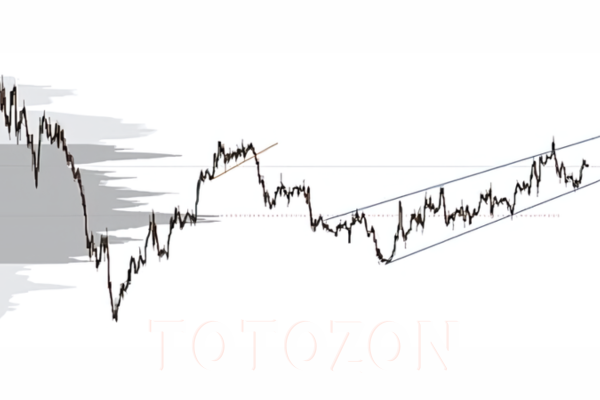 Complete Price Action, Volume Profile and Orderflow Trading Bundle with Price Action Volume Trader
1 × $78.00
Complete Price Action, Volume Profile and Orderflow Trading Bundle with Price Action Volume Trader
1 × $78.00 -
×
 Day Trading Smart Right From the Start: Trading Essentials for Maximum Results - David Nassar & John Boyer
1 × $6.00
Day Trading Smart Right From the Start: Trading Essentials for Maximum Results - David Nassar & John Boyer
1 × $6.00 -
×
 High Probability Trading Using Elliott Wave And Fibonacci Analysis withVic Patel - Forex Training Group
1 × $10.00
High Probability Trading Using Elliott Wave And Fibonacci Analysis withVic Patel - Forex Training Group
1 × $10.00

Discounted Cash Flow Valuation: Spot Undervalued Stocks Fast with Jari Roomer
$6.00
File Size: Coming soon!
Delivery Time: 1–12 hours
Media Type: Online Course
Discounted Cash Flow Valuation: Spot Undervalued Stocks Fast with Jari Roomer
Introduction
Discounted Cash Flow (DCF) valuation is a fundamental analysis method used to estimate the value of an investment based on its expected future cash flows. By mastering DCF valuation, investors can identify undervalued stocks and make informed investment decisions. In this article, we explore how Jari Roomer uses DCF valuation to spot undervalued stocks quickly and efficiently.
What is Discounted Cash Flow (DCF) Valuation?
Overview of DCF Valuation
Discounted Cash Flow valuation involves estimating the value of an investment by discounting its expected future cash flows to their present value. This method is based on the time value of money, which states that a dollar today is worth more than a dollar in the future due to its potential earning capacity.
Key Components of DCF Valuation
- Future Cash Flows: The projected earnings from the investment.
- Discount Rate: The rate used to discount future cash flows to their present value.
- Terminal Value: The value of the investment at the end of the forecast period.
Why Use DCF Valuation?
Advantages of DCF Valuation
- Intrinsic Value: Provides an estimate of the intrinsic value of an investment.
- Forward-Looking: Focuses on future cash flows rather than historical performance.
- Flexibility: Can be applied to various types of investments, including stocks, bonds, and real estate.
Limitations of DCF Valuation
- Complexity: Requires accurate forecasts of future cash flows and an appropriate discount rate.
- Sensitivity: Highly sensitive to changes in assumptions, such as growth rates and discount rates.
Steps to Perform DCF Valuation
1. Forecast Future Cash Flows
Description
The first step in DCF valuation is to forecast the future cash flows of the investment. This involves estimating the revenues, expenses, and net income over a specific period, typically 5-10 years.
Tips
- Use Historical Data: Analyze the company’s historical performance to make realistic forecasts.
- Consider Market Conditions: Take into account industry trends and economic conditions.
2. Determine the Discount Rate
Description
The discount rate reflects the risk associated with the investment and the time value of money. It is typically based on the company’s weighted average cost of capital (WACC) or the required rate of return for investors.
Tips
- Use WACC: Calculate the company’s WACC as a starting point.
- Adjust for Risk: Adjust the discount rate based on the specific risk factors of the investment.
3. Calculate the Present Value of Future Cash Flows
Description
Discount the forecasted future cash flows to their present value using the determined discount rate. This involves applying the formula:
PV=CF1(1+r)1+CF2(1+r)2+…+CFn(1+r)nPV = \frac{CF_1}{(1+r)^1} + \frac{CF_2}{(1+r)^2} + … + \frac{CF_n}{(1+r)^n}
where PVPV is the present value, CFCF is the cash flow for each period, rr is the discount rate, and nn is the number of periods.
4. Estimate the Terminal Value
Description
The terminal value represents the value of the investment at the end of the forecast period. It is calculated using the perpetuity growth model or the exit multiple method.
Tips
- Perpetuity Growth Model: Use if the company is expected to grow at a stable rate indefinitely.
- Exit Multiple Method: Use if there is an expected exit event, such as a sale or IPO.
5. Calculate the Total Present Value
Description
Add the present value of the future cash flows and the present value of the terminal value to obtain the total present value of the investment.
6. Compare to Market Value
Description
Compare the calculated intrinsic value to the current market value of the investment. If the intrinsic value is higher than the market value, the investment may be undervalued.
Jari Roomer’s Approach to DCF Valuation
Simplified DCF Model
Jari Roomer uses a simplified DCF model to quickly identify undervalued stocks. His approach involves focusing on key assumptions and using conservative estimates to avoid overvaluation.
Focus on Cash Flow Generating Companies
Roomer emphasizes analyzing companies with strong and stable cash flows. This reduces the risk of inaccurate forecasts and improves the reliability of the DCF valuation.
Regular Updates
Roomer regularly updates his DCF valuations to reflect changing market conditions and company performance. This ensures that his investment decisions are based on the most current information available.
Common Mistakes in DCF Valuation
Overly Optimistic Forecasts
Avoid making overly optimistic forecasts of future cash flows, as this can lead to overvaluation.
Incorrect Discount Rate
Using an incorrect discount rate can significantly impact the valuation results. Ensure that the discount rate accurately reflects the investment’s risk.
Ignoring Market Conditions
Failing to consider market conditions and industry trends can result in unrealistic valuations. Always factor in external factors when performing DCF valuation.
Conclusion
Discounted Cash Flow valuation is a valuable tool for investors looking to identify undervalued stocks. By understanding the key components and steps involved, and by following Jari Roomer’s approach, investors can make informed decisions and improve their investment outcomes.
Commonly Asked Questions:
- Business Model Innovation: Accept the truth of a legitimate business! Our strategy is organising a group buy in which participants share the costs. We use these cash to acquire popular courses from sale pages and make them available to people with limited financial resources. Despite the authors’ worries, our clients love the cost and accessibility we give.
- The Legal Environment: Yes or No The legality of our activity is ambiguous. While we don’t have specific permission from the course authors to resell the material, there is a technicality at work. The author did not specify any limits on resale when purchasing the course. This legal intricacy is both an opportunity for us and a boon for individuals looking for low-cost access.
- Quality Control: Uncovering the Truth
Getting to the heart of the issue – quality. Purchasing the course straight from the sale page guarantees that all documents and resources are the same as those obtained through traditional channels.
However, we distinguish ourselves by going beyond personal research and resale. It is crucial to note that we are not the official course providers, which means that the following premium services are not included in our package:
- There are no scheduled coaching calls or sessions with the author.
- Access to the author’s private Facebook group or web portal is not permitted.
- No access to the author’s private membership forum.
- There is no direct email support available from the author or their team.
We operate independently, with the goal of bridging the pricing gap without the extra services provided by official course channels. Your comprehension of our distinct approach is much appreciated.
Be the first to review “Discounted Cash Flow Valuation: Spot Undervalued Stocks Fast with Jari Roomer”
You must be logged in to post a review.
Related products
Forex Trading
Original price was: $797.00.$10.00Current price is: $10.00.

Forex Trading
Original price was: $999.00.$15.00Current price is: $15.00.

Original price was: $799.00.$15.00Current price is: $15.00.

Forex Trading
Original price was: $125.00.$17.00Current price is: $17.00.

Forex Trading
Original price was: $499.00.$15.00Current price is: $15.00.

Forex Trading
Original price was: $1,098.00.$39.00Current price is: $39.00.

Original price was: $997.00.$8.00Current price is: $8.00.

Original price was: $997.00.$13.00Current price is: $13.00.
Original price was: $695.00.$41.00Current price is: $41.00.

Forex Trading
Original price was: $850.00.$23.00Current price is: $23.00.

Forex Trading
Original price was: $500.00.$5.00Current price is: $5.00.

Forex Trading
Original price was: $239.00.$8.00Current price is: $8.00.

Forex Trading
Original price was: $1,898.00.$10.00Current price is: $10.00.

Original price was: $700.00.$39.00Current price is: $39.00.

Original price was: $2,120.00.$15.00Current price is: $15.00.

Original price was: $649.00.$20.00Current price is: $20.00.

Original price was: $497.00.$11.00Current price is: $11.00.

Forex Trading
Quantamentals – The Next Great Forefront Of Trading and Investing with Trading Markets
Original price was: $1,495.00.$8.00Current price is: $8.00.

Original price was: $1,800.00.$54.00Current price is: $54.00.
Original price was: $139.00.$23.00Current price is: $23.00.

Reviews
There are no reviews yet.