
-
×
 Aspectos Generales del Mercado de Valores with A.Bachiller
1 × $6.00
Aspectos Generales del Mercado de Valores with A.Bachiller
1 × $6.00 -
×
 Trading Earnings Using Measured-Move Targets with Alphashark
1 × $6.00
Trading Earnings Using Measured-Move Targets with Alphashark
1 × $6.00 -
×
 Short Term Trading Strategies with Simon Harris
1 × $6.00
Short Term Trading Strategies with Simon Harris
1 × $6.00 -
×
 ZoneTrader Pro v2 (Sep 2013)
1 × $23.00
ZoneTrader Pro v2 (Sep 2013)
1 × $23.00 -
×
 Chart Pattern Recognition for Metastock with John Murphy
1 × $6.00
Chart Pattern Recognition for Metastock with John Murphy
1 × $6.00 -
×
 AI For Traders with Trading Markets
1 × $31.00
AI For Traders with Trading Markets
1 × $31.00 -
×
 Equity Derivates with Marcus Overhaus, Andrew Ferraris, Thomas Knudsen, Ross Milward, Laurent Nguyen-Ngoc & Gero Schindlmayr
1 × $6.00
Equity Derivates with Marcus Overhaus, Andrew Ferraris, Thomas Knudsen, Ross Milward, Laurent Nguyen-Ngoc & Gero Schindlmayr
1 × $6.00 -
×
 Module 1 & 2 Swing Trading Forex and Financial Futures with Trader Dante
1 × $15.00
Module 1 & 2 Swing Trading Forex and Financial Futures with Trader Dante
1 × $15.00 -
×
 The Triple Bottom Line
1 × $6.00
The Triple Bottom Line
1 × $6.00 -
×
 Characteristics and Risks of Standardized Options
1 × $6.00
Characteristics and Risks of Standardized Options
1 × $6.00 -
×
 $20 – 52k 20 pips a day challange with Rafał Zuchowicz - TopMasterTrader
1 × $5.00
$20 – 52k 20 pips a day challange with Rafał Zuchowicz - TopMasterTrader
1 × $5.00 -
×
 Encyclopedia of Planetary Aspects for Short Term TradingPatrick Mikula – Encyclopedia of Planetary Aspects for Short Term Trading
1 × $4.00
Encyclopedia of Planetary Aspects for Short Term TradingPatrick Mikula – Encyclopedia of Planetary Aspects for Short Term Trading
1 × $4.00 -
×
 USDX Trading Course with Jared Martinez - MTI
1 × $6.00
USDX Trading Course with Jared Martinez - MTI
1 × $6.00 -
×
 The Orderflow Masterclass with PrimeTrading
1 × $17.00
The Orderflow Masterclass with PrimeTrading
1 × $17.00 -
×
 Home Run Options Trading Course with Dave Aquino - Base Camp Trading
1 × $11.00
Home Run Options Trading Course with Dave Aquino - Base Camp Trading
1 × $11.00 -
×
 The Best Option Trading Course with David Jaffee - Best Stock Strategy
1 × $15.00
The Best Option Trading Course with David Jaffee - Best Stock Strategy
1 × $15.00 -
×
 Chart Mastery Course 2024 with Quantum
1 × $24.00
Chart Mastery Course 2024 with Quantum
1 × $24.00 -
×
 Compass Trading System with Right Line Trading
1 × $39.00
Compass Trading System with Right Line Trading
1 × $39.00 -
×
 TradeSafe Mechanical Trading System, Course, and Coaching
1 × $85.00
TradeSafe Mechanical Trading System, Course, and Coaching
1 × $85.00 -
×
 Vega Modified Butterfly Class with Jay Bailey - Sheridan Options Mentoring
1 × $31.00
Vega Modified Butterfly Class with Jay Bailey - Sheridan Options Mentoring
1 × $31.00 -
×
 Oliver Velez & Greg Capra - Trading the Pristine Method. The Refresher Course - I & II
1 × $15.00
Oliver Velez & Greg Capra - Trading the Pristine Method. The Refresher Course - I & II
1 × $15.00 -
×
 Triple Play Trading Ideas & Mentoring with MarketGauge
1 × $54.00
Triple Play Trading Ideas & Mentoring with MarketGauge
1 × $54.00 -
×
 Understanding Price Action: practical analysis of the 5-minute time frame with Bob Volman
1 × $5.00
Understanding Price Action: practical analysis of the 5-minute time frame with Bob Volman
1 × $5.00 -
×
 The Pattern Trader with Mark Shawzin
1 × $6.00
The Pattern Trader with Mark Shawzin
1 × $6.00 -
×
 Breakthrough Strategies for Predicting Any Market: Charting Elliott Wave, Lucas, Fibonacci and Time for Profit - Jeff Greenblatt & Dawn Bolton-Smith
1 × $6.00
Breakthrough Strategies for Predicting Any Market: Charting Elliott Wave, Lucas, Fibonacci and Time for Profit - Jeff Greenblatt & Dawn Bolton-Smith
1 × $6.00 -
×
 CNBC 24-7 Trading with Barbara Rockefeller
1 × $6.00
CNBC 24-7 Trading with Barbara Rockefeller
1 × $6.00 -
×
 The Econometrics of Macroeconomic Modelling with Gunnar Bardsen
1 × $6.00
The Econometrics of Macroeconomic Modelling with Gunnar Bardsen
1 × $6.00 -
×
 Understanding Equity & Trusts with Alastair Hudson
1 × $6.00
Understanding Equity & Trusts with Alastair Hudson
1 × $6.00 -
×
 ICT Prodigy Trading Course – $650K in Payouts with Alex Solignani
1 × $15.00
ICT Prodigy Trading Course – $650K in Payouts with Alex Solignani
1 × $15.00 -
×
 Angel Capital How to Raise Early-Stage Private Equity Financing with Gerald A. Benjamin, Joel B. Margulis
1 × $6.00
Angel Capital How to Raise Early-Stage Private Equity Financing with Gerald A. Benjamin, Joel B. Margulis
1 × $6.00 -
×
 Trading Hub 3.0 (Ebook)
1 × $6.00
Trading Hub 3.0 (Ebook)
1 × $6.00 -
×
 Breakouts: The Quintessential Approach – Feibel Trading
1 × $31.00
Breakouts: The Quintessential Approach – Feibel Trading
1 × $31.00 -
×
 Ultimate Guide to Stock Investing
1 × $6.00
Ultimate Guide to Stock Investing
1 × $6.00 -
×
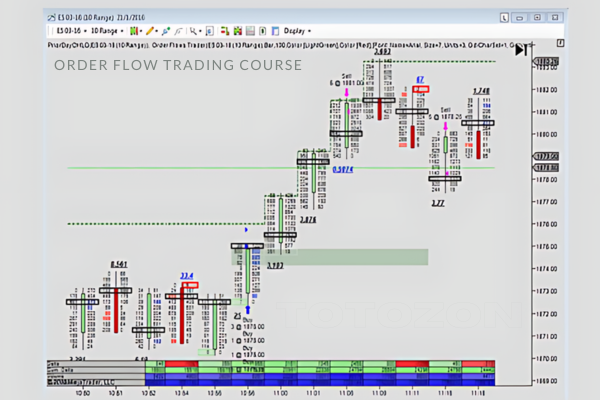 Order Flow Trading Course with Orderflows
1 × $23.00
Order Flow Trading Course with Orderflows
1 × $23.00 -
×
 Learn to Trade Forex and Stocks – From Beginner to Advanced
1 × $6.00
Learn to Trade Forex and Stocks – From Beginner to Advanced
1 × $6.00 -
×
 Price action profits formula v2
1 × $31.00
Price action profits formula v2
1 × $31.00 -
×
 Market Structure Masterclass with Braveheart Trading
1 × $5.00
Market Structure Masterclass with Braveheart Trading
1 × $5.00 -
×
 Winning Stock Selection Simplified (Vol I, II & III) with Peter Worden
1 × $6.00
Winning Stock Selection Simplified (Vol I, II & III) with Peter Worden
1 × $6.00 -
×
 Lessons from the Greatest Stock Traders of all Time with John Boik
1 × $6.00
Lessons from the Greatest Stock Traders of all Time with John Boik
1 × $6.00 -
×
 Trading Price Action Reversals (Kindle) with Al Brooks
1 × $6.00
Trading Price Action Reversals (Kindle) with Al Brooks
1 × $6.00 -
×
 P&L Accumulation Distribution with Charles Drummond
1 × $4.00
P&L Accumulation Distribution with Charles Drummond
1 × $4.00 -
×
 Activedaytrader - Bond Trading Bootcamp
1 × $8.00
Activedaytrader - Bond Trading Bootcamp
1 × $8.00 -
×
 Tradeguider Mentorship Collection
1 × $54.00
Tradeguider Mentorship Collection
1 × $54.00 -
×
 TickScalper Trading System
1 × $23.00
TickScalper Trading System
1 × $23.00 -
×
 BookMap Advanced v6.1
1 × $6.00
BookMap Advanced v6.1
1 × $6.00 -
×
 Intermediate to Advanced Intensive Q and A with Rob Hoffman
1 × $6.00
Intermediate to Advanced Intensive Q and A with Rob Hoffman
1 × $6.00 -
×
 Bond Trading Success
1 × $6.00
Bond Trading Success
1 × $6.00 -
×
 The Orderflows Trade Opportunities Encyclopedia with Michael Valtos
1 × $8.00
The Orderflows Trade Opportunities Encyclopedia with Michael Valtos
1 × $8.00 -
×
 B.O.S.S. SPY Sniper with Pat Mitchell – Trick Trades
1 × $39.00
B.O.S.S. SPY Sniper with Pat Mitchell – Trick Trades
1 × $39.00 -
×
 Order Flow Analysis
1 × $15.00
Order Flow Analysis
1 × $15.00 -
×
 Trade for Life - 5 Day Trading Laboratory
1 × $54.00
Trade for Life - 5 Day Trading Laboratory
1 × $54.00 -
×
 Enhancing Technical Analysis with Planetary Price & Price Factors
1 × $6.00
Enhancing Technical Analysis with Planetary Price & Price Factors
1 × $6.00 -
×
 Mastering Candlestick Charts I with Greg Capra
1 × $6.00
Mastering Candlestick Charts I with Greg Capra
1 × $6.00 -
×
 Butterfly and Condor Workshop with Aeromir
1 × $15.00
Butterfly and Condor Workshop with Aeromir
1 × $15.00 -
×
 6-2-4 Winning Strategies & Systems with Jack Bernstein
1 × $6.00
6-2-4 Winning Strategies & Systems with Jack Bernstein
1 × $6.00 -
×
 US indices system with LaMartinatradingFx
1 × $10.00
US indices system with LaMartinatradingFx
1 × $10.00 -
×
 Credit Spreads Deep Dive with Jay Bailey - Sheridan Options Mentoring
1 × $31.00
Credit Spreads Deep Dive with Jay Bailey - Sheridan Options Mentoring
1 × $31.00 -
×
 Ambush Trading Method (EBOOK) with MARCO MAYER - Trading Educators
1 × $256.00
Ambush Trading Method (EBOOK) with MARCO MAYER - Trading Educators
1 × $256.00 -
×
 A Forex System For Catching Pips All Day Long with Forex Pip Fishing
1 × $4.00
A Forex System For Catching Pips All Day Long with Forex Pip Fishing
1 × $4.00 -
×
 Valuation of Internet & Technology Stocks with Brian Kettell
1 × $6.00
Valuation of Internet & Technology Stocks with Brian Kettell
1 × $6.00 -
×
 Options Trading & Ultimate MasterClass With Tyrone Abela - FX Evolution
1 × $54.00
Options Trading & Ultimate MasterClass With Tyrone Abela - FX Evolution
1 × $54.00 -
×
 Unreal Series - Forex Trading Master - Surreal Abilities with Talmadge Harper - Harper Healing
1 × $8.00
Unreal Series - Forex Trading Master - Surreal Abilities with Talmadge Harper - Harper Healing
1 × $8.00 -
×
 The Super MACD Indicator Package
1 × $15.00
The Super MACD Indicator Package
1 × $15.00 -
×
 Stop Loss Secrets
1 × $6.00
Stop Loss Secrets
1 × $6.00 -
×
 Trendfans & Trendline Breaks with Albert Yang
1 × $6.00
Trendfans & Trendline Breaks with Albert Yang
1 × $6.00 -
×
 San Jose Options - Iron Condor & Butterfly Options Trading Videos
1 × $15.00
San Jose Options - Iron Condor & Butterfly Options Trading Videos
1 × $15.00 -
×
 HectorTrader.com – Forex Trading Course with Hector DeVille
1 × $6.00
HectorTrader.com – Forex Trading Course with Hector DeVille
1 × $6.00 -
×
 Day Trading With Short Term Price Patterns and Opening Range Breakout
1 × $6.00
Day Trading With Short Term Price Patterns and Opening Range Breakout
1 × $6.00 -
×
 Algorithmic Trading Systems: Advanced Gap Strategies for the Futures Markets with David Bean
1 × $5.00
Algorithmic Trading Systems: Advanced Gap Strategies for the Futures Markets with David Bean
1 × $5.00 -
×
 Market Internals & Intraday Timing Webinar
1 × $6.00
Market Internals & Intraday Timing Webinar
1 × $6.00 -
×
 Futures Trading Secrets Home Study Course 2004 with Bill McCready
1 × $7.00
Futures Trading Secrets Home Study Course 2004 with Bill McCready
1 × $7.00 -
×
 Order flow self-study training program with iMFtracker
1 × $10.00
Order flow self-study training program with iMFtracker
1 × $10.00 -
×
 Onyx Trade House
1 × $7.00
Onyx Trade House
1 × $7.00 -
×
 The Mango Trade 2017
1 × $6.00
The Mango Trade 2017
1 × $6.00 -
×
 Beginners Chart Patterns Trading for Penny Stocks
1 × $6.00
Beginners Chart Patterns Trading for Penny Stocks
1 × $6.00 -
×
 Instant Cash With Judgment Liens with Mike Warren
1 × $6.00
Instant Cash With Judgment Liens with Mike Warren
1 × $6.00 -
×
 Squeeze Pro Indicator + Buy/Sell Signals (PREMIUM)
1 × $85.00
Squeeze Pro Indicator + Buy/Sell Signals (PREMIUM)
1 × $85.00 -
×
 Meeting of the Minds (Video ) with Larry Connors
1 × $6.00
Meeting of the Minds (Video ) with Larry Connors
1 × $6.00 -
×
 Essentials in Quantitative Trading QT01 By HangukQuant's
1 × $23.00
Essentials in Quantitative Trading QT01 By HangukQuant's
1 × $23.00

Short and Simple Guide to Smart Investing with Alan Lavine
$6.00
File Size: Cooming soon!
Delivery Time: 1–12 hours
Media Type: Online Course
Content Proof: Watch Here!
You may check content proof of “Short and Simple Guide to Smart Investing with Alan Lavine” below:

Short and Simple Guide to Smart Investing with Alan Lavine
Introduction to Smart Investing
Investing can seem daunting, but with the right guidance, anyone can become a smart investor. Alan Lavine, a respected financial expert, offers straightforward advice for navigating the investment landscape. This guide distills his insights into practical steps that will help you make informed and effective investment decisions.
Understanding Smart Investing
What is Smart Investing?
Smart investing involves making informed decisions to grow your wealth over time. It includes understanding your financial goals, risk tolerance, and investment options.
The Importance of Financial Goals
Setting clear financial goals helps you stay focused and motivated. Whether saving for retirement, buying a home, or funding education, goals provide a roadmap for your investment strategy.
Alan Lavine’s Investment Philosophy
Lavine’s Approach
Alan Lavine emphasizes simplicity and prudence. His philosophy centers around understanding your investments, diversifying your portfolio, and managing risks effectively.
Key Principles
- Educate Yourself: Knowledge is power in investing.
- Diversify: Spread your investments to minimize risk.
- Stay Disciplined: Stick to your plan, regardless of market fluctuations.
Getting Started with Investing
Step 1: Assess Your Financial Situation
Before you begin investing, evaluate your current financial status. Consider your income, expenses, debts, and savings.
Step 2: Set Clear Goals
Define your short-term and long-term financial goals. Specific, measurable, achievable, relevant, and time-bound (SMART) goals can guide your investment strategy.
Step 3: Determine Your Risk Tolerance
Your risk tolerance is your ability and willingness to lose some or all of your investment in exchange for higher potential returns. It varies with age, income, and financial goals.
Investment Options
Stocks
Investing in stocks means buying shares of a company. Stocks can offer high returns but come with higher risk.
Bonds
Bonds are loans you give to companies or governments. They provide regular interest payments and are generally less risky than stocks.
Mutual Funds
Mutual funds pool money from many investors to buy a diversified portfolio of stocks, bonds, or other securities.
ETFs (Exchange-Traded Funds)
ETFs are similar to mutual funds but trade like stocks. They offer diversification and are usually more cost-effective.
Real Estate
Investing in real estate involves buying property to generate rental income or profit from appreciation.
Diversification: Key to Risk Management
Why Diversify?
Diversification reduces risk by spreading investments across different asset classes, sectors, and geographies.
How to Diversify
- Asset Allocation: Distribute your investments among different asset types (stocks, bonds, real estate).
- Sector Diversification: Invest in various industries (technology, healthcare, finance).
- Geographic Diversification: Include international investments to mitigate regional risks.
Building Your Portfolio
Starting Small
Begin with a manageable amount of money and gradually increase your investment as you become more comfortable.
Regular Contributions
Consistently add to your investments, regardless of market conditions. Dollar-cost averaging can reduce the impact of market volatility.
Review and Rebalance
Regularly review your portfolio to ensure it aligns with your goals and risk tolerance. Rebalance as necessary to maintain your desired asset allocation.
Avoiding Common Mistakes
Emotional Investing
Avoid making impulsive decisions based on market highs and lows. Stick to your plan and make decisions based on research.
Overconfidence
Don’t assume you can consistently outperform the market. Even experienced investors face challenges.
Neglecting Fees
Be aware of fees associated with investing, such as transaction fees, management fees, and expense ratios. These can eat into your returns.
Leveraging Professional Advice
Financial Advisors
Consider consulting a financial advisor for personalized advice. They can help you develop and implement a comprehensive investment plan.
Robo-Advisors
Robo-advisors use algorithms to create and manage a diversified portfolio based on your risk tolerance and goals. They are a cost-effective option for new investors.
Staying Informed
Continuous Learning
The investment landscape is always evolving. Stay updated by reading financial news, books, and attending seminars.
Reliable Sources
Follow reputable sources for investment information and advice. Be cautious of get-rich-quick schemes.
Conclusion
Smart investing doesn’t have to be complicated. By following Alan Lavine’s principles of education, diversification, and discipline, you can build a solid foundation for your financial future. Start small, stay informed, and make consistent contributions to achieve your investment goals.
Frequently Asked Questions
1. What is the first step in smart investing?
Assess your financial situation and set clear financial goals before you begin investing.
2. How can I determine my risk tolerance?
Consider your age, income, financial goals, and ability to withstand losses to determine your risk tolerance.
3. Why is diversification important?
Diversification reduces risk by spreading investments across different asset classes, sectors, and geographies.
4. What should I avoid when investing?
Avoid emotional investing, overconfidence, and neglecting fees that can diminish your returns.
5. How can I stay informed about investments?
Stay informed by reading financial news, books, attending seminars, and following reputable sources for investment information.
Be the first to review “Short and Simple Guide to Smart Investing with Alan Lavine”
You must be logged in to post a review.
Related products

Original price was: $497.00.$31.00Current price is: $31.00.

Forex Trading
Original price was: $2,997.00.$23.00Current price is: $23.00.

Original price was: $4,995.00.$15.00Current price is: $15.00.

Original price was: $1,200.00.$23.00Current price is: $23.00.

Original price was: $649.00.$20.00Current price is: $20.00.

Original price was: $695.00.$41.00Current price is: $41.00.

Forex Trading
Original price was: $2,000.00.$23.00Current price is: $23.00.

Original price was: $450.00.$23.00Current price is: $23.00.
Forex Trading
Original price was: $799.00.$15.00Current price is: $15.00.
Original price was: $197.00.$5.00Current price is: $5.00.
Original price was: $1,800.00.$54.00Current price is: $54.00.

Forex Trading
Original price was: $797.00.$10.00Current price is: $10.00.

Forex Trading
Original price was: $499.00.$15.00Current price is: $15.00.

Forex Trading
Original price was: $4,997.00.$27.00Current price is: $27.00.

Forex Trading
Original price was: $249.00.$15.00Current price is: $15.00.

Original price was: $997.00.$8.00Current price is: $8.00.
Forex Trading
Original price was: $125.00.$17.00Current price is: $17.00.

Forex Trading
Original price was: $397.00.$31.00Current price is: $31.00.
Forex Trading
Original price was: $850.00.$23.00Current price is: $23.00.

Forex Trading
Original price was: $999.00.$15.00Current price is: $15.00.
Reviews
There are no reviews yet.