
-
×
 High Probability Trading with Marcel Link
1 × $6.00
High Probability Trading with Marcel Link
1 × $6.00 -
×
 Magical Forex Trading System
1 × $6.00
Magical Forex Trading System
1 × $6.00 -
×
 Market Making Scalping Manual with Gary Norden - Jigsaw Trading
1 × $69.00
Market Making Scalping Manual with Gary Norden - Jigsaw Trading
1 × $69.00 -
×
 Developing & Implementing Pattern-Based Trading Systems with Tushar S.Chande
1 × $6.00
Developing & Implementing Pattern-Based Trading Systems with Tushar S.Chande
1 × $6.00 -
×
 Candlestick & Pivot Point Strategies with John L.Person
1 × $6.00
Candlestick & Pivot Point Strategies with John L.Person
1 × $6.00 -
×
 Zero to Hero Course with EVO Capital
1 × $13.00
Zero to Hero Course with EVO Capital
1 × $13.00 -
×
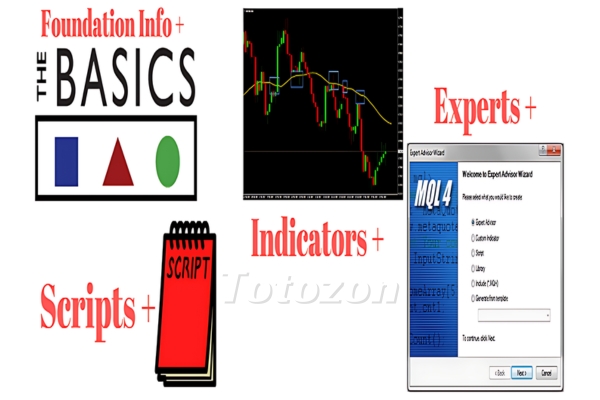 Mql4 Bundle: Basics, Scripts, Indicators, Experts with Jim Hodges
1 × $15.00
Mql4 Bundle: Basics, Scripts, Indicators, Experts with Jim Hodges
1 × $15.00 -
×
 The Complete Guide to Multiple Time Frame Analysis & Reading Price Action with Aiman Almansoori
1 × $13.00
The Complete Guide to Multiple Time Frame Analysis & Reading Price Action with Aiman Almansoori
1 × $13.00 -
×
 Seasonality. Systems, Strategies & Signals
1 × $6.00
Seasonality. Systems, Strategies & Signals
1 × $6.00 -
×
 Market Fluidity
1 × $6.00
Market Fluidity
1 × $6.00 -
×
 Follow the Fed to Investment Success with Douglas Roberts
1 × $6.00
Follow the Fed to Investment Success with Douglas Roberts
1 × $6.00 -
×
 Trading with Price Ladder and Order Flow Strategies with Alex Haywood - Axia Futures
1 × $6.00
Trading with Price Ladder and Order Flow Strategies with Alex Haywood - Axia Futures
1 × $6.00 -
×
 Play to Win with David La Piana & Michaela Hayes
1 × $6.00
Play to Win with David La Piana & Michaela Hayes
1 × $6.00 -
×
 Shecantrade – Day Trading Options
1 × $23.00
Shecantrade – Day Trading Options
1 × $23.00 -
×
 CalendarMAX with Hari Swaminathan
1 × $15.00
CalendarMAX with Hari Swaminathan
1 × $15.00 -
×
 Maximum Returns with Infinity Spreads Class with Don Kaufman
1 × $6.00
Maximum Returns with Infinity Spreads Class with Don Kaufman
1 × $6.00 -
×
 RROP Course 2023
1 × $5.00
RROP Course 2023
1 × $5.00 -
×
 Geometric Angles Applied To Modern Markets with Sean Avidar
1 × $39.00
Geometric Angles Applied To Modern Markets with Sean Avidar
1 × $39.00 -
×
 Geomagnetic Storms & Stock Markets (Article) with Anna Krivelyova, C.Robotti
1 × $6.00
Geomagnetic Storms & Stock Markets (Article) with Anna Krivelyova, C.Robotti
1 × $6.00 -
×
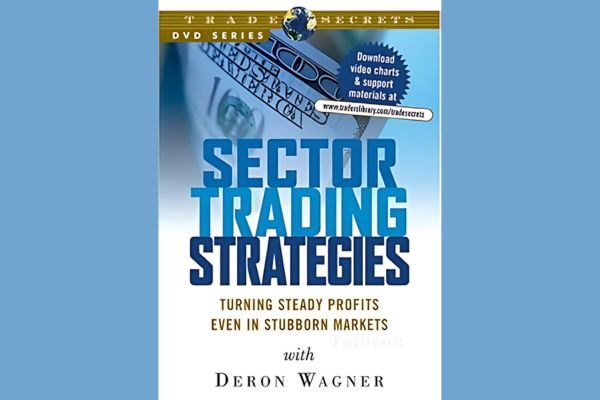 Sector Trading Strategies: Turning Steady Profits Even in Stubborn Markets By Deron Wagner & John Boyer
1 × $6.00
Sector Trading Strategies: Turning Steady Profits Even in Stubborn Markets By Deron Wagner & John Boyer
1 × $6.00 -
×
 Scalp Strategy and Flipping Small Accounts with Opes Trading Group
1 × $5.00
Scalp Strategy and Flipping Small Accounts with Opes Trading Group
1 × $5.00 -
×
 Trend Trading: Timing Market Tides with Kedrick Brown
1 × $6.00
Trend Trading: Timing Market Tides with Kedrick Brown
1 × $6.00 -
×
 Advanced Iron Condor Course in 2021
1 × $6.00
Advanced Iron Condor Course in 2021
1 × $6.00 -
×
 Beat the Bear with Jea Yu
1 × $6.00
Beat the Bear with Jea Yu
1 × $6.00 -
×
 SOT Intermediate Course (May 2014)
1 × $23.00
SOT Intermediate Course (May 2014)
1 × $23.00 -
×
 Advanced Nuances & Exceptions eCourse with Jim Dalton
1 × $15.00
Advanced Nuances & Exceptions eCourse with Jim Dalton
1 × $15.00 -
×
 Flipping Markets Video Course (2022)
1 × $5.00
Flipping Markets Video Course (2022)
1 × $5.00 -
×
 Managing By The Greeks (6 Classes) Sept 2010 [9 Videos(mp4) 11 docs(pdf)] by Dan Sheridan
1 × $6.00
Managing By The Greeks (6 Classes) Sept 2010 [9 Videos(mp4) 11 docs(pdf)] by Dan Sheridan
1 × $6.00 -
×
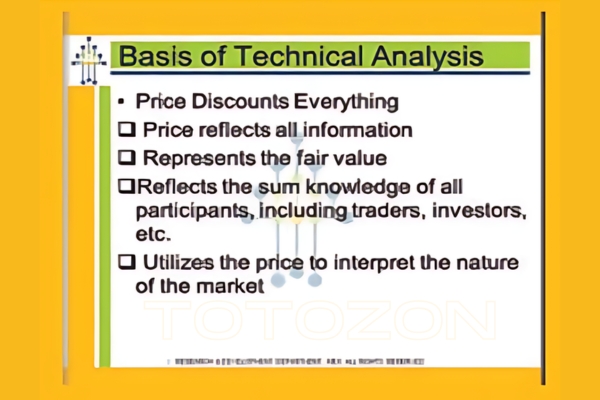 Technical Analysis. The Basis with Glenn Ring
1 × $6.00
Technical Analysis. The Basis with Glenn Ring
1 × $6.00 -
×
 Advanced Trading Course with John Person
1 × $6.00
Advanced Trading Course with John Person
1 × $6.00 -
×
 OneUmbrellaFX
1 × $5.00
OneUmbrellaFX
1 × $5.00 -
×
 Affinity Foundation Stocks Course with Affinitytrading
1 × $6.00
Affinity Foundation Stocks Course with Affinitytrading
1 × $6.00 -
×
 Paradox Forex Course
1 × $5.00
Paradox Forex Course
1 × $5.00 -
×
 Calendar Trading in 2018 with Dan Sheridan
1 × $23.00
Calendar Trading in 2018 with Dan Sheridan
1 × $23.00 -
×
 My General Counsel™
1 × $23.00
My General Counsel™
1 × $23.00 -
×
 A Comparison of Twelve Technical Trading Systems with Louis Lukac
1 × $6.00
A Comparison of Twelve Technical Trading Systems with Louis Lukac
1 × $6.00 -
×
 A Seminar On Ocean Theory Home Study Trading Course with Pat Raffalovich
1 × $6.00
A Seminar On Ocean Theory Home Study Trading Course with Pat Raffalovich
1 × $6.00 -
×
 Pro Trend Trader 2017 with James Orr
1 × $31.00
Pro Trend Trader 2017 with James Orr
1 × $31.00 -
×
 Ask the RiskDoctor Q and A [18 Videos (MP4) + 17 Documents (PDF)] with Charles Cottle (The Risk Doctor)
1 × $6.00
Ask the RiskDoctor Q and A [18 Videos (MP4) + 17 Documents (PDF)] with Charles Cottle (The Risk Doctor)
1 × $6.00 -
×
 Investing with LEAPS. What You Should Know About Long Term Investing with James Bittman
1 × $6.00
Investing with LEAPS. What You Should Know About Long Term Investing with James Bittman
1 × $6.00 -
×
 Crypto Trading Cyber Security for Bitcoin & Altcoin Holders with Zlatin Georgiev
1 × $5.00
Crypto Trading Cyber Security for Bitcoin & Altcoin Holders with Zlatin Georgiev
1 × $5.00 -
×
 The Super MACD Indicator Package
1 × $15.00
The Super MACD Indicator Package
1 × $15.00 -
×
 My Forex League - The Course
1 × $5.00
My Forex League - The Course
1 × $5.00 -
×
 Targeting Profitable Entry & Exit Points with Alan Farley
1 × $6.00
Targeting Profitable Entry & Exit Points with Alan Farley
1 × $6.00 -
×
 Joshua ICT ChartLab 2023
1 × $5.00
Joshua ICT ChartLab 2023
1 × $5.00 -
×
 Double Top Trader Trading System with Anthony Gibson
1 × $6.00
Double Top Trader Trading System with Anthony Gibson
1 × $6.00 -
×
 Learn About Trading Options From a Real Wallstreet Trader with Corey Halliday & Todd parker
1 × $6.00
Learn About Trading Options From a Real Wallstreet Trader with Corey Halliday & Todd parker
1 × $6.00 -
×
 WondaFX Signature Strategy with WondaFX
1 × $5.00
WondaFX Signature Strategy with WondaFX
1 × $5.00

Short and Simple Guide to Smart Investing with Alan Lavine
$6.00
File Size: Cooming soon!
Delivery Time: 1–12 hours
Media Type: Online Course
Content Proof: Watch Here!
You may check content proof of “Short and Simple Guide to Smart Investing with Alan Lavine” below:

Short and Simple Guide to Smart Investing with Alan Lavine
Introduction to Smart Investing
Investing can seem daunting, but with the right guidance, anyone can become a smart investor. Alan Lavine, a respected financial expert, offers straightforward advice for navigating the investment landscape. This guide distills his insights into practical steps that will help you make informed and effective investment decisions.
Understanding Smart Investing
What is Smart Investing?
Smart investing involves making informed decisions to grow your wealth over time. It includes understanding your financial goals, risk tolerance, and investment options.
The Importance of Financial Goals
Setting clear financial goals helps you stay focused and motivated. Whether saving for retirement, buying a home, or funding education, goals provide a roadmap for your investment strategy.
Alan Lavine’s Investment Philosophy
Lavine’s Approach
Alan Lavine emphasizes simplicity and prudence. His philosophy centers around understanding your investments, diversifying your portfolio, and managing risks effectively.
Key Principles
- Educate Yourself: Knowledge is power in investing.
- Diversify: Spread your investments to minimize risk.
- Stay Disciplined: Stick to your plan, regardless of market fluctuations.
Getting Started with Investing
Step 1: Assess Your Financial Situation
Before you begin investing, evaluate your current financial status. Consider your income, expenses, debts, and savings.
Step 2: Set Clear Goals
Define your short-term and long-term financial goals. Specific, measurable, achievable, relevant, and time-bound (SMART) goals can guide your investment strategy.
Step 3: Determine Your Risk Tolerance
Your risk tolerance is your ability and willingness to lose some or all of your investment in exchange for higher potential returns. It varies with age, income, and financial goals.
Investment Options
Stocks
Investing in stocks means buying shares of a company. Stocks can offer high returns but come with higher risk.
Bonds
Bonds are loans you give to companies or governments. They provide regular interest payments and are generally less risky than stocks.
Mutual Funds
Mutual funds pool money from many investors to buy a diversified portfolio of stocks, bonds, or other securities.
ETFs (Exchange-Traded Funds)
ETFs are similar to mutual funds but trade like stocks. They offer diversification and are usually more cost-effective.
Real Estate
Investing in real estate involves buying property to generate rental income or profit from appreciation.
Diversification: Key to Risk Management
Why Diversify?
Diversification reduces risk by spreading investments across different asset classes, sectors, and geographies.
How to Diversify
- Asset Allocation: Distribute your investments among different asset types (stocks, bonds, real estate).
- Sector Diversification: Invest in various industries (technology, healthcare, finance).
- Geographic Diversification: Include international investments to mitigate regional risks.
Building Your Portfolio
Starting Small
Begin with a manageable amount of money and gradually increase your investment as you become more comfortable.
Regular Contributions
Consistently add to your investments, regardless of market conditions. Dollar-cost averaging can reduce the impact of market volatility.
Review and Rebalance
Regularly review your portfolio to ensure it aligns with your goals and risk tolerance. Rebalance as necessary to maintain your desired asset allocation.
Avoiding Common Mistakes
Emotional Investing
Avoid making impulsive decisions based on market highs and lows. Stick to your plan and make decisions based on research.
Overconfidence
Don’t assume you can consistently outperform the market. Even experienced investors face challenges.
Neglecting Fees
Be aware of fees associated with investing, such as transaction fees, management fees, and expense ratios. These can eat into your returns.
Leveraging Professional Advice
Financial Advisors
Consider consulting a financial advisor for personalized advice. They can help you develop and implement a comprehensive investment plan.
Robo-Advisors
Robo-advisors use algorithms to create and manage a diversified portfolio based on your risk tolerance and goals. They are a cost-effective option for new investors.
Staying Informed
Continuous Learning
The investment landscape is always evolving. Stay updated by reading financial news, books, and attending seminars.
Reliable Sources
Follow reputable sources for investment information and advice. Be cautious of get-rich-quick schemes.
Conclusion
Smart investing doesn’t have to be complicated. By following Alan Lavine’s principles of education, diversification, and discipline, you can build a solid foundation for your financial future. Start small, stay informed, and make consistent contributions to achieve your investment goals.
Frequently Asked Questions
1. What is the first step in smart investing?
Assess your financial situation and set clear financial goals before you begin investing.
2. How can I determine my risk tolerance?
Consider your age, income, financial goals, and ability to withstand losses to determine your risk tolerance.
3. Why is diversification important?
Diversification reduces risk by spreading investments across different asset classes, sectors, and geographies.
4. What should I avoid when investing?
Avoid emotional investing, overconfidence, and neglecting fees that can diminish your returns.
5. How can I stay informed about investments?
Stay informed by reading financial news, books, attending seminars, and following reputable sources for investment information.
Be the first to review “Short and Simple Guide to Smart Investing with Alan Lavine”
You must be logged in to post a review.
Related products

Forex Trading
Original price was: $500.00.$5.00Current price is: $5.00.

Original price was: $2,120.00.$15.00Current price is: $15.00.

Forex Trading
Original price was: $239.00.$8.00Current price is: $8.00.
Forex Trading
The Complete Guide to Multiple Time Frame Analysis & Reading Price Action with Aiman Almansoori
Original price was: $1,399.00.$13.00Current price is: $13.00.

Original price was: $497.00.$11.00Current price is: $11.00.

Forex Trading
Original price was: $697.00.$5.00Current price is: $5.00.

Original price was: $299.00.$8.00Current price is: $8.00.
Forex Trading
Original price was: $550.00.$5.00Current price is: $5.00.

Forex Trading
Original price was: $2,997.00.$23.00Current price is: $23.00.

Original price was: $497.00.$31.00Current price is: $31.00.

Original price was: $1,800.00.$54.00Current price is: $54.00.

Original price was: $4,995.00.$15.00Current price is: $15.00.

Forex Trading
Original price was: $4,997.00.$27.00Current price is: $27.00.

Original price was: $799.00.$15.00Current price is: $15.00.

Original price was: $649.00.$20.00Current price is: $20.00.

Original price was: $310.00.$23.00Current price is: $23.00.

Forex Trading
Original price was: $797.00.$10.00Current price is: $10.00.
Original price was: $999.00.$5.00Current price is: $5.00.

Forex Trading
Original price was: $125.00.$17.00Current price is: $17.00.

Forex Trading
Original price was: $1,098.00.$39.00Current price is: $39.00.
Reviews
There are no reviews yet.