
-
×
 NetPicks - Universal Market Trader Course
1 × $6.00
NetPicks - Universal Market Trader Course
1 × $6.00 -
×
 Money Management
1 × $6.00
Money Management
1 × $6.00 -
×
 ITPM Professional Trading Masterclass (PTM) V2.0 with Anton Kreil
1 × $6.00
ITPM Professional Trading Masterclass (PTM) V2.0 with Anton Kreil
1 × $6.00 -
×
 The Naked Eye: Raw Data Analytics with Edgar Torres - Raw Data Analytics
1 × $8.00
The Naked Eye: Raw Data Analytics with Edgar Torres - Raw Data Analytics
1 × $8.00 -
×
 Technical Analysis 101: A Comprehensive Guide to Becoming a Better Trader Class with Jeff Bierman
1 × $6.00
Technical Analysis 101: A Comprehensive Guide to Becoming a Better Trader Class with Jeff Bierman
1 × $6.00 -
×
 Dan Sheridan Delta Force
1 × $6.00
Dan Sheridan Delta Force
1 × $6.00 -
×
 Market Expectations & Option Prices with Martin Mandler
1 × $6.00
Market Expectations & Option Prices with Martin Mandler
1 × $6.00 -
×
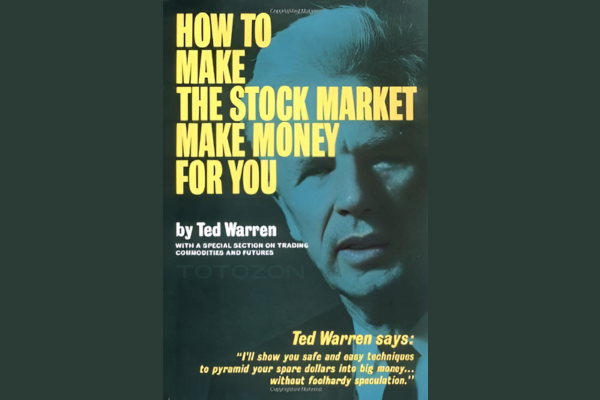 How to Make the Stock Market Make Money For You with Ted Warren
1 × $6.00
How to Make the Stock Market Make Money For You with Ted Warren
1 × $6.00 -
×
 ICT Prodigy Trading Course – $650K in Payouts with Alex Solignani
1 × $15.00
ICT Prodigy Trading Course – $650K in Payouts with Alex Solignani
1 × $15.00 -
×
 The A14 Weekly Option Strategy Workshop with Amy Meissner
1 × $23.00
The A14 Weekly Option Strategy Workshop with Amy Meissner
1 × $23.00 -
×
 Forex Avenger Trading System with David Curran
1 × $6.00
Forex Avenger Trading System with David Curran
1 × $6.00 -
×
 The Psychology of Risk (Audio) with Ari Kiev
1 × $6.00
The Psychology of Risk (Audio) with Ari Kiev
1 × $6.00 -
×
 Study Guide for Technical Analysis Explained (1st Edition) with Martin Pring
1 × $6.00
Study Guide for Technical Analysis Explained (1st Edition) with Martin Pring
1 × $6.00 -
×
 Peter Borish Online Trader Program
1 × $15.00
Peter Borish Online Trader Program
1 × $15.00 -
×
 The Orderflow Masterclass with PrimeTrading
1 × $17.00
The Orderflow Masterclass with PrimeTrading
1 × $17.00 -
×
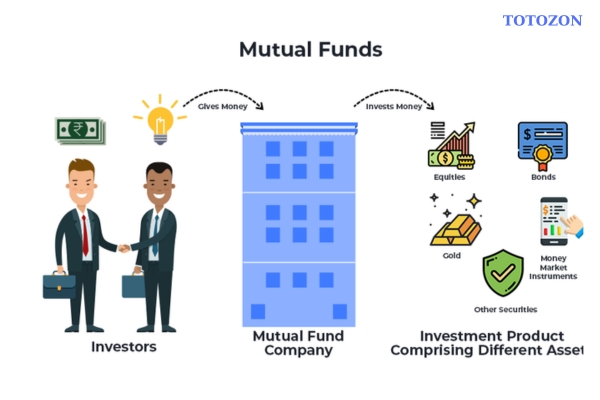 Mutual Funds: Fifty Years of Research Findings by Seth C. Anderson
1 × $6.00
Mutual Funds: Fifty Years of Research Findings by Seth C. Anderson
1 × $6.00 -
×
 Power Charting - Robert’s Indicator Webinar
1 × $6.00
Power Charting - Robert’s Indicator Webinar
1 × $6.00 -
×
 Rockwell Trading - Money Management - 2 DVDs
1 × $6.00
Rockwell Trading - Money Management - 2 DVDs
1 × $6.00 -
×
 The Orderflows Trade Opportunities Encyclopedia with Michael Valtos
1 × $8.00
The Orderflows Trade Opportunities Encyclopedia with Michael Valtos
1 × $8.00 -
×
 Super Conference 2020 - Premier Coaching Package with Vince Vora
1 × $109.00
Super Conference 2020 - Premier Coaching Package with Vince Vora
1 × $109.00 -
×
 The FX Swing Trading Blueprint with Swing FX
1 × $6.00
The FX Swing Trading Blueprint with Swing FX
1 × $6.00 -
×
 Tharp Think Essentials Video Workshop with Van Tharp
1 × $5.00
Tharp Think Essentials Video Workshop with Van Tharp
1 × $5.00 -
×
 Proven Swing Trading Strat & Multiple Time Frame Analysis - Robert Krausz & Thom Hartle
1 × $6.00
Proven Swing Trading Strat & Multiple Time Frame Analysis - Robert Krausz & Thom Hartle
1 × $6.00 -
×
 Harmonic Pattern Detection Indicator
1 × $6.00
Harmonic Pattern Detection Indicator
1 × $6.00 -
×
 MTI - Basics UTP
1 × $6.00
MTI - Basics UTP
1 × $6.00 -
×
 The Dark Side Of Valuation with Aswath Damodaran
1 × $6.00
The Dark Side Of Valuation with Aswath Damodaran
1 × $6.00 -
×
 Elite Mentorship Home Study - 3T Live with Sami Abusaad
1 × $5.00
Elite Mentorship Home Study - 3T Live with Sami Abusaad
1 × $5.00 -
×
 MTI - Trend Trader Course (Feb 2014)
1 × $23.00
MTI - Trend Trader Course (Feb 2014)
1 × $23.00 -
×
 Rise Precision Latest Course
1 × $10.00
Rise Precision Latest Course
1 × $10.00 -
×
 Multi Asset Class Investment Strategy with Guy Fraser-Sampson
1 × $6.00
Multi Asset Class Investment Strategy with Guy Fraser-Sampson
1 × $6.00 -
×
 Ultimate Trading Course with Dodgy's Dungeon
1 × $8.00
Ultimate Trading Course with Dodgy's Dungeon
1 × $8.00 -
×
 CFA Core Video on Quantitative Finance with Connel Fullenkamp
1 × $6.00
CFA Core Video on Quantitative Finance with Connel Fullenkamp
1 × $6.00 -
×
 The Handbook of Alternative Investments with Darrell R.Jobman
1 × $6.00
The Handbook of Alternative Investments with Darrell R.Jobman
1 × $6.00 -
×
 Proven Chart Patterns: Key Indicators for Success in Today’s Markets with Chris Manning
1 × $6.00
Proven Chart Patterns: Key Indicators for Success in Today’s Markets with Chris Manning
1 × $6.00 -
×
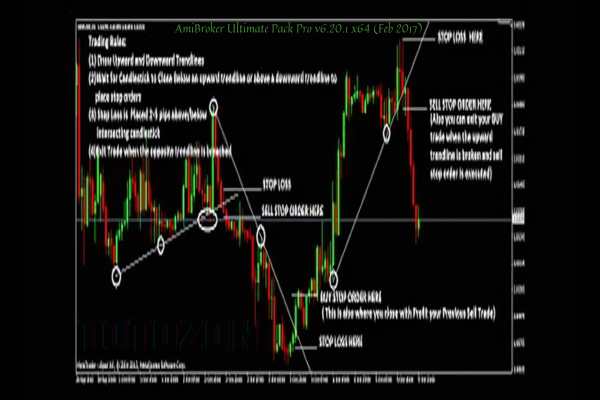 AmiBroker Ultimate Pack Pro v6.20.1 x64 (Feb 2017)
1 × $6.00
AmiBroker Ultimate Pack Pro v6.20.1 x64 (Feb 2017)
1 × $6.00 -
×
 Fibonacci Ratios with Pattern Recognition - Larry Pesavento & Steven Shapiro
1 × $6.00
Fibonacci Ratios with Pattern Recognition - Larry Pesavento & Steven Shapiro
1 × $6.00 -
×
 Guide to Scanning for Potential Stock Trades class with Jeff Bierman
1 × $6.00
Guide to Scanning for Potential Stock Trades class with Jeff Bierman
1 × $6.00 -
×
 Advanced Ichimoku Kinkō Hyō - Ichimoku Cloud Strategy with Rafał Zuchowicz - TopMasterTrader
1 × $17.00
Advanced Ichimoku Kinkō Hyō - Ichimoku Cloud Strategy with Rafał Zuchowicz - TopMasterTrader
1 × $17.00 -
×
 Advanced Fibonacci Trading with Neal Hughes
1 × $6.00
Advanced Fibonacci Trading with Neal Hughes
1 × $6.00 -
×
 Investing Classroom 2022 with Danny Devan
1 × $15.00
Investing Classroom 2022 with Danny Devan
1 × $15.00 -
×
 Trading with the Gods Fibonacci Series with Alan Oliver
1 × $6.00
Trading with the Gods Fibonacci Series with Alan Oliver
1 × $6.00 -
×
 Market Energy Trader with Top Trade Tools
1 × $5.00
Market Energy Trader with Top Trade Tools
1 × $5.00 -
×
 The Afluent Desktop Currency Trader with Amin Sadak
1 × $6.00
The Afluent Desktop Currency Trader with Amin Sadak
1 × $6.00 -
×
 Vertex Investing Course (2023)
1 × $8.00
Vertex Investing Course (2023)
1 × $8.00 -
×
 Game-Maker Forex Trading System
1 × $6.00
Game-Maker Forex Trading System
1 × $6.00 -
×
 Secrets of Great Investors (Audio Book 471 MB) with Louis Rukeyser
1 × $6.00
Secrets of Great Investors (Audio Book 471 MB) with Louis Rukeyser
1 × $6.00 -
×
 Elliott Flat Waves CD with David Elliott
1 × $6.00
Elliott Flat Waves CD with David Elliott
1 × $6.00 -
×
 Lee Gettess’s Package
1 × $6.00
Lee Gettess’s Package
1 × $6.00 -
×
 Forex Trading Using Fibonacci & Elliott Wave with Todd Gordon
1 × $6.00
Forex Trading Using Fibonacci & Elliott Wave with Todd Gordon
1 × $6.00 -
×
 Futures Commodity Trading with G. Scott Martin
1 × $6.00
Futures Commodity Trading with G. Scott Martin
1 × $6.00 -
×
 Best of the Best: Collars with Amy Meissner & Scott Ruble
1 × $15.00
Best of the Best: Collars with Amy Meissner & Scott Ruble
1 × $15.00 -
×
 Trading Non-Farm Payroll Report
1 × $6.00
Trading Non-Farm Payroll Report
1 × $6.00 -
×
 Adz Trading Academy
1 × $5.00
Adz Trading Academy
1 × $5.00 -
×
 INVESTOPEDIA - BECOME A DAY TRADER
1 × $15.00
INVESTOPEDIA - BECOME A DAY TRADER
1 × $15.00 -
×
 Iron Condors in a Volatile Market 2022 with Dan Sheridan - Sheridan Options Mentoring
1 × $46.00
Iron Condors in a Volatile Market 2022 with Dan Sheridan - Sheridan Options Mentoring
1 × $46.00 -
×
 Algo Trading Masterclass with Ali Casey - StatOasis
1 × $23.00
Algo Trading Masterclass with Ali Casey - StatOasis
1 × $23.00 -
×
 Bond Market Course with The Macro Compass
1 × $15.00
Bond Market Course with The Macro Compass
1 × $15.00 -
×
 White Phoenix’s The Smart (Money) Approach to Trading with Jayson Casper
1 × $39.00
White Phoenix’s The Smart (Money) Approach to Trading with Jayson Casper
1 × $39.00 -
×
 Risk Management Toolkit with Peter Bain
1 × $6.00
Risk Management Toolkit with Peter Bain
1 × $6.00 -
×
 Hedge Fund Investment Management with Izze Nelken
1 × $6.00
Hedge Fund Investment Management with Izze Nelken
1 × $6.00 -
×
 The Python for Traders Masterclass with Mr James
1 × $10.00
The Python for Traders Masterclass with Mr James
1 × $10.00 -
×
 Larry Williams Newsletters (1994-1997)
1 × $6.00
Larry Williams Newsletters (1994-1997)
1 × $6.00 -
×
 How To Trade Forex Using Support & Resistance Levels with Vic Noble
1 × $6.00
How To Trade Forex Using Support & Resistance Levels with Vic Noble
1 × $6.00 -
×
 The Prop Trading Code with Brannigan Barrett - Axia Futures
1 × $23.00
The Prop Trading Code with Brannigan Barrett - Axia Futures
1 × $23.00

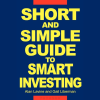
Short and Simple Guide to Smart Investing with Alan Lavine
$6.00
File Size: Cooming soon!
Delivery Time: 1–12 hours
Media Type: Online Course
Content Proof: Watch Here!
You may check content proof of “Short and Simple Guide to Smart Investing with Alan Lavine” below:

Short and Simple Guide to Smart Investing with Alan Lavine
Introduction to Smart Investing
Investing can seem daunting, but with the right guidance, anyone can become a smart investor. Alan Lavine, a respected financial expert, offers straightforward advice for navigating the investment landscape. This guide distills his insights into practical steps that will help you make informed and effective investment decisions.
Understanding Smart Investing
What is Smart Investing?
Smart investing involves making informed decisions to grow your wealth over time. It includes understanding your financial goals, risk tolerance, and investment options.
The Importance of Financial Goals
Setting clear financial goals helps you stay focused and motivated. Whether saving for retirement, buying a home, or funding education, goals provide a roadmap for your investment strategy.
Alan Lavine’s Investment Philosophy
Lavine’s Approach
Alan Lavine emphasizes simplicity and prudence. His philosophy centers around understanding your investments, diversifying your portfolio, and managing risks effectively.
Key Principles
- Educate Yourself: Knowledge is power in investing.
- Diversify: Spread your investments to minimize risk.
- Stay Disciplined: Stick to your plan, regardless of market fluctuations.
Getting Started with Investing
Step 1: Assess Your Financial Situation
Before you begin investing, evaluate your current financial status. Consider your income, expenses, debts, and savings.
Step 2: Set Clear Goals
Define your short-term and long-term financial goals. Specific, measurable, achievable, relevant, and time-bound (SMART) goals can guide your investment strategy.
Step 3: Determine Your Risk Tolerance
Your risk tolerance is your ability and willingness to lose some or all of your investment in exchange for higher potential returns. It varies with age, income, and financial goals.
Investment Options
Stocks
Investing in stocks means buying shares of a company. Stocks can offer high returns but come with higher risk.
Bonds
Bonds are loans you give to companies or governments. They provide regular interest payments and are generally less risky than stocks.
Mutual Funds
Mutual funds pool money from many investors to buy a diversified portfolio of stocks, bonds, or other securities.
ETFs (Exchange-Traded Funds)
ETFs are similar to mutual funds but trade like stocks. They offer diversification and are usually more cost-effective.
Real Estate
Investing in real estate involves buying property to generate rental income or profit from appreciation.
Diversification: Key to Risk Management
Why Diversify?
Diversification reduces risk by spreading investments across different asset classes, sectors, and geographies.
How to Diversify
- Asset Allocation: Distribute your investments among different asset types (stocks, bonds, real estate).
- Sector Diversification: Invest in various industries (technology, healthcare, finance).
- Geographic Diversification: Include international investments to mitigate regional risks.
Building Your Portfolio
Starting Small
Begin with a manageable amount of money and gradually increase your investment as you become more comfortable.
Regular Contributions
Consistently add to your investments, regardless of market conditions. Dollar-cost averaging can reduce the impact of market volatility.
Review and Rebalance
Regularly review your portfolio to ensure it aligns with your goals and risk tolerance. Rebalance as necessary to maintain your desired asset allocation.
Avoiding Common Mistakes
Emotional Investing
Avoid making impulsive decisions based on market highs and lows. Stick to your plan and make decisions based on research.
Overconfidence
Don’t assume you can consistently outperform the market. Even experienced investors face challenges.
Neglecting Fees
Be aware of fees associated with investing, such as transaction fees, management fees, and expense ratios. These can eat into your returns.
Leveraging Professional Advice
Financial Advisors
Consider consulting a financial advisor for personalized advice. They can help you develop and implement a comprehensive investment plan.
Robo-Advisors
Robo-advisors use algorithms to create and manage a diversified portfolio based on your risk tolerance and goals. They are a cost-effective option for new investors.
Staying Informed
Continuous Learning
The investment landscape is always evolving. Stay updated by reading financial news, books, and attending seminars.
Reliable Sources
Follow reputable sources for investment information and advice. Be cautious of get-rich-quick schemes.
Conclusion
Smart investing doesn’t have to be complicated. By following Alan Lavine’s principles of education, diversification, and discipline, you can build a solid foundation for your financial future. Start small, stay informed, and make consistent contributions to achieve your investment goals.
Frequently Asked Questions
1. What is the first step in smart investing?
Assess your financial situation and set clear financial goals before you begin investing.
2. How can I determine my risk tolerance?
Consider your age, income, financial goals, and ability to withstand losses to determine your risk tolerance.
3. Why is diversification important?
Diversification reduces risk by spreading investments across different asset classes, sectors, and geographies.
4. What should I avoid when investing?
Avoid emotional investing, overconfidence, and neglecting fees that can diminish your returns.
5. How can I stay informed about investments?
Stay informed by reading financial news, books, attending seminars, and following reputable sources for investment information.
Be the first to review “Short and Simple Guide to Smart Investing with Alan Lavine”
You must be logged in to post a review.
Related products

Forex Trading
Original price was: $2,995.00.$31.00Current price is: $31.00.

Forex Trading
Original price was: $799.00.$15.00Current price is: $15.00.
Original price was: $700.00.$39.00Current price is: $39.00.
Original price was: $310.00.$23.00Current price is: $23.00.

Original price was: $895.00.$15.00Current price is: $15.00.

Original price was: $997.00.$13.00Current price is: $13.00.

Original price was: $1,849.00.$15.00Current price is: $15.00.

Original price was: $450.00.$23.00Current price is: $23.00.
Forex Trading
Original price was: $499.00.$15.00Current price is: $15.00.
Forex Trading
Original price was: $2,000.00.$23.00Current price is: $23.00.

Original price was: $999.00.$5.00Current price is: $5.00.

Forex Trading
Original price was: $697.00.$5.00Current price is: $5.00.
Forex Trading
Original price was: $125.00.$17.00Current price is: $17.00.

Forex Trading
Original price was: $249.00.$15.00Current price is: $15.00.

Forex Trading
Original price was: $2,997.00.$23.00Current price is: $23.00.
Original price was: $299.00.$8.00Current price is: $8.00.

Original price was: $139.00.$23.00Current price is: $23.00.

Original price was: $1,800.00.$54.00Current price is: $54.00.
Original price was: $2,120.00.$15.00Current price is: $15.00.

Original price was: $497.00.$11.00Current price is: $11.00.
Reviews
There are no reviews yet.