
-
×
 Options 101 - The Basics and Beyond Class A 5-Part Course with Don Kaufman
1 × $6.00
Options 101 - The Basics and Beyond Class A 5-Part Course with Don Kaufman
1 × $6.00 -
×
 ProfileTraders - 5 course bundle
1 × $23.00
ProfileTraders - 5 course bundle
1 × $23.00 -
×
 Order flow self-study training program with iMFtracker
1 × $10.00
Order flow self-study training program with iMFtracker
1 × $10.00 -
×
 Practical Portfolio Performance Measurement and Attribution (2nd Ed.) with Carl Bacon
1 × $6.00
Practical Portfolio Performance Measurement and Attribution (2nd Ed.) with Carl Bacon
1 × $6.00 -
×
 Definitive Guide to Order Execution Class with Don Kaufman
1 × $6.00
Definitive Guide to Order Execution Class with Don Kaufman
1 × $6.00 -
×
 Crypto Trading Academy with Cheeky Investor - Aussie Day Trader
1 × $13.00
Crypto Trading Academy with Cheeky Investor - Aussie Day Trader
1 × $13.00 -
×
 Altucher’s Top 1% Advisory Newsletter 2016 with James Altucher
1 × $6.00
Altucher’s Top 1% Advisory Newsletter 2016 with James Altucher
1 × $6.00 -
×
 The Complete XAUUSD GOLD Forex Scalping System On Real Trading Account with Forex Lia
1 × $5.00
The Complete XAUUSD GOLD Forex Scalping System On Real Trading Account with Forex Lia
1 × $5.00 -
×
 Adx Mastery Complete Course
1 × $6.00
Adx Mastery Complete Course
1 × $6.00 -
×
 Advanced Forex Trading Momentum vs Reversals with Indicators Webinar - Mark Whistler
1 × $6.00
Advanced Forex Trading Momentum vs Reversals with Indicators Webinar - Mark Whistler
1 × $6.00 -
×
 AllStreet Investing - Master the Market LEVEL 2 - DAYTRADING
1 × $23.00
AllStreet Investing - Master the Market LEVEL 2 - DAYTRADING
1 × $23.00 -
×
 Consistently Profitable Trader with Pollinate Trading
1 × $13.00
Consistently Profitable Trader with Pollinate Trading
1 × $13.00 -
×
 How To Buy with Justin Mamis
1 × $6.00
How To Buy with Justin Mamis
1 × $6.00 -
×
 How to Value & Sell your Business with Andrew Heslop
1 × $6.00
How to Value & Sell your Business with Andrew Heslop
1 × $6.00 -
×
 Forex Trading Like Banks - Step by Step by Live Examples with Taher Assaf
1 × $6.00
Forex Trading Like Banks - Step by Step by Live Examples with Taher Assaf
1 × $6.00 -
×
 Advanced Nuances & Exceptions eCourse with Jim Dalton
1 × $15.00
Advanced Nuances & Exceptions eCourse with Jim Dalton
1 × $15.00 -
×
 Advanced Scalping Techniques Home Study Course with Sami Abusaad - T3Live
1 × $31.00
Advanced Scalping Techniques Home Study Course with Sami Abusaad - T3Live
1 × $31.00 -
×
 Elite Trader Package
1 × $31.00
Elite Trader Package
1 × $31.00 -
×
 Profiletraders - Market Profile Day Trading
1 × $15.00
Profiletraders - Market Profile Day Trading
1 × $15.00 -
×
 Best of the Best: Collars with Amy Meissner & Scott Ruble
1 × $15.00
Best of the Best: Collars with Amy Meissner & Scott Ruble
1 × $15.00 -
×
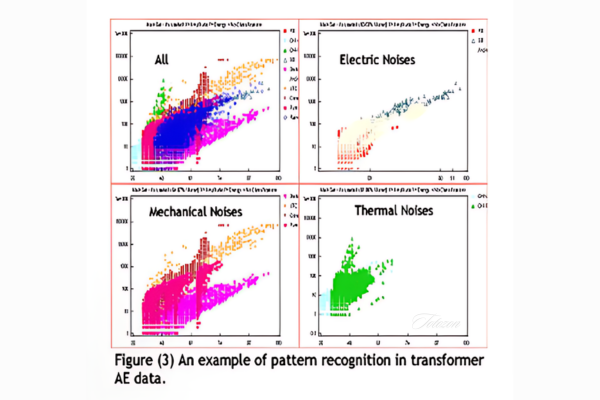 Advanced Pattern Recognition with John Cameron
1 × $23.00
Advanced Pattern Recognition with John Cameron
1 × $23.00 -
×
 SQX Mentorship with Tip Toe Hippo
1 × $23.00
SQX Mentorship with Tip Toe Hippo
1 × $23.00 -
×
 Academy of Financial Trading Foundation Trading Programme Webinar
1 × $6.00
Academy of Financial Trading Foundation Trading Programme Webinar
1 × $6.00 -
×
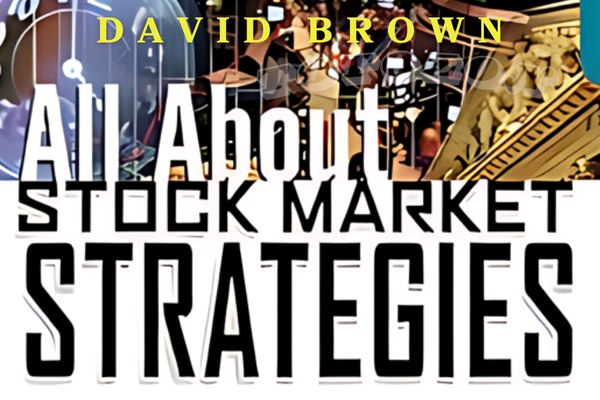 All About Stock Market Strategies: The Easy Way To Get Started (All About Series) with David Brown
1 × $6.00
All About Stock Market Strategies: The Easy Way To Get Started (All About Series) with David Brown
1 × $6.00 -
×
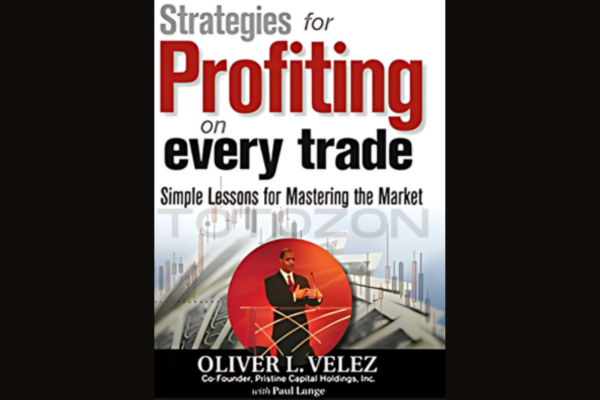 Strategies for Profiting on Every Trade: Simple Lessons for Mastering the Market with Oliver L. Velez
1 × $6.00
Strategies for Profiting on Every Trade: Simple Lessons for Mastering the Market with Oliver L. Velez
1 × $6.00 -
×
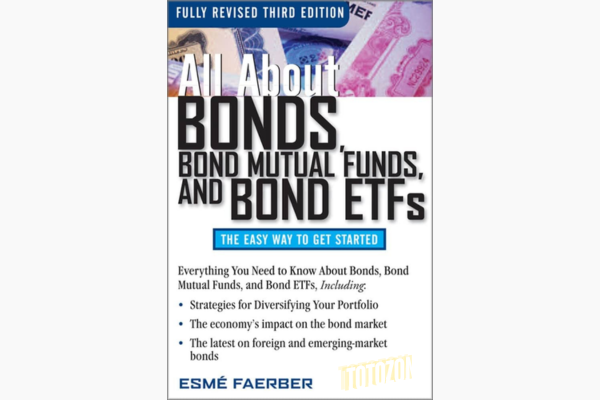 All About Bonds, Bond Mutual Funds & Bond ETFs (3rd Ed.) with Esme Faerber
1 × $6.00
All About Bonds, Bond Mutual Funds & Bond ETFs (3rd Ed.) with Esme Faerber
1 × $6.00 -
×
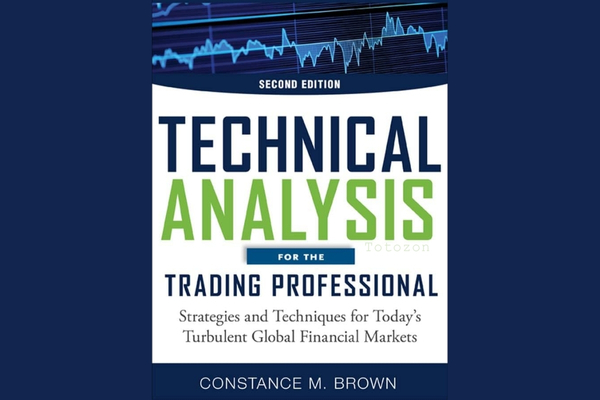 Technical Analysis for the Trading Professional with Constance Brown
1 × $6.00
Technical Analysis for the Trading Professional with Constance Brown
1 × $6.00 -
×
 White Phoenix’s The Smart (Money) Approach to Trading with Jayson Casper
1 × $39.00
White Phoenix’s The Smart (Money) Approach to Trading with Jayson Casper
1 × $39.00 -
×
 Day One Trader with John Sussex
1 × $6.00
Day One Trader with John Sussex
1 × $6.00 -
×
 TradingWithBilz Course
1 × $10.00
TradingWithBilz Course
1 × $10.00 -
×
 Traders Classroom Collection Volume 1-4 with Jeffrey Kennedy
1 × $15.00
Traders Classroom Collection Volume 1-4 with Jeffrey Kennedy
1 × $15.00 -
×
 The Age of Turbulence with Alan Greenspan
1 × $6.00
The Age of Turbulence with Alan Greenspan
1 × $6.00 -
×
 The Orderflow Masterclass with PrimeTrading
1 × $17.00
The Orderflow Masterclass with PrimeTrading
1 × $17.00 -
×
 Acme
1 × $6.00
Acme
1 × $6.00 -
×
 TRADING NFX Course with Andrew NFX
1 × $5.00
TRADING NFX Course with Andrew NFX
1 × $5.00 -
×
 Profit.ly - Bitcoin Basics
1 × $6.00
Profit.ly - Bitcoin Basics
1 × $6.00 -
×
 How To Become StressFree Trader with Jason Starzec
1 × $4.00
How To Become StressFree Trader with Jason Starzec
1 × $4.00 -
×
 Volume Profile 2023 (Order Flow Pack) with Trader Dale
1 × $5.00
Volume Profile 2023 (Order Flow Pack) with Trader Dale
1 × $5.00 -
×
 Profits in the Stock Market with Harold Gartley
1 × $6.00
Profits in the Stock Market with Harold Gartley
1 × $6.00 -
×
 Active Beta Indexes with Khalid Ghayur
1 × $6.00
Active Beta Indexes with Khalid Ghayur
1 × $6.00 -
×
 Psychology of the Stock Market (1912) with G.C.Selden
1 × $6.00
Psychology of the Stock Market (1912) with G.C.Selden
1 × $6.00 -
×
 Accelerated Learning Techniques in Action with Colin Rose, Jayne Nicholl & Malcolm Nicholl
1 × $6.00
Accelerated Learning Techniques in Action with Colin Rose, Jayne Nicholl & Malcolm Nicholl
1 × $6.00 -
×
 The A14 Weekly Option Strategy Workshop with Amy Meissner
1 × $23.00
The A14 Weekly Option Strategy Workshop with Amy Meissner
1 × $23.00 -
×
 Trading Short TermSame Day Trades Sep 2023 with Dan Sheridan & Mark Fenton - Sheridan Options Mentoring
1 × $31.00
Trading Short TermSame Day Trades Sep 2023 with Dan Sheridan & Mark Fenton - Sheridan Options Mentoring
1 × $31.00 -
×
 Candle Charting Essentials & Beyond Volume 1 & 2 with Steve Nison - Candle Charts
1 × $15.00
Candle Charting Essentials & Beyond Volume 1 & 2 with Steve Nison - Candle Charts
1 × $15.00 -
×
 A Comprehensive Guide to Intraday Trading Strategies & Setups Class with Jeff Bierman
1 × $6.00
A Comprehensive Guide to Intraday Trading Strategies & Setups Class with Jeff Bierman
1 × $6.00 -
×
 Psycho-Paper 96 with Charles Drummond
1 × $6.00
Psycho-Paper 96 with Charles Drummond
1 × $6.00 -
×
 Enhancing Trader Performance with Brett Steenbarger
1 × $6.00
Enhancing Trader Performance with Brett Steenbarger
1 × $6.00 -
×
 Algo Trading Masterclass with Ali Casey - StatOasis
1 × $23.00
Algo Trading Masterclass with Ali Casey - StatOasis
1 × $23.00 -
×
 Algo Wizard Essentials Course with Srategy Quant
1 × $13.00
Algo Wizard Essentials Course with Srategy Quant
1 × $13.00 -
×
 AI For Traders with Trading Markets
1 × $31.00
AI For Traders with Trading Markets
1 × $31.00 -
×
 Confidence Game. How a Hadge Fund Manager Called Wall Street’s Bluff with Christine Richard
1 × $6.00
Confidence Game. How a Hadge Fund Manager Called Wall Street’s Bluff with Christine Richard
1 × $6.00 -
×
 Advanced Bond Trading Course
1 × $62.00
Advanced Bond Trading Course
1 × $62.00 -
×
 A14 Weekly Options Strategy Workshop 2023 with Amy Meissner - Aeromir
1 × $23.00
A14 Weekly Options Strategy Workshop 2023 with Amy Meissner - Aeromir
1 × $23.00 -
×
 Elliott Wave Simplified with Clif Droke
1 × $6.00
Elliott Wave Simplified with Clif Droke
1 × $6.00 -
×
 The Amazing Common Sense Guide To Investment Success with John Thomchick
1 × $6.00
The Amazing Common Sense Guide To Investment Success with John Thomchick
1 × $6.00 -
×
 System Building Masterclass
1 × $31.00
System Building Masterclass
1 × $31.00 -
×
 The Complete Guide to Multiple Time Frame Analysis & Reading Price Action with Aiman Almansoori
1 × $13.00
The Complete Guide to Multiple Time Frame Analysis & Reading Price Action with Aiman Almansoori
1 × $13.00
Simple Methods for Detecting Buying and Selling Points in Securities with James Liveright
$6.00
File Size: Coming soon!
Delivery Time: 1–12 hours
Media Type: Online Course
Simple Methods for Detecting Buying and Selling Points in Securities with James Liveright
Investing in securities can be a daunting task. Knowing when to buy and when to sell is critical to maximizing returns and minimizing losses. In this article, we will delve into the wisdom shared by James Liveright, a renowned expert in the field, on simple methods for detecting buying and selling points in securities. Let’s explore these strategies that can help you make informed decisions in the volatile world of securities trading.
Understanding Market Trends
What Are Market Trends?
Market trends are the general direction in which the market is moving. Understanding these trends is crucial for detecting optimal buying and selling points.
Types of Market Trends
- Uptrends: When the market consistently moves upward.
- Downtrends: When the market consistently moves downward.
- Sideways Trends: When the market shows no clear upward or downward direction.
Technical Analysis Basics
What is Technical Analysis?
Technical analysis involves evaluating securities by analyzing statistics generated by market activity, such as past prices and volume.
Key Indicators in Technical Analysis
- Moving Averages: Helps smooth out price action to identify the direction of the trend.
- Relative Strength Index (RSI): Measures the speed and change of price movements.
- Bollinger Bands: Provides a range within which a security typically trades.
Fundamental Analysis
Understanding Fundamental Analysis
Fundamental analysis involves evaluating a security by attempting to measure its intrinsic value. This is done by examining related economic, financial, and other qualitative and quantitative factors.
Key Components of Fundamental Analysis
- Earnings Reports: Company earnings are a critical factor.
- Revenue Growth: A strong indicator of a company’s potential.
- Profit Margins: Higher margins often indicate a good investment.
Sentiment Analysis
What is Sentiment Analysis?
Sentiment analysis is the process of using natural language processing, text analysis, and computational linguistics to identify and extract subjective information from source materials.
How to Use Sentiment Analysis in Trading
- News and Social Media: Analyzing news articles and social media posts to gauge market sentiment.
- Analyst Ratings: Considering the opinions of industry experts.
Using Moving Averages
Simple Moving Average (SMA)
The SMA is calculated by adding the closing prices of a security for a period and then dividing this total by the number of days in that period.
Exponential Moving Average (EMA)
The EMA gives more weight to the most recent prices, making it more responsive to new information.
Identifying Support and Resistance Levels
Support Levels
Support levels are price points where a security tends to stop falling due to a concentration of demand.
Resistance Levels
Resistance levels are price points where a security tends to stop rising due to a concentration of supply.
Using the Relative Strength Index (RSI)
Understanding RSI
The RSI is a momentum oscillator that measures the speed and change of price movements on a scale of 0 to 100.
Using RSI to Detect Buying and Selling Points
- Overbought Conditions: When RSI is above 70, indicating a potential sell point.
- Oversold Conditions: When RSI is below 30, indicating a potential buy point.
Bollinger Bands Strategy
What are Bollinger Bands?
Bollinger Bands consist of a middle band (SMA) and two outer bands that are standard deviations away from the middle band.
Using Bollinger Bands to Detect Points
- Bouncing off the Bands: When prices touch the lower band, it’s a buy signal; when they touch the upper band, it’s a sell signal.
MACD Indicator
What is MACD?
The Moving Average Convergence Divergence (MACD) is a trend-following momentum indicator that shows the relationship between two moving averages of a security’s price.
Using MACD for Signals
- MACD Line Crosses Signal Line: When the MACD line crosses above the signal line, it’s a buy signal; when it crosses below, it’s a sell signal.
Candlestick Patterns
Understanding Candlestick Charts
Candlestick charts are used to describe price movements of securities, derivatives, and currencies.
Key Candlestick Patterns
- Doji: Indicates indecision in the market.
- Hammer: A bullish reversal pattern.
- Shooting Star: A bearish reversal pattern.
Volume Analysis
Importance of Volume in Trading
Volume refers to the number of shares or contracts traded in a security or market.
Using Volume to Confirm Trends
- Increasing Volume: Confirms the trend.
- Decreasing Volume: Indicates a potential reversal.
Combining Multiple Indicators
The Power of Confluence
Combining multiple indicators can provide more reliable signals. For example, using RSI with Bollinger Bands and moving averages can increase the accuracy of detecting buying and selling points.
The Psychological Aspect of Trading
Controlling Emotions
Trading can be emotional. Learning to control emotions and stick to your analysis is crucial.
Avoiding Common Psychological Traps
- Fear of Missing Out (FOMO): Avoid jumping into trades impulsively.
- Overconfidence: Don’t rely solely on a single successful trade.
Conclusion
Detecting buying and selling points in securities is both an art and a science. By leveraging the methods shared by James Liveright, including technical, fundamental, and sentiment analyses, as well as understanding psychological factors, you can enhance your trading strategy and make more informed decisions. Remember, the key to successful trading is continuous learning and adapting to market changes.
FAQs
1. What is the best indicator for detecting buy and sell points?
The best indicator varies for each trader, but commonly used ones include moving averages, RSI, and MACD.
2. How reliable is sentiment analysis in trading?
Sentiment analysis can be a powerful tool, especially when combined with other forms of analysis. However, it is not infallible and should be used as part of a broader strategy.
3. Can fundamental analysis be used alone to detect buy and sell points?
While fundamental analysis is important, it is usually more effective when combined with technical analysis to time the market better.
4. How do I control my emotions when trading?
Developing a solid trading plan and sticking to it, regardless of market fluctuations, can help in controlling emotions. Practice and experience also play crucial roles.
5. Are candlestick patterns reliable for detecting buying and selling points?
Candlestick patterns can be very reliable when used correctly and in conjunction with other indicators.
Be the first to review “Simple Methods for Detecting Buying and Selling Points in Securities with James Liveright”
You must be logged in to post a review.
Related products
Forex Trading
Original price was: $125.00.$17.00Current price is: $17.00.
Forex Trading
The Complete Guide to Multiple Time Frame Analysis & Reading Price Action with Aiman Almansoori
Original price was: $1,399.00.$13.00Current price is: $13.00.

Forex Trading
Original price was: $249.00.$15.00Current price is: $15.00.

Original price was: $497.00.$11.00Current price is: $11.00.

Original price was: $139.00.$23.00Current price is: $23.00.

Original price was: $2,120.00.$15.00Current price is: $15.00.

Original price was: $450.00.$23.00Current price is: $23.00.
Forex Trading
Original price was: $397.00.$31.00Current price is: $31.00.

Original price was: $497.00.$31.00Current price is: $31.00.
Forex Trading
Original price was: $2,000.00.$23.00Current price is: $23.00.
Original price was: $799.00.$15.00Current price is: $15.00.

Forex Trading
Quantamentals – The Next Great Forefront Of Trading and Investing with Trading Markets
Original price was: $1,495.00.$8.00Current price is: $8.00.
Original price was: $997.00.$13.00Current price is: $13.00.

Forex Trading
Original price was: $4,997.00.$27.00Current price is: $27.00.
Original price was: $310.00.$23.00Current price is: $23.00.

Original price was: $895.00.$15.00Current price is: $15.00.

Forex Trading
Original price was: $499.00.$15.00Current price is: $15.00.

Original price was: $999.00.$5.00Current price is: $5.00.

Forex Trading
Original price was: $999.00.$15.00Current price is: $15.00.
Forex Trading
Original price was: $2,995.00.$31.00Current price is: $31.00.
Reviews
There are no reviews yet.