
-
×
 Smashing False Breakouts with Better System Trader
1 × $5.00
Smashing False Breakouts with Better System Trader
1 × $5.00 -
×
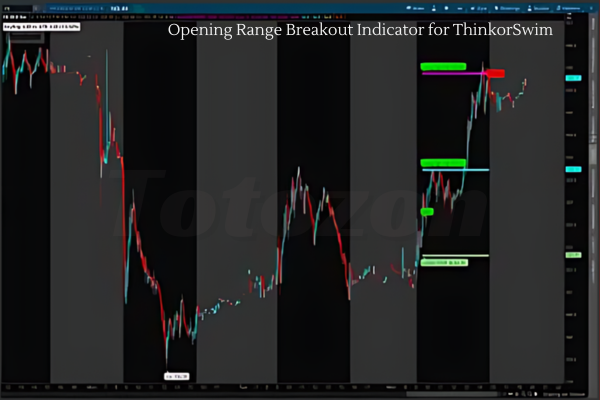 Opening Range Breakout Indicator for ThinkorSwim
1 × $6.00
Opening Range Breakout Indicator for ThinkorSwim
1 × $6.00 -
×
 Fibonacci Ratios with Pattern Recognition - Larry Pesavento & Steven Shapiro
1 × $6.00
Fibonacci Ratios with Pattern Recognition - Larry Pesavento & Steven Shapiro
1 × $6.00 -
×
 W. D Gann 's Square Of 9 Applied To Modern Markets with Sean Avidar - Hexatrade350
1 × $23.00
W. D Gann 's Square Of 9 Applied To Modern Markets with Sean Avidar - Hexatrade350
1 × $23.00 -
×
 The New Science of Asset Allocation with Thomas Schneeweis
1 × $6.00
The New Science of Asset Allocation with Thomas Schneeweis
1 × $6.00 -
×
 The Astrology of the Old Testament or The Lost World Regained with Karl Anderson
1 × $6.00
The Astrology of the Old Testament or The Lost World Regained with Karl Anderson
1 × $6.00 -
×
 Cluster Delta with Gova Trading Academy
1 × $5.00
Cluster Delta with Gova Trading Academy
1 × $5.00 -
×
 Beginner Forex Mastery Course with Harrison Uwah - MHU FX Academy
1 × $78.00
Beginner Forex Mastery Course with Harrison Uwah - MHU FX Academy
1 × $78.00 -
×
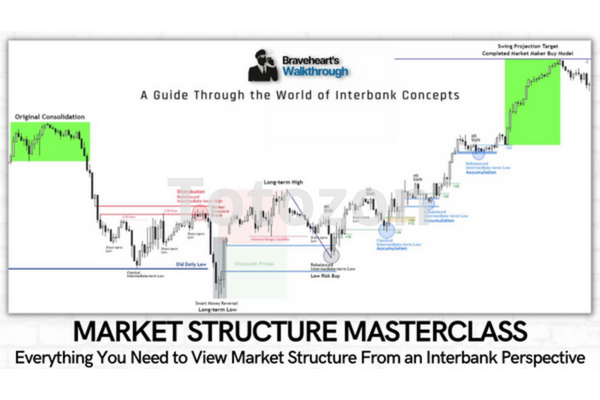 Market Structure Masterclass with Braveheart Trading
1 × $5.00
Market Structure Masterclass with Braveheart Trading
1 × $5.00 -
×
 Boomer Quick Profits Day Trading Course
1 × $23.00
Boomer Quick Profits Day Trading Course
1 × $23.00 -
×
 Trading Freak Academy (Full Course) with JP - Trading Freak
1 × $5.00
Trading Freak Academy (Full Course) with JP - Trading Freak
1 × $5.00 -
×
![ACD Method [Video (6 MP4s)] with Mark Fisher](https://www.totozon.com/wp-content/uploads/2024/05/ACD-Method-Video-6-MP4s-with-Mark-Fisher.jpg) ACD Method [Video (6 MP4s)] with Mark Fisher
1 × $6.00
ACD Method [Video (6 MP4s)] with Mark Fisher
1 × $6.00 -
×
 Day Trading Futures, Stocks, and Crypto
1 × $5.00
Day Trading Futures, Stocks, and Crypto
1 × $5.00 -
×
 Technical Analysis & Options Strategies with K.H.Shaleen
1 × $6.00
Technical Analysis & Options Strategies with K.H.Shaleen
1 × $6.00 -
×
 War Room Psychology Vol. 1 with Pat Mitchell – Trick Trades
1 × $23.00
War Room Psychology Vol. 1 with Pat Mitchell – Trick Trades
1 × $23.00 -
×
 Analysis Of Entry Signals (Technicals) with Joe Marwood
1 × $15.00
Analysis Of Entry Signals (Technicals) with Joe Marwood
1 × $15.00 -
×
 Foundations of Technical Analysis (Article) with Andrew W.Lo
1 × $6.00
Foundations of Technical Analysis (Article) with Andrew W.Lo
1 × $6.00 -
×
 Compound Stock Earnings Advanced Charting (Video 1.19 GB)
1 × $15.00
Compound Stock Earnings Advanced Charting (Video 1.19 GB)
1 × $15.00 -
×
 A Process for Prudential Institutional Investment with Bancroft, Caldwell, McSweeny
1 × $6.00
A Process for Prudential Institutional Investment with Bancroft, Caldwell, McSweeny
1 × $6.00 -
×
 Get to know the VIX Index (aka The Fear Index)
1 × $15.00
Get to know the VIX Index (aka The Fear Index)
1 × $15.00 -
×
 Crypto for Starters: All You Need to Know to Start Investing and Trading Cryptocurrency on Binance with Malcolm Yard
1 × $5.00
Crypto for Starters: All You Need to Know to Start Investing and Trading Cryptocurrency on Binance with Malcolm Yard
1 × $5.00 -
×
 Artificial Neural Networks Technology with Dave Anderson, George McNeill
1 × $6.00
Artificial Neural Networks Technology with Dave Anderson, George McNeill
1 × $6.00 -
×
 An Introduction to Option Trading Success with James Bittman
1 × $6.00
An Introduction to Option Trading Success with James Bittman
1 × $6.00 -
×
 Algo Wizard Essentials Course with Srategy Quant
1 × $13.00
Algo Wizard Essentials Course with Srategy Quant
1 × $13.00 -
×
 The Logical Trader: Applying a Method to the Madness with Mark Fisher
1 × $6.00
The Logical Trader: Applying a Method to the Madness with Mark Fisher
1 × $6.00 -
×
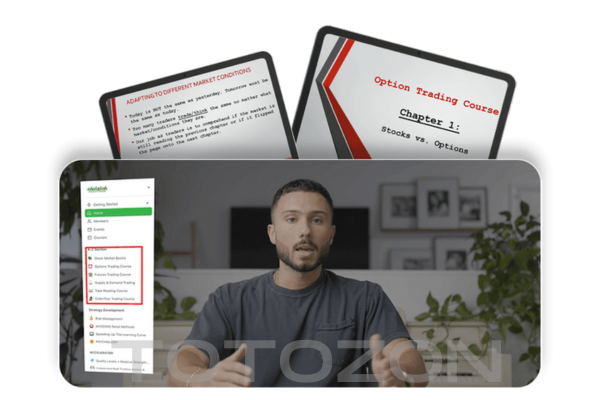 A- Z Educational Trading Course with InvestiTrade
1 × $39.00
A- Z Educational Trading Course with InvestiTrade
1 × $39.00 -
×
 Learn Plan Profit 2.0 with Ricky Gutierrez
1 × $39.00
Learn Plan Profit 2.0 with Ricky Gutierrez
1 × $39.00 -
×
 All About Stocks (3rd Ed.) withEsme E.Faerber
1 × $6.00
All About Stocks (3rd Ed.) withEsme E.Faerber
1 × $6.00 -
×
 Heiken Ashi 101
1 × $15.00
Heiken Ashi 101
1 × $15.00 -
×
 Behavioral Trading with Woody Dorsey
1 × $6.00
Behavioral Trading with Woody Dorsey
1 × $6.00 -
×
 The Orderflows Trade Opportunities Encyclopedia with Michael Valtos
1 × $8.00
The Orderflows Trade Opportunities Encyclopedia with Michael Valtos
1 × $8.00 -
×
 Short-Term Trading, Long-Term Profits with John Leizman - McGraw-Hill
1 × $6.00
Short-Term Trading, Long-Term Profits with John Leizman - McGraw-Hill
1 × $6.00 -
×
 Advanced Trading Strategies with Larry Connors
1 × $6.00
Advanced Trading Strategies with Larry Connors
1 × $6.00 -
×
 TRADING NFX Course with Andrew NFX
1 × $5.00
TRADING NFX Course with Andrew NFX
1 × $5.00 -
×
 WondaFX Signature Strategy with WondaFX
1 × $5.00
WondaFX Signature Strategy with WondaFX
1 × $5.00 -
×
 Analysis Of Entry Signals Part Two (Fundamentals) with Joe Marwood
1 × $23.00
Analysis Of Entry Signals Part Two (Fundamentals) with Joe Marwood
1 × $23.00 -
×
 Exploring MetaStock Basic with Martin Pring
1 × $6.00
Exploring MetaStock Basic with Martin Pring
1 × $6.00 -
×
 The Best Option Trading Course with David Jaffee - Best Stock Strategy
1 × $15.00
The Best Option Trading Course with David Jaffee - Best Stock Strategy
1 × $15.00 -
×
 The Stock Market Trading Secrets of the Late (1940, scaned)
1 × $6.00
The Stock Market Trading Secrets of the Late (1940, scaned)
1 × $6.00 -
×
 Applications of Abstract Algebra with Maple - Richard E.Kline, Neil Sigmon, Ernst Stitzinger
1 × $6.00
Applications of Abstract Algebra with Maple - Richard E.Kline, Neil Sigmon, Ernst Stitzinger
1 × $6.00 -
×
 Trading by the Book (tradingeducators.com)
1 × $6.00
Trading by the Book (tradingeducators.com)
1 × $6.00 -
×
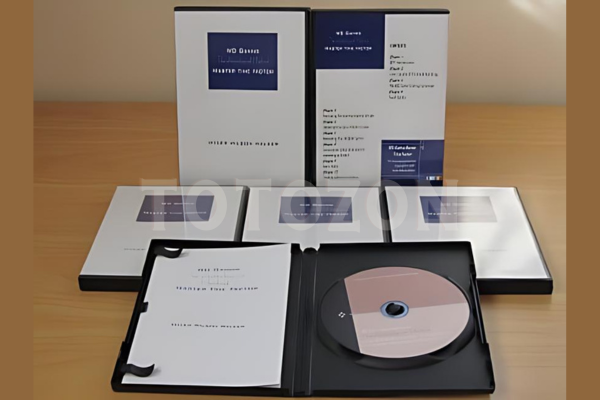 WD Gann’s Master Time Factor DVD With Miles Wilson Walker
1 × $6.00
WD Gann’s Master Time Factor DVD With Miles Wilson Walker
1 × $6.00 -
×
 ShredderFX Compete Courses & Indicators
1 × $6.00
ShredderFX Compete Courses & Indicators
1 × $6.00 -
×
 Traders Forge with Ryan Litchfield
1 × $6.00
Traders Forge with Ryan Litchfield
1 × $6.00 -
×
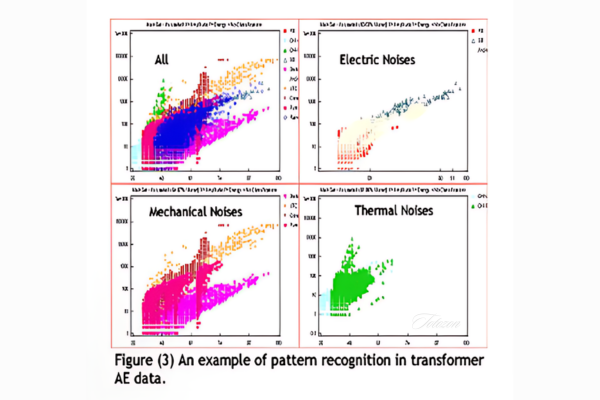 Advanced Pattern Recognition with John Cameron
1 × $23.00
Advanced Pattern Recognition with John Cameron
1 × $23.00 -
×
 Activedaytrader - Mastering Technicals
1 × $15.00
Activedaytrader - Mastering Technicals
1 × $15.00 -
×
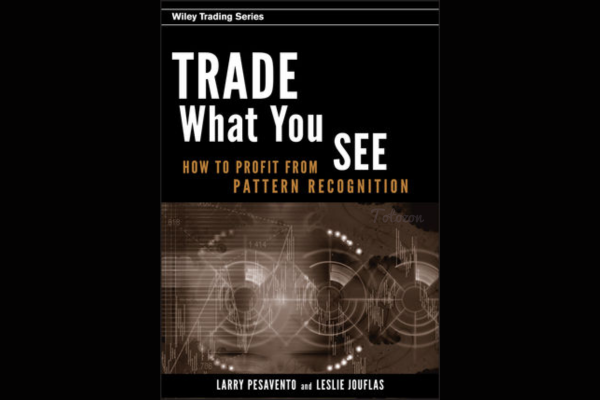 Trade What You See, Not What You Believe with Larry Pesavento
1 × $6.00
Trade What You See, Not What You Believe with Larry Pesavento
1 × $6.00 -
×
 Mining for Golden Trading Opportunities with Jake Bernstein
1 × $8.00
Mining for Golden Trading Opportunities with Jake Bernstein
1 × $8.00 -
×
 Sacredscience - Raphael – Book of Fate
1 × $6.00
Sacredscience - Raphael – Book of Fate
1 × $6.00 -
×
 CBOT Seminar on Market Profile (101 & 102) with Alex Benjamin
1 × $6.00
CBOT Seminar on Market Profile (101 & 102) with Alex Benjamin
1 × $6.00 -
×
 The Gorilla Game (Revised Ed.) with Greoffrey A.Moore & Paul Johnson
1 × $6.00
The Gorilla Game (Revised Ed.) with Greoffrey A.Moore & Paul Johnson
1 × $6.00 -
×
 4 Day Trading Bootcamp
1 × $31.00
4 Day Trading Bootcamp
1 × $31.00 -
×
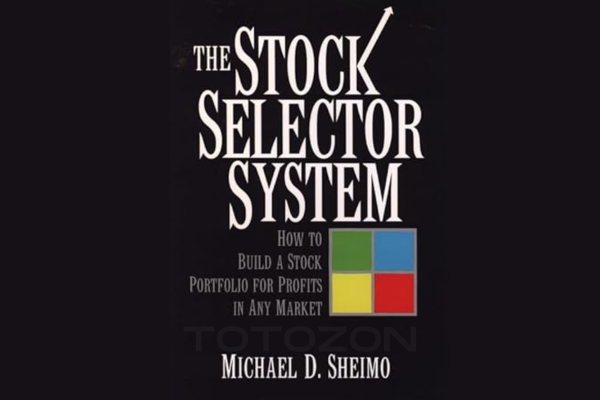 The Stock Selector System with Michael Sheimo
1 × $6.00
The Stock Selector System with Michael Sheimo
1 × $6.00 -
×
 Advanced Options Concepts - Probability, Greeks, Simulation
1 × $6.00
Advanced Options Concepts - Probability, Greeks, Simulation
1 × $6.00 -
×
 Alexander Elder Package ( Discount 28% )
1 × $31.00
Alexander Elder Package ( Discount 28% )
1 × $31.00 -
×
 Scalp Strategy and Flipping Small Accounts with Opes Trading Group
1 × $5.00
Scalp Strategy and Flipping Small Accounts with Opes Trading Group
1 × $5.00 -
×
 How Do You See Risk? A Guide to Evaluating & Applying Technical Volatility Indicators class with Theotrade
1 × $4.00
How Do You See Risk? A Guide to Evaluating & Applying Technical Volatility Indicators class with Theotrade
1 × $4.00 -
×
 Active Investing courses notes with Alan Hull
1 × $6.00
Active Investing courses notes with Alan Hull
1 × $6.00 -
×
 Traders Secret Library
1 × $6.00
Traders Secret Library
1 × $6.00 -
×
 Complete Best Practices - Weekly Options Income Trading System with Weekly Options Academy
1 × $23.00
Complete Best Practices - Weekly Options Income Trading System with Weekly Options Academy
1 × $23.00 -
×
 The Traders Mindset Course (the-traders-mindset.com) with Chris Mathews
1 × $6.00
The Traders Mindset Course (the-traders-mindset.com) with Chris Mathews
1 × $6.00 -
×
 Futures & Options from A to Z with Russell Wassendorf
1 × $6.00
Futures & Options from A to Z with Russell Wassendorf
1 × $6.00 -
×
 Edge Trading Group with Edge Elite
1 × $6.00
Edge Trading Group with Edge Elite
1 × $6.00 -
×
 Bird Watch in Lion Country 2010 Ed with Dirk Du Toit
1 × $6.00
Bird Watch in Lion Country 2010 Ed with Dirk Du Toit
1 × $6.00 -
×
 The Methodology Revealed with Nick Santiago & Gareth Soloway - InTheMoneyStocks
1 × $209.00
The Methodology Revealed with Nick Santiago & Gareth Soloway - InTheMoneyStocks
1 × $209.00 -
×
 $20 – 52k 20 pips a day challange with Rafał Zuchowicz - TopMasterTrader
1 × $5.00
$20 – 52k 20 pips a day challange with Rafał Zuchowicz - TopMasterTrader
1 × $5.00
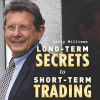
Secrets to Short Term Trading with Larry Williams
$6.00
File Size: Coming soon!
Delivery Time: 1–12 hours
Media Type: Online Course
Content Proof: Watch Here!
You may check content proof of “Secrets to Short Term Trading with Larry Williams” below:

Secrets to Short Term Trading with Larry Williams
Short term trading can be a highly rewarding yet challenging endeavor. Larry Williams, a legendary trader, has shared his insights and strategies for mastering short term trading. In this article, we will delve into Williams’ secrets, offering practical advice and techniques to help you achieve success in the fast-paced world of short term trading.
Understanding Larry Williams’ Approach
Who is Larry Williams?
Larry Williams is a renowned trader and author with decades of experience in the financial markets. Known for his innovative strategies and tools, Williams has helped countless traders improve their market performance.
The Core Philosophy
Williams’ approach to short term trading emphasizes the importance of technical analysis, market sentiment, and disciplined risk management. His strategies focus on identifying high-probability trading opportunities and executing trades with precision.
Key Principles of Short Term Trading
Technical Analysis
Technical analysis is the foundation of Williams’ trading strategies. By examining historical price data and chart patterns, traders can predict future market movements and identify optimal entry and exit points.
Market Sentiment
Understanding market sentiment is crucial for making informed trading decisions. Sentiment indicators can reveal whether the market is predominantly bullish or bearish, guiding trading strategies.
Risk Management
Effective risk management is essential in short term trading. Williams emphasizes the importance of setting stop-loss orders and managing position sizes to protect capital.
Steps to Successful Short Term Trading
Step 1: Develop a Trading Plan
A well-defined trading plan is crucial for success. It should outline your trading goals, risk tolerance, and the strategies you will use to achieve your objectives.
Elements of a Good Trading Plan
- Goals: Define your short-term trading goals.
- Risk Management: Determine how much risk you are willing to take on each trade.
- Strategies: Outline the specific trading strategies you will employ.
Step 2: Analyze Technical Indicators
Use technical indicators to analyze market conditions and identify potential trading opportunities.
Key Technical Indicators
- Moving Averages: Identify trends and potential buy/sell signals.
- Relative Strength Index (RSI): Gauge overbought or oversold conditions.
- MACD (Moving Average Convergence Divergence): Detect changes in momentum.
- Stochastic Oscillator: Identify potential reversals.
Step 3: Assess Market Sentiment
Evaluate market sentiment to understand the broader market context. Sentiment indicators can provide additional confirmation for your trades.
Sentiment Indicators
- Volatility Index (VIX): Measures market volatility and fear.
- Put/Call Ratio: Indicates bullish or bearish sentiment.
- Investor Sentiment Surveys: Gauge investor confidence.
Step 4: Utilize Proprietary Indicators
Incorporate Larry Williams’ proprietary indicators into your analysis to gain deeper insights into market behavior.
Williams’ Proprietary Indicators
- Williams %R: Measures overbought and oversold levels.
- Commitment of Traders (COT) Report: Tracks the positions of major market participants.
- Seasonal Patterns: Identifies times of the year when markets historically perform well.
Step 5: Execute Trades with Discipline
Execute your trades according to your trading plan and the insights gained from your analysis. Discipline is key to successful short term trading.
Step 6: Monitor and Adjust
Regularly monitor your trades and the market conditions. Be prepared to adjust your strategies as needed based on new information.
Practical Tips for Better Short Term Trading
Stay Informed
Keep up with the latest market news and events. Staying informed helps you anticipate market movements and make timely decisions.
Focus on High-Volume Stocks
High-volume stocks offer better liquidity and are more likely to experience significant price movements. Focus on these stocks for better trading opportunities.
Use Stop-Loss Orders
Implementing stop-loss orders can protect your investments from substantial losses. This risk management tool helps safeguard your capital.
Diversify Your Trades
Diversifying your trades across different sectors and asset classes can reduce risk and increase your chances of success.
Keep a Trading Journal
Maintaining a trading journal helps you track your trades, analyze your performance, and identify areas for improvement.
Common Mistakes to Avoid
Overtrading
Trading too frequently can lead to higher transaction costs and increased risk. Stick to your trading plan and avoid the temptation to overtrade.
Ignoring Risk Management
Effective risk management is crucial for long-term success. Always use stop-loss orders and never risk more than you can afford to lose on a single trade.
Failing to Learn from Mistakes
Every trader makes mistakes. The key is to learn from them and continuously improve your strategies.
Conclusion
Short term trading with Larry Williams’ strategies involves a combination of technical analysis, market sentiment, and disciplined risk management. By developing a solid trading plan, staying disciplined, and continuously refining your approach, you can enhance your trading success. Remember to manage risk effectively, stay informed, and use a combination of tools and indicators to make well-informed decisions.
FAQs
1. Who is Larry Williams?
- Larry Williams is a renowned trader known for his innovative trading strategies and contributions to financial literature.
2. What are the key elements of a good trading plan?
- A good trading plan includes clear goals, risk management strategies, and specific trading strategies.
3. Why is market sentiment important in trading?
- Market sentiment provides insights into investor confidence and overall market mood, influencing stock movements.
4. What are some key technical indicators to use in short term trading?
- Key technical indicators include moving averages, RSI, MACD, and the stochastic oscillator, which help identify trends and potential buy/sell signals.
5. How can stop-loss orders help in short term trading?
- Stop-loss orders help manage risk by automatically selling a stock if it reaches a predetermined price, protecting against significant losses.
Be the first to review “Secrets to Short Term Trading with Larry Williams”
You must be logged in to post a review.
Related products

Original price was: $695.00.$41.00Current price is: $41.00.

Forex Trading
Original price was: $499.00.$15.00Current price is: $15.00.

Forex Trading
Original price was: $2,000.00.$23.00Current price is: $23.00.

Original price was: $649.00.$20.00Current price is: $20.00.

Forex Trading
The Complete Guide to Multiple Time Frame Analysis & Reading Price Action with Aiman Almansoori
Original price was: $1,399.00.$13.00Current price is: $13.00.

Original price was: $997.00.$13.00Current price is: $13.00.

Forex Trading
Original price was: $1,898.00.$10.00Current price is: $10.00.
Original price was: $197.00.$5.00Current price is: $5.00.

Forex Trading
Original price was: $850.00.$23.00Current price is: $23.00.

Forex Trading
Quantamentals – The Next Great Forefront Of Trading and Investing with Trading Markets
Original price was: $1,495.00.$8.00Current price is: $8.00.

Forex Trading
Original price was: $249.00.$15.00Current price is: $15.00.
Original price was: $1,849.00.$15.00Current price is: $15.00.

Original price was: $1,800.00.$54.00Current price is: $54.00.
Forex Trading
Original price was: $500.00.$5.00Current price is: $5.00.

Original price was: $997.00.$8.00Current price is: $8.00.
Forex Trading
Original price was: $550.00.$5.00Current price is: $5.00.

Forex Trading
Original price was: $697.00.$5.00Current price is: $5.00.
Original price was: $999.00.$5.00Current price is: $5.00.

Original price was: $700.00.$39.00Current price is: $39.00.

Forex Trading
Original price was: $2,995.00.$31.00Current price is: $31.00.
Reviews
There are no reviews yet.