
-
×
 Better Trading with the Guppy Multiple Moving Average WorkBook with Daryl Guppy
1 × $6.00
Better Trading with the Guppy Multiple Moving Average WorkBook with Daryl Guppy
1 × $6.00 -
×
 The Ultimate Investor with Dean LeBaron
1 × $4.00
The Ultimate Investor with Dean LeBaron
1 × $4.00 -
×
 Trading Masterclass XVII with Wysetrade
1 × $6.00
Trading Masterclass XVII with Wysetrade
1 × $6.00 -
×
 Practical Approach to Ninjatrader 8 Platform with Rajandran R
1 × $6.00
Practical Approach to Ninjatrader 8 Platform with Rajandran R
1 × $6.00 -
×
 Options Trading for the Conservative Trader with Michael Thomsett
1 × $6.00
Options Trading for the Conservative Trader with Michael Thomsett
1 × $6.00 -
×
 The Complete Lot Flipper System
1 × $6.00
The Complete Lot Flipper System
1 × $6.00 -
×
 Inside the Minds Leading Wall Street Investors with Aspatore Books
1 × $6.00
Inside the Minds Leading Wall Street Investors with Aspatore Books
1 × $6.00 -
×
 Managing By The Greeks (6 Classes) Sept 2010 [9 Videos(mp4) 11 docs(pdf)] by Dan Sheridan
1 × $6.00
Managing By The Greeks (6 Classes) Sept 2010 [9 Videos(mp4) 11 docs(pdf)] by Dan Sheridan
1 × $6.00 -
×
 The Zone Trader Training Series with Timon Weller
1 × $8.00
The Zone Trader Training Series with Timon Weller
1 × $8.00 -
×
 Candlestick Trading for Maximum Profitsn with B.M.Davis
1 × $6.00
Candlestick Trading for Maximum Profitsn with B.M.Davis
1 × $6.00 -
×
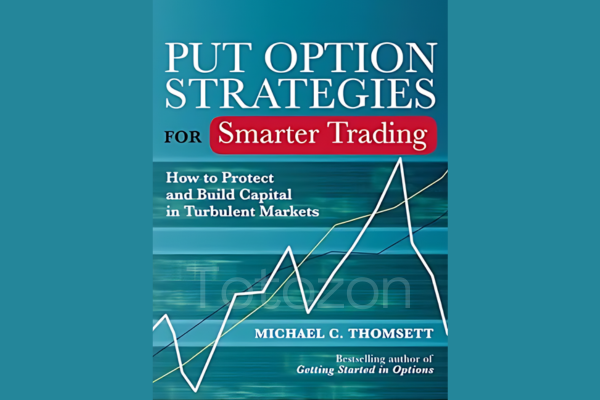 Put Option Strategies for Smarter Trading with Michael Thomsett
1 × $6.00
Put Option Strategies for Smarter Trading with Michael Thomsett
1 × $6.00 -
×
 ETF Trading Strategies Revealed with David Vomund
1 × $6.00
ETF Trading Strategies Revealed with David Vomund
1 × $6.00 -
×
 Power Index Method for Profitable Futures Trading with Harold Goldberg
1 × $6.00
Power Index Method for Profitable Futures Trading with Harold Goldberg
1 × $6.00 -
×
 The Delphi Scalper 4 (delphiscalper.com) with Jason Fielder
1 × $6.00
The Delphi Scalper 4 (delphiscalper.com) with Jason Fielder
1 × $6.00 -
×
 3 Day Master Advanced Workshop Seminar (Video & Manuals 8.48 GB)
1 × $6.00
3 Day Master Advanced Workshop Seminar (Video & Manuals 8.48 GB)
1 × $6.00 -
×
 Diary of an Internet Trader with Alpesh Patel
1 × $6.00
Diary of an Internet Trader with Alpesh Patel
1 × $6.00 -
×
 Day Trading 101 How To Day Trade Stocks for Passive Income
1 × $6.00
Day Trading 101 How To Day Trade Stocks for Passive Income
1 × $6.00 -
×
 The A14 Weekly Option Strategy Workshop with Amy Meissner
1 × $23.00
The A14 Weekly Option Strategy Workshop with Amy Meissner
1 × $23.00 -
×
 Trading - Candlelight - Ryan Litchfield
1 × $6.00
Trading - Candlelight - Ryan Litchfield
1 × $6.00 -
×
 Butterfly and Condor Workshop with Aeromir
1 × $15.00
Butterfly and Condor Workshop with Aeromir
1 × $15.00 -
×
 Starter Guide to Investing Stocks, Crypto & Precious Metals with Ryan Hogue
1 × $5.00
Starter Guide to Investing Stocks, Crypto & Precious Metals with Ryan Hogue
1 × $5.00 -
×
 CarterFX Membership with Duran Carter
1 × $23.00
CarterFX Membership with Duran Carter
1 × $23.00 -
×
 The Bare Essentials Of Investing: Teaching The Horse To Talk with Harold Bierman
1 × $6.00
The Bare Essentials Of Investing: Teaching The Horse To Talk with Harold Bierman
1 × $6.00 -
×
 Carter FX 2.0 with CFX University
1 × $5.00
Carter FX 2.0 with CFX University
1 × $5.00 -
×
 Fixed-Income Securities: Valuation, Risk Management and Portfolio Strategies - Lionel Martellini, Philippe Priaulet & Stéphane Priaulet
1 × $6.00
Fixed-Income Securities: Valuation, Risk Management and Portfolio Strategies - Lionel Martellini, Philippe Priaulet & Stéphane Priaulet
1 × $6.00 -
×
 White Phoenix’s The Smart (Money) Approach to Trading with Jayson Casper
1 × $39.00
White Phoenix’s The Smart (Money) Approach to Trading with Jayson Casper
1 × $39.00 -
×
 Market Science Volumes I & II Square of Twelve & Market Dynamics with Bradley Cowan
1 × $4.00
Market Science Volumes I & II Square of Twelve & Market Dynamics with Bradley Cowan
1 × $4.00 -
×
 Secret Forex Society Economic Reports (2006-2007) with Felix Homogratus
1 × $6.00
Secret Forex Society Economic Reports (2006-2007) with Felix Homogratus
1 × $6.00 -
×
 OTC Oracle Course - PENNY WHALE with Simple Trade
1 × $31.00
OTC Oracle Course - PENNY WHALE with Simple Trade
1 × $31.00 -
×
 Trading Mindset, and Three Steps To Profitable Trading with Bruce Banks
1 × $6.00
Trading Mindset, and Three Steps To Profitable Trading with Bruce Banks
1 × $6.00 -
×
 Orderflows Gems 2-Private Sessions with Mike Valtos
1 × $20.00
Orderflows Gems 2-Private Sessions with Mike Valtos
1 × $20.00 -
×
 Activedaytrader - Elite Earnings Pusuit
1 × $54.00
Activedaytrader - Elite Earnings Pusuit
1 × $54.00 -
×
 Consistent Intraday Strategies and Setups Class with Don Kaufman
1 × $6.00
Consistent Intraday Strategies and Setups Class with Don Kaufman
1 × $6.00 -
×
 A Game Plan for Investing in the 21st Century with Thomas J.Dorsey
1 × $6.00
A Game Plan for Investing in the 21st Century with Thomas J.Dorsey
1 × $6.00 -
×
 The Complete Guide to Multiple Time Frame Analysis & Reading Price Action with Aiman Almansoori
1 × $13.00
The Complete Guide to Multiple Time Frame Analysis & Reading Price Action with Aiman Almansoori
1 × $13.00 -
×
 Pairs Trading: Quantitative Methods and Analysis with Ganapathy Vidyamurthy
1 × $6.00
Pairs Trading: Quantitative Methods and Analysis with Ganapathy Vidyamurthy
1 × $6.00 -
×
 Ultimate Trading Course with Dodgy's Dungeon
1 × $8.00
Ultimate Trading Course with Dodgy's Dungeon
1 × $8.00 -
×
 CrewFX Group Course Package with Language Of The Markets
1 × $6.00
CrewFX Group Course Package with Language Of The Markets
1 × $6.00 -
×
 Naked Trading Part 1 with Base Camp Trading
1 × $6.00
Naked Trading Part 1 with Base Camp Trading
1 × $6.00 -
×
 The Prop Trading Code with Brannigan Barrett - Axia Futures
1 × $23.00
The Prop Trading Code with Brannigan Barrett - Axia Futures
1 × $23.00

Short-Term Trading, Long-Term Profits with John Leizman – McGraw-Hill
$6.00
File Size: Coming soon!
Delivery Time: 1–12 hours
Media Type: Online Course
Content Proof: Watch Here!
You may check content proof of “Short-Term Trading, Long-Term Profits with John Leizman – McGraw-Hill” below:

Short-Term Trading, Long-Term Profits with John Leizman – McGraw-Hill
Navigating the stock market can be a daunting task, but John Leizman’s book, “Short-Term Trading, Long-Term Profits,” published by McGraw-Hill, offers a comprehensive guide to mastering this art. This article delves into the key strategies and concepts presented by Leizman, providing insights on how to achieve long-term profitability through short-term trading.
Understanding Short-Term Trading
What is Short-Term Trading?
Short-term trading involves buying and selling securities within a brief time frame, typically ranging from a few minutes to several days. This approach aims to capitalize on short-term market movements.
Importance of Short-Term Trading
Short-term trading can generate significant returns in a short period, offering liquidity and flexibility. However, it requires a solid understanding of market dynamics and effective risk management.
Who is John Leizman?
John Leizman’s Background
John Leizman is a seasoned trader and financial expert with years of experience in the stock market. He is renowned for his practical strategies and insightful analysis, making his teachings valuable for both novice and experienced traders.
Contributions to Trading Literature
Leizman has authored several books and articles, providing in-depth knowledge on trading strategies, market analysis, and investment techniques. His work emphasizes the balance between short-term tactics and long-term goals.
Key Concepts in Short-Term Trading
Technical Analysis
Understanding Charts
Technical analysis relies heavily on chart patterns to predict future price movements. Familiarity with candlestick charts, line charts, and bar charts is essential.
Key Indicators
- Moving Averages: Help identify trends by smoothing out price data.
- Relative Strength Index (RSI): Measures the speed and change of price movements.
- MACD (Moving Average Convergence Divergence): Indicates the strength and direction of a trend.
Risk Management
Setting Stop-Loss Orders
Stop-loss orders automatically sell a security when it reaches a certain price, limiting potential losses.
Position Sizing
Determining the size of each trade based on the trader’s risk tolerance and capital ensures manageable risk exposure.
Trading Psychology
Managing Emotions
Emotional control is crucial in trading. Greed and fear can lead to impulsive decisions that undermine trading strategies.
Maintaining Discipline
Sticking to a trading plan and avoiding impulsive trades are key to long-term success.
Strategies for Short-Term Trading
Scalping
What is Scalping?
Scalping involves making numerous trades within a day to profit from small price changes. It requires quick decision-making and execution.
Tips for Successful Scalping
- Use Tight Stop-Losses: Minimize losses by setting tight stop-loss levels.
- Focus on Liquid Markets: High liquidity ensures smoother trade execution.
Day Trading
What is Day Trading?
Day trading involves buying and selling securities within the same trading day, avoiding overnight market risks.
Key Techniques
- Trend Following: Identify and follow market trends.
- Breakout Trading: Trade on significant price movements above or below resistance and support levels.
Swing Trading
What is Swing Trading?
Swing trading aims to capture price swings over several days to weeks. It requires patience and a good understanding of market cycles.
Effective Swing Trading Strategies
- Use Technical Indicators: Utilize tools like moving averages and RSI.
- Identify Support and Resistance Levels: Base your trades on key price levels.
Implementing Leizman’s Strategies
Step-by-Step Guide
Step 1: Develop a Trading Plan
Create a detailed plan outlining your trading strategies, risk management rules, and financial goals.
Step 2: Educate Yourself
Continuously learn about market trends, technical analysis, and trading strategies. Use resources like Leizman’s book and online courses.
Step 3: Practice with a Demo Account
Use a demo account to practice your trading strategies without risking real money. This helps build confidence and refine techniques.
Step 4: Start Small
Begin with small trades to minimize risk. Gradually increase your position size as you gain experience and confidence.
Step 5: Monitor and Adjust
Regularly review your trades and adjust your strategies based on performance and market conditions.
Practical Tips for Success
Stay Informed
Keep up with market news, economic indicators, and geopolitical events that can impact prices.
Use Technology
Leverage trading platforms and tools for real-time data analysis and trade execution.
Maintain Discipline
Stick to your trading plan and avoid making decisions based on emotions or market noise.
Benefits of Short-Term Trading
Liquidity
Short-term trading offers high liquidity, allowing traders to quickly enter and exit positions.
Flexibility
Traders can adapt to changing market conditions and capitalize on short-term opportunities.
Potential for High Returns
With the right strategies and risk management, short-term trading can yield significant profits.
Common Challenges and Solutions
Challenge 1: Market Volatility
Volatility can lead to unpredictable price movements.
Solution: Use Stop-Loss Orders
Implement stop-loss orders to protect against significant losses.
Challenge 2: Emotional Decision-Making
Emotions can cloud judgment and lead to poor trading decisions.
Solution: Practice Emotional Control
Develop techniques to manage stress and maintain discipline.
Conclusion
“Short-Term Trading, Long-Term Profits” by John Leizman provides invaluable insights into achieving sustained profitability through short-term trading strategies. By mastering technical analysis, managing risk, and maintaining discipline, traders can enhance their performance and achieve their financial goals. Continuous learning and disciplined execution are key to success in the dynamic world of trading.
FAQs
1. What is short-term trading?
- Short-term trading involves buying and selling securities within a brief time frame to capitalize on market movements.
2. Who is John Leizman?
- John Leizman is a financial expert and seasoned trader known for his practical trading strategies and insightful analysis.
3. What are some key strategies for short-term trading?
- Key strategies include scalping, day trading, and swing trading, each with specific techniques and risk management practices.
4. How can I manage risk in short-term trading?
- Manage risk by setting stop-loss orders, determining position sizes, and maintaining discipline in your trading plan.
5. What are the benefits of short-term trading?
- Benefits include high liquidity, flexibility, and the potential for significant returns with effective strategies and risk management.
Be the first to review “Short-Term Trading, Long-Term Profits with John Leizman – McGraw-Hill”
You must be logged in to post a review.
Related products
Original price was: $700.00.$39.00Current price is: $39.00.
Forex Trading
Original price was: $239.00.$8.00Current price is: $8.00.

Forex Trading
Original price was: $2,997.00.$23.00Current price is: $23.00.

Original price was: $997.00.$8.00Current price is: $8.00.

Original price was: $649.00.$20.00Current price is: $20.00.

Original price was: $1,800.00.$54.00Current price is: $54.00.

Original price was: $799.00.$15.00Current price is: $15.00.

Forex Trading
Original price was: $249.00.$15.00Current price is: $15.00.

Forex Trading
Original price was: $999.00.$15.00Current price is: $15.00.

Forex Trading
Original price was: $550.00.$5.00Current price is: $5.00.

Forex Trading
Original price was: $125.00.$17.00Current price is: $17.00.

Forex Trading
Original price was: $1,898.00.$10.00Current price is: $10.00.
Original price was: $310.00.$23.00Current price is: $23.00.

Original price was: $2,120.00.$15.00Current price is: $15.00.
Forex Trading
The Complete Guide to Multiple Time Frame Analysis & Reading Price Action with Aiman Almansoori
Original price was: $1,399.00.$13.00Current price is: $13.00.

Original price was: $139.00.$23.00Current price is: $23.00.

Forex Trading
Original price was: $500.00.$5.00Current price is: $5.00.

Forex Trading
Original price was: $397.00.$31.00Current price is: $31.00.

Forex Trading
Original price was: $850.00.$23.00Current price is: $23.00.

Original price was: $450.00.$23.00Current price is: $23.00.
Reviews
There are no reviews yet.