
-
×
 The Trading Blueprint with Brad Goh - The Trading Geek
1 × $5.00
The Trading Blueprint with Brad Goh - The Trading Geek
1 × $5.00 -
×
 Vega Modified Butterfly Class with Jay Bailey - Sheridan Options Mentoring
1 × $31.00
Vega Modified Butterfly Class with Jay Bailey - Sheridan Options Mentoring
1 × $31.00 -
×
 How To Design, Test, Evaluate and Implement Profitable Trading Systems(Manual Only)
1 × $4.00
How To Design, Test, Evaluate and Implement Profitable Trading Systems(Manual Only)
1 × $4.00 -
×
 Derivate Instruments by Brian A.Eales
1 × $6.00
Derivate Instruments by Brian A.Eales
1 × $6.00 -
×
 Market Maker’s Method Dec 2010 (PDF, MT4 Indicators, Video 600 MB)
1 × $6.00
Market Maker’s Method Dec 2010 (PDF, MT4 Indicators, Video 600 MB)
1 × $6.00 -
×
 Harmonic Pattern Detection Indicator
1 × $6.00
Harmonic Pattern Detection Indicator
1 × $6.00 -
×
 Pay me in Stock Options with Carol Curtis
1 × $6.00
Pay me in Stock Options with Carol Curtis
1 × $6.00 -
×
 Illuminati Trader
1 × $31.00
Illuminati Trader
1 × $31.00 -
×
 Crypto Trading Academy with Cheeky Investor - Aussie Day Trader
1 × $13.00
Crypto Trading Academy with Cheeky Investor - Aussie Day Trader
1 × $13.00 -
×
 Unlocking Wealth: Secret to Market Timing with John Crane
1 × $6.00
Unlocking Wealth: Secret to Market Timing with John Crane
1 × $6.00 -
×
 Institutional Scalping and Intraday Trading
1 × $5.00
Institutional Scalping and Intraday Trading
1 × $5.00 -
×
 VintagEducation - The Fast Track Forex Bootcamp
1 × $6.00
VintagEducation - The Fast Track Forex Bootcamp
1 × $6.00 -
×
 Deep Dive Butterfly Trading Strategy Class with SJG Trades
1 × $41.00
Deep Dive Butterfly Trading Strategy Class with SJG Trades
1 × $41.00 -
×
 Zm Capitals Full course + Ebook with Zain Mokhles - ZmCapitals
1 × $31.00
Zm Capitals Full course + Ebook with Zain Mokhles - ZmCapitals
1 × $31.00 -
×
 High Probability Continuation and Reversal Patterns
1 × $23.00
High Probability Continuation and Reversal Patterns
1 × $23.00 -
×
 How To Read The Market Professionally with TradeSmart
1 × $27.00
How To Read The Market Professionally with TradeSmart
1 × $27.00 -
×
 BearProof Investing with Kenneth Little
1 × $6.00
BearProof Investing with Kenneth Little
1 × $6.00 -
×
 The Cash Flow Bootcamp with John Macgregor
1 × $233.00
The Cash Flow Bootcamp with John Macgregor
1 × $233.00 -
×
 Bill Williams Package ( Discount 30% )
1 × $6.00
Bill Williams Package ( Discount 30% )
1 × $6.00 -
×
 Oliver Velez & Greg Capra - Trading the Pristine Method. The Refresher Course - I & II
1 × $15.00
Oliver Velez & Greg Capra - Trading the Pristine Method. The Refresher Course - I & II
1 × $15.00 -
×
 The Viper Advanced Program
1 × $13.00
The Viper Advanced Program
1 × $13.00 -
×
 Successful Algorithmic Trading with Mike Halls-Moore
1 × $8.00
Successful Algorithmic Trading with Mike Halls-Moore
1 × $8.00 -
×
 Investments (6th Ed.)
1 × $6.00
Investments (6th Ed.)
1 × $6.00 -
×
 Simple Profit Trading System 2020
1 × $54.00
Simple Profit Trading System 2020
1 × $54.00 -
×
 Evolution Markets FX – TPOT 2.0
1 × $5.00
Evolution Markets FX – TPOT 2.0
1 × $5.00 -
×
 TTM Trading with the Anchor Indicators Video
1 × $6.00
TTM Trading with the Anchor Indicators Video
1 × $6.00 -
×
 Base Camp Trading - Swing Trade Success
1 × $23.00
Base Camp Trading - Swing Trade Success
1 × $23.00 -
×
 TradeCraft: Your Path to Peak Performance Trading By Adam Grimes
1 × $15.00
TradeCraft: Your Path to Peak Performance Trading By Adam Grimes
1 × $15.00 -
×
 Monthly Mastermind
1 × $6.00
Monthly Mastermind
1 × $6.00 -
×
 Trading NQ At The US Open with TradeSmart
1 × $10.00
Trading NQ At The US Open with TradeSmart
1 × $10.00 -
×
 Signature Trade from Forexia with Dylan Forexia
1 × $85.00
Signature Trade from Forexia with Dylan Forexia
1 × $85.00 -
×
 Jarratt Davis Forex Trading Course
1 × $23.00
Jarratt Davis Forex Trading Course
1 × $23.00 -
×
 All Weather Butterfly Program - A Deep Dive With Dan Sheridan
1 × $31.00
All Weather Butterfly Program - A Deep Dive With Dan Sheridan
1 × $31.00 -
×
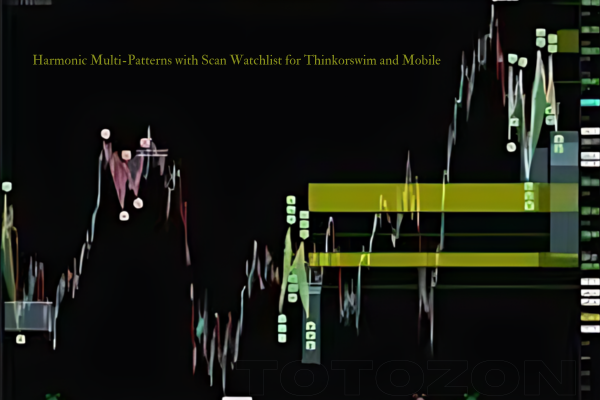 Harmonic Multi-Patterns with Scan Watchlist for Thinkorswim and Mobile
1 × $6.00
Harmonic Multi-Patterns with Scan Watchlist for Thinkorswim and Mobile
1 × $6.00 -
×
 Mastering High Probability Chart Reading Methods with John Murphy
1 × $6.00
Mastering High Probability Chart Reading Methods with John Murphy
1 × $6.00 -
×
 FX Accelerator 2
1 × $31.00
FX Accelerator 2
1 × $31.00 -
×
 Tradeguider Mentorship Collection
1 × $54.00
Tradeguider Mentorship Collection
1 × $54.00 -
×
 The Handbook of Equity Style Management (3rd Ed) with Daniel Coggin & Frank Fabozzi
1 × $6.00
The Handbook of Equity Style Management (3rd Ed) with Daniel Coggin & Frank Fabozzi
1 × $6.00 -
×
 The Foundation with Dan Maxwell
1 × $6.00
The Foundation with Dan Maxwell
1 × $6.00 -
×
 Intermediate Options Trading Course
1 × $39.00
Intermediate Options Trading Course
1 × $39.00 -
×
 The Stock Market Crash of 1929 The End of Prosperity with Brenda Lange
1 × $6.00
The Stock Market Crash of 1929 The End of Prosperity with Brenda Lange
1 × $6.00 -
×
 Private Seminars
1 × $23.00
Private Seminars
1 × $23.00 -
×
 Complete Book Set
1 × $8.00
Complete Book Set
1 × $8.00 -
×
 Beginners Guide to Swing Trading Growth Stocks with Brandon Chapman
1 × $5.00
Beginners Guide to Swing Trading Growth Stocks with Brandon Chapman
1 × $5.00 -
×
 Training Program
1 × $15.00
Training Program
1 × $15.00 -
×
 The Option Trader Handbook. Strategies and Trade Adjustments with George Jabbour
1 × $6.00
The Option Trader Handbook. Strategies and Trade Adjustments with George Jabbour
1 × $6.00 -
×
 The Orderflows Trade Opportunities Encyclopedia with Michael Valtos
1 × $8.00
The Orderflows Trade Opportunities Encyclopedia with Michael Valtos
1 × $8.00 -
×
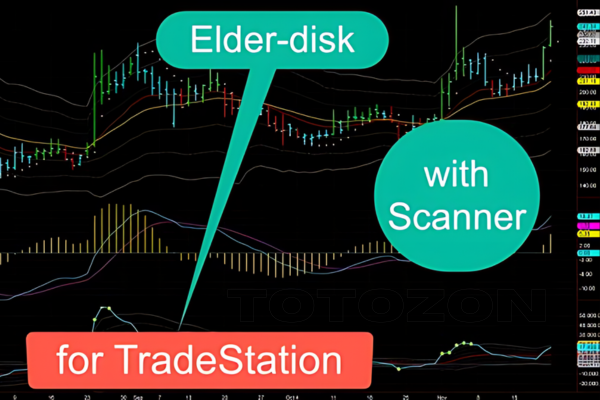 Elder-disk for TradeStation, enhanced with a MACD scanner
1 × $54.00
Elder-disk for TradeStation, enhanced with a MACD scanner
1 × $54.00 -
×
 FXCharger
1 × $23.00
FXCharger
1 × $23.00 -
×
 Power Income FUTURES Day Trading Course with Trade Out Loud
1 × $31.00
Power Income FUTURES Day Trading Course with Trade Out Loud
1 × $31.00 -
×
 Bennett McDowell – A Trader’s Money Management System
1 × $6.00
Bennett McDowell – A Trader’s Money Management System
1 × $6.00 -
×
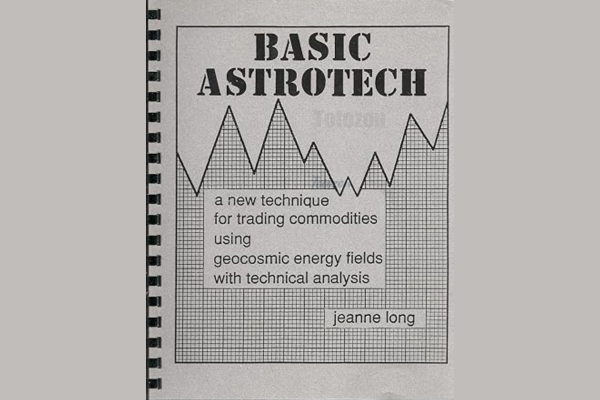 Basic Astrotech
1 × $6.00
Basic Astrotech
1 × $6.00 -
×
 TTM Indicators Package for eSignal
1 × $6.00
TTM Indicators Package for eSignal
1 × $6.00 -
×
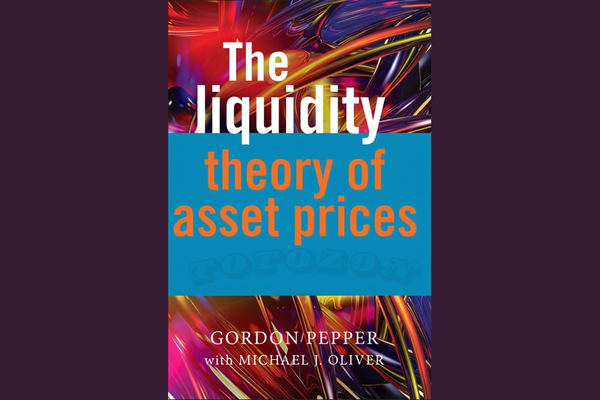 The Liquidity Theory of Asset Prices with Gordon Pepper & Michael Oliver
1 × $6.00
The Liquidity Theory of Asset Prices with Gordon Pepper & Michael Oliver
1 × $6.00 -
×
 Intra-Day Trading Nasdaq Futures Class with Tony Rago - Theo Trade
1 × $4.00
Intra-Day Trading Nasdaq Futures Class with Tony Rago - Theo Trade
1 × $4.00 -
×
 Stock Options Mastery with Jeremy Lefebvre
1 × $23.00
Stock Options Mastery with Jeremy Lefebvre
1 × $23.00 -
×
 Raghee Horner - Submarket Sonar - Live Trading + Indicator
1 × $39.00
Raghee Horner - Submarket Sonar - Live Trading + Indicator
1 × $39.00 -
×
 Winning the Losers Game with Charles Ellis
1 × $6.00
Winning the Losers Game with Charles Ellis
1 × $6.00 -
×
 Trading Psychology Mastery Course - Trading Composure
1 × $6.00
Trading Psychology Mastery Course - Trading Composure
1 × $6.00 -
×
 Cwesi Forex Trading Bootcamp (Algo Trading)
1 × $13.00
Cwesi Forex Trading Bootcamp (Algo Trading)
1 × $13.00 -
×
 Unlearn and Relearn with Market Fluidity
1 × $6.00
Unlearn and Relearn with Market Fluidity
1 × $6.00 -
×
 Don Fishback ODDS The Key to 95 Winners
1 × $6.00
Don Fishback ODDS The Key to 95 Winners
1 × $6.00 -
×
 Onyx Trade House
1 × $7.00
Onyx Trade House
1 × $7.00 -
×
 Change Happens. Do You Profit Or Does Someone Else (Traders Expo Las Vegas Dec 2005) by Tobin Smith
1 × $6.00
Change Happens. Do You Profit Or Does Someone Else (Traders Expo Las Vegas Dec 2005) by Tobin Smith
1 × $6.00 -
×
 Weekly Power Options Strategies
1 × $6.00
Weekly Power Options Strategies
1 × $6.00 -
×
 Options Trading & Ultimate MasterClass With Tyrone Abela - FX Evolution
1 × $54.00
Options Trading & Ultimate MasterClass With Tyrone Abela - FX Evolution
1 × $54.00

Short-Term Trading, Long-Term Profits with John Leizman – McGraw-Hill
$6.00
File Size: Coming soon!
Delivery Time: 1–12 hours
Media Type: Online Course
Content Proof: Watch Here!
You may check content proof of “Short-Term Trading, Long-Term Profits with John Leizman – McGraw-Hill” below:

Short-Term Trading, Long-Term Profits with John Leizman – McGraw-Hill
Navigating the stock market can be a daunting task, but John Leizman’s book, “Short-Term Trading, Long-Term Profits,” published by McGraw-Hill, offers a comprehensive guide to mastering this art. This article delves into the key strategies and concepts presented by Leizman, providing insights on how to achieve long-term profitability through short-term trading.
Understanding Short-Term Trading
What is Short-Term Trading?
Short-term trading involves buying and selling securities within a brief time frame, typically ranging from a few minutes to several days. This approach aims to capitalize on short-term market movements.
Importance of Short-Term Trading
Short-term trading can generate significant returns in a short period, offering liquidity and flexibility. However, it requires a solid understanding of market dynamics and effective risk management.
Who is John Leizman?
John Leizman’s Background
John Leizman is a seasoned trader and financial expert with years of experience in the stock market. He is renowned for his practical strategies and insightful analysis, making his teachings valuable for both novice and experienced traders.
Contributions to Trading Literature
Leizman has authored several books and articles, providing in-depth knowledge on trading strategies, market analysis, and investment techniques. His work emphasizes the balance between short-term tactics and long-term goals.
Key Concepts in Short-Term Trading
Technical Analysis
Understanding Charts
Technical analysis relies heavily on chart patterns to predict future price movements. Familiarity with candlestick charts, line charts, and bar charts is essential.
Key Indicators
- Moving Averages: Help identify trends by smoothing out price data.
- Relative Strength Index (RSI): Measures the speed and change of price movements.
- MACD (Moving Average Convergence Divergence): Indicates the strength and direction of a trend.
Risk Management
Setting Stop-Loss Orders
Stop-loss orders automatically sell a security when it reaches a certain price, limiting potential losses.
Position Sizing
Determining the size of each trade based on the trader’s risk tolerance and capital ensures manageable risk exposure.
Trading Psychology
Managing Emotions
Emotional control is crucial in trading. Greed and fear can lead to impulsive decisions that undermine trading strategies.
Maintaining Discipline
Sticking to a trading plan and avoiding impulsive trades are key to long-term success.
Strategies for Short-Term Trading
Scalping
What is Scalping?
Scalping involves making numerous trades within a day to profit from small price changes. It requires quick decision-making and execution.
Tips for Successful Scalping
- Use Tight Stop-Losses: Minimize losses by setting tight stop-loss levels.
- Focus on Liquid Markets: High liquidity ensures smoother trade execution.
Day Trading
What is Day Trading?
Day trading involves buying and selling securities within the same trading day, avoiding overnight market risks.
Key Techniques
- Trend Following: Identify and follow market trends.
- Breakout Trading: Trade on significant price movements above or below resistance and support levels.
Swing Trading
What is Swing Trading?
Swing trading aims to capture price swings over several days to weeks. It requires patience and a good understanding of market cycles.
Effective Swing Trading Strategies
- Use Technical Indicators: Utilize tools like moving averages and RSI.
- Identify Support and Resistance Levels: Base your trades on key price levels.
Implementing Leizman’s Strategies
Step-by-Step Guide
Step 1: Develop a Trading Plan
Create a detailed plan outlining your trading strategies, risk management rules, and financial goals.
Step 2: Educate Yourself
Continuously learn about market trends, technical analysis, and trading strategies. Use resources like Leizman’s book and online courses.
Step 3: Practice with a Demo Account
Use a demo account to practice your trading strategies without risking real money. This helps build confidence and refine techniques.
Step 4: Start Small
Begin with small trades to minimize risk. Gradually increase your position size as you gain experience and confidence.
Step 5: Monitor and Adjust
Regularly review your trades and adjust your strategies based on performance and market conditions.
Practical Tips for Success
Stay Informed
Keep up with market news, economic indicators, and geopolitical events that can impact prices.
Use Technology
Leverage trading platforms and tools for real-time data analysis and trade execution.
Maintain Discipline
Stick to your trading plan and avoid making decisions based on emotions or market noise.
Benefits of Short-Term Trading
Liquidity
Short-term trading offers high liquidity, allowing traders to quickly enter and exit positions.
Flexibility
Traders can adapt to changing market conditions and capitalize on short-term opportunities.
Potential for High Returns
With the right strategies and risk management, short-term trading can yield significant profits.
Common Challenges and Solutions
Challenge 1: Market Volatility
Volatility can lead to unpredictable price movements.
Solution: Use Stop-Loss Orders
Implement stop-loss orders to protect against significant losses.
Challenge 2: Emotional Decision-Making
Emotions can cloud judgment and lead to poor trading decisions.
Solution: Practice Emotional Control
Develop techniques to manage stress and maintain discipline.
Conclusion
“Short-Term Trading, Long-Term Profits” by John Leizman provides invaluable insights into achieving sustained profitability through short-term trading strategies. By mastering technical analysis, managing risk, and maintaining discipline, traders can enhance their performance and achieve their financial goals. Continuous learning and disciplined execution are key to success in the dynamic world of trading.
FAQs
1. What is short-term trading?
- Short-term trading involves buying and selling securities within a brief time frame to capitalize on market movements.
2. Who is John Leizman?
- John Leizman is a financial expert and seasoned trader known for his practical trading strategies and insightful analysis.
3. What are some key strategies for short-term trading?
- Key strategies include scalping, day trading, and swing trading, each with specific techniques and risk management practices.
4. How can I manage risk in short-term trading?
- Manage risk by setting stop-loss orders, determining position sizes, and maintaining discipline in your trading plan.
5. What are the benefits of short-term trading?
- Benefits include high liquidity, flexibility, and the potential for significant returns with effective strategies and risk management.
Be the first to review “Short-Term Trading, Long-Term Profits with John Leizman – McGraw-Hill”
You must be logged in to post a review.
Related products
Original price was: $997.00.$13.00Current price is: $13.00.

Forex Trading
Original price was: $799.00.$15.00Current price is: $15.00.

Forex Trading
Original price was: $2,997.00.$23.00Current price is: $23.00.

Forex Trading
Original price was: $125.00.$17.00Current price is: $17.00.

Forex Trading
Original price was: $2,000.00.$23.00Current price is: $23.00.
Original price was: $695.00.$41.00Current price is: $41.00.
Original price was: $4,995.00.$15.00Current price is: $15.00.

Original price was: $497.00.$31.00Current price is: $31.00.
Original price was: $1,800.00.$54.00Current price is: $54.00.

Original price was: $1,849.00.$15.00Current price is: $15.00.

Original price was: $139.00.$23.00Current price is: $23.00.

Forex Trading
The Complete Guide to Multiple Time Frame Analysis & Reading Price Action with Aiman Almansoori
Original price was: $1,399.00.$13.00Current price is: $13.00.

Forex Trading
Original price was: $797.00.$10.00Current price is: $10.00.

Forex Trading
Original price was: $1,098.00.$39.00Current price is: $39.00.

Original price was: $700.00.$39.00Current price is: $39.00.

Original price was: $310.00.$23.00Current price is: $23.00.

Original price was: $649.00.$20.00Current price is: $20.00.

Forex Trading
Original price was: $550.00.$5.00Current price is: $5.00.

Original price was: $1,200.00.$23.00Current price is: $23.00.

Forex Trading
Original price was: $500.00.$5.00Current price is: $5.00.
Reviews
There are no reviews yet.