
-
×
 NetPicks - Universal Market Trader Course
1 × $6.00
NetPicks - Universal Market Trader Course
1 × $6.00 -
×
 MTA - Technically Speaking Newsletters
1 × $6.00
MTA - Technically Speaking Newsletters
1 × $6.00 -
×
 Blueprint to Extreme Reversals with Aiman Almansoori - Trading Terminal
1 × $8.00
Blueprint to Extreme Reversals with Aiman Almansoori - Trading Terminal
1 × $8.00 -
×
 The Orderflows Trade Opportunities Encyclopedia with Michael Valtos
1 × $8.00
The Orderflows Trade Opportunities Encyclopedia with Michael Valtos
1 × $8.00 -
×
 Become A Quant Trader Bundle with Lachezar Haralampiev & Radoslav Haralampiev - Quant Factory
1 × $17.00
Become A Quant Trader Bundle with Lachezar Haralampiev & Radoslav Haralampiev - Quant Factory
1 × $17.00 -
×
 The Market Maker’s Edge with Josh Lukeman
1 × $6.00
The Market Maker’s Edge with Josh Lukeman
1 × $6.00 -
×
 Planetary Stock Trading with Bill Meridian
1 × $6.00
Planetary Stock Trading with Bill Meridian
1 × $6.00 -
×
 Chris Swaggy C Williams - The Swag Academy
1 × $6.00
Chris Swaggy C Williams - The Swag Academy
1 × $6.00 -
×
 Spread Trading E-Trading Stagionale (Italian) with Joe Ross
1 × $6.00
Spread Trading E-Trading Stagionale (Italian) with Joe Ross
1 × $6.00 -
×
 Set and Forget with Alex Gonzalez - Swing Trading Lab
1 × $5.00
Set and Forget with Alex Gonzalez - Swing Trading Lab
1 × $5.00 -
×
 The Ultimate Step By Step Guide to Online Currency Trading with Cynthia Marcy, Erol Bortucene
1 × $6.00
The Ultimate Step By Step Guide to Online Currency Trading with Cynthia Marcy, Erol Bortucene
1 × $6.00 -
×
 Crystal Ball Pack PLUS bonus Live Trade By Pat Mitchell - Trick Trades
1 × $20.00
Crystal Ball Pack PLUS bonus Live Trade By Pat Mitchell - Trick Trades
1 × $20.00 -
×
 Investor’s Guide to Charting By Alistair Blair
1 × $6.00
Investor’s Guide to Charting By Alistair Blair
1 × $6.00 -
×
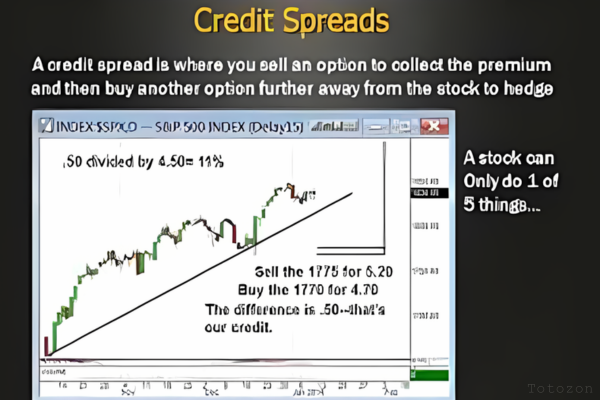 Trade from Anywhere
1 × $6.00
Trade from Anywhere
1 × $6.00 -
×
 Private Seminar with Alan Andrew
1 × $6.00
Private Seminar with Alan Andrew
1 × $6.00 -
×
 The Gorilla Game (Revised Ed.) with Greoffrey A.Moore & Paul Johnson
1 × $6.00
The Gorilla Game (Revised Ed.) with Greoffrey A.Moore & Paul Johnson
1 × $6.00 -
×
 Forecast for 2010 with Larry Williams
1 × $6.00
Forecast for 2010 with Larry Williams
1 × $6.00 -
×
 Market Science Volumes I & II Square of Twelve & Market Dynamics with Bradley Cowan
1 × $4.00
Market Science Volumes I & II Square of Twelve & Market Dynamics with Bradley Cowan
1 × $4.00 -
×
 What Every Investor Shoud Know About Accounting Fraud with Jeff Madura
1 × $6.00
What Every Investor Shoud Know About Accounting Fraud with Jeff Madura
1 × $6.00 -
×
 Advanced Trading Techniques 2 CDs with Sammy Chua
1 × $6.00
Advanced Trading Techniques 2 CDs with Sammy Chua
1 × $6.00 -
×
 W.D. Gann’s Secret Divergence Method with Hexatrade350
1 × $5.00
W.D. Gann’s Secret Divergence Method with Hexatrade350
1 × $5.00 -
×
 Modern Darvas Trading
1 × $6.00
Modern Darvas Trading
1 × $6.00 -
×
 Asset Prices, Booms & Recessions (2nd Ed.) with Willi Semmler
1 × $6.00
Asset Prices, Booms & Recessions (2nd Ed.) with Willi Semmler
1 × $6.00 -
×
 Investment Illusions with Martin S.Fridson
1 × $6.00
Investment Illusions with Martin S.Fridson
1 × $6.00 -
×
 How to Trade a Vertical Market with Armstrong Economics
1 × $155.00
How to Trade a Vertical Market with Armstrong Economics
1 × $155.00 -
×
 Read the Greed – LIVE!: Vol. II with Mike Reed
1 × $6.00
Read the Greed – LIVE!: Vol. II with Mike Reed
1 × $6.00 -
×
 Advanced Pattern Trader Course with Trade Empowered
1 × $23.00
Advanced Pattern Trader Course with Trade Empowered
1 × $23.00 -
×
 Foundations of Stock & Options. Home Study Course
1 × $6.00
Foundations of Stock & Options. Home Study Course
1 × $6.00 -
×
 The One Trading Secret That Could Make You Rich Inside Days
1 × $6.00
The One Trading Secret That Could Make You Rich Inside Days
1 × $6.00 -
×
 Trading - Candlelight - Ryan Litchfield
1 × $6.00
Trading - Candlelight - Ryan Litchfield
1 × $6.00 -
×
 Building Your E-Mini Trading Strategy with Daniel Gramza
1 × $6.00
Building Your E-Mini Trading Strategy with Daniel Gramza
1 × $6.00 -
×
 Quant Edge Online Home Study Course with T3 Live
1 × $39.00
Quant Edge Online Home Study Course with T3 Live
1 × $39.00 -
×
 Developing Mindfulness: The Observer of Thought with Traders State Of Mind
1 × $6.00
Developing Mindfulness: The Observer of Thought with Traders State Of Mind
1 × $6.00 -
×
 How to Create Better Trading Opportunities through Hedging with Jon Najarian
1 × $6.00
How to Create Better Trading Opportunities through Hedging with Jon Najarian
1 × $6.00 -
×
 Fundamentals Trading
1 × $6.00
Fundamentals Trading
1 × $6.00 -
×
 Heiken Ashi 101
1 × $15.00
Heiken Ashi 101
1 × $15.00 -
×
 White Phoenix’s The Smart (Money) Approach to Trading with Jayson Casper
1 × $39.00
White Phoenix’s The Smart (Money) Approach to Trading with Jayson Casper
1 × $39.00 -
×
 Trading Full Circle with Jea Yu
1 × $6.00
Trading Full Circle with Jea Yu
1 × $6.00 -
×
 Baby Blue Trading Technique for the E-Minis with Dave Wright
1 × $6.00
Baby Blue Trading Technique for the E-Minis with Dave Wright
1 × $6.00 -
×
 Trading From Your Gut with Curtis Faith
1 × $6.00
Trading From Your Gut with Curtis Faith
1 × $6.00 -
×
 The Psychology Of Trading with Brett N.Steenbarger
1 × $6.00
The Psychology Of Trading with Brett N.Steenbarger
1 × $6.00 -
×
 Qualitative - Financial Statement Analysis with Sandesh Banger
1 × $5.00
Qualitative - Financial Statement Analysis with Sandesh Banger
1 × $5.00 -
×
 Beginner To Winner Boot Camp with Pips2Profit
1 × $41.00
Beginner To Winner Boot Camp with Pips2Profit
1 × $41.00 -
×
 Algo Trading Masterclass with Ali Casey - StatOasis
1 × $23.00
Algo Trading Masterclass with Ali Casey - StatOasis
1 × $23.00 -
×
 Exploiting Volatility: Mastering Equity and Index Options with David Lerman
1 × $6.00
Exploiting Volatility: Mastering Equity and Index Options with David Lerman
1 × $6.00 -
×
 Ichimoku Cloud Trading Course with FollowMeTrades
1 × $15.00
Ichimoku Cloud Trading Course with FollowMeTrades
1 × $15.00 -
×
 Slim Miller's Cycle Analysis Workshop with Steve "Slim" Miller
1 × $6.00
Slim Miller's Cycle Analysis Workshop with Steve "Slim" Miller
1 × $6.00 -
×
 Deep Market Analysis Volume 1 with Fractal Flow Pro
1 × $6.00
Deep Market Analysis Volume 1 with Fractal Flow Pro
1 × $6.00 -
×
 Butterfly and Condor Workshop with Aeromir
1 × $15.00
Butterfly and Condor Workshop with Aeromir
1 × $15.00 -
×
 How To Read The Market Professionally with TradeSmart
1 × $27.00
How To Read The Market Professionally with TradeSmart
1 × $27.00
Hit & Run Trading: The Short-Term Stock Traders Bible (1996) with Jeff Cooper
$6.00
File Size: Coming soon!
Delivery Time: 1–12 hours
Media Type: Online Course
Hit & Run Trading: The Short-Term Stock Traders Bible (1996) with Jeff Cooper
Trading stocks can be a daunting endeavor, but Jeff Cooper’s “Hit & Run Trading: The Short-Term Stock Traders Bible” provides traders with the tools and strategies to navigate the market successfully. In this article, we’ll explore the key concepts from Cooper’s book and how they can help you become a more proficient short-term trader.
Understanding Hit & Run Trading
What is Hit & Run Trading?
Hit & Run Trading is a short-term trading strategy that focuses on quick, profitable trades. The goal is to enter and exit positions swiftly, capturing small gains while minimizing exposure to market volatility.
Why Short-Term Trading?
Short-term trading appeals to those who prefer an active trading style. It offers the potential for rapid gains and the excitement of frequent trading decisions.
Key Principles of Hit & Run Trading
The Importance of Discipline
Discipline is paramount in Hit & Run Trading. Jeff Cooper emphasizes the need for a strict trading plan and the discipline to follow it, regardless of market conditions.
Quick Decision Making
Successful short-term trading requires quick decision-making. Traders must be able to analyze market conditions rapidly and act on their analysis without hesitation.
Risk Management
Risk management is crucial in any trading strategy, and Hit & Run Trading is no exception. Cooper advocates for setting strict stop-loss orders to limit potential losses.
Strategies from the Short-Term Stock Traders Bible
The 1-2-3-4 Pullback Strategy
One of Cooper’s popular strategies is the 1-2-3-4 Pullback. This method involves identifying a stock that has pulled back for four consecutive days within an overall uptrend, signaling a potential buying opportunity.
The Trap Door Strategy
The Trap Door Strategy focuses on stocks that gap down at the open but show signs of recovery. Traders look for a quick reversal to capitalize on the upward momentum.
The Holy Grail Setup
The Holy Grail Setup is a trend-following strategy that involves using a combination of moving averages to identify strong trends and potential entry points.
Implementing Hit & Run Trading Strategies
Step-by-Step Guide
1. Identify Potential Trades
Use technical analysis to identify stocks that fit Cooper’s strategies. Look for patterns and setups that indicate a potential trade.
2. Analyze Market Conditions
Consider the overall market conditions. Even the best setups can fail in adverse market environments.
3. Set Entry and Exit Points
Define your entry and exit points before placing a trade. This includes setting stop-loss and take-profit levels.
4. Execute the Trade
Once all criteria are met, execute the trade quickly and efficiently.
5. Monitor and Adjust
Monitor the trade closely and be prepared to adjust your strategy based on market movements.
Tools and Resources for Short-Term Traders
Charting Software
Invest in reliable charting software that provides real-time data and advanced technical analysis tools.
News and Alerts
Stay informed with the latest market news and alerts. Timely information can make the difference in short-term trading.
Trading Journals
Keep a trading journal to record your trades, strategies, and outcomes. This helps in analyzing performance and improving future trades.
Advantages of Hit & Run Trading
Quick Returns
The potential for quick returns is one of the main attractions of short-term trading. Traders can capitalize on small price movements multiple times a day.
Lower Exposure to Risk
By holding positions for shorter periods, traders reduce their exposure to overnight market risks and unexpected news.
Flexibility
Short-term trading offers flexibility, allowing traders to adjust their strategies based on market conditions.
Challenges of Short-Term Trading
High Stress Levels
The fast-paced nature of short-term trading can be stressful. Traders need to manage stress effectively to avoid making impulsive decisions.
Requires Constant Attention
Short-term trading demands constant attention and quick reactions. It may not be suitable for those with limited time.
High Transaction Costs
Frequent trading can lead to higher transaction costs, which can eat into profits.
Conclusion
Jeff Cooper’s “Hit & Run Trading: The Short-Term Stock Traders Bible” is a valuable resource for anyone interested in short-term trading. By understanding and implementing the strategies outlined in the book, traders can enhance their skills and increase their chances of success in the fast-paced world of stock trading. Remember, discipline, quick decision-making, and effective risk management are the keys to mastering Hit & Run Trading.
FAQs
1. What is the main focus of Hit & Run Trading?
The main focus is on quick, profitable trades with minimal exposure to market volatility.
2. How important is discipline in short-term trading?
Discipline is crucial for following a trading plan and making consistent profits.
3. What are some common strategies used in Hit & Run Trading?
Common strategies include the 1-2-3-4 Pullback, Trap Door, and Holy Grail Setup.
4. Can short-term trading be stressful?
Yes, the fast-paced nature of short-term trading can be stressful and requires effective stress management.
5. What tools are essential for short-term traders?
Essential tools include reliable charting software, market news and alerts, and trading journals.
Be the first to review “Hit & Run Trading: The Short-Term Stock Traders Bible (1996) with Jeff Cooper”
You must be logged in to post a review.
Related products

Original price was: $997.00.$13.00Current price is: $13.00.

Forex Trading
Original price was: $550.00.$5.00Current price is: $5.00.

Forex Trading
Original price was: $2,995.00.$31.00Current price is: $31.00.
Original price was: $649.00.$20.00Current price is: $20.00.

Original price was: $1,800.00.$54.00Current price is: $54.00.

Forex Trading
Original price was: $797.00.$10.00Current price is: $10.00.

Forex Trading
Original price was: $397.00.$31.00Current price is: $31.00.

Forex Trading
Quantamentals – The Next Great Forefront Of Trading and Investing with Trading Markets
Original price was: $1,495.00.$8.00Current price is: $8.00.

Original price was: $895.00.$15.00Current price is: $15.00.

Forex Trading
Original price was: $1,098.00.$39.00Current price is: $39.00.
Forex Trading
Original price was: $2,000.00.$23.00Current price is: $23.00.

Original price was: $799.00.$15.00Current price is: $15.00.

Original price was: $1,200.00.$23.00Current price is: $23.00.

Original price was: $450.00.$23.00Current price is: $23.00.
Original price was: $700.00.$39.00Current price is: $39.00.
Original price was: $299.00.$8.00Current price is: $8.00.

Original price was: $695.00.$41.00Current price is: $41.00.
Forex Trading
Original price was: $4,997.00.$27.00Current price is: $27.00.

Original price was: $497.00.$31.00Current price is: $31.00.

Forex Trading
Original price was: $2,997.00.$23.00Current price is: $23.00.

Reviews
There are no reviews yet.