
-
×
 Trading for a Bright Future with Martin Cole
1 × $6.00
Trading for a Bright Future with Martin Cole
1 × $6.00 -
×
 Smart Money Trading Course with Prosperity Academy
1 × $5.00
Smart Money Trading Course with Prosperity Academy
1 × $5.00 -
×
 Game Plan of a Winning Trader with Mike Podwojski & Vic Noble
1 × $6.00
Game Plan of a Winning Trader with Mike Podwojski & Vic Noble
1 × $6.00 -
×
 Sequence Trading Course with Kevin Haggerty
1 × $4.00
Sequence Trading Course with Kevin Haggerty
1 × $4.00 -
×
 The London Close Trade Strategy with Shirley Hudson & Vic Noble
1 × $4.00
The London Close Trade Strategy with Shirley Hudson & Vic Noble
1 × $4.00 -
×
 Storehouse Tutorial Group Videos
1 × $23.00
Storehouse Tutorial Group Videos
1 × $23.00 -
×
 Building Your E-Mini Trading Strategy with Daniel Gramza
1 × $6.00
Building Your E-Mini Trading Strategy with Daniel Gramza
1 × $6.00 -
×
 Quantum Stone Capital
1 × $15.00
Quantum Stone Capital
1 × $15.00 -
×
 Peak Capital Trading Bootcamp with Andrew Aziz
1 × $5.00
Peak Capital Trading Bootcamp with Andrew Aziz
1 × $5.00 -
×
 Rounded Bottom Breakout Multimedia Course
1 × $31.00
Rounded Bottom Breakout Multimedia Course
1 × $31.00 -
×
 Fundamentals of Forex Trading with Joshua Garrison
1 × $5.00
Fundamentals of Forex Trading with Joshua Garrison
1 × $5.00 -
×
 How I Quit my Job & Turned 6k into Half Million Trading Commodities with Bob Buran
1 × $4.00
How I Quit my Job & Turned 6k into Half Million Trading Commodities with Bob Buran
1 × $4.00 -
×
 Cryptocurrency Investment Course 2021 Fund your Retirement with Suppoman
1 × $5.00
Cryptocurrency Investment Course 2021 Fund your Retirement with Suppoman
1 × $5.00 -
×
 Futures & Options for Dummies with Joe Duarte
1 × $6.00
Futures & Options for Dummies with Joe Duarte
1 × $6.00 -
×
 Trading Academy 2024 with Tradeciety
1 × $5.00
Trading Academy 2024 with Tradeciety
1 × $5.00 -
×
 Long-Term Secrets to Short-Term Trading (Ebook) with Larry Williams
1 × $6.00
Long-Term Secrets to Short-Term Trading (Ebook) with Larry Williams
1 × $6.00 -
×
 Consistent Intraday Strategies and Setups Class with Don Kaufman
1 × $6.00
Consistent Intraday Strategies and Setups Class with Don Kaufman
1 × $6.00 -
×
 Forex Strategy Master with Russ Horn
1 × $6.00
Forex Strategy Master with Russ Horn
1 × $6.00 -
×
 Snapbacks CD
1 × $6.00
Snapbacks CD
1 × $6.00 -
×
 Complete Series
1 × $31.00
Complete Series
1 × $31.00 -
×
 Slim Miller's Cycle Analysis Workshop with Steve "Slim" Miller
1 × $6.00
Slim Miller's Cycle Analysis Workshop with Steve "Slim" Miller
1 × $6.00 -
×
 Dynamic Gann Levels with Don Fisher
1 × $6.00
Dynamic Gann Levels with Don Fisher
1 × $6.00 -
×
 How To Be a Profitable Forex Trader with Corey Halliday
1 × $6.00
How To Be a Profitable Forex Trader with Corey Halliday
1 × $6.00 -
×
 Seasonal Charts for Future Traders with Courtney Smith
1 × $4.00
Seasonal Charts for Future Traders with Courtney Smith
1 × $4.00 -
×
 How To Develop A Winning Trading System That Fits You Home Study + Audio - 2020 with Van Tharp
1 × $62.00
How To Develop A Winning Trading System That Fits You Home Study + Audio - 2020 with Van Tharp
1 × $62.00 -
×
 Electronic Day Traders' Secrets: Learn From the Best of the Best DayTraders with Burton Friedfertig
1 × $6.00
Electronic Day Traders' Secrets: Learn From the Best of the Best DayTraders with Burton Friedfertig
1 × $6.00 -
×
 The Great Depression with David Burg
1 × $6.00
The Great Depression with David Burg
1 × $6.00 -
×
 How to Make a Living Trading Foreign Exchange: A Guaranteed Income for Life with Courtney Smith
1 × $6.00
How to Make a Living Trading Foreign Exchange: A Guaranteed Income for Life with Courtney Smith
1 × $6.00 -
×
 Dan Sheridan Volatility Class
1 × $6.00
Dan Sheridan Volatility Class
1 × $6.00 -
×
 MTA - Technically Speaking Newsletters
1 × $6.00
MTA - Technically Speaking Newsletters
1 × $6.00 -
×
 Humbled Trader Academy
1 × $5.00
Humbled Trader Academy
1 × $5.00 -
×
 Alternative Assets and Strategic Allocation with John Abbink
1 × $6.00
Alternative Assets and Strategic Allocation with John Abbink
1 × $6.00 -
×
 Pentagonal Time Cycle Theory
1 × $6.00
Pentagonal Time Cycle Theory
1 × $6.00 -
×
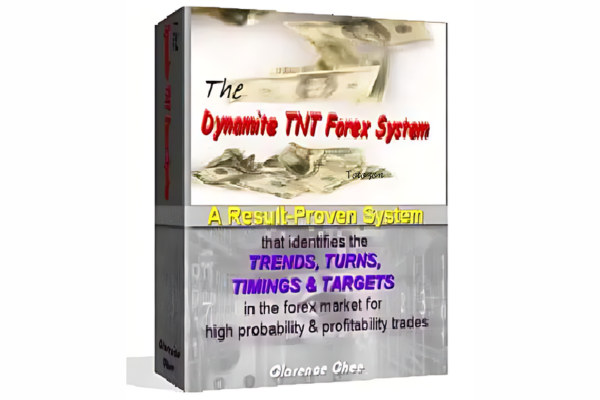 Dynamite TNT Forex System with Clarence Chee
1 × $6.00
Dynamite TNT Forex System with Clarence Chee
1 × $6.00 -
×
 The Orderflow Masterclass with PrimeTrading
1 × $17.00
The Orderflow Masterclass with PrimeTrading
1 × $17.00
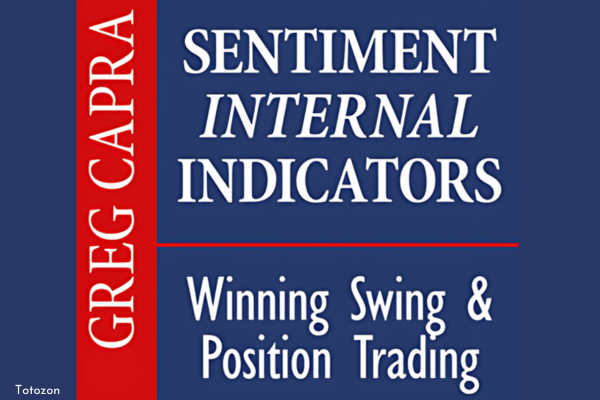
Pristine – Greg Capra – Sentiment Internal Indicators. Winning Swing & Position Trading
$6.00
File Size: Cooming soon!
Delivery Time: 1–12 hours
Media Type: Online Course
Content Proof: Watch Here!
You may check content proof of “Pristine – Greg Capra – Sentiment Internal Indicators. Winning Swing & Position Trading” below:

Pristine – Greg Capra – Sentiment Internal Indicators: Winning Swing & Position Trading
Introduction to Sentiment Analysis in Trading
In the world of trading, understanding market sentiment is as crucial as analyzing the raw data. Greg Capra, a renowned trading strategist, emphasizes the significance of sentiment internal indicators in achieving success in swing and position trading.
What are Sentiment Internal Indicators?
Sentiment internal indicators are tools that traders use to gauge the overall attitude of market participants. These indicators provide insights that are not visible through traditional technical analysis.
Importance of Sentiment Analysis
Predicting Market Movements
Understanding sentiment helps traders anticipate potential market movements based on the emotions of other traders, rather than solely on price actions.
Key Benefits
- Anticipation of Trends: Helps in predicting how long current market trends may last.
- Spotting Reversals: Indicates potential market reversals before they are visible on charts.
Greg Capra’s Approach to Sentiment Indicators
Integration with Technical Analysis
Greg Capra advocates for a blend of sentiment indicators with traditional technical tools to refine trading strategies.
How to Integrate
- Overlay Sentiment Data: Combining sentiment data with price charts for deeper insights.
- Correlation Checks: Analyzing the relationship between sentiment shifts and market movements.
Tools for Sentiment Analysis
Sentiment Indexes
These are composite readings of various sentiment indicators, providing a summarized view of market mood.
Examples of Sentiment Indexes
- Bull/Bear Ratio
- Put/Call Ratio
Social Media and News Analytics
Modern traders also analyze trends and moods from social media platforms and news outlets to gauge public sentiment.
Utilizing Technology
- Sentiment Analysis Software: Tools that quantify sentiment from textual data online.
Trading Strategies Based on Sentiment
Swing Trading with Sentiment Indicators
Swing traders can use sentiment indicators to find the best entry and exit points, maximizing their chances of profitable trades.
Strategy Tips
- Timing Entries: Entering trades when sentiment indicators show extremes.
- Exit Strategies: Exiting when sentiment begins to shift, securing profits.
Position Trading Strategies
Long-term traders utilize sentiment indicators to understand broader market trends and align their positions accordingly.
Long-Term Application
- Trend Confirmation: Using sentiment as a confirmatory tool for long-term trends.
- Risk Management: Adjusting positions based on shifts in market sentiment.
Challenges in Sentiment Analysis
Subjectivity and Bias
Interpreting sentiment data can be subjective and may lead to biased conclusions if not carefully managed.
Overcoming Bias
- Multiple Data Sources: Using varied sources of information to balance biases.
- Continuous Education: Keeping up-to-date with new tools and methods in sentiment analysis.
Conclusion
Sentiment internal indicators, as discussed by Greg Capra, are essential for traders looking to gain an edge in swing and position trading. By effectively integrating these tools with technical analysis, traders can enhance their understanding of market dynamics and improve their trading decisions.
Frequently Asked Questions
What are sentiment internal indicators?
Sentiment internal indicators are tools that help traders gauge the overall mood of the market participants.
How does Greg Capra use these indicators?
Greg Capra integrates sentiment indicators with technical analysis to enhance trading strategies for swing and position trading.
Can sentiment indicators predict market movements?
Yes, sentiment indicators can help predict potential market movements by understanding the emotions of market participants.
What are some common sentiment indicators?
Common sentiment indicators include the Bull/Bear Ratio and the Put/Call Ratio.
Are sentiment indicators infallible?
No, like all trading tools, sentiment indicators are not foolproof and should be used in conjunction with other analysis methods.
Be the first to review “Pristine – Greg Capra – Sentiment Internal Indicators. Winning Swing & Position Trading”
You must be logged in to post a review.
Related products

Original price was: $695.00.$41.00Current price is: $41.00.

Forex Trading
Original price was: $999.00.$15.00Current price is: $15.00.

Original price was: $700.00.$39.00Current price is: $39.00.

Forex Trading
Original price was: $2,000.00.$23.00Current price is: $23.00.

Forex Trading
Original price was: $697.00.$5.00Current price is: $5.00.

Original price was: $999.00.$5.00Current price is: $5.00.

Forex Trading
The Complete Guide to Multiple Time Frame Analysis & Reading Price Action with Aiman Almansoori
Original price was: $1,399.00.$13.00Current price is: $13.00.

Original price was: $997.00.$13.00Current price is: $13.00.

Original price was: $139.00.$23.00Current price is: $23.00.

Forex Trading
Original price was: $799.00.$15.00Current price is: $15.00.

Forex Trading
Original price was: $239.00.$8.00Current price is: $8.00.

Original price was: $799.00.$15.00Current price is: $15.00.

Original price was: $310.00.$23.00Current price is: $23.00.

Original price was: $649.00.$20.00Current price is: $20.00.

Forex Trading
Original price was: $850.00.$23.00Current price is: $23.00.

Original price was: $1,200.00.$23.00Current price is: $23.00.

Original price was: $997.00.$8.00Current price is: $8.00.

Forex Trading
Original price was: $2,997.00.$23.00Current price is: $23.00.

Forex Trading
Original price was: $2,995.00.$31.00Current price is: $31.00.

Original price was: $4,995.00.$15.00Current price is: $15.00.

Reviews
There are no reviews yet.