
-
×
 The 4 Horsemen CD with David Elliott
1 × $6.00
The 4 Horsemen CD with David Elliott
1 × $6.00 -
×
 Pattern Recognition: A Fundamental Introduction to Japanese Candlestick Charting Techniques Class with Jeff Bierman
1 × $6.00
Pattern Recognition: A Fundamental Introduction to Japanese Candlestick Charting Techniques Class with Jeff Bierman
1 × $6.00 -
×
 Deep Dive Butterfly Trading Strategy Class with SJG Trades
1 × $41.00
Deep Dive Butterfly Trading Strategy Class with SJG Trades
1 × $41.00 -
×
 The Dynamic Trading Master Course with Robert Miner
1 × $54.00
The Dynamic Trading Master Course with Robert Miner
1 × $54.00 -
×
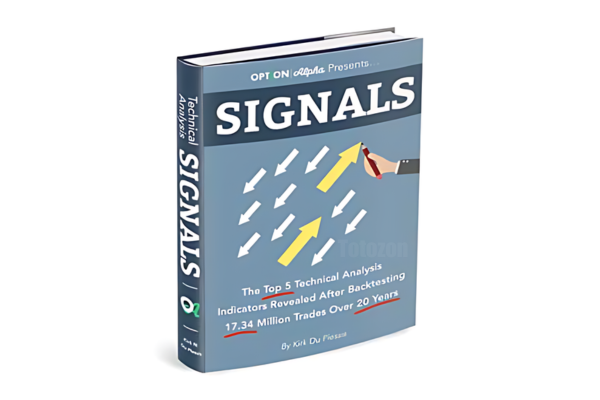 Signals
1 × $6.00
Signals
1 × $6.00 -
×
 WondaFX Signature Strategy with WondaFX
1 × $5.00
WondaFX Signature Strategy with WondaFX
1 × $5.00 -
×
 Private Access Pro Webinars 2021-2022 with Trader Lion
1 × $5.00
Private Access Pro Webinars 2021-2022 with Trader Lion
1 × $5.00 -
×
 The Orderflows Trade Opportunities Encyclopedia with Michael Valtos
1 × $8.00
The Orderflows Trade Opportunities Encyclopedia with Michael Valtos
1 × $8.00 -
×
 EFT – The Art of Delivery with Gary Craig
1 × $5.00
EFT – The Art of Delivery with Gary Craig
1 × $5.00 -
×
 Stock Investing Strategies with Maria Crawford Scott, John Bajkowski
1 × $6.00
Stock Investing Strategies with Maria Crawford Scott, John Bajkowski
1 × $6.00 -
×
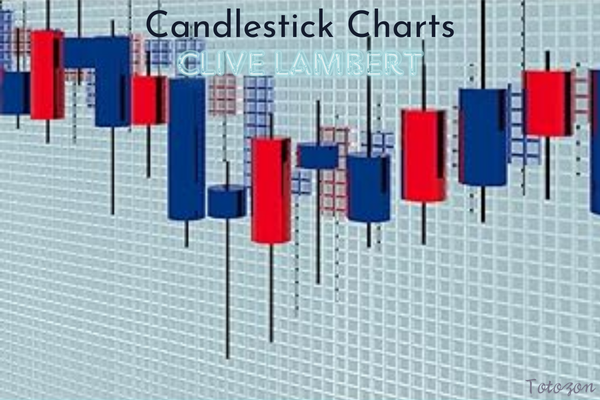 Candlestick Charts with Clive Lambert
1 × $6.00
Candlestick Charts with Clive Lambert
1 × $6.00 -
×
 Futures 101: An Introduction to Futures Contracts Class with Don Kaufman
1 × $6.00
Futures 101: An Introduction to Futures Contracts Class with Don Kaufman
1 × $6.00 -
×
 Commodities Rising: The Reality Behind the Hype and How To Really Profit in the Commodities Market - Jeffrey Christian
1 × $6.00
Commodities Rising: The Reality Behind the Hype and How To Really Profit in the Commodities Market - Jeffrey Christian
1 × $6.00 -
×
 Computational Financial Mathematics with Mathematica
1 × $6.00
Computational Financial Mathematics with Mathematica
1 × $6.00 -
×
 Order flow self-study training program with iMFtracker
1 × $10.00
Order flow self-study training program with iMFtracker
1 × $10.00 -
×
 Price Action Manual (2nd Ed.) with Bruce Gilmore
1 × $6.00
Price Action Manual (2nd Ed.) with Bruce Gilmore
1 × $6.00 -
×
 Setups of a Winning Trader with Gareth Soloway
1 × $521.00
Setups of a Winning Trader with Gareth Soloway
1 × $521.00 -
×
 Essentials Course & Day Trading Strategies with Bear Bull Traders
1 × $13.00
Essentials Course & Day Trading Strategies with Bear Bull Traders
1 × $13.00 -
×
 Crypto Trading Academy with Cheeky Investor - Aussie Day Trader
1 × $13.00
Crypto Trading Academy with Cheeky Investor - Aussie Day Trader
1 × $13.00 -
×
 The Trading Masterclass with Chris Capre
1 × $23.00
The Trading Masterclass with Chris Capre
1 × $23.00 -
×
 Floor Traders Edge Mentorship Program with Market Geeks
1 × $6.00
Floor Traders Edge Mentorship Program with Market Geeks
1 × $6.00 -
×
 Swift Trader, Perfecting the Art of DayTrading with Charles Kim
1 × $6.00
Swift Trader, Perfecting the Art of DayTrading with Charles Kim
1 × $6.00 -
×
 Andy’s EMini Bar – 60 Min System
1 × $6.00
Andy’s EMini Bar – 60 Min System
1 × $6.00 -
×
 Guidelines for Analysis and Establishing a Trading Plan with Charles Drummond
1 × $6.00
Guidelines for Analysis and Establishing a Trading Plan with Charles Drummond
1 × $6.00 -
×
 Handbook of Integral Equations with Andrei D.Polyanin, Alexander V.Manzhirov
1 × $6.00
Handbook of Integral Equations with Andrei D.Polyanin, Alexander V.Manzhirov
1 × $6.00 -
×
 The A14 Weekly Option Strategy Workshop with Amy Meissner
1 × $23.00
The A14 Weekly Option Strategy Workshop with Amy Meissner
1 × $23.00 -
×
 The Master Trader Bundle with Gareth Soloway
1 × $39.00
The Master Trader Bundle with Gareth Soloway
1 × $39.00 -
×
 FX Pips Predator
1 × $54.00
FX Pips Predator
1 × $54.00 -
×
 The Complete Guide to Multiple Time Frame Analysis & Reading Price Action with Aiman Almansoori
1 × $13.00
The Complete Guide to Multiple Time Frame Analysis & Reading Price Action with Aiman Almansoori
1 × $13.00 -
×
 Quantamentals - The Next Great Forefront Of Trading and Investing with Trading Markets
1 × $8.00
Quantamentals - The Next Great Forefront Of Trading and Investing with Trading Markets
1 × $8.00 -
×
 Advanced Pattern Recognition with John Cameron
1 × $23.00
Advanced Pattern Recognition with John Cameron
1 × $23.00 -
×
 HST Mobile
1 × $31.00
HST Mobile
1 × $31.00
Pristine – Greg Capra – Sentiment Internal Indicators. Winning Swing & Position Trading
$6.00
File Size: Cooming soon!
Delivery Time: 1–12 hours
Media Type: Online Course
Content Proof: Watch Here!
You may check content proof of “Pristine – Greg Capra – Sentiment Internal Indicators. Winning Swing & Position Trading” below:

Pristine – Greg Capra – Sentiment Internal Indicators: Winning Swing & Position Trading
Introduction to Sentiment Analysis in Trading
In the world of trading, understanding market sentiment is as crucial as analyzing the raw data. Greg Capra, a renowned trading strategist, emphasizes the significance of sentiment internal indicators in achieving success in swing and position trading.
What are Sentiment Internal Indicators?
Sentiment internal indicators are tools that traders use to gauge the overall attitude of market participants. These indicators provide insights that are not visible through traditional technical analysis.
Importance of Sentiment Analysis
Predicting Market Movements
Understanding sentiment helps traders anticipate potential market movements based on the emotions of other traders, rather than solely on price actions.
Key Benefits
- Anticipation of Trends: Helps in predicting how long current market trends may last.
- Spotting Reversals: Indicates potential market reversals before they are visible on charts.
Greg Capra’s Approach to Sentiment Indicators
Integration with Technical Analysis
Greg Capra advocates for a blend of sentiment indicators with traditional technical tools to refine trading strategies.
How to Integrate
- Overlay Sentiment Data: Combining sentiment data with price charts for deeper insights.
- Correlation Checks: Analyzing the relationship between sentiment shifts and market movements.
Tools for Sentiment Analysis
Sentiment Indexes
These are composite readings of various sentiment indicators, providing a summarized view of market mood.
Examples of Sentiment Indexes
- Bull/Bear Ratio
- Put/Call Ratio
Social Media and News Analytics
Modern traders also analyze trends and moods from social media platforms and news outlets to gauge public sentiment.
Utilizing Technology
- Sentiment Analysis Software: Tools that quantify sentiment from textual data online.
Trading Strategies Based on Sentiment
Swing Trading with Sentiment Indicators
Swing traders can use sentiment indicators to find the best entry and exit points, maximizing their chances of profitable trades.
Strategy Tips
- Timing Entries: Entering trades when sentiment indicators show extremes.
- Exit Strategies: Exiting when sentiment begins to shift, securing profits.
Position Trading Strategies
Long-term traders utilize sentiment indicators to understand broader market trends and align their positions accordingly.
Long-Term Application
- Trend Confirmation: Using sentiment as a confirmatory tool for long-term trends.
- Risk Management: Adjusting positions based on shifts in market sentiment.
Challenges in Sentiment Analysis
Subjectivity and Bias
Interpreting sentiment data can be subjective and may lead to biased conclusions if not carefully managed.
Overcoming Bias
- Multiple Data Sources: Using varied sources of information to balance biases.
- Continuous Education: Keeping up-to-date with new tools and methods in sentiment analysis.
Conclusion
Sentiment internal indicators, as discussed by Greg Capra, are essential for traders looking to gain an edge in swing and position trading. By effectively integrating these tools with technical analysis, traders can enhance their understanding of market dynamics and improve their trading decisions.
Frequently Asked Questions
What are sentiment internal indicators?
Sentiment internal indicators are tools that help traders gauge the overall mood of the market participants.
How does Greg Capra use these indicators?
Greg Capra integrates sentiment indicators with technical analysis to enhance trading strategies for swing and position trading.
Can sentiment indicators predict market movements?
Yes, sentiment indicators can help predict potential market movements by understanding the emotions of market participants.
What are some common sentiment indicators?
Common sentiment indicators include the Bull/Bear Ratio and the Put/Call Ratio.
Are sentiment indicators infallible?
No, like all trading tools, sentiment indicators are not foolproof and should be used in conjunction with other analysis methods.
Be the first to review “Pristine – Greg Capra – Sentiment Internal Indicators. Winning Swing & Position Trading”
You must be logged in to post a review.
Related products

Forex Trading
Original price was: $125.00.$17.00Current price is: $17.00.

Forex Trading
Original price was: $249.00.$15.00Current price is: $15.00.

Original price was: $497.00.$11.00Current price is: $11.00.
Original price was: $299.00.$8.00Current price is: $8.00.
Forex Trading
Original price was: $550.00.$5.00Current price is: $5.00.

Original price was: $997.00.$8.00Current price is: $8.00.

Original price was: $4,995.00.$15.00Current price is: $15.00.

Original price was: $197.00.$5.00Current price is: $5.00.

Original price was: $1,800.00.$54.00Current price is: $54.00.

Original price was: $1,849.00.$15.00Current price is: $15.00.
Forex Trading
Original price was: $1,898.00.$10.00Current price is: $10.00.

Forex Trading
Original price was: $697.00.$5.00Current price is: $5.00.

Original price was: $649.00.$20.00Current price is: $20.00.

Forex Trading
Original price was: $797.00.$10.00Current price is: $10.00.
Original price was: $997.00.$13.00Current price is: $13.00.
Forex Trading
The Complete Guide to Multiple Time Frame Analysis & Reading Price Action with Aiman Almansoori
Original price was: $1,399.00.$13.00Current price is: $13.00.

Forex Trading
Original price was: $500.00.$5.00Current price is: $5.00.

Original price was: $895.00.$15.00Current price is: $15.00.

Original price was: $450.00.$23.00Current price is: $23.00.

Original price was: $139.00.$23.00Current price is: $23.00.

Reviews
There are no reviews yet.