
-
×
 Diary of an Internet Trader with Alpesh Patel
1 × $6.00
Diary of an Internet Trader with Alpesh Patel
1 × $6.00 -
×
 Quantamentals - The Next Great Forefront Of Trading and Investing with Trading Markets
1 × $8.00
Quantamentals - The Next Great Forefront Of Trading and Investing with Trading Markets
1 × $8.00 -
×
 The Hindenburg Strategy with Todd Mitchell
1 × $23.00
The Hindenburg Strategy with Todd Mitchell
1 × $23.00 -
×
 The Precision Profit Float Indicator (TS Code & Setups) with Steve Woods
1 × $6.00
The Precision Profit Float Indicator (TS Code & Setups) with Steve Woods
1 × $6.00 -
×
 The 13-Week Cash Flow Model
1 × $15.00
The 13-Week Cash Flow Model
1 × $15.00 -
×
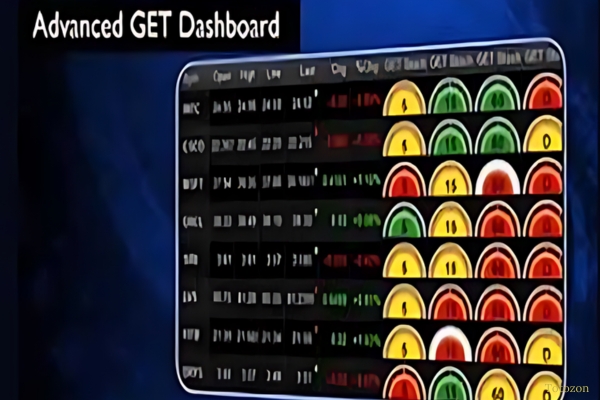 Advanced GET 8.0 EOD
1 × $6.00
Advanced GET 8.0 EOD
1 × $6.00 -
×
 Investing in 401k Plans with Cliffsnotes
1 × $6.00
Investing in 401k Plans with Cliffsnotes
1 × $6.00 -
×
 Cecil Robles Advent Forex Course & Indicators with Adventforex
1 × $6.00
Cecil Robles Advent Forex Course & Indicators with Adventforex
1 × $6.00 -
×
 Dynamic Trading Indicators with Mark W.Helweg, David C.Stendahl
1 × $6.00
Dynamic Trading Indicators with Mark W.Helweg, David C.Stendahl
1 × $6.00 -
×
 The M21 Strategy
1 × $15.00
The M21 Strategy
1 × $15.00 -
×
 How to Trade Diagonal Triangles. Superior Risk Reward Trade Setups
1 × $6.00
How to Trade Diagonal Triangles. Superior Risk Reward Trade Setups
1 × $6.00 -
×
 Order flow self-study training program with iMFtracker
1 × $10.00
Order flow self-study training program with iMFtracker
1 × $10.00 -
×
 How I Day Trade Course with Traderade
1 × $15.00
How I Day Trade Course with Traderade
1 × $15.00 -
×
 TradeCraft: Your Path to Peak Performance Trading By Adam Grimes
1 × $15.00
TradeCraft: Your Path to Peak Performance Trading By Adam Grimes
1 × $15.00 -
×
 Swing Trading Futures & Commodities with the COT
1 × $93.00
Swing Trading Futures & Commodities with the COT
1 × $93.00 -
×
 Short-Term Trading with Precision Timing - Jack Bernstein
1 × $6.00
Short-Term Trading with Precision Timing - Jack Bernstein
1 × $6.00 -
×
 Supply and Demand Video Course with JamesFXS
1 × $13.00
Supply and Demand Video Course with JamesFXS
1 × $13.00 -
×
 Super Structure Trading Home Study Course
1 × $23.00
Super Structure Trading Home Study Course
1 × $23.00 -
×
 The Trap Trade Workshop with Doc Severson
1 × $6.00
The Trap Trade Workshop with Doc Severson
1 × $6.00 -
×
 TheVWAP with Zach Hurwitz
1 × $5.00
TheVWAP with Zach Hurwitz
1 × $5.00 -
×
 The Indices Orderflow Masterclass with The Forex Scalpers
1 × $23.00
The Indices Orderflow Masterclass with The Forex Scalpers
1 × $23.00 -
×
 Consistent Small Account Growth Formula with Matt Williamson
1 × $6.00
Consistent Small Account Growth Formula with Matt Williamson
1 × $6.00 -
×
 How Do You Read Charts? A Guide to Classic Price Pattern Recognition Class with Professor Jeff Bierman
1 × $6.00
How Do You Read Charts? A Guide to Classic Price Pattern Recognition Class with Professor Jeff Bierman
1 × $6.00 -
×
 Complete Trading Course with Sean Dekmar
1 × $5.00
Complete Trading Course with Sean Dekmar
1 × $5.00 -
×
 Gann’s Scientific Methods Unveiled (Vol I, II)
1 × $6.00
Gann’s Scientific Methods Unveiled (Vol I, II)
1 × $6.00 -
×
 Starter Guide to Investing Stocks, Crypto & Precious Metals with Ryan Hogue
1 × $5.00
Starter Guide to Investing Stocks, Crypto & Precious Metals with Ryan Hogue
1 × $5.00 -
×
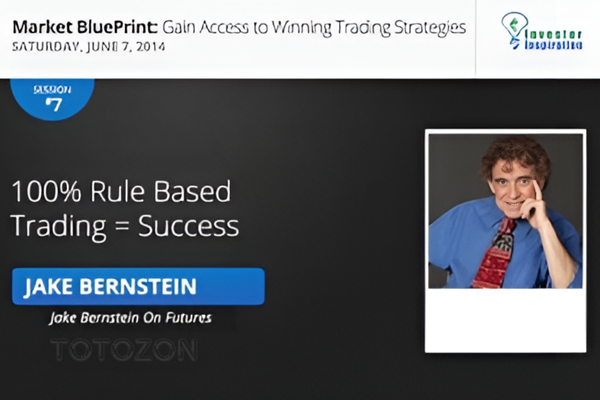 High Probability Patterns and Rule Based Trading with Jake Bernstein
1 × $6.00
High Probability Patterns and Rule Based Trading with Jake Bernstein
1 × $6.00 -
×
 Secret Weapon to Trading Options on ETF's Class with Don Kaufman
1 × $6.00
Secret Weapon to Trading Options on ETF's Class with Don Kaufman
1 × $6.00 -
×
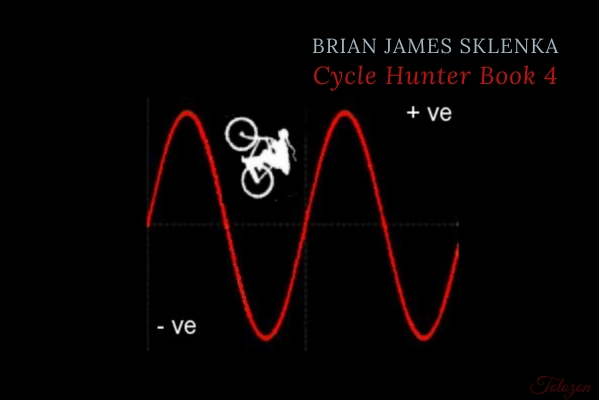 Cycle Hunter Book 4 with Brian James Sklenka
1 × $6.00
Cycle Hunter Book 4 with Brian James Sklenka
1 × $6.00 -
×
 TECHNICAL ANALYSIS MODULE
1 × $6.00
TECHNICAL ANALYSIS MODULE
1 × $6.00 -
×
 Developing a Forex Trading Plan Webinar
1 × $6.00
Developing a Forex Trading Plan Webinar
1 × $6.00 -
×
 Futures 101: An Introduction to Futures Contracts Class with Don Kaufman
1 × $6.00
Futures 101: An Introduction to Futures Contracts Class with Don Kaufman
1 × $6.00 -
×
 Capital Asset Investment with Anthony F.Herbst
1 × $6.00
Capital Asset Investment with Anthony F.Herbst
1 × $6.00 -
×
 SQX Mentorship with Tip Toe Hippo
1 × $23.00
SQX Mentorship with Tip Toe Hippo
1 × $23.00 -
×
 The 30-Day Cash Flow Blueprint with Andy Tanner
1 × $31.00
The 30-Day Cash Flow Blueprint with Andy Tanner
1 × $31.00 -
×
 Simple Cyclical Analysis with Stan Erlich
1 × $6.00
Simple Cyclical Analysis with Stan Erlich
1 × $6.00 -
×
 The Day Trading ES Futures Blueprint Class with Corey Rosenbloom
1 × $6.00
The Day Trading ES Futures Blueprint Class with Corey Rosenbloom
1 × $6.00 -
×
 Trading Mindset, and Three Steps To Profitable Trading with Bruce Banks
1 × $6.00
Trading Mindset, and Three Steps To Profitable Trading with Bruce Banks
1 × $6.00 -
×
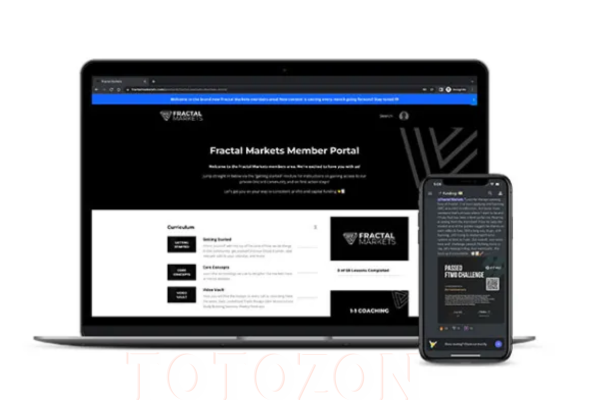 Fractal Markets SFX with Tyson Bieniek
1 × $5.00
Fractal Markets SFX with Tyson Bieniek
1 × $5.00 -
×
 Pristine Seminar - Options Trading the Pristine Way
1 × $6.00
Pristine Seminar - Options Trading the Pristine Way
1 × $6.00 -
×
 Ron Wagner – Creating a Profitable Trading & Investing Plan. 6 Key Components with Pristine
1 × $4.00
Ron Wagner – Creating a Profitable Trading & Investing Plan. 6 Key Components with Pristine
1 × $4.00 -
×
 A Conservative Plan to Make $3K Monthly on $25K with Dan Sheridan – Sheridan Options Mentoring
1 × $23.00
A Conservative Plan to Make $3K Monthly on $25K with Dan Sheridan – Sheridan Options Mentoring
1 × $23.00 -
×
 Andy’s EMini Bar – 60 Min System
1 × $6.00
Andy’s EMini Bar – 60 Min System
1 × $6.00 -
×
 Steve Jobs. The Greatest Second Act in the History of Business with Young Simon
1 × $6.00
Steve Jobs. The Greatest Second Act in the History of Business with Young Simon
1 × $6.00 -
×
 Bulletproof Butterflies 2.0 2022 (PREMIUM) with Bruce Marshall
1 × $23.00
Bulletproof Butterflies 2.0 2022 (PREMIUM) with Bruce Marshall
1 × $23.00 -
×
 Fundamentals of Futures & Options Markets (4th Ed.)
1 × $6.00
Fundamentals of Futures & Options Markets (4th Ed.)
1 × $6.00 -
×
 Technical Timing Patterns
1 × $6.00
Technical Timing Patterns
1 × $6.00 -
×
 The Psychology of Investing with John Nofsinger
1 × $6.00
The Psychology of Investing with John Nofsinger
1 × $6.00 -
×
 7 Days Options Masters Course with John Carter
1 × $54.00
7 Days Options Masters Course with John Carter
1 × $54.00 -
×
 The Cycles and The Codes with Myles Wilson-Walker
1 × $15.00
The Cycles and The Codes with Myles Wilson-Walker
1 × $15.00 -
×
 Becoming a Disciplined Trader: Techniques for Achieving Peak Trading Performance with Ari Kiev
1 × $6.00
Becoming a Disciplined Trader: Techniques for Achieving Peak Trading Performance with Ari Kiev
1 × $6.00 -
×
 Day Trading Smart Right From the Start: Trading Essentials for Maximum Results - David Nassar & John Boyer
1 × $6.00
Day Trading Smart Right From the Start: Trading Essentials for Maximum Results - David Nassar & John Boyer
1 × $6.00 -
×
 Advanced Trading Course with DovyFX
1 × $5.00
Advanced Trading Course with DovyFX
1 × $5.00

Sell & Sell Short with Alexander Elder
$6.00
File Size: Cooming soon!
Delivery Time: 1–12 hours
Media Type: Online Course
Content Proof: Watch Here!
You may check content proof of “Sell & Sell Short with Alexander Elder” below:

Sell & Sell Short with Alexander Elder
Introduction
Understanding the art of selling and short selling in the financial markets can be daunting. Dr. Alexander Elder, a renowned trader and author, demystifies these concepts in his book “Sell & Sell Short.” This guide explores the key principles and strategies outlined by Elder, providing insights into mastering these crucial trading techniques.
Who is Alexander Elder?
Background and Expertise
Dr. Alexander Elder is not just a trader but also a psychiatrist. His unique background provides him with an edge in understanding the psychology of trading, which he extensively covers in his works. His insights are not only technical but also delve deep into the mindset required for successful trading.
Notable Works
Elder’s books, such as “Trading for a Living” and “Come Into My Trading Room,” have become staples for traders worldwide. “Sell & Sell Short” is another gem that specifically addresses the critical aspects of selling in trading.
Understanding Selling in Trading
The Importance of Selling
Selling is as crucial as buying in trading. It determines the realization of profits and the minimization of losses. Elder emphasizes the need for a strategic approach to selling to ensure trading success.
Types of Selling
- Selling to Take Profit: Exiting a profitable position to secure gains.
- Selling to Cut Losses: Exiting a losing position to prevent further losses.
- Selling Short: Selling borrowed stocks with the intention to buy them back at a lower price.
Short Selling Explained
What is Short Selling?
Short selling involves borrowing a security and selling it, hoping to repurchase it at a lower price. This strategy is used when a trader anticipates a decline in the price of the security.
How Short Selling Works
- Borrowing Shares: The trader borrows shares from a broker.
- Selling Shares: The borrowed shares are sold at the current market price.
- Repurchasing Shares: The trader buys back the shares at a lower price.
- Returning Shares: The borrowed shares are returned to the broker, and the difference in price is the trader’s profit.
Strategies for Effective Selling
Technical Analysis
Elder stresses the importance of technical analysis in deciding when to sell. Indicators such as moving averages, RSI (Relative Strength Index), and MACD (Moving Average Convergence Divergence) are vital tools.
Setting Targets
- Profit Targets: Pre-determined levels at which to exit a trade to secure profits.
- Stop-Loss Orders: Pre-determined levels at which to exit a trade to prevent further losses.
Psychological Factors
Understanding the psychology behind trading decisions is critical. Fear and greed can cloud judgment, leading to premature selling or holding onto losing positions.
Key Takeaways from Elder’s Book
The Three Ms: Mind, Method, and Money
- Mind: The psychological aspect of trading.
- Method: The trading system or strategy.
- Money: Risk management and capital allocation.
The Importance of Discipline
Elder highlights discipline as a cornerstone of successful trading. Sticking to a well-defined trading plan and resisting emotional impulses is crucial.
Risk Management
Effective risk management strategies, such as position sizing and diversification, are emphasized to protect capital and ensure long-term success.
Practical Examples
Case Study: Successful Sell
A trader uses technical analysis to identify an overbought condition in a stock. Setting a profit target and a stop-loss, the trader exits at the peak, securing significant profits.
Case Study: Effective Short Sell
A trader anticipates a market downturn. By borrowing and selling shares, the trader capitalizes on the decline, buying back at a lower price and making a profit.
Conclusion
Mastering the art of selling and short selling, as taught by Alexander Elder, can significantly enhance trading performance. By combining technical analysis, disciplined strategies, and psychological insights, traders can navigate the complexities of the market with confidence.
FAQs
1. What is the main focus of “Sell & Sell Short” by Alexander Elder?
The book primarily focuses on strategies for selling to maximize profits and minimize losses, as well as techniques for short selling.
2. Why is short selling considered risky?
Short selling is risky because it involves the potential for unlimited losses if the stock price rises instead of falls.
3. How can technical analysis help in selling decisions?
Technical analysis provides signals and trends that help traders identify the best times to sell, ensuring better decision-making.
4. What psychological factors affect selling decisions?
Fear and greed are the primary psychological factors that can lead to premature selling or holding onto losing positions longer than advisable.
5. How does Elder’s background in psychiatry influence his trading strategies?
Elder’s understanding of human psychology allows him to offer unique insights into the emotional aspects of trading, helping traders manage their mental state effectively.
Be the first to review “Sell & Sell Short with Alexander Elder”
You must be logged in to post a review.
Related products

Forex Trading
The Complete Guide to Multiple Time Frame Analysis & Reading Price Action with Aiman Almansoori
Original price was: $1,399.00.$13.00Current price is: $13.00.

Forex Trading
Original price was: $550.00.$5.00Current price is: $5.00.

Original price was: $1,200.00.$23.00Current price is: $23.00.

Forex Trading
Original price was: $1,098.00.$39.00Current price is: $39.00.

Original price was: $310.00.$23.00Current price is: $23.00.

Original price was: $197.00.$5.00Current price is: $5.00.

Forex Trading
Original price was: $697.00.$5.00Current price is: $5.00.

Forex Trading
Original price was: $2,000.00.$23.00Current price is: $23.00.

Original price was: $700.00.$39.00Current price is: $39.00.
Forex Trading
Original price was: $2,997.00.$23.00Current price is: $23.00.
Forex Trading
Original price was: $1,898.00.$10.00Current price is: $10.00.

Forex Trading
Original price was: $799.00.$15.00Current price is: $15.00.

Original price was: $2,120.00.$15.00Current price is: $15.00.
Original price was: $4,995.00.$15.00Current price is: $15.00.

Forex Trading
Original price was: $397.00.$31.00Current price is: $31.00.

Forex Trading
Original price was: $499.00.$15.00Current price is: $15.00.

Forex Trading
Original price was: $4,997.00.$27.00Current price is: $27.00.

Original price was: $695.00.$41.00Current price is: $41.00.

Forex Trading
Original price was: $500.00.$5.00Current price is: $5.00.

Original price was: $497.00.$31.00Current price is: $31.00.

Reviews
There are no reviews yet.