
-
×
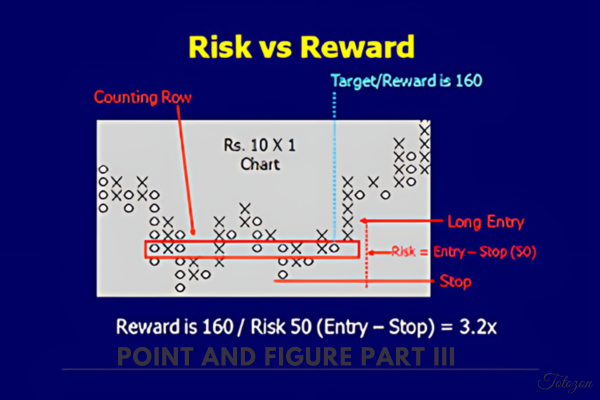 Point And Figure Part III By Bruce Fraser & Roman Bogomazov - Wyckoff Analytics
1 × $23.00
Point And Figure Part III By Bruce Fraser & Roman Bogomazov - Wyckoff Analytics
1 × $23.00 -
×
 EasyLanguage Home Study Course PDF Book + CD
1 × $6.00
EasyLanguage Home Study Course PDF Book + CD
1 × $6.00 -
×
 Home Run Options Trading Course with Dave Aquino - Base Camp Trading
1 × $11.00
Home Run Options Trading Course with Dave Aquino - Base Camp Trading
1 × $11.00 -
×
 Compass Trading System with Right Line Trading
1 × $39.00
Compass Trading System with Right Line Trading
1 × $39.00 -
×
 Stacey Pigmentation Mentorship
1 × $17.00
Stacey Pigmentation Mentorship
1 × $17.00 -
×
 Spyglass LSS Day Trading Workshop
1 × $15.00
Spyglass LSS Day Trading Workshop
1 × $15.00 -
×
 Evolve MasterClass with Irek Piekarski
1 × $13.00
Evolve MasterClass with Irek Piekarski
1 × $13.00 -
×
 Activedaytrader - Workshop: Unusual Options
1 × $6.00
Activedaytrader - Workshop: Unusual Options
1 × $6.00 -
×
 Scalp Strategy and Flipping Small Accounts with Opes Trading Group
1 × $5.00
Scalp Strategy and Flipping Small Accounts with Opes Trading Group
1 × $5.00 -
×
 Index Funds with Mark Hebner
1 × $6.00
Index Funds with Mark Hebner
1 × $6.00 -
×
 The Python for Traders Masterclass with Mr James
1 × $10.00
The Python for Traders Masterclass with Mr James
1 × $10.00 -
×
 Evolved Trader with Mark Croock
1 × $69.00
Evolved Trader with Mark Croock
1 × $69.00 -
×
 LARGE CAP MOMENTUM STRATEGY with Nick Radge
1 × $179.00
LARGE CAP MOMENTUM STRATEGY with Nick Radge
1 × $179.00 -
×
 The Money Flow Trading System: A Profitable Trend Following System So Easy You Can Run it On Your Phone! (English Edition) (Kindle) - Bernd Traxl
1 × $6.00
The Money Flow Trading System: A Profitable Trend Following System So Easy You Can Run it On Your Phone! (English Edition) (Kindle) - Bernd Traxl
1 × $6.00 -
×
 Butterfly and Condor Workshop with Aeromir
1 × $15.00
Butterfly and Condor Workshop with Aeromir
1 × $15.00 -
×
 Profit Trading VIX Options Course with Don Kaufman
1 × $6.00
Profit Trading VIX Options Course with Don Kaufman
1 × $6.00 -
×
 Power Cycle Trading - Boot Camp for Swing Trading
1 × $6.00
Power Cycle Trading - Boot Camp for Swing Trading
1 × $6.00 -
×
 Carter FX 2.0 with CFX University
1 × $5.00
Carter FX 2.0 with CFX University
1 × $5.00 -
×
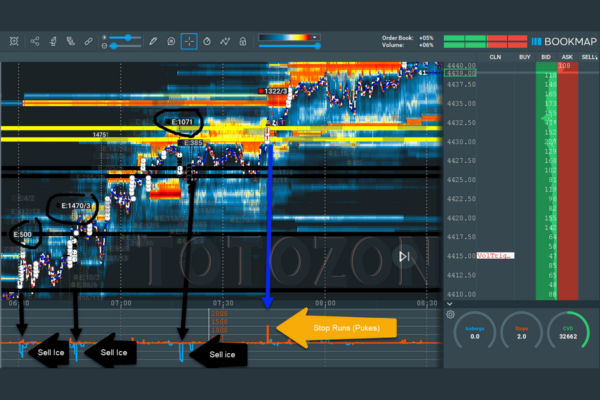 SI Indicator Course 2023 with Scott Pulcini
1 × $15.00
SI Indicator Course 2023 with Scott Pulcini
1 × $15.00 -
×
 4 Day Trading Bootcamp
1 × $31.00
4 Day Trading Bootcamp
1 × $31.00 -
×
 Technical Analysis 201: From Chart Setups to Trading Execution Methodology Class with Jeff Bierman
1 × $6.00
Technical Analysis 201: From Chart Setups to Trading Execution Methodology Class with Jeff Bierman
1 × $6.00 -
×
 The City Traders Course with Andrew Lockwood
1 × $10.00
The City Traders Course with Andrew Lockwood
1 × $10.00 -
×
 Jack Corsellis Bundle 2021 Full Course with Jack Corsellis
1 × $5.00
Jack Corsellis Bundle 2021 Full Course with Jack Corsellis
1 × $5.00 -
×
 Get Rich with Dividends
1 × $6.00
Get Rich with Dividends
1 × $6.00 -
×
 Dynamic Support and Resistance Indicator for MT4
1 × $23.00
Dynamic Support and Resistance Indicator for MT4
1 × $23.00 -
×
 The Student Guide to Minitab Release 14 with John McKenzie, Robert Goldman
1 × $6.00
The Student Guide to Minitab Release 14 with John McKenzie, Robert Goldman
1 × $6.00 -
×
 High Reward Low Risk Forex Trading with Jarratt Davis and Vic Noble
1 × $6.00
High Reward Low Risk Forex Trading with Jarratt Davis and Vic Noble
1 × $6.00 -
×
 B.O.S.S. Carbon with Pat Mitchell – Trick Trades
1 × $8.00
B.O.S.S. Carbon with Pat Mitchell – Trick Trades
1 × $8.00 -
×
 Field of Vision Program – Digital Download
1 × $31.00
Field of Vision Program – Digital Download
1 × $31.00 -
×
 The Complete Guide to Multiple Time Frame Analysis & Reading Price Action with Aiman Almansoori
1 × $13.00
The Complete Guide to Multiple Time Frame Analysis & Reading Price Action with Aiman Almansoori
1 × $13.00 -
×
 Learn to Trade Course with Mike Aston
1 × $6.00
Learn to Trade Course with Mike Aston
1 × $6.00 -
×
 VintagEducation - The Fast Track Forex Bootcamp
1 × $6.00
VintagEducation - The Fast Track Forex Bootcamp
1 × $6.00 -
×
 Larry Connors Professional Day Trading for Success Program
1 × $62.00
Larry Connors Professional Day Trading for Success Program
1 × $62.00 -
×
 The Mathematics of Money Management. Risk Analysis Techniques for Traders
1 × $6.00
The Mathematics of Money Management. Risk Analysis Techniques for Traders
1 × $6.00 -
×
 Introduction to the Elliot Wave Principle Seminar - Robert Prechter
1 × $6.00
Introduction to the Elliot Wave Principle Seminar - Robert Prechter
1 × $6.00 -
×
 B.O.S.S. SPY Sniper with Pat Mitchell – Trick Trades
1 × $39.00
B.O.S.S. SPY Sniper with Pat Mitchell – Trick Trades
1 × $39.00 -
×
 IRON CONDORS FOR INCOME 2017 with Sheridan Options Mentoring
1 × $6.00
IRON CONDORS FOR INCOME 2017 with Sheridan Options Mentoring
1 × $6.00 -
×
 The Decision-Making Process and Forward with Peter Steidlmayer
1 × $4.00
The Decision-Making Process and Forward with Peter Steidlmayer
1 × $4.00 -
×
 How to Trade in Stocks
1 × $6.00
How to Trade in Stocks
1 × $6.00 -
×
 Starting Out in Futures Trading with Mark Powers
1 × $6.00
Starting Out in Futures Trading with Mark Powers
1 × $6.00 -
×
 Enhancing Trader Performance with Brett Steenbarger
1 × $6.00
Enhancing Trader Performance with Brett Steenbarger
1 × $6.00 -
×
 Electronic Trading "TNT" III Technical Trading Stuff with Joe Ross & Mark Cherlin
1 × $6.00
Electronic Trading "TNT" III Technical Trading Stuff with Joe Ross & Mark Cherlin
1 × $6.00 -
×
 Bank Financial Model with Cash Flow Investing Pro
1 × $15.00
Bank Financial Model with Cash Flow Investing Pro
1 × $15.00 -
×
 High Yield Investments I & II with Lance Spicer
1 × $6.00
High Yield Investments I & II with Lance Spicer
1 × $6.00 -
×
 The Complete Penny Stock Course: Learn How To Generate Profits Consistently By Trading Penny Stocks With Jamil Ben Alluch
1 × $6.00
The Complete Penny Stock Course: Learn How To Generate Profits Consistently By Trading Penny Stocks With Jamil Ben Alluch
1 × $6.00 -
×
 Magical Forex Trading System
1 × $6.00
Magical Forex Trading System
1 × $6.00 -
×
 The Tickmaster Indicator with Alphashark
1 × $54.00
The Tickmaster Indicator with Alphashark
1 × $54.00 -
×
 CANDLESTICKS APPLIED with Steve Nison & Syl Desaulniers - Candle Charts
1 × $15.00
CANDLESTICKS APPLIED with Steve Nison & Syl Desaulniers - Candle Charts
1 × $15.00 -
×
 Bulls on Wall Street Mentorship
1 × $31.00
Bulls on Wall Street Mentorship
1 × $31.00 -
×
 Golden Pips Generator - DMA HACK with Hooman
1 × $62.00
Golden Pips Generator - DMA HACK with Hooman
1 × $62.00 -
×
 Design for Six Sigma with Subir Chowdhury
1 × $6.00
Design for Six Sigma with Subir Chowdhury
1 × $6.00 -
×
 ICT Prodigy Trading Course – $650K in Payouts with Alex Solignani
1 × $15.00
ICT Prodigy Trading Course – $650K in Payouts with Alex Solignani
1 × $15.00 -
×
 Trading Short TermSame Day Trades Sep 2023 with Dan Sheridan & Mark Fenton - Sheridan Options Mentoring
1 × $31.00
Trading Short TermSame Day Trades Sep 2023 with Dan Sheridan & Mark Fenton - Sheridan Options Mentoring
1 × $31.00 -
×
 Trading Dave Landry’s Ultimate Bow Ties Strategy with Dave Landry
1 × $6.00
Trading Dave Landry’s Ultimate Bow Ties Strategy with Dave Landry
1 × $6.00 -
×
 Marber on Markets – How to Make Money from Charts with Brian Marber
1 × $6.00
Marber on Markets – How to Make Money from Charts with Brian Marber
1 × $6.00 -
×
 The Prop Trading Code with Brannigan Barrett - Axia Futures
1 × $23.00
The Prop Trading Code with Brannigan Barrett - Axia Futures
1 × $23.00

How to be a Sector Investor with Larry Hungerford & Steve Hungerford
$4.00
File Size: Coming soon!
Delivery Time: 1–12 hours
Media Type: Online Course
Content Proof: Watch Here!
You may check content proof of “How to be a Sector Investor with Larry Hungerford & Steve Hungerford” below:

How to be a Sector Investor with Larry Hungerford & Steve Hungerford
Introduction
Investing can be a complex and daunting task, but focusing on specific sectors can simplify the process and enhance your potential for returns. Larry Hungerford and Steve Hungerford have mastered the art of sector investing, offering valuable insights and strategies. In this article, we will explore how to be a successful sector investor with guidance from these experts.
Understanding Sector Investing
What is Sector Investing?
Sector investing involves allocating your investment portfolio into specific sectors of the economy, such as technology, healthcare, or energy. This strategy aims to capitalize on the growth potential within particular industries.
Benefits of Sector Investing
- Diversification: Spread risk across various sectors.
- Targeted Growth: Focus on high-growth industries.
- Strategic Allocation: Allocate resources based on market trends.
Larry and Steve Hungerford: Pioneers in Sector Investing
Who are Larry and Steve Hungerford?
Larry and Steve Hungerford are renowned investment advisors with decades of experience. They have developed a reputation for their expertise in sector investing, helping clients achieve significant returns.
Their Investment Philosophy
The Hungerfords emphasize a disciplined approach to investing, focusing on thorough research, market analysis, and strategic allocation.
Key Concepts in Sector Investing
1. Identifying Key Sectors
Importance of Sector Analysis
Analyzing various sectors helps identify which industries have the potential for growth. This involves studying economic trends, technological advancements, and consumer behavior.
High-Growth Sectors
- Technology: Rapid innovation and digital transformation.
- Healthcare: Aging population and medical advancements.
- Renewable Energy: Shift towards sustainable energy sources.
2. Analyzing Market Trends
Understanding Market Cycles
Markets move in cycles, and different sectors perform better at different stages. Recognizing these cycles can enhance your investment strategy.
Using Technical Analysis
Technical analysis tools, such as moving averages and trend lines, help identify market trends and make informed decisions.
3. Diversifying Your Portfolio
Why Diversification Matters
Diversification reduces risk by spreading investments across various sectors. This strategy minimizes the impact of poor performance in any single sector.
How to Diversify
- Invest in Multiple Sectors: Allocate funds across various industries.
- Use Sector ETFs: Exchange-traded funds (ETFs) offer a convenient way to diversify.
Developing a Sector Investment Strategy
1. Setting Investment Goals
Define your investment objectives, whether it’s long-term growth, income generation, or capital preservation. Clear goals will guide your sector selection and allocation.
2. Conducting Thorough Research
Research is crucial for identifying promising sectors. Utilize financial reports, industry analyses, and expert opinions to make informed decisions.
3. Creating a Balanced Portfolio
Balance your portfolio by investing in a mix of sectors. Consider factors such as sector growth potential, risk level, and economic conditions.
4. Monitoring and Adjusting
Regularly review your portfolio to ensure it aligns with your investment goals. Adjust your allocations based on market performance and changing economic conditions.
Practical Tips for Sector Investing
1. Stay Informed
Keep up-to-date with market news and trends. Subscribe to financial news outlets, follow industry blogs, and participate in investment forums.
2. Be Patient
Sector investing is a long-term strategy. Be patient and avoid making impulsive decisions based on short-term market fluctuations.
3. Leverage Professional Advice
Consider consulting with financial advisors like Larry and Steve Hungerford to gain expert insights and refine your investment strategy.
4. Use Investment Tools
Utilize online tools and platforms for research, analysis, and portfolio management. These resources can enhance your decision-making process.
Common Mistakes to Avoid
1. Overconcentration
Avoid putting too much of your portfolio into a single sector. This increases risk and can lead to significant losses if that sector underperforms.
2. Ignoring Market Trends
Failing to recognize and adapt to market trends can result in missed opportunities. Stay informed and be prepared to adjust your strategy as needed.
3. Lack of Diversification
Not diversifying your investments can expose you to unnecessary risk. Spread your investments across multiple sectors to mitigate potential losses.
Tools and Resources for Sector Investing
1. Sector ETFs
Sector ETFs provide exposure to specific industries, allowing for easy diversification and targeted investment.
2. Financial News Platforms
Platforms like Bloomberg, Reuters, and CNBC offer real-time news and analysis, keeping you informed about market developments.
3. Investment Research Tools
Tools like Morningstar and Yahoo Finance provide in-depth research and analysis, helping you make informed investment decisions.
Conclusion
Sector investing offers a strategic approach to capitalizing on the growth potential of specific industries. By following the guidance of Larry and Steve Hungerford, you can develop a disciplined investment strategy that leverages market trends and diversification. Remember to stay informed, be patient, and use professional advice to enhance your sector investing success.
FAQs
1. What is sector investing?
Sector investing involves allocating your investment portfolio into specific sectors of the economy to capitalize on growth within particular industries.
2. Who are Larry and Steve Hungerford?
Larry and Steve Hungerford are renowned investment advisors known for their expertise in sector investing.
3. How can I diversify my portfolio in sector investing?
Diversify by investing in multiple sectors and using sector ETFs to spread risk across various industries.
4. Why is diversification important in sector investing?
Diversification reduces risk by minimizing the impact of poor performance in any single sector, enhancing the overall stability of your portfolio.
5. What tools can help with sector investing?
Sector ETFs, financial news platforms, and investment research tools are essential for effective sector investing.
Be the first to review “How to be a Sector Investor with Larry Hungerford & Steve Hungerford”
You must be logged in to post a review.
Related products

Forex Trading
Original price was: $239.00.$8.00Current price is: $8.00.

Original price was: $497.00.$31.00Current price is: $31.00.

Original price was: $1,800.00.$54.00Current price is: $54.00.

Forex Trading
Original price was: $2,997.00.$23.00Current price is: $23.00.
Forex Trading
Original price was: $799.00.$15.00Current price is: $15.00.

Forex Trading
Original price was: $1,898.00.$10.00Current price is: $10.00.

Forex Trading
Original price was: $2,000.00.$23.00Current price is: $23.00.

Forex Trading
Original price was: $697.00.$5.00Current price is: $5.00.

Forex Trading
Quantamentals – The Next Great Forefront Of Trading and Investing with Trading Markets
Original price was: $1,495.00.$8.00Current price is: $8.00.
Original price was: $1,200.00.$23.00Current price is: $23.00.
Forex Trading
The Complete Guide to Multiple Time Frame Analysis & Reading Price Action with Aiman Almansoori
Original price was: $1,399.00.$13.00Current price is: $13.00.
Original price was: $2,120.00.$15.00Current price is: $15.00.

Original price was: $450.00.$23.00Current price is: $23.00.

Original price was: $695.00.$41.00Current price is: $41.00.

Forex Trading
Original price was: $797.00.$10.00Current price is: $10.00.
Original price was: $497.00.$11.00Current price is: $11.00.
Forex Trading
Original price was: $397.00.$31.00Current price is: $31.00.

Original price was: $997.00.$8.00Current price is: $8.00.
Original price was: $999.00.$5.00Current price is: $5.00.

Forex Trading
Original price was: $4,997.00.$27.00Current price is: $27.00.

Reviews
There are no reviews yet.