
-
×
 Hit The Mark Trading - Boot Camp 2016 Courses
1 × $23.00
Hit The Mark Trading - Boot Camp 2016 Courses
1 × $23.00 -
×
 VectorVest - Options Course - 4 CD Course + PDF Workbook
1 × $6.00
VectorVest - Options Course - 4 CD Course + PDF Workbook
1 × $6.00 -
×
 LT Gamma Confirmation
1 × $23.00
LT Gamma Confirmation
1 × $23.00 -
×
 Principles of Artificial Neural Networks (2nd Ed.) with Daniel Graupe
1 × $6.00
Principles of Artificial Neural Networks (2nd Ed.) with Daniel Graupe
1 × $6.00 -
×
 Understanding Wall Street (4th Ed.) with Jeffrey Little
1 × $6.00
Understanding Wall Street (4th Ed.) with Jeffrey Little
1 × $6.00 -
×
 0 DTE Options Trading Workshop with Aeromir Corporation
1 × $15.00
0 DTE Options Trading Workshop with Aeromir Corporation
1 × $15.00 -
×
 Price Action and Orderflow Course with Young Tilopa
1 × $17.00
Price Action and Orderflow Course with Young Tilopa
1 × $17.00 -
×
 John Bollinger on Bollinger Bands
1 × $6.00
John Bollinger on Bollinger Bands
1 × $6.00 -
×
 The Complete Options Trading Course (New 2019) with Wealthy Education
1 × $6.00
The Complete Options Trading Course (New 2019) with Wealthy Education
1 × $6.00 -
×
 Field of Vision Program – Digital Download
1 × $31.00
Field of Vision Program – Digital Download
1 × $31.00 -
×
 Tornado Trend Trading System with John Bartlett
1 × $6.00
Tornado Trend Trading System with John Bartlett
1 × $6.00 -
×
 Options Foundations Class
1 × $23.00
Options Foundations Class
1 × $23.00 -
×
 Matrix Options
1 × $6.00
Matrix Options
1 × $6.00 -
×
 JokerSZN Course with David
1 × $20.00
JokerSZN Course with David
1 × $20.00 -
×
 Falcon FX Pro
1 × $31.00
Falcon FX Pro
1 × $31.00 -
×
 KojoForex Goat Strategy with Kojo Forex Academy
1 × $20.00
KojoForex Goat Strategy with Kojo Forex Academy
1 × $20.00 -
×
 How I Make A Living Daytrading Stocks with David Floyd
1 × $4.00
How I Make A Living Daytrading Stocks with David Floyd
1 × $4.00 -
×
 The Newsbeat Bandit Program with Mark Melnick - T3 Live
1 × $6.00
The Newsbeat Bandit Program with Mark Melnick - T3 Live
1 × $6.00 -
×
 Master Market Movement – Elite Course with Refocus Trading
1 × $5.00
Master Market Movement – Elite Course with Refocus Trading
1 × $5.00 -
×
 Be Smart, Act Fast, Get Rich with Charles Payne
1 × $6.00
Be Smart, Act Fast, Get Rich with Charles Payne
1 × $6.00 -
×
 Trade from Anywhere
1 × $6.00
Trade from Anywhere
1 × $6.00 -
×
 Currency Trading and Intermarket Analysis
1 × $6.00
Currency Trading and Intermarket Analysis
1 × $6.00 -
×
 Learn Plan Profit – How To Trade Stocks
1 × $15.00
Learn Plan Profit – How To Trade Stocks
1 × $15.00 -
×
 Leading Indicators
1 × $23.00
Leading Indicators
1 × $23.00 -
×
 Price Action Room - The Scalper’s Boot Camp
1 × $15.00
Price Action Room - The Scalper’s Boot Camp
1 × $15.00 -
×
 How To Trade Fundamental News Release 2022 with Patrick Muke
1 × $6.00
How To Trade Fundamental News Release 2022 with Patrick Muke
1 × $6.00 -
×
 How to Make Money with Real State Options with Thomas Lucier
1 × $6.00
How to Make Money with Real State Options with Thomas Lucier
1 × $6.00 -
×
 FOREX TRADING: Beginner's Course To Becoming A Top Trader with Karen Foo
1 × $6.00
FOREX TRADING: Beginner's Course To Becoming A Top Trader with Karen Foo
1 × $6.00 -
×
 Qualitative - Financial Statement Analysis with Sandesh Banger
1 × $5.00
Qualitative - Financial Statement Analysis with Sandesh Banger
1 × $5.00 -
×
 FluxOrion By Back To The Future Trading
1 × $6.00
FluxOrion By Back To The Future Trading
1 × $6.00 -
×
 Daytraders Survival Guide with Christopher Farrell
1 × $6.00
Daytraders Survival Guide with Christopher Farrell
1 × $6.00 -
×
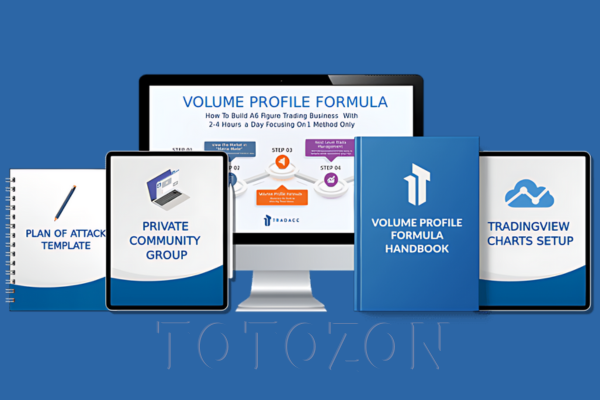 Volume Profile Formula with Aaron Korbs
1 × $5.00
Volume Profile Formula with Aaron Korbs
1 × $5.00 -
×
 TradeCraft: Your Path to Peak Performance Trading By Adam Grimes
1 × $15.00
TradeCraft: Your Path to Peak Performance Trading By Adam Grimes
1 × $15.00 -
×
 Julian Robertson: A Tiger in the Land of Bulls and Bears with Daniel Strachman
1 × $6.00
Julian Robertson: A Tiger in the Land of Bulls and Bears with Daniel Strachman
1 × $6.00 -
×
 Options Trading Course with Consistent Options Income
1 × $5.00
Options Trading Course with Consistent Options Income
1 × $5.00 -
×
 The Superstock Investor with Charles LaLoggia
1 × $6.00
The Superstock Investor with Charles LaLoggia
1 × $6.00 -
×
 Ichimoku Cloud Trading Course with FollowMeTrades
1 × $15.00
Ichimoku Cloud Trading Course with FollowMeTrades
1 × $15.00 -
×
 Math for the Trades with LearningExpress
1 × $6.00
Math for the Trades with LearningExpress
1 × $6.00 -
×
 Trading Mastery Course 2009
1 × $6.00
Trading Mastery Course 2009
1 × $6.00 -
×
 Patterns to Profits with Ryan Mallory - Share Planner
1 × $6.00
Patterns to Profits with Ryan Mallory - Share Planner
1 × $6.00 -
×
 Cracking the Code Between Fib & Elliott Wave
1 × $23.00
Cracking the Code Between Fib & Elliott Wave
1 × $23.00 -
×
 The New Technical Trader with Chande Kroll
1 × $6.00
The New Technical Trader with Chande Kroll
1 × $6.00 -
×
 ChartEngineers Course
1 × $5.00
ChartEngineers Course
1 × $5.00 -
×
 Security Analysis Sixth Edition, Foreword by Warren Buffett with Benjamin Graham, David Dodd
1 × $6.00
Security Analysis Sixth Edition, Foreword by Warren Buffett with Benjamin Graham, David Dodd
1 × $6.00 -
×
 Hit and Run Trading Updated Version with Jeff Cooper
1 × $6.00
Hit and Run Trading Updated Version with Jeff Cooper
1 × $6.00 -
×
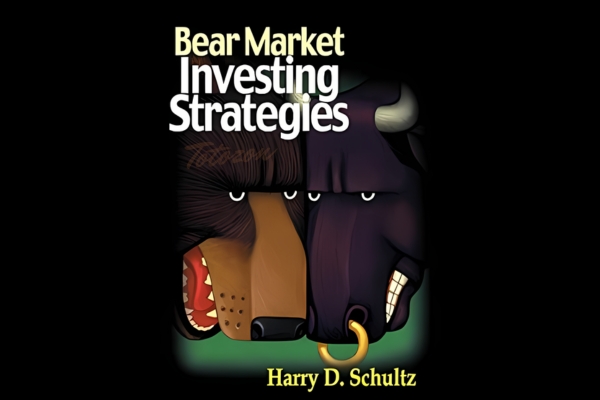 Bear Market Investing Strategies with Harry Schultz
1 × $6.00
Bear Market Investing Strategies with Harry Schultz
1 × $6.00 -
×
 BETT Strategy with TopTradeTools
1 × $35.00
BETT Strategy with TopTradeTools
1 × $35.00 -
×
 Matrix Spread Options Trading Course with Base Camp Trading
1 × $31.00
Matrix Spread Options Trading Course with Base Camp Trading
1 × $31.00 -
×
 Beginner to Intermediate Intensive Q and A with Rob Hoffman
1 × $6.00
Beginner to Intermediate Intensive Q and A with Rob Hoffman
1 × $6.00 -
×
 Cyclic Analysis. A BreakThrough in Transaction Timing with Cyclitec Services
1 × $6.00
Cyclic Analysis. A BreakThrough in Transaction Timing with Cyclitec Services
1 × $6.00 -
×
 Market Evolution
1 × $6.00
Market Evolution
1 × $6.00 -
×
 Stock Market–Swing Trading Strategies for Wall Street with Bill Wermin
1 × $6.00
Stock Market–Swing Trading Strategies for Wall Street with Bill Wermin
1 × $6.00 -
×
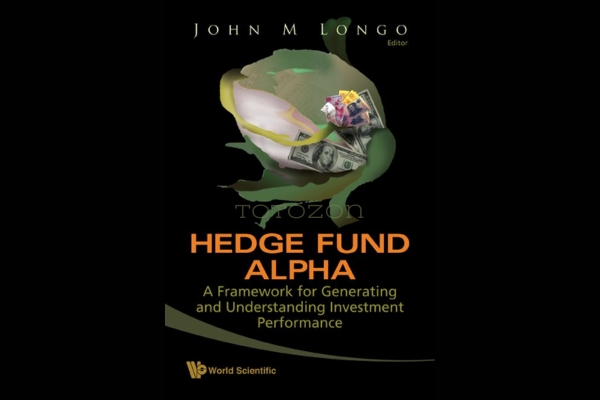 Hedge Fund Alpha with John Longo - World Scientific
1 × $6.00
Hedge Fund Alpha with John Longo - World Scientific
1 × $6.00 -
×
 War Room Technicals Volume 2 with Pat Mitchell – Trick Trades
1 × $6.00
War Room Technicals Volume 2 with Pat Mitchell – Trick Trades
1 × $6.00 -
×
 Sharp Edge Institutional Ultimate Trade Program – CompassFX
1 × $101.00
Sharp Edge Institutional Ultimate Trade Program – CompassFX
1 × $101.00 -
×
 Forecast 2024 Clarification with Larry Williams
1 × $15.00
Forecast 2024 Clarification with Larry Williams
1 × $15.00 -
×
 Get Rich with Dividends
1 × $6.00
Get Rich with Dividends
1 × $6.00 -
×
 Full Credit Spreads with Ryan Litchfield
1 × $6.00
Full Credit Spreads with Ryan Litchfield
1 × $6.00 -
×
 Inside Strategies for Profiting with Options with Max Ansbacher
1 × $6.00
Inside Strategies for Profiting with Options with Max Ansbacher
1 × $6.00 -
×
 How To Develop A Winning Trading System That Fits You Home Study + Audio - 2020 with Van Tharp
1 × $62.00
How To Develop A Winning Trading System That Fits You Home Study + Audio - 2020 with Van Tharp
1 × $62.00 -
×
 The Options Applications Handbook: Hedging and Speculating Techniques for Professional Investors - Erik Banks & Paul Siegel
1 × $6.00
The Options Applications Handbook: Hedging and Speculating Techniques for Professional Investors - Erik Banks & Paul Siegel
1 × $6.00 -
×
 My Life as a Quant with Emanuel Derman
1 × $6.00
My Life as a Quant with Emanuel Derman
1 × $6.00 -
×
 The Prop Trading Code with Brannigan Barrett - Axia Futures
1 × $23.00
The Prop Trading Code with Brannigan Barrett - Axia Futures
1 × $23.00

How to be a Sector Investor with Larry Hungerford & Steve Hungerford
$4.00
File Size: Coming soon!
Delivery Time: 1–12 hours
Media Type: Online Course
Content Proof: Watch Here!
You may check content proof of “How to be a Sector Investor with Larry Hungerford & Steve Hungerford” below:

How to be a Sector Investor with Larry Hungerford & Steve Hungerford
Introduction
Investing can be a complex and daunting task, but focusing on specific sectors can simplify the process and enhance your potential for returns. Larry Hungerford and Steve Hungerford have mastered the art of sector investing, offering valuable insights and strategies. In this article, we will explore how to be a successful sector investor with guidance from these experts.
Understanding Sector Investing
What is Sector Investing?
Sector investing involves allocating your investment portfolio into specific sectors of the economy, such as technology, healthcare, or energy. This strategy aims to capitalize on the growth potential within particular industries.
Benefits of Sector Investing
- Diversification: Spread risk across various sectors.
- Targeted Growth: Focus on high-growth industries.
- Strategic Allocation: Allocate resources based on market trends.
Larry and Steve Hungerford: Pioneers in Sector Investing
Who are Larry and Steve Hungerford?
Larry and Steve Hungerford are renowned investment advisors with decades of experience. They have developed a reputation for their expertise in sector investing, helping clients achieve significant returns.
Their Investment Philosophy
The Hungerfords emphasize a disciplined approach to investing, focusing on thorough research, market analysis, and strategic allocation.
Key Concepts in Sector Investing
1. Identifying Key Sectors
Importance of Sector Analysis
Analyzing various sectors helps identify which industries have the potential for growth. This involves studying economic trends, technological advancements, and consumer behavior.
High-Growth Sectors
- Technology: Rapid innovation and digital transformation.
- Healthcare: Aging population and medical advancements.
- Renewable Energy: Shift towards sustainable energy sources.
2. Analyzing Market Trends
Understanding Market Cycles
Markets move in cycles, and different sectors perform better at different stages. Recognizing these cycles can enhance your investment strategy.
Using Technical Analysis
Technical analysis tools, such as moving averages and trend lines, help identify market trends and make informed decisions.
3. Diversifying Your Portfolio
Why Diversification Matters
Diversification reduces risk by spreading investments across various sectors. This strategy minimizes the impact of poor performance in any single sector.
How to Diversify
- Invest in Multiple Sectors: Allocate funds across various industries.
- Use Sector ETFs: Exchange-traded funds (ETFs) offer a convenient way to diversify.
Developing a Sector Investment Strategy
1. Setting Investment Goals
Define your investment objectives, whether it’s long-term growth, income generation, or capital preservation. Clear goals will guide your sector selection and allocation.
2. Conducting Thorough Research
Research is crucial for identifying promising sectors. Utilize financial reports, industry analyses, and expert opinions to make informed decisions.
3. Creating a Balanced Portfolio
Balance your portfolio by investing in a mix of sectors. Consider factors such as sector growth potential, risk level, and economic conditions.
4. Monitoring and Adjusting
Regularly review your portfolio to ensure it aligns with your investment goals. Adjust your allocations based on market performance and changing economic conditions.
Practical Tips for Sector Investing
1. Stay Informed
Keep up-to-date with market news and trends. Subscribe to financial news outlets, follow industry blogs, and participate in investment forums.
2. Be Patient
Sector investing is a long-term strategy. Be patient and avoid making impulsive decisions based on short-term market fluctuations.
3. Leverage Professional Advice
Consider consulting with financial advisors like Larry and Steve Hungerford to gain expert insights and refine your investment strategy.
4. Use Investment Tools
Utilize online tools and platforms for research, analysis, and portfolio management. These resources can enhance your decision-making process.
Common Mistakes to Avoid
1. Overconcentration
Avoid putting too much of your portfolio into a single sector. This increases risk and can lead to significant losses if that sector underperforms.
2. Ignoring Market Trends
Failing to recognize and adapt to market trends can result in missed opportunities. Stay informed and be prepared to adjust your strategy as needed.
3. Lack of Diversification
Not diversifying your investments can expose you to unnecessary risk. Spread your investments across multiple sectors to mitigate potential losses.
Tools and Resources for Sector Investing
1. Sector ETFs
Sector ETFs provide exposure to specific industries, allowing for easy diversification and targeted investment.
2. Financial News Platforms
Platforms like Bloomberg, Reuters, and CNBC offer real-time news and analysis, keeping you informed about market developments.
3. Investment Research Tools
Tools like Morningstar and Yahoo Finance provide in-depth research and analysis, helping you make informed investment decisions.
Conclusion
Sector investing offers a strategic approach to capitalizing on the growth potential of specific industries. By following the guidance of Larry and Steve Hungerford, you can develop a disciplined investment strategy that leverages market trends and diversification. Remember to stay informed, be patient, and use professional advice to enhance your sector investing success.
FAQs
1. What is sector investing?
Sector investing involves allocating your investment portfolio into specific sectors of the economy to capitalize on growth within particular industries.
2. Who are Larry and Steve Hungerford?
Larry and Steve Hungerford are renowned investment advisors known for their expertise in sector investing.
3. How can I diversify my portfolio in sector investing?
Diversify by investing in multiple sectors and using sector ETFs to spread risk across various industries.
4. Why is diversification important in sector investing?
Diversification reduces risk by minimizing the impact of poor performance in any single sector, enhancing the overall stability of your portfolio.
5. What tools can help with sector investing?
Sector ETFs, financial news platforms, and investment research tools are essential for effective sector investing.
Be the first to review “How to be a Sector Investor with Larry Hungerford & Steve Hungerford”
You must be logged in to post a review.
Related products

Forex Trading
Original price was: $697.00.$5.00Current price is: $5.00.

Forex Trading
Original price was: $499.00.$15.00Current price is: $15.00.

Original price was: $139.00.$23.00Current price is: $23.00.

Original price was: $310.00.$23.00Current price is: $23.00.

Original price was: $2,120.00.$15.00Current price is: $15.00.
Original price was: $4,995.00.$15.00Current price is: $15.00.

Forex Trading
Quantamentals – The Next Great Forefront Of Trading and Investing with Trading Markets
Original price was: $1,495.00.$8.00Current price is: $8.00.

Original price was: $799.00.$15.00Current price is: $15.00.

Forex Trading
Original price was: $2,995.00.$31.00Current price is: $31.00.

Original price was: $997.00.$8.00Current price is: $8.00.

Original price was: $895.00.$15.00Current price is: $15.00.

Original price was: $649.00.$20.00Current price is: $20.00.

Forex Trading
Original price was: $799.00.$15.00Current price is: $15.00.

Forex Trading
Original price was: $797.00.$10.00Current price is: $10.00.
Original price was: $1,200.00.$23.00Current price is: $23.00.

Original price was: $695.00.$41.00Current price is: $41.00.
Forex Trading
Original price was: $249.00.$15.00Current price is: $15.00.

Original price was: $1,849.00.$15.00Current price is: $15.00.

Original price was: $450.00.$23.00Current price is: $23.00.

Original price was: $497.00.$11.00Current price is: $11.00.

Reviews
There are no reviews yet.