
-
×
 Investment Performance Measurement with Bruce Feibel
1 × $6.00
Investment Performance Measurement with Bruce Feibel
1 × $6.00 -
×
 Active Beta Indexes with Khalid Ghayur
1 × $6.00
Active Beta Indexes with Khalid Ghayur
1 × $6.00 -
×
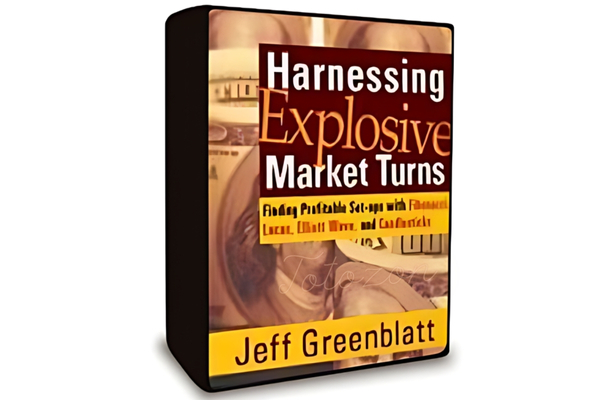 Harnessing Explosive Market Turns - 3 DVD with Jeff Greenblatt
1 × $6.00
Harnessing Explosive Market Turns - 3 DVD with Jeff Greenblatt
1 × $6.00 -
×
 Deep Dive Butterfly Trading Strategy Class with SJG Trades
1 × $41.00
Deep Dive Butterfly Trading Strategy Class with SJG Trades
1 × $41.00 -
×
 $20 – 52k 20 pips a day challange with Rafał Zuchowicz - TopMasterTrader
1 × $5.00
$20 – 52k 20 pips a day challange with Rafał Zuchowicz - TopMasterTrader
1 × $5.00 -
×
 Essentials in Quantitative Trading QT01 By HangukQuant's
1 × $23.00
Essentials in Quantitative Trading QT01 By HangukQuant's
1 × $23.00 -
×
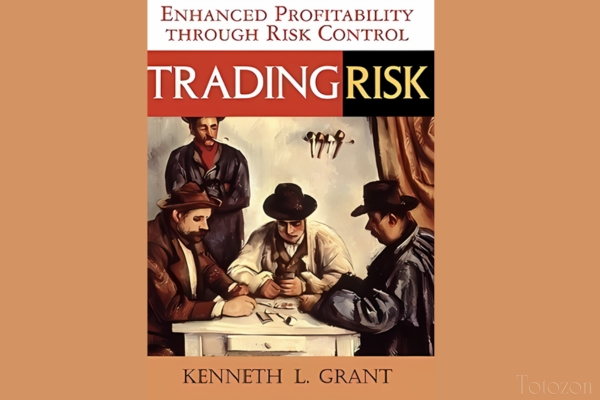 Trading Risk: Enhanced Profitability through Risk Control with Kenneth Grant
1 × $6.00
Trading Risk: Enhanced Profitability through Risk Control with Kenneth Grant
1 × $6.00 -
×
 5 Basic Elliott Wave Patterns + Technical Tools = Trading Success with Jeffrey Kennedy
1 × $15.00
5 Basic Elliott Wave Patterns + Technical Tools = Trading Success with Jeffrey Kennedy
1 × $15.00 -
×
 Investment Strategies for the 21th Century with Frank Amstrong
1 × $6.00
Investment Strategies for the 21th Century with Frank Amstrong
1 × $6.00 -
×
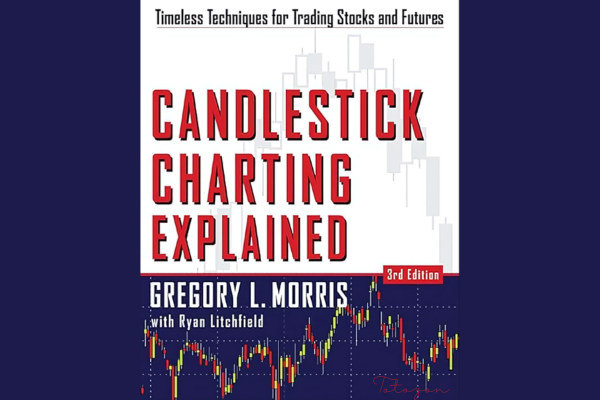 Candlestick Charting Explained with Greg Morris
1 × $8.00
Candlestick Charting Explained with Greg Morris
1 × $8.00 -
×
 Trading for a Bright Future with Martin Cole
1 × $6.00
Trading for a Bright Future with Martin Cole
1 × $6.00 -
×
 Basic Options Course Cash Flow. Diversification. Flexibility with Michael Drew
1 × $6.00
Basic Options Course Cash Flow. Diversification. Flexibility with Michael Drew
1 × $6.00 -
×
 Learning Track: Quantitative Approach in Options Trading
1 × $39.00
Learning Track: Quantitative Approach in Options Trading
1 × $39.00 -
×
 Steve Jobs. The Greatest Second Act in the History of Business with Young Simon
1 × $6.00
Steve Jobs. The Greatest Second Act in the History of Business with Young Simon
1 × $6.00 -
×
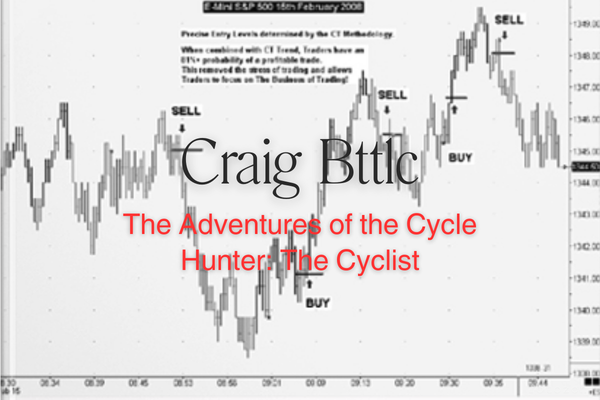 The Adventures of the Cycle Hunter. The Cyclist with Craig Bttlc
1 × $6.00
The Adventures of the Cycle Hunter. The Cyclist with Craig Bttlc
1 × $6.00 -
×
 The Bare Essentials Of Investing: Teaching The Horse To Talk with Harold Bierman
1 × $6.00
The Bare Essentials Of Investing: Teaching The Horse To Talk with Harold Bierman
1 × $6.00 -
×
 Advanced Trader with Nikos Trading Academy
1 × $5.00
Advanced Trader with Nikos Trading Academy
1 × $5.00 -
×
 Royal Exchange Forex with Jan Teslar
1 × $6.00
Royal Exchange Forex with Jan Teslar
1 × $6.00 -
×
 Profitable Strategies with Gemify Academy
1 × $10.00
Profitable Strategies with Gemify Academy
1 × $10.00 -
×
 The Trading Blueprint with Brad Goh - The Trading Geek
1 × $5.00
The Trading Blueprint with Brad Goh - The Trading Geek
1 × $5.00 -
×
 Academy of Financial Trading Foundation Trading Programme Webinar
1 × $6.00
Academy of Financial Trading Foundation Trading Programme Webinar
1 × $6.00 -
×
 The Crypto Code with Joel Peterson - Adam Short
1 × $15.00
The Crypto Code with Joel Peterson - Adam Short
1 × $15.00 -
×
 Slapped by the Invisible Hand: The Panic of 2007 with Gary Gorton
1 × $6.00
Slapped by the Invisible Hand: The Panic of 2007 with Gary Gorton
1 × $6.00 -
×
 EFT – The Art of Delivery with Gary Craig
1 × $5.00
EFT – The Art of Delivery with Gary Craig
1 × $5.00 -
×
 Signals
1 × $6.00
Signals
1 × $6.00 -
×
 Crystal Ball Pack PLUS bonus Live Trade By Pat Mitchell - Trick Trades
1 × $20.00
Crystal Ball Pack PLUS bonus Live Trade By Pat Mitchell - Trick Trades
1 × $20.00 -
×
 Forex Retracement Theory with CopperChips
1 × $6.00
Forex Retracement Theory with CopperChips
1 × $6.00 -
×
 All Candlestick Patterns Tested And Ranked with Quantified Strategies
1 × $8.00
All Candlestick Patterns Tested And Ranked with Quantified Strategies
1 × $8.00 -
×
 WickOrTreat Trading Course with WickOrTreat
1 × $6.00
WickOrTreat Trading Course with WickOrTreat
1 × $6.00 -
×
 S&P 500 Secrets + Next Level Risk Management with Tradacc
1 × $8.00
S&P 500 Secrets + Next Level Risk Management with Tradacc
1 × $8.00 -
×
 Day One Trader with John Sussex
1 × $6.00
Day One Trader with John Sussex
1 × $6.00 -
×
 3 Short Selling Strategies - Trading Strategy Bundles – Quantified Strategies
1 × $39.00
3 Short Selling Strategies - Trading Strategy Bundles – Quantified Strategies
1 × $39.00 -
×
 The Complete Guide to Multiple Time Frame Analysis & Reading Price Action with Aiman Almansoori
1 × $13.00
The Complete Guide to Multiple Time Frame Analysis & Reading Price Action with Aiman Almansoori
1 × $13.00 -
×
 3 Technical Indicators to Help You Ride the Elliott Wave Trend with Chris Carolan
1 × $6.00
3 Technical Indicators to Help You Ride the Elliott Wave Trend with Chris Carolan
1 × $6.00 -
×
 Forecast 2024 Clarification with Larry Williams
1 × $15.00
Forecast 2024 Clarification with Larry Williams
1 × $15.00 -
×
 AI For Traders with Trading Markets
1 × $31.00
AI For Traders with Trading Markets
1 × $31.00 -
×
 Core Strategy Program + Extended Learning Track with Ota Courses
1 × $124.00
Core Strategy Program + Extended Learning Track with Ota Courses
1 × $124.00 -
×
 Forex Project Advanced Course with Tyler Crowell
1 × $5.00
Forex Project Advanced Course with Tyler Crowell
1 × $5.00 -
×
 5 Day Bootcamp with AWFX AnthonysWorld
1 × $34.00
5 Day Bootcamp with AWFX AnthonysWorld
1 × $34.00 -
×
 How To Backtest Bootcamp
1 × $17.00
How To Backtest Bootcamp
1 × $17.00 -
×
 Research And Trade Like The Pros with Lex Van Dam & James Helliwell
1 × $15.00
Research And Trade Like The Pros with Lex Van Dam & James Helliwell
1 × $15.00 -
×
 AstroFibonacci 7.3722 magisociety
1 × $6.00
AstroFibonacci 7.3722 magisociety
1 × $6.00 -
×
 Butterfly and Condor Workshop with Aeromir
1 × $15.00
Butterfly and Condor Workshop with Aeromir
1 × $15.00 -
×
 Slim Miller's Cycle Analysis Workshop with Steve "Slim" Miller
1 × $6.00
Slim Miller's Cycle Analysis Workshop with Steve "Slim" Miller
1 × $6.00 -
×
 Options 201: Vertical and Calendar Spread Essentials 5 Part Class with Don Kaufman On Demand Replay
1 × $6.00
Options 201: Vertical and Calendar Spread Essentials 5 Part Class with Don Kaufman On Demand Replay
1 × $6.00 -
×
 Forty Cents for Financial Freedom with Darlene Nelson
1 × $6.00
Forty Cents for Financial Freedom with Darlene Nelson
1 × $6.00 -
×
 The A14 Weekly Option Strategy Workshop with Amy Meissner
1 × $23.00
The A14 Weekly Option Strategy Workshop with Amy Meissner
1 × $23.00 -
×
 Profit.ly - Bitcoin Basics
1 × $6.00
Profit.ly - Bitcoin Basics
1 × $6.00 -
×
 All About High-Frequency Trading with Michael Durbin
1 × $6.00
All About High-Frequency Trading with Michael Durbin
1 × $6.00 -
×
 Bond Market Course with The Macro Compass
1 × $15.00
Bond Market Course with The Macro Compass
1 × $15.00 -
×
 3 Day Master Advanced Workshop Seminar (Video & Manuals 8.48 GB)
1 × $6.00
3 Day Master Advanced Workshop Seminar (Video & Manuals 8.48 GB)
1 × $6.00 -
×
 Algo Trading Masterclass with Ali Casey - StatOasis
1 × $23.00
Algo Trading Masterclass with Ali Casey - StatOasis
1 × $23.00 -
×
 Smart Money Concepts with MFX Trading
1 × $13.00
Smart Money Concepts with MFX Trading
1 × $13.00 -
×
 Future Energy with Bill Paul
1 × $6.00
Future Energy with Bill Paul
1 × $6.00
Extreme Events: Robust Portfolio Construction in the Presence of Fat Tails with Malcolm Kemp
Original price was: $87.00.$6.00Current price is: $6.00.
File Size: Coming soon!
Delivery Time: 1–12 hours
Media Type: Online Course
Content Proof: Watch Here!
You may check content proof of “Extreme Events: Robust Portfolio Construction in the Presence of Fat Tails with Malcolm Kemp” below:

Extreme Events: Robust Portfolio Construction in the Presence of Fat Tails with Malcolm Kemp
Introduction to Extreme Events
Financial markets are no strangers to extreme events. These events, often unpredictable and with significant impact, can derail even the most well-constructed portfolios. Malcolm Kemp’s insights on robust portfolio construction in the presence of fat tails provide valuable strategies for navigating these turbulent times.
Understanding Fat Tails
What Are Fat Tails?
Fat tails refer to the probability distribution of returns that show higher than normal likelihood of extreme outcomes. Unlike the normal distribution, which assumes most data points lie close to the mean, fat tails indicate a greater chance of extreme values.
Significance of Fat Tails in Finance
In finance, fat tails mean that extreme events (both positive and negative) are more likely than traditional models predict. Recognizing this helps investors prepare for potential market shocks.
Challenges of Extreme Events
Market Volatility
Extreme events often lead to heightened market volatility, making it challenging to predict price movements and manage risk.
Portfolio Risk
Traditional risk management techniques may fail during extreme events. Portfolios need to be constructed with an understanding of the potential for fat tails.
Malcolm Kemp’s Approach to Robust Portfolio Construction
Emphasizing Robustness
Kemp stresses the importance of building portfolios that can withstand extreme events. This involves incorporating strategies that mitigate the impact of fat tails.
Diversification
Diversification remains a cornerstone strategy. By spreading investments across various asset classes, sectors, and geographies, investors can reduce the impact of any single extreme event.
Key Components of Robust Portfolio Construction
Risk Assessment
Value at Risk (VaR)
Value at Risk (VaR) measures the maximum potential loss over a specified period at a given confidence level. While useful, VaR may underestimate risk during extreme events.
Stress Testing
Stress testing involves simulating extreme market conditions to assess portfolio resilience. This helps identify weaknesses and areas for improvement.
Asset Allocation
Allocating assets based on their risk and return profiles is crucial. Including a mix of equities, bonds, commodities, and alternative investments can enhance portfolio robustness.
Tail Risk Hedging
Tail risk hedging involves strategies designed to protect against extreme market moves. Options and derivatives can be used to hedge against significant losses.
Strategies for Managing Fat Tails
Using Derivatives
Options
Options provide a way to hedge against extreme events by giving the right, but not the obligation, to buy or sell an asset at a predetermined price.
Futures
Futures contracts can be used to lock in prices and reduce uncertainty, offering protection against extreme price movements.
Alternative Investments
Including alternative investments like real estate, private equity, and hedge funds can diversify risk and provide additional protection during extreme events.
Dynamic Rebalancing
Regularly rebalancing the portfolio ensures that it remains aligned with risk tolerance and investment goals, especially during volatile periods.
Case Studies in Robust Portfolio Construction
Successful Hedge Funds
Hedge funds that navigated the 2008 financial crisis effectively often employed robust strategies, including diversification and tail risk hedging.
Institutional Investors
Institutional investors, such as pension funds, use sophisticated models and stress tests to build resilient portfolios capable of withstanding extreme events.
Common Pitfalls in Managing Extreme Events
Overconfidence in Models
Relying too heavily on models that assume normal distribution can lead to underestimating the risk of extreme events. Kemp advises maintaining a healthy skepticism and regularly updating models.
Ignoring Correlations
During extreme events, asset correlations can change dramatically. Ignoring this can lead to unexpected losses, highlighting the need for dynamic risk management.
Practical Steps for Building a Robust Portfolio
Step-by-Step Guide
- Assess Risk Tolerance: Understand your risk tolerance and investment goals.
- Diversify Investments: Spread investments across various asset classes.
- Incorporate Derivatives: Use options and futures for hedging.
- Conduct Stress Tests: Simulate extreme scenarios to test portfolio resilience.
- Regularly Rebalance: Adjust the portfolio to maintain alignment with risk tolerance and goals.
Tools and Resources
Utilize financial software for risk assessment and stress testing. Platforms like Bloomberg, MSCI, and RiskMetrics offer robust tools for portfolio management.
Future Trends in Robust Portfolio Construction
Artificial Intelligence and Machine Learning
AI and machine learning can enhance portfolio construction by identifying patterns and predicting extreme events more accurately.
Real-Time Data Analysis
Advancements in real-time data analysis enable quicker response to market changes, improving portfolio resilience.
Sustainable Investing
Incorporating environmental, social, and governance (ESG) factors can enhance portfolio robustness by focusing on sustainable and resilient companies.
Conclusion
Building a robust portfolio capable of withstanding extreme events requires a deep understanding of fat tails and market dynamics. Malcolm Kemp’s strategies provide a comprehensive framework for managing risk and optimizing returns in the face of uncertainty. By focusing on diversification, dynamic rebalancing, and innovative risk management techniques, investors can navigate the complexities of financial markets more effectively.
FAQs
1. What are fat tails in finance?
Fat tails refer to the higher probability of extreme outcomes in the distribution of returns, indicating a greater likelihood of significant market events.
2. How can diversification help in robust portfolio construction?
Diversification spreads investments across various asset classes, reducing the impact of any single extreme event on the portfolio.
3. What is tail risk hedging?
Tail risk hedging involves using strategies, such as options and derivatives, to protect against significant losses during extreme market movements.
4. Why is stress testing important in portfolio management?
Stress testing simulates extreme market conditions to assess portfolio resilience, identifying weaknesses and areas for improvement.
5. How can AI and machine learning improve portfolio construction?
AI and machine learning can identify patterns, predict extreme events more accurately, and enhance real-time data analysis, improving portfolio robustness.
Be the first to review “Extreme Events: Robust Portfolio Construction in the Presence of Fat Tails with Malcolm Kemp”
You must be logged in to post a review.
Related products

Forex Trading
Original price was: $397.00.$31.00Current price is: $31.00.

Original price was: $799.00.$15.00Current price is: $15.00.

Forex Trading
Original price was: $797.00.$10.00Current price is: $10.00.

Forex Trading
Original price was: $500.00.$5.00Current price is: $5.00.

Original price was: $497.00.$31.00Current price is: $31.00.

Original price was: $299.00.$8.00Current price is: $8.00.

Original price was: $450.00.$23.00Current price is: $23.00.

Original price was: $997.00.$8.00Current price is: $8.00.
Forex Trading
Original price was: $2,995.00.$31.00Current price is: $31.00.
Original price was: $310.00.$23.00Current price is: $23.00.

Forex Trading
Original price was: $2,997.00.$23.00Current price is: $23.00.

Forex Trading
Original price was: $1,898.00.$10.00Current price is: $10.00.
Original price was: $649.00.$20.00Current price is: $20.00.
Forex Trading
Original price was: $499.00.$15.00Current price is: $15.00.

Original price was: $4,995.00.$15.00Current price is: $15.00.

Forex Trading
Original price was: $4,997.00.$27.00Current price is: $27.00.
Forex Trading
Original price was: $799.00.$15.00Current price is: $15.00.

Forex Trading
Original price was: $999.00.$15.00Current price is: $15.00.
Forex Trading
Original price was: $249.00.$15.00Current price is: $15.00.

Original price was: $997.00.$13.00Current price is: $13.00.

Reviews
There are no reviews yet.