
-
×
 Zap Seminar - Ablesys
1 × $6.00
Zap Seminar - Ablesys
1 × $6.00 -
×
 JokerSZN Course with David
1 × $20.00
JokerSZN Course with David
1 × $20.00 -
×
 Options Trading & Ultimate MasterClass With Tyrone Abela - FX Evolution
1 × $54.00
Options Trading & Ultimate MasterClass With Tyrone Abela - FX Evolution
1 × $54.00 -
×
 SQX Mentorship with Tip Toe Hippo
1 × $23.00
SQX Mentorship with Tip Toe Hippo
1 × $23.00 -
×
 Exploring MetaStock Advanced with Martin Pring
1 × $6.00
Exploring MetaStock Advanced with Martin Pring
1 × $6.00 -
×
 Forex EURUSD Trader Live Training (2012)
1 × $6.00
Forex EURUSD Trader Live Training (2012)
1 × $6.00 -
×
 Bubbleology: The New Science of Stock Market Winners and Losers with Kevin Hassett
1 × $6.00
Bubbleology: The New Science of Stock Market Winners and Losers with Kevin Hassett
1 × $6.00 -
×
 Mastering Technical Analysis with Investi Share
1 × $23.00
Mastering Technical Analysis with Investi Share
1 × $23.00 -
×
 How Do You See Risk? A Guide to Evaluating & Applying Technical Volatility Indicators class with Jeff Bierman
1 × $6.00
How Do You See Risk? A Guide to Evaluating & Applying Technical Volatility Indicators class with Jeff Bierman
1 × $6.00 -
×
 Just What I Said: Bloomberg Economics Columnist Takes on Bonds, Banks, Budgets, and Bubbles with Caroline Baum
1 × $6.00
Just What I Said: Bloomberg Economics Columnist Takes on Bonds, Banks, Budgets, and Bubbles with Caroline Baum
1 × $6.00 -
×
 Future DayTrading (German)
1 × $6.00
Future DayTrading (German)
1 × $6.00 -
×
 FTMO Academy Course
1 × $5.00
FTMO Academy Course
1 × $5.00 -
×
 Scalp Strategy and Flipping Small Accounts with Opes Trading Group
1 × $5.00
Scalp Strategy and Flipping Small Accounts with Opes Trading Group
1 × $5.00 -
×
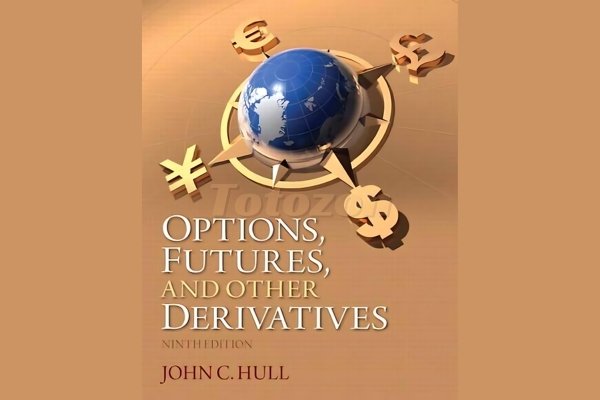 Option, Futures and Other Derivates 9th Edition
1 × $6.00
Option, Futures and Other Derivates 9th Edition
1 × $6.00 -
×
 Day Trading Smart Right From the Start: Trading Essentials for Maximum Results - David Nassar & John Boyer
1 × $6.00
Day Trading Smart Right From the Start: Trading Essentials for Maximum Results - David Nassar & John Boyer
1 × $6.00 -
×
 Matrix Options
1 × $6.00
Matrix Options
1 × $6.00 -
×
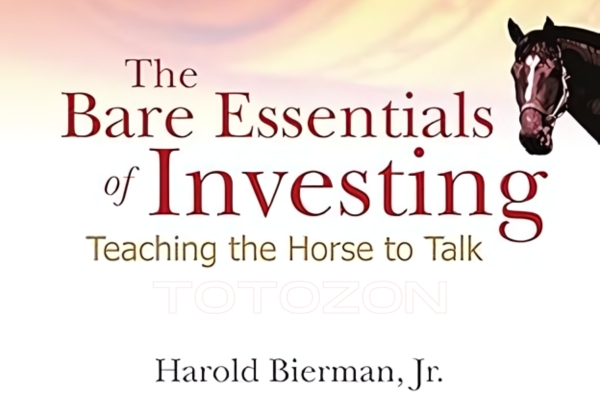 The Bare Essentials Of Investing: Teaching The Horse To Talk with Harold Bierman
1 × $6.00
The Bare Essentials Of Investing: Teaching The Horse To Talk with Harold Bierman
1 × $6.00 -
×
 Power Cycle Trading - Boot Camp for Swing Trading
1 × $6.00
Power Cycle Trading - Boot Camp for Swing Trading
1 × $6.00 -
×
 Investment Philosophies
1 × $6.00
Investment Philosophies
1 × $6.00 -
×
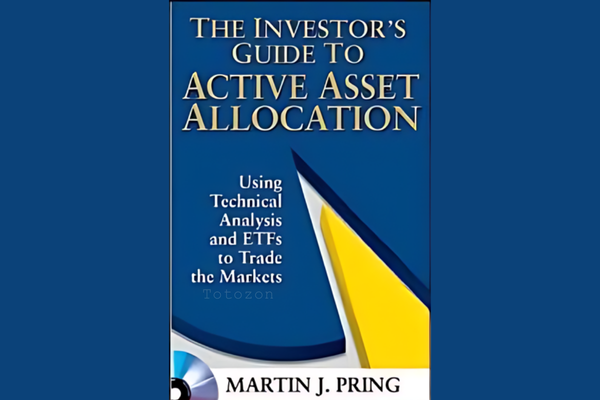 The Investors Guide to Active Asset Allocation with Martin Pring
1 × $6.00
The Investors Guide to Active Asset Allocation with Martin Pring
1 × $6.00 -
×
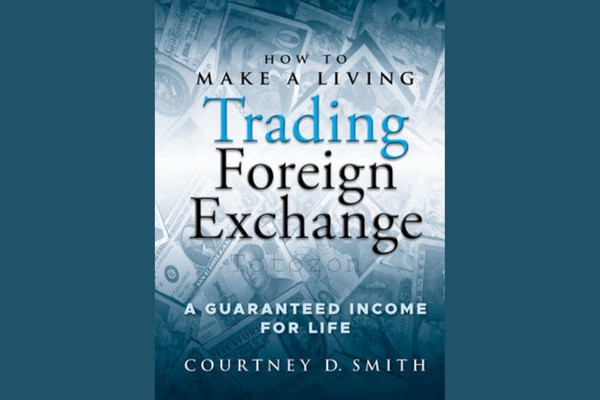 How to Make a Living Trading Foreign Exchange: A Guaranteed Income for Life with Courtney Smith
1 × $6.00
How to Make a Living Trading Foreign Exchange: A Guaranteed Income for Life with Courtney Smith
1 × $6.00 -
×
 How To Read The Market Professionally with TradeSmart
1 × $27.00
How To Read The Market Professionally with TradeSmart
1 × $27.00 -
×
 Portfolio Management using Machine Learning: Hierarchical Risk Parity
1 × $39.00
Portfolio Management using Machine Learning: Hierarchical Risk Parity
1 × $39.00 -
×
 Trading Dave Landry’s Ultimate Bow Ties Strategy with Dave Landry
1 × $6.00
Trading Dave Landry’s Ultimate Bow Ties Strategy with Dave Landry
1 × $6.00 -
×
 Pattern Trader Pro with ForexStore
1 × $6.00
Pattern Trader Pro with ForexStore
1 × $6.00 -
×
 Mastering Income Spread Trading with Dave Aquino - Base Camp Trading
1 × $23.00
Mastering Income Spread Trading with Dave Aquino - Base Camp Trading
1 × $23.00 -
×
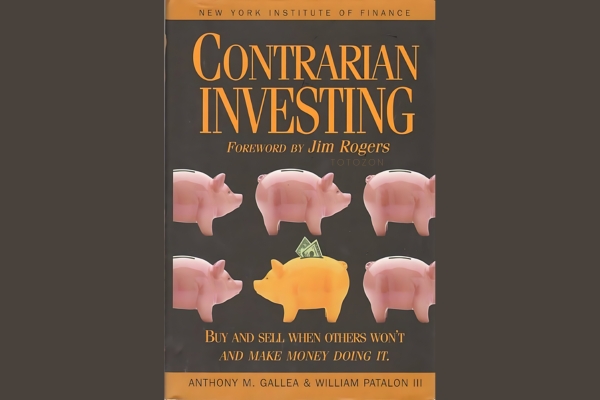 Contrarian Investing with Anthony M.Gallea, William Patalon
1 × $6.00
Contrarian Investing with Anthony M.Gallea, William Patalon
1 × $6.00 -
×
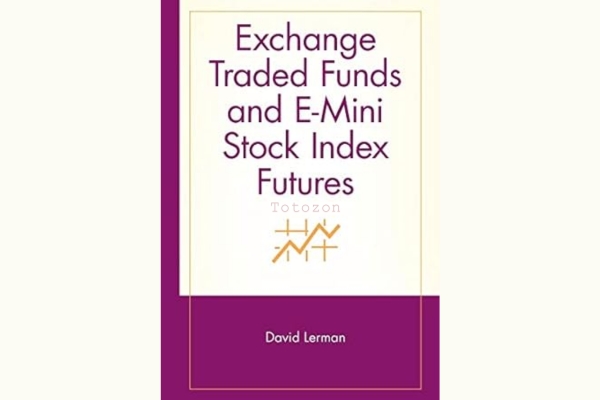 Exchange Traded Funds & E-Mini Stock Index Futures with David Lerman
1 × $6.00
Exchange Traded Funds & E-Mini Stock Index Futures with David Lerman
1 × $6.00 -
×
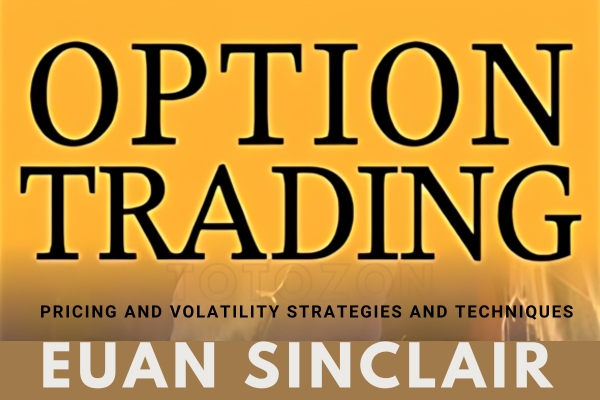 Option Trading: Pricing and Volatility Strategies and Techniques with Euan Sinclair
1 × $6.00
Option Trading: Pricing and Volatility Strategies and Techniques with Euan Sinclair
1 × $6.00 -
×
 Principles of Artificial Neural Networks (2nd Ed.) with Daniel Graupe
1 × $6.00
Principles of Artificial Neural Networks (2nd Ed.) with Daniel Graupe
1 × $6.00 -
×
 WondaFX Signature Strategy with WondaFX
1 × $5.00
WondaFX Signature Strategy with WondaFX
1 × $5.00 -
×
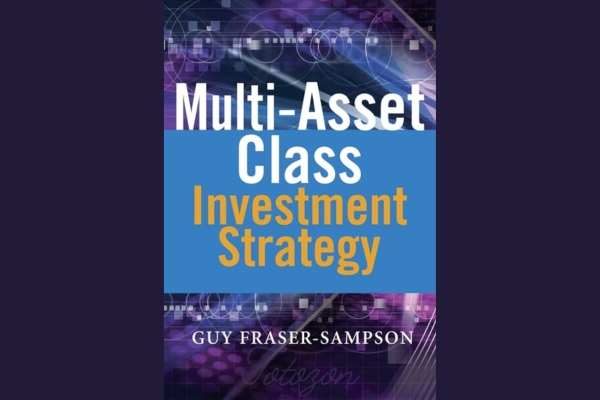 Multi Asset Class Investment Strategy with Guy Fraser-Sampson
1 × $6.00
Multi Asset Class Investment Strategy with Guy Fraser-Sampson
1 × $6.00 -
×
 The Correlation Code with Jason Fielder
1 × $6.00
The Correlation Code with Jason Fielder
1 × $6.00 -
×
 The Indices Orderflow Masterclass with The Forex Scalpers
1 × $23.00
The Indices Orderflow Masterclass with The Forex Scalpers
1 × $23.00 -
×
 Small Stocks for Big Profits: Generate Spectacular Returns by Investing in Up-and-Coming Companies with George Angell
1 × $6.00
Small Stocks for Big Profits: Generate Spectacular Returns by Investing in Up-and-Coming Companies with George Angell
1 × $6.00 -
×
 Volume Profile 2023 (Order Flow Pack) with Trader Dale
1 × $5.00
Volume Profile 2023 (Order Flow Pack) with Trader Dale
1 × $5.00 -
×
 The Best Option Trading Course with David Jaffee - Best Stock Strategy
1 × $15.00
The Best Option Trading Course with David Jaffee - Best Stock Strategy
1 × $15.00 -
×
 TradeCraft: Your Path to Peak Performance Trading By Adam Grimes
1 × $15.00
TradeCraft: Your Path to Peak Performance Trading By Adam Grimes
1 × $15.00 -
×
 Technical Timing Patterns
1 × $6.00
Technical Timing Patterns
1 × $6.00 -
×
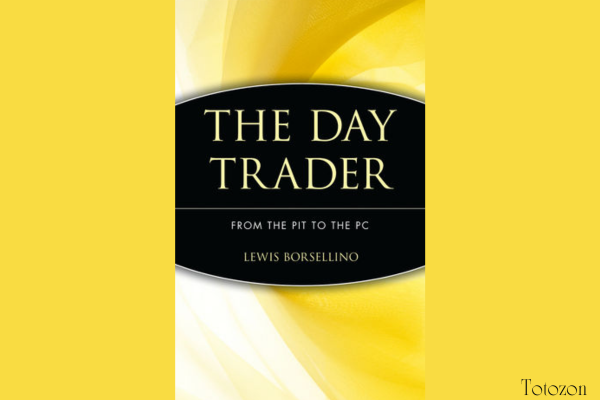 The Day Trader: From the Pit to the PC with Lewis Borsellino
1 × $6.00
The Day Trader: From the Pit to the PC with Lewis Borsellino
1 × $6.00 -
×
 Forecast 2024 Clarification with Larry Williams
1 × $15.00
Forecast 2024 Clarification with Larry Williams
1 × $15.00 -
×
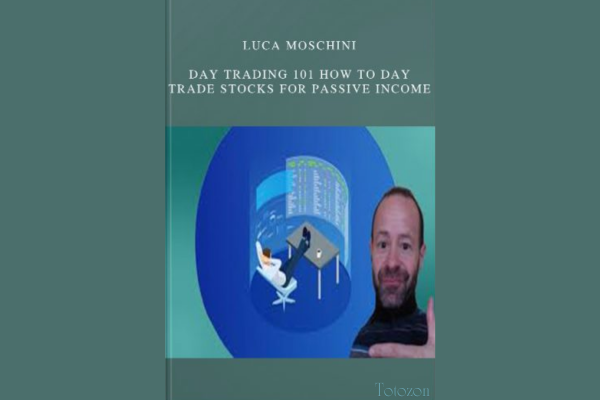 Day Trading 101 How To Day Trade Stocks for Passive Income
1 × $6.00
Day Trading 101 How To Day Trade Stocks for Passive Income
1 × $6.00 -
×
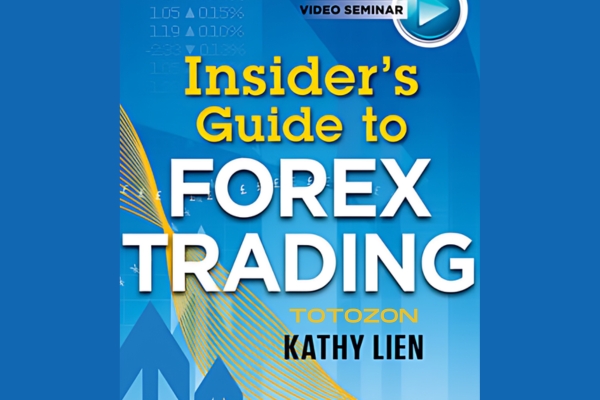 The Insider's Guide to Forex Trading with Kathy Lien
1 × $6.00
The Insider's Guide to Forex Trading with Kathy Lien
1 × $6.00 -
×
 The EAP Training Program (Apr 2019)
1 × $6.00
The EAP Training Program (Apr 2019)
1 × $6.00 -
×
 Peak Capital Trading Bootcamp with Andrew Aziz
1 × $5.00
Peak Capital Trading Bootcamp with Andrew Aziz
1 × $5.00 -
×
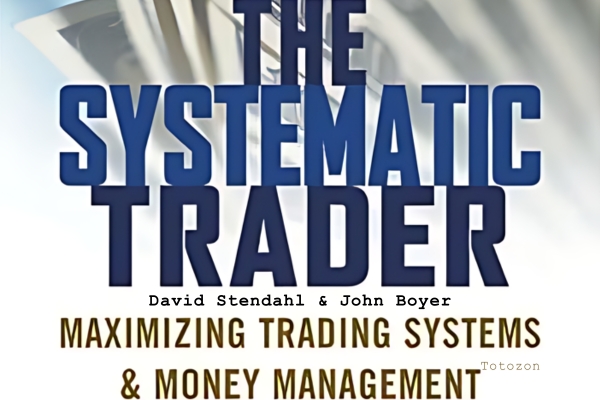 The Systematic Trader: Maximizing Trading Systems and Money Management with David Stendahl & John Boyer
1 × $6.00
The Systematic Trader: Maximizing Trading Systems and Money Management with David Stendahl & John Boyer
1 × $6.00 -
×
 Algo Trading Masterclass with Ali Casey - StatOasis
1 × $23.00
Algo Trading Masterclass with Ali Casey - StatOasis
1 × $23.00 -
×
 Developing Profitable Systems from Discretionary to Mechanical with Fred Shutzman
1 × $6.00
Developing Profitable Systems from Discretionary to Mechanical with Fred Shutzman
1 × $6.00 -
×
 IBD Advanced Buying Strategies Home Study Program
1 × $10.00
IBD Advanced Buying Strategies Home Study Program
1 × $10.00 -
×
 Square The Range Trading System with Michael Jenkins
1 × $6.00
Square The Range Trading System with Michael Jenkins
1 × $6.00 -
×
 Cycle Hunter Support with Brian James Sklenka
1 × $6.00
Cycle Hunter Support with Brian James Sklenka
1 × $6.00 -
×
 The Orderflow Masterclass with PrimeTrading
1 × $17.00
The Orderflow Masterclass with PrimeTrading
1 × $17.00 -
×
 Fractal Markets FX (SMC)
1 × $5.00
Fractal Markets FX (SMC)
1 × $5.00 -
×
 High Powered Investing with Amine Bouchentouf
1 × $6.00
High Powered Investing with Amine Bouchentouf
1 × $6.00 -
×
 Elite Mentorship Home Study - 3T Live with Sami Abusaad
1 × $5.00
Elite Mentorship Home Study - 3T Live with Sami Abusaad
1 × $5.00 -
×
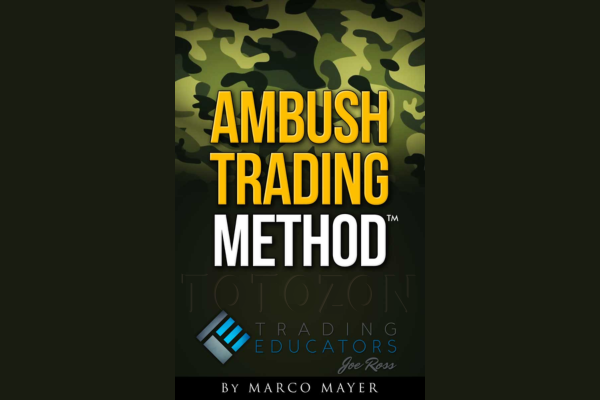 Ambush Trading Method (EBOOK) with MARCO MAYER - Trading Educators
1 × $256.00
Ambush Trading Method (EBOOK) with MARCO MAYER - Trading Educators
1 × $256.00 -
×
 ICT Prodigy Trading Course – $650K in Payouts with Alex Solignani
1 × $15.00
ICT Prodigy Trading Course – $650K in Payouts with Alex Solignani
1 × $15.00 -
×
 Quant Edge with T3 Live
1 × $6.00
Quant Edge with T3 Live
1 × $6.00 -
×
 Project Gorilla
1 × $5.00
Project Gorilla
1 × $5.00 -
×
 The Inner Circle Seminar
1 × $15.00
The Inner Circle Seminar
1 × $15.00 -
×
 All About Stock Market Strategies: The Easy Way To Get Started (All About Series) with David Brown
1 × $6.00
All About Stock Market Strategies: The Easy Way To Get Started (All About Series) with David Brown
1 × $6.00 -
×
 Futures & Options from A to Z with Russell Wassendorf
1 × $6.00
Futures & Options from A to Z with Russell Wassendorf
1 × $6.00 -
×
 How to Trade Options 101 2021 with The Travel Trader
1 × $54.00
How to Trade Options 101 2021 with The Travel Trader
1 × $54.00 -
×
 A New Look at Exit Strategies with Charles LeBeau
1 × $6.00
A New Look at Exit Strategies with Charles LeBeau
1 × $6.00 -
×
 Forex Fortune Factory with Nehemiah Douglass & Cottrell Phillip
1 × $5.00
Forex Fortune Factory with Nehemiah Douglass & Cottrell Phillip
1 × $5.00 -
×
 A Trader’s Guide To Discipline
1 × $6.00
A Trader’s Guide To Discipline
1 × $6.00 -
×
 White Phoenix’s The Smart (Money) Approach to Trading with Jayson Casper
1 × $39.00
White Phoenix’s The Smart (Money) Approach to Trading with Jayson Casper
1 × $39.00 -
×
 Advanced Trading System 2020
1 × $179.00
Advanced Trading System 2020
1 × $179.00 -
×
 The Orderflows Trade Opportunities Encyclopedia with Michael Valtos
1 × $8.00
The Orderflows Trade Opportunities Encyclopedia with Michael Valtos
1 × $8.00 -
×
 Day Trading Options Guide PDF with Matt Diamond
1 × $23.00
Day Trading Options Guide PDF with Matt Diamond
1 × $23.00 -
×
 4D Bootcamp with Black Rabbit
1 × $10.00
4D Bootcamp with Black Rabbit
1 × $10.00 -
×
 Baby Blue Trading Technique for the E-Minis with Dave Wright
1 × $6.00
Baby Blue Trading Technique for the E-Minis with Dave Wright
1 × $6.00 -
×
 The First Time Investors Workbook with Joe Jonh Duran & Larry Chambers
1 × $6.00
The First Time Investors Workbook with Joe Jonh Duran & Larry Chambers
1 × $6.00 -
×
 The Trading Blueprint with Brad Goh - The Trading Geek
1 × $5.00
The Trading Blueprint with Brad Goh - The Trading Geek
1 × $5.00 -
×
 Common Sense on Mutual Funds: Fully Updated 10th Anniversary Edition with John Bogle
1 × $6.00
Common Sense on Mutual Funds: Fully Updated 10th Anniversary Edition with John Bogle
1 × $6.00 -
×
 Alexander Elder Full Courses Package
1 × $6.00
Alexander Elder Full Courses Package
1 × $6.00 -
×
 The Great Depression with David Burg
1 × $6.00
The Great Depression with David Burg
1 × $6.00 -
×
 Order flow self-study training program with iMFtracker
1 × $10.00
Order flow self-study training program with iMFtracker
1 × $10.00 -
×
 Best of the Best: Collars with Amy Meissner & Scott Ruble
1 × $15.00
Best of the Best: Collars with Amy Meissner & Scott Ruble
1 × $15.00
Extreme Events: Robust Portfolio Construction in the Presence of Fat Tails with Malcolm Kemp
Original price was: $87.00.$6.00Current price is: $6.00.
File Size: Coming soon!
Delivery Time: 1–12 hours
Media Type: Online Course
Content Proof: Watch Here!
You may check content proof of “Extreme Events: Robust Portfolio Construction in the Presence of Fat Tails with Malcolm Kemp” below:

Extreme Events: Robust Portfolio Construction in the Presence of Fat Tails with Malcolm Kemp
Introduction to Extreme Events
Financial markets are no strangers to extreme events. These events, often unpredictable and with significant impact, can derail even the most well-constructed portfolios. Malcolm Kemp’s insights on robust portfolio construction in the presence of fat tails provide valuable strategies for navigating these turbulent times.
Understanding Fat Tails
What Are Fat Tails?
Fat tails refer to the probability distribution of returns that show higher than normal likelihood of extreme outcomes. Unlike the normal distribution, which assumes most data points lie close to the mean, fat tails indicate a greater chance of extreme values.
Significance of Fat Tails in Finance
In finance, fat tails mean that extreme events (both positive and negative) are more likely than traditional models predict. Recognizing this helps investors prepare for potential market shocks.
Challenges of Extreme Events
Market Volatility
Extreme events often lead to heightened market volatility, making it challenging to predict price movements and manage risk.
Portfolio Risk
Traditional risk management techniques may fail during extreme events. Portfolios need to be constructed with an understanding of the potential for fat tails.
Malcolm Kemp’s Approach to Robust Portfolio Construction
Emphasizing Robustness
Kemp stresses the importance of building portfolios that can withstand extreme events. This involves incorporating strategies that mitigate the impact of fat tails.
Diversification
Diversification remains a cornerstone strategy. By spreading investments across various asset classes, sectors, and geographies, investors can reduce the impact of any single extreme event.
Key Components of Robust Portfolio Construction
Risk Assessment
Value at Risk (VaR)
Value at Risk (VaR) measures the maximum potential loss over a specified period at a given confidence level. While useful, VaR may underestimate risk during extreme events.
Stress Testing
Stress testing involves simulating extreme market conditions to assess portfolio resilience. This helps identify weaknesses and areas for improvement.
Asset Allocation
Allocating assets based on their risk and return profiles is crucial. Including a mix of equities, bonds, commodities, and alternative investments can enhance portfolio robustness.
Tail Risk Hedging
Tail risk hedging involves strategies designed to protect against extreme market moves. Options and derivatives can be used to hedge against significant losses.
Strategies for Managing Fat Tails
Using Derivatives
Options
Options provide a way to hedge against extreme events by giving the right, but not the obligation, to buy or sell an asset at a predetermined price.
Futures
Futures contracts can be used to lock in prices and reduce uncertainty, offering protection against extreme price movements.
Alternative Investments
Including alternative investments like real estate, private equity, and hedge funds can diversify risk and provide additional protection during extreme events.
Dynamic Rebalancing
Regularly rebalancing the portfolio ensures that it remains aligned with risk tolerance and investment goals, especially during volatile periods.
Case Studies in Robust Portfolio Construction
Successful Hedge Funds
Hedge funds that navigated the 2008 financial crisis effectively often employed robust strategies, including diversification and tail risk hedging.
Institutional Investors
Institutional investors, such as pension funds, use sophisticated models and stress tests to build resilient portfolios capable of withstanding extreme events.
Common Pitfalls in Managing Extreme Events
Overconfidence in Models
Relying too heavily on models that assume normal distribution can lead to underestimating the risk of extreme events. Kemp advises maintaining a healthy skepticism and regularly updating models.
Ignoring Correlations
During extreme events, asset correlations can change dramatically. Ignoring this can lead to unexpected losses, highlighting the need for dynamic risk management.
Practical Steps for Building a Robust Portfolio
Step-by-Step Guide
- Assess Risk Tolerance: Understand your risk tolerance and investment goals.
- Diversify Investments: Spread investments across various asset classes.
- Incorporate Derivatives: Use options and futures for hedging.
- Conduct Stress Tests: Simulate extreme scenarios to test portfolio resilience.
- Regularly Rebalance: Adjust the portfolio to maintain alignment with risk tolerance and goals.
Tools and Resources
Utilize financial software for risk assessment and stress testing. Platforms like Bloomberg, MSCI, and RiskMetrics offer robust tools for portfolio management.
Future Trends in Robust Portfolio Construction
Artificial Intelligence and Machine Learning
AI and machine learning can enhance portfolio construction by identifying patterns and predicting extreme events more accurately.
Real-Time Data Analysis
Advancements in real-time data analysis enable quicker response to market changes, improving portfolio resilience.
Sustainable Investing
Incorporating environmental, social, and governance (ESG) factors can enhance portfolio robustness by focusing on sustainable and resilient companies.
Conclusion
Building a robust portfolio capable of withstanding extreme events requires a deep understanding of fat tails and market dynamics. Malcolm Kemp’s strategies provide a comprehensive framework for managing risk and optimizing returns in the face of uncertainty. By focusing on diversification, dynamic rebalancing, and innovative risk management techniques, investors can navigate the complexities of financial markets more effectively.
FAQs
1. What are fat tails in finance?
Fat tails refer to the higher probability of extreme outcomes in the distribution of returns, indicating a greater likelihood of significant market events.
2. How can diversification help in robust portfolio construction?
Diversification spreads investments across various asset classes, reducing the impact of any single extreme event on the portfolio.
3. What is tail risk hedging?
Tail risk hedging involves using strategies, such as options and derivatives, to protect against significant losses during extreme market movements.
4. Why is stress testing important in portfolio management?
Stress testing simulates extreme market conditions to assess portfolio resilience, identifying weaknesses and areas for improvement.
5. How can AI and machine learning improve portfolio construction?
AI and machine learning can identify patterns, predict extreme events more accurately, and enhance real-time data analysis, improving portfolio robustness.
Be the first to review “Extreme Events: Robust Portfolio Construction in the Presence of Fat Tails with Malcolm Kemp”
You must be logged in to post a review.
Related products

Forex Trading
The Complete Guide to Multiple Time Frame Analysis & Reading Price Action with Aiman Almansoori
Original price was: $1,399.00.$13.00Current price is: $13.00.
Forex Trading
Original price was: $2,000.00.$23.00Current price is: $23.00.

Forex Trading
Original price was: $999.00.$15.00Current price is: $15.00.

Forex Trading
Original price was: $797.00.$10.00Current price is: $10.00.

Original price was: $997.00.$8.00Current price is: $8.00.

Original price was: $695.00.$41.00Current price is: $41.00.
Original price was: $450.00.$23.00Current price is: $23.00.
Original price was: $299.00.$8.00Current price is: $8.00.
Forex Trading
Original price was: $4,997.00.$27.00Current price is: $27.00.

Original price was: $895.00.$15.00Current price is: $15.00.
Forex Trading
Original price was: $697.00.$5.00Current price is: $5.00.
Original price was: $2,120.00.$15.00Current price is: $15.00.
Original price was: $799.00.$15.00Current price is: $15.00.

Forex Trading
Original price was: $1,098.00.$39.00Current price is: $39.00.

Original price was: $310.00.$23.00Current price is: $23.00.
Original price was: $1,849.00.$15.00Current price is: $15.00.
Original price was: $1,800.00.$54.00Current price is: $54.00.

Original price was: $197.00.$5.00Current price is: $5.00.

Original price was: $139.00.$23.00Current price is: $23.00.

Forex Trading
Original price was: $397.00.$31.00Current price is: $31.00.

Reviews
There are no reviews yet.