
-
×
 The Orderflow Masterclass with PrimeTrading
1 × $17.00
The Orderflow Masterclass with PrimeTrading
1 × $17.00 -
×
 Dynamic Time Cycles with Peter Eliades
1 × $6.00
Dynamic Time Cycles with Peter Eliades
1 × $6.00 -
×
 Sami Abusaad Elite Mentorship
1 × $31.00
Sami Abusaad Elite Mentorship
1 × $31.00 -
×
 Electronic Trading "TNT" I Gorilla Trading Stuff with Joe Ross & Mark Cherlin
1 × $6.00
Electronic Trading "TNT" I Gorilla Trading Stuff with Joe Ross & Mark Cherlin
1 × $6.00 -
×
 Stock Market Winners with Maria Crawford Scott, John Bajkowski
1 × $6.00
Stock Market Winners with Maria Crawford Scott, John Bajkowski
1 × $6.00 -
×
 Code 6 + 7 Course with Oil Trading Academy
1 × $41.00
Code 6 + 7 Course with Oil Trading Academy
1 × $41.00 -
×
 The Streetsmart Guide to Timing the Stock Market with Colin Alexander
1 × $6.00
The Streetsmart Guide to Timing the Stock Market with Colin Alexander
1 × $6.00 -
×
 Compass Trading System with Right Line Trading
1 × $39.00
Compass Trading System with Right Line Trading
1 × $39.00 -
×
 Commodity Trading Video Course with Bob Buran
1 × $6.00
Commodity Trading Video Course with Bob Buran
1 × $6.00 -
×
 An Introduction to Market Risk Measurement with Kevin Dowd
1 × $6.00
An Introduction to Market Risk Measurement with Kevin Dowd
1 × $6.00 -
×
 The House Always Wins with jasonbondpicks
1 × $6.00
The House Always Wins with jasonbondpicks
1 × $6.00 -
×
 CFA Level 3 - Examination Morning Session – Essay (2002)
1 × $6.00
CFA Level 3 - Examination Morning Session – Essay (2002)
1 × $6.00 -
×
 Core Strategy Program with Ota Courses
1 × $174.00
Core Strategy Program with Ota Courses
1 × $174.00 -
×
 The Stock Market Trading Secrets of the Late (1940, scaned)
1 × $6.00
The Stock Market Trading Secrets of the Late (1940, scaned)
1 × $6.00 -
×
 Forex Mentor Seminar with Peter Bain
1 × $6.00
Forex Mentor Seminar with Peter Bain
1 × $6.00 -
×
 Altucher’s Top 1% Advisory Newsletter 2016 with James Altucher
1 × $6.00
Altucher’s Top 1% Advisory Newsletter 2016 with James Altucher
1 × $6.00 -
×
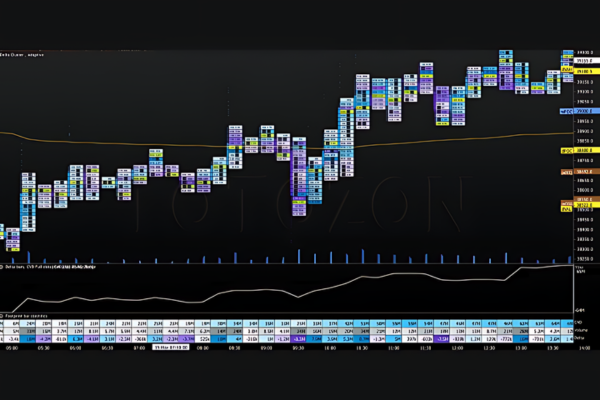 Advanced Trading Course - Footprint Charts, Market Profile & TPO with Jayson Casper
1 × $31.00
Advanced Trading Course - Footprint Charts, Market Profile & TPO with Jayson Casper
1 × $31.00 -
×
 ENG Renko Mastery with International Scalpers
1 × $10.00
ENG Renko Mastery with International Scalpers
1 × $10.00 -
×
 Advanced Risk Reversals and Rolling Thunder with Stratagem Trade
1 × $54.00
Advanced Risk Reversals and Rolling Thunder with Stratagem Trade
1 × $54.00 -
×
 Theo Trade - 128 Course Bundle
1 × $93.00
Theo Trade - 128 Course Bundle
1 × $93.00 -
×
 Ichimoku Cloud Triple Confirmation Indicator and Scan with AlphaShark
1 × $31.00
Ichimoku Cloud Triple Confirmation Indicator and Scan with AlphaShark
1 × $31.00 -
×
 Equity Valuation for Analysts and Investors: A Unique Stock Valuation Tool for Financial Statement Analysis and Model-Building with James Kelleher
1 × $6.00
Equity Valuation for Analysts and Investors: A Unique Stock Valuation Tool for Financial Statement Analysis and Model-Building with James Kelleher
1 × $6.00 -
×
 Jtrader - A+ Setups Small Caps
1 × $23.00
Jtrader - A+ Setups Small Caps
1 × $23.00 -
×
 The Indices Orderflow Masterclass with The Forex Scalpers
1 × $23.00
The Indices Orderflow Masterclass with The Forex Scalpers
1 × $23.00 -
×
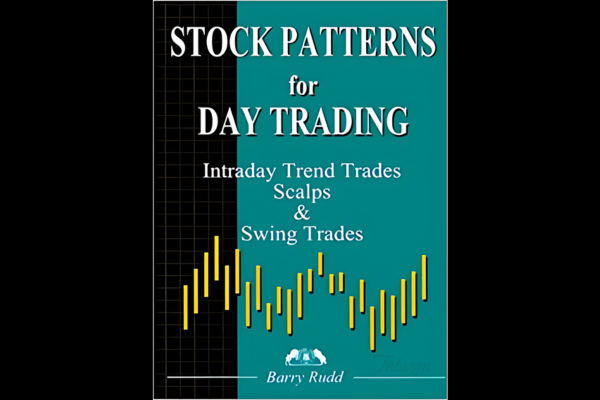 Stock Patterns for DayTrading. Home Study Course
1 × $6.00
Stock Patterns for DayTrading. Home Study Course
1 × $6.00 -
×
 A Bull in China with Jim Rogers
1 × $6.00
A Bull in China with Jim Rogers
1 × $6.00 -
×
 Trading Trend Pullbacks - 3-Step Technical Analysis Method with Richard Deutsch
1 × $6.00
Trading Trend Pullbacks - 3-Step Technical Analysis Method with Richard Deutsch
1 × $6.00 -
×
 Smart Money Course with Forex XL
1 × $6.00
Smart Money Course with Forex XL
1 × $6.00 -
×
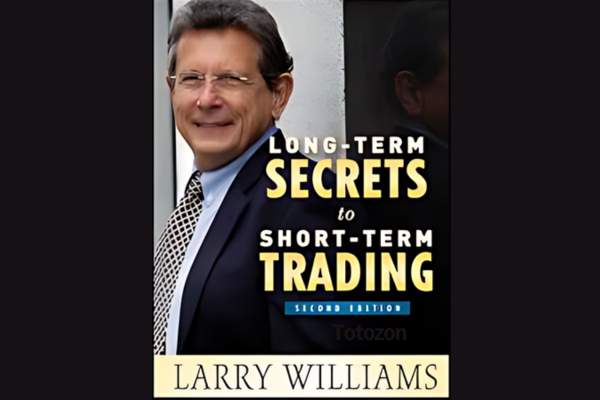 Long-Term Secrets to Short-Term Trading (Ebook) with Larry Williams
1 × $6.00
Long-Term Secrets to Short-Term Trading (Ebook) with Larry Williams
1 × $6.00 -
×
 Developing Mindfulness: The Observer of Thought with Traders State Of Mind
1 × $6.00
Developing Mindfulness: The Observer of Thought with Traders State Of Mind
1 × $6.00 -
×
 The Orderflows Trade Opportunities Encyclopedia with Michael Valtos
1 × $8.00
The Orderflows Trade Opportunities Encyclopedia with Michael Valtos
1 × $8.00 -
×
 How I use Technical Analysis & Orderflow with Adam Webb - Traderskew
1 × $54.00
How I use Technical Analysis & Orderflow with Adam Webb - Traderskew
1 × $54.00 -
×
 Forex Strategy Course with Angel Traders
1 × $6.00
Forex Strategy Course with Angel Traders
1 × $6.00 -
×
 The Late-Start Investor with John Wasik
1 × $6.00
The Late-Start Investor with John Wasik
1 × $6.00 -
×
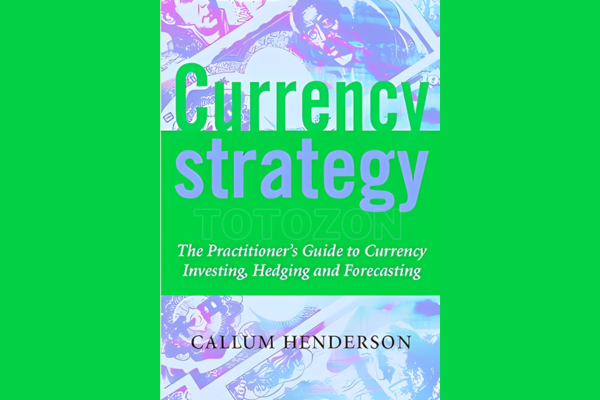 Currency Strategy with Callum Henderson
1 × $6.00
Currency Strategy with Callum Henderson
1 × $6.00 -
×
 Getting Started in Forex Trading Strategies with Michael Duane Archer
1 × $6.00
Getting Started in Forex Trading Strategies with Michael Duane Archer
1 × $6.00 -
×
 TRADING NFX Course with Andrew NFX
1 × $5.00
TRADING NFX Course with Andrew NFX
1 × $5.00 -
×
 Mastertrader – Mastering Swing Trading
1 × $31.00
Mastertrader – Mastering Swing Trading
1 × $31.00 -
×
 Price Ladder Training
1 × $15.00
Price Ladder Training
1 × $15.00 -
×
 Street-Smart Chart Reading – Volume 1 – The Rudiments with Donald G.Worden
1 × $6.00
Street-Smart Chart Reading – Volume 1 – The Rudiments with Donald G.Worden
1 × $6.00 -
×
 Limitless Trading Academy with Lorenzo Corrado
1 × $10.00
Limitless Trading Academy with Lorenzo Corrado
1 × $10.00 -
×
 Managing Debt for Dummies with John Ventura
1 × $6.00
Managing Debt for Dummies with John Ventura
1 × $6.00 -
×
 Order flow self-study training program with iMFtracker
1 × $10.00
Order flow self-study training program with iMFtracker
1 × $10.00 -
×
 Developing the Psychological Trader’s Edge with Robin Dayne
1 × $6.00
Developing the Psychological Trader’s Edge with Robin Dayne
1 × $6.00 -
×
 Cyber Trading University - Power Trading 7 CD
1 × $8.00
Cyber Trading University - Power Trading 7 CD
1 × $8.00 -
×
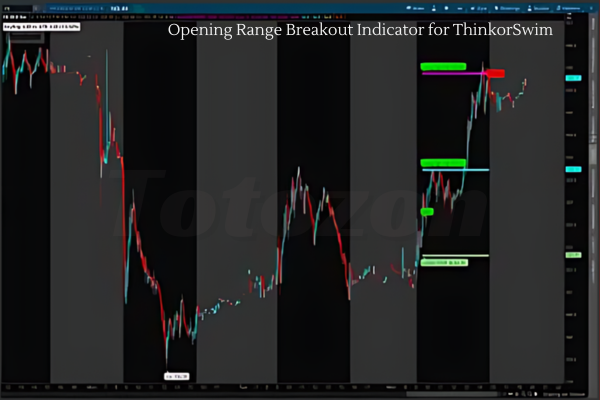 Opening Range Breakout Indicator for ThinkorSwim
1 × $6.00
Opening Range Breakout Indicator for ThinkorSwim
1 × $6.00 -
×
 Options Trading & Ultimate MasterClass With Tyrone Abela - FX Evolution
1 × $54.00
Options Trading & Ultimate MasterClass With Tyrone Abela - FX Evolution
1 × $54.00 -
×
 Options On Futures Class By Mark Fenton - Sheridan Options Mentoring
1 × $6.00
Options On Futures Class By Mark Fenton - Sheridan Options Mentoring
1 × $6.00 -
×
 Vertical Spreads. Strategy Intensive
1 × $4.00
Vertical Spreads. Strategy Intensive
1 × $4.00 -
×
 Forex Supreme Course with Ethan Wilson
1 × $6.00
Forex Supreme Course with Ethan Wilson
1 × $6.00 -
×
 Pairs Trading: Quantitative Methods and Analysis with Ganapathy Vidyamurthy
1 × $6.00
Pairs Trading: Quantitative Methods and Analysis with Ganapathy Vidyamurthy
1 × $6.00 -
×
 Analysis Of Entry Signals (Technicals) with Joe Marwood
1 × $15.00
Analysis Of Entry Signals (Technicals) with Joe Marwood
1 × $15.00 -
×
 4 Day Trading Bootcamp
1 × $31.00
4 Day Trading Bootcamp
1 × $31.00 -
×
 Mastering High Probability Chart Reading Methods with John Murphy
1 × $6.00
Mastering High Probability Chart Reading Methods with John Murphy
1 × $6.00 -
×
 The Trader's Mindset Course with Chris Mathews
1 × $6.00
The Trader's Mindset Course with Chris Mathews
1 × $6.00 -
×
 Forex Trading Systems Elearning Course - Busted Breakout System with Van Tharp
1 × $6.00
Forex Trading Systems Elearning Course - Busted Breakout System with Van Tharp
1 × $6.00 -
×
 Algo Trading Masterclass with Ali Casey - StatOasis
1 × $23.00
Algo Trading Masterclass with Ali Casey - StatOasis
1 × $23.00 -
×
 Altcoin Investing Course with Rekt Capital
1 × $5.00
Altcoin Investing Course with Rekt Capital
1 × $5.00 -
×
 Futures Trading Secrets Home Study Course 2004 with Bill McCready
1 × $7.00
Futures Trading Secrets Home Study Course 2004 with Bill McCready
1 × $7.00 -
×
 CFA Level 1,2 & 3 Complete Course 2010 48 CD’s with Schweser
1 × $6.00
CFA Level 1,2 & 3 Complete Course 2010 48 CD’s with Schweser
1 × $6.00 -
×
 Trading with Oscillators. Pinpointing Market Extremes with Mark Etzkorn
1 × $6.00
Trading with Oscillators. Pinpointing Market Extremes with Mark Etzkorn
1 × $6.00 -
×
 The Day Trading ES Futures Blueprint Class with Corey Rosenbloom
1 × $6.00
The Day Trading ES Futures Blueprint Class with Corey Rosenbloom
1 × $6.00 -
×
 3 Day WorkShop with HYDRA
1 × $13.00
3 Day WorkShop with HYDRA
1 × $13.00 -
×
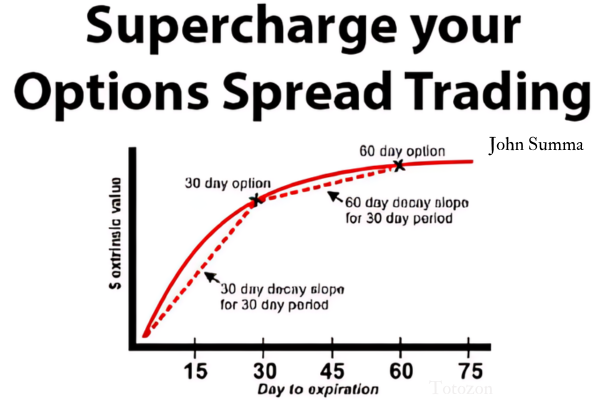 Supercharge your Options Spread Trading with John Summa
1 × $6.00
Supercharge your Options Spread Trading with John Summa
1 × $6.00 -
×
 Equity Research and Valuation Techniques with Kemp Dolliver
1 × $6.00
Equity Research and Valuation Techniques with Kemp Dolliver
1 × $6.00 -
×
 Quant Edge with T3 Live
1 × $6.00
Quant Edge with T3 Live
1 × $6.00 -
×
 The Decision-Making Process and Forward with Peter Steidlmayer
1 × $4.00
The Decision-Making Process and Forward with Peter Steidlmayer
1 × $4.00 -
×
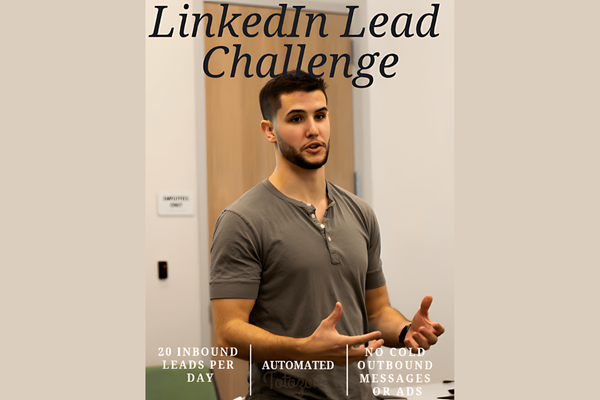 LinkedIn Lead Challenge with Jimmy Coleman
1 × $15.00
LinkedIn Lead Challenge with Jimmy Coleman
1 × $15.00 -
×
 Best of the Best: Collars with Amy Meissner & Scott Ruble
1 × $15.00
Best of the Best: Collars with Amy Meissner & Scott Ruble
1 × $15.00 -
×
 HYDRA 3 Day Bootcamp
1 × $5.00
HYDRA 3 Day Bootcamp
1 × $5.00 -
×
 Tape Reading Big Caps 1 on 1 with Jtrader
1 × $6.00
Tape Reading Big Caps 1 on 1 with Jtrader
1 × $6.00 -
×
 Guide to Winning with Automated Trading Systems with Jack Schwager
1 × $6.00
Guide to Winning with Automated Trading Systems with Jack Schwager
1 × $6.00 -
×
 Trading the Post with Ron Friedman
1 × $5.00
Trading the Post with Ron Friedman
1 × $5.00 -
×
 Support and Resistance Trading with Rob Booker
1 × $6.00
Support and Resistance Trading with Rob Booker
1 × $6.00 -
×
 Complete Gunner24 Trading & Forecasting Course
1 × $6.00
Complete Gunner24 Trading & Forecasting Course
1 × $6.00 -
×
 Fundamentals of Forex Trading with Joshua Garrison
1 × $5.00
Fundamentals of Forex Trading with Joshua Garrison
1 × $5.00 -
×
 Futures Trading Blueprint with Day Trader Next Door
1 × $5.00
Futures Trading Blueprint with Day Trader Next Door
1 × $5.00 -
×
 Price Action Trading with Bill Eykyn
1 × $6.00
Price Action Trading with Bill Eykyn
1 × $6.00 -
×
 Divorcing the Dow: Using Revolutionary Market Indicators to Profit from the Stealth Boom Ahead - Jim Troup & Sharon Michalsky
1 × $6.00
Divorcing the Dow: Using Revolutionary Market Indicators to Profit from the Stealth Boom Ahead - Jim Troup & Sharon Michalsky
1 × $6.00 -
×
 Commodities and Commodity Derivatives: Modeling and Pricing for Agriculturals, Metals and Energy - Helyette Geman
1 × $6.00
Commodities and Commodity Derivatives: Modeling and Pricing for Agriculturals, Metals and Energy - Helyette Geman
1 × $6.00 -
×
 Becoming a Disciplined Trader: Techniques for Achieving Peak Trading Performance with Ari Kiev
1 × $6.00
Becoming a Disciplined Trader: Techniques for Achieving Peak Trading Performance with Ari Kiev
1 × $6.00 -
×
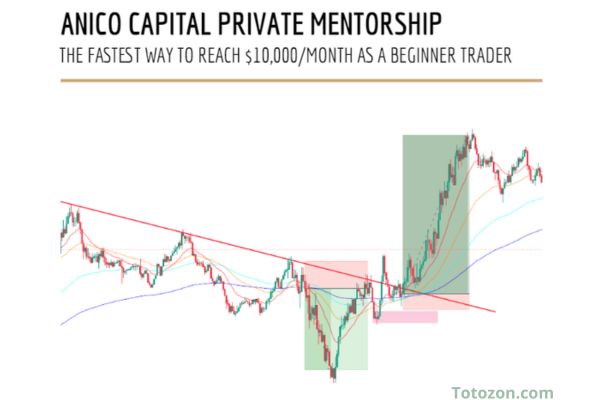 Private Mentorship with ANICO Capital
1 × $10.00
Private Mentorship with ANICO Capital
1 × $10.00 -
×
 Sun Tzu and the Art of War for Traders with Dean Lundell
1 × $6.00
Sun Tzu and the Art of War for Traders with Dean Lundell
1 × $6.00 -
×
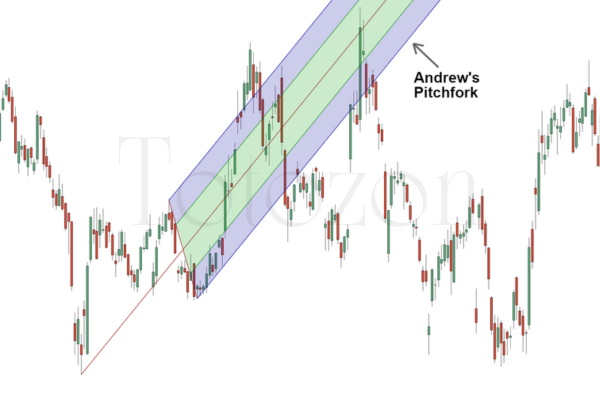 Andrews Pitchfork Basic
1 × $6.00
Andrews Pitchfork Basic
1 × $6.00 -
×
 Forex 201 - Advanced Strategies with Stonehill Forex
1 × $5.00
Forex 201 - Advanced Strategies with Stonehill Forex
1 × $5.00 -
×
 Advanced Spread Trading with Guy Bower - MasterClass Trader
1 × $15.00
Advanced Spread Trading with Guy Bower - MasterClass Trader
1 × $15.00 -
×
 Analysis Of Entry Signals Part Two (Fundamentals) with Joe Marwood
1 × $23.00
Analysis Of Entry Signals Part Two (Fundamentals) with Joe Marwood
1 × $23.00 -
×
 Investment Illusions with Martin S.Fridson
1 × $6.00
Investment Illusions with Martin S.Fridson
1 × $6.00 -
×
 T.A.M.E. Home Study Course with Doug Sutton
1 × $6.00
T.A.M.E. Home Study Course with Doug Sutton
1 × $6.00 -
×
 Ultimate Trading Course with Dodgy's Dungeon
1 × $8.00
Ultimate Trading Course with Dodgy's Dungeon
1 × $8.00 -
×
 Forecast 2024 Clarification with Larry Williams
1 × $15.00
Forecast 2024 Clarification with Larry Williams
1 × $15.00 -
×
 Multi Asset Class Investment Strategy with Guy Fraser-Sampson
1 × $6.00
Multi Asset Class Investment Strategy with Guy Fraser-Sampson
1 × $6.00 -
×
 Crypto Trading Academy with Cheeky Investor - Aussie Day Trader
1 × $13.00
Crypto Trading Academy with Cheeky Investor - Aussie Day Trader
1 × $13.00 -
×
 The Future of Investing with Chris Skinner
1 × $6.00
The Future of Investing with Chris Skinner
1 × $6.00 -
×
 Raghee’s Winners Circle Course
1 × $6.00
Raghee’s Winners Circle Course
1 × $6.00 -
×
 0 DTE Options Trading Workshop with Aeromir Corporation
1 × $15.00
0 DTE Options Trading Workshop with Aeromir Corporation
1 × $15.00 -
×
 Investment Psychology. Explained Classic Strategies to Beat the Markets with Martin Pring
1 × $6.00
Investment Psychology. Explained Classic Strategies to Beat the Markets with Martin Pring
1 × $6.00 -
×
 CFA Level 3- Examination Morning Session – Essay (2004)
1 × $6.00
CFA Level 3- Examination Morning Session – Essay (2004)
1 × $6.00
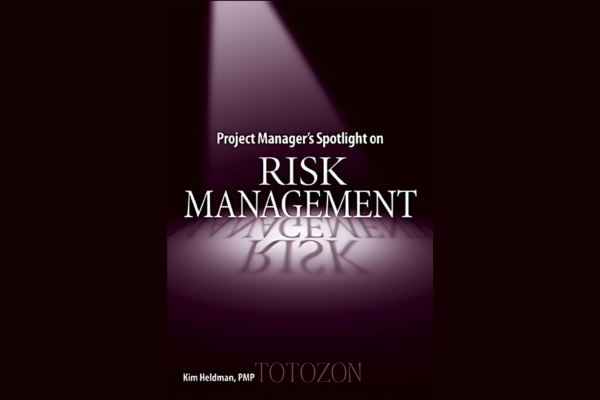
Project Manager’s Spotlight on Risk Management with Kim Heldman
Original price was: $12.00.$5.00Current price is: $5.00.
File Size: Coming soon!
Delivery Time: 1–12 hours
Media Type: Online Course
Project Manager’s Spotlight on Risk Management with Kim Heldman
Introduction to Risk Management
In the complex world of project management, risk management is a crucial component that can determine the success or failure of a project. Kim Heldman, a renowned project management expert, shines a spotlight on this critical area in her book “Project Manager’s Spotlight on Risk Management.” This article delves into the key concepts, strategies, and insights presented by Heldman, providing a comprehensive guide for project managers.
Who is Kim Heldman?
Background and Expertise
Kim Heldman is a highly respected project management professional with over two decades of experience. She is the author of numerous books on project management, focusing on risk management, project planning, and execution.
Contributions to Project Management
Heldman’s contributions to project management literature are significant. Her books and articles provide practical insights and strategies that help project managers navigate the complexities of risk management effectively.
Understanding Risk Management
What is Risk Management?
Risk management involves identifying, assessing, and prioritizing risks followed by coordinated efforts to minimize, monitor, and control the probability or impact of unfortunate events.
Importance of Risk Management
Effective risk management ensures that potential problems are identified early, allowing for proactive measures to mitigate risks and maximize opportunities.
The Risk Management Process
Identifying Risks
Tools and Techniques
Heldman emphasizes the importance of using various tools and techniques to identify risks, such as brainstorming sessions, SWOT analysis, and expert judgment.
Documentation
Proper documentation of identified risks is crucial for tracking and managing them throughout the project lifecycle.
Assessing Risks
Qualitative Risk Analysis
This involves assessing the impact and likelihood of identified risks using a qualitative approach, such as risk matrices and probability-impact grids.
Quantitative Risk Analysis
Quantitative risk analysis uses numerical methods to quantify the impact of risks, providing a more detailed understanding of potential outcomes.
Prioritizing Risks
Risk Ranking
Heldman suggests ranking risks based on their potential impact and likelihood, enabling project managers to focus on the most critical risks.
Risk Appetite
Understanding the organization’s risk appetite helps in prioritizing risks and determining the level of risk that can be accepted.
Planning Risk Responses
Response Strategies
Heldman outlines various response strategies, including avoidance, mitigation, transfer, and acceptance, to manage risks effectively.
Contingency Plans
Developing contingency plans ensures that the project team is prepared to respond to risks promptly and effectively.
Monitoring and Controlling Risks
Regular Reviews
Regular risk reviews and updates to the risk management plan are essential for keeping track of risks and their status.
Performance Metrics
Using performance metrics helps in evaluating the effectiveness of risk management efforts and making necessary adjustments.
Practical Applications of Risk Management
Case Studies
Heldman’s book includes numerous case studies that illustrate the practical application of risk management principles in real-world projects.
Best Practices
Adopting best practices, such as involving stakeholders in risk management and maintaining open communication, enhances the effectiveness of risk management efforts.
Benefits of Effective Risk Management
Improved Project Outcomes
Effective risk management leads to better project outcomes by minimizing negative impacts and maximizing opportunities.
Increased Stakeholder Confidence
Proactive risk management increases stakeholder confidence in the project’s success and the project manager’s ability to handle challenges.
Enhanced Decision-Making
Having a clear understanding of potential risks enables better decision-making and resource allocation.
Challenges in Risk Management
Complexity
Risk management can be complex, especially in large projects with numerous stakeholders and moving parts.
Resistance to Change
Some team members may resist risk management efforts, viewing them as additional work rather than essential activities.
Uncertainty
Dealing with uncertainty is inherent in risk management, making it challenging to predict and manage all potential risks.
Tools and Resources for Risk Management
Software Tools
Various software tools, such as Microsoft Project and Primavera, offer robust features for risk management, including risk identification, assessment, and monitoring.
Educational Resources
Books, courses, and webinars by experts like Kim Heldman provide valuable insights and knowledge for enhancing risk management skills.
Integrating Risk Management with Project Management
Aligning with Project Goals
Risk management should be aligned with the overall project goals and objectives to ensure that it supports the project’s success.
Involving the Team
Involving the entire project team in risk management efforts fosters a collaborative approach and ensures that all potential risks are considered.
Continuous Improvement
Continuous improvement in risk management practices is essential for adapting to new challenges and enhancing the effectiveness of risk management efforts.
Conclusion
“Project Manager’s Spotlight on Risk Management” by Kim Heldman offers a comprehensive guide to mastering risk management in project management. By following the strategies and insights provided by Heldman, project managers can effectively identify, assess, and manage risks, leading to improved project outcomes and increased stakeholder confidence. Embrace these principles and elevate your risk management practices to ensure the success of your projects.
FAQs
What is risk management in project management?
Risk management involves identifying, assessing, and prioritizing risks, followed by coordinated efforts to minimize, monitor, and control their impact on the project.
Who is Kim Heldman?
Kim Heldman is a renowned project management expert with extensive experience and author of several influential books on project management.
What are the key steps in the risk management process?
The key steps include identifying risks, assessing risks, prioritizing risks, planning risk responses, and monitoring and controlling risks.
Why is risk management important in projects?
Effective risk management ensures potential problems are identified early, allowing proactive measures to mitigate risks and maximize opportunities, leading to better project outcomes.
How can I improve my risk management skills?
Improving risk management skills involves continuous learning through books, courses, and webinars, as well as practical application of risk management principles in projects.
Be the first to review “Project Manager’s Spotlight on Risk Management with Kim Heldman”
You must be logged in to post a review.
Related products

Forex Trading
Original price was: $2,995.00.$31.00Current price is: $31.00.
Forex Trading
Original price was: $125.00.$17.00Current price is: $17.00.

Original price was: $649.00.$20.00Current price is: $20.00.
Original price was: $895.00.$15.00Current price is: $15.00.

Forex Trading
Original price was: $850.00.$23.00Current price is: $23.00.

Original price was: $1,200.00.$23.00Current price is: $23.00.
Original price was: $450.00.$23.00Current price is: $23.00.

Original price was: $1,849.00.$15.00Current price is: $15.00.
Forex Trading
Original price was: $2,000.00.$23.00Current price is: $23.00.

Forex Trading
Quantamentals – The Next Great Forefront Of Trading and Investing with Trading Markets
Original price was: $1,495.00.$8.00Current price is: $8.00.

Forex Trading
The Complete Guide to Multiple Time Frame Analysis & Reading Price Action with Aiman Almansoori
Original price was: $1,399.00.$13.00Current price is: $13.00.

Forex Trading
Original price was: $550.00.$5.00Current price is: $5.00.

Forex Trading
Original price was: $697.00.$5.00Current price is: $5.00.

Original price was: $310.00.$23.00Current price is: $23.00.
Original price was: $1,800.00.$54.00Current price is: $54.00.
Forex Trading
Original price was: $999.00.$15.00Current price is: $15.00.

Original price was: $2,120.00.$15.00Current price is: $15.00.

Forex Trading
Original price was: $4,997.00.$27.00Current price is: $27.00.

Original price was: $4,995.00.$15.00Current price is: $15.00.
Forex Trading
Original price was: $239.00.$8.00Current price is: $8.00.
Reviews
There are no reviews yet.