
-
×
 Pristine - Dan Gibby – Market Preparation Trading Gaps & Trading the Open
1 × $6.00
Pristine - Dan Gibby – Market Preparation Trading Gaps & Trading the Open
1 × $6.00 -
×
 SQX Mentorship with Tip Toe Hippo
1 × $23.00
SQX Mentorship with Tip Toe Hippo
1 × $23.00 -
×
 How I Trade Growth Stocks In Bull And Bear Markets
1 × $54.00
How I Trade Growth Stocks In Bull And Bear Markets
1 × $54.00 -
×
 Raghee’s Winners Circle Course
1 × $6.00
Raghee’s Winners Circle Course
1 × $6.00 -
×
 How to Value & Sell your Business with Andrew Heslop
1 × $6.00
How to Value & Sell your Business with Andrew Heslop
1 × $6.00 -
×
 Pattern Trader Pro with ForexStore
1 × $6.00
Pattern Trader Pro with ForexStore
1 × $6.00 -
×
 Fibonacci Trading Course - Money Management & Trend Analysis
1 × $6.00
Fibonacci Trading Course - Money Management & Trend Analysis
1 × $6.00 -
×
 Developing the Psychological Trader’s Edge with Robin Dayne
1 × $6.00
Developing the Psychological Trader’s Edge with Robin Dayne
1 × $6.00 -
×
 IBD Home Study Course Package with Investor's Business Daily
1 × $17.00
IBD Home Study Course Package with Investor's Business Daily
1 × $17.00 -
×
 CFA Level 3 - Examination Morning Session – Essay (2002)
1 × $6.00
CFA Level 3 - Examination Morning Session – Essay (2002)
1 × $6.00 -
×
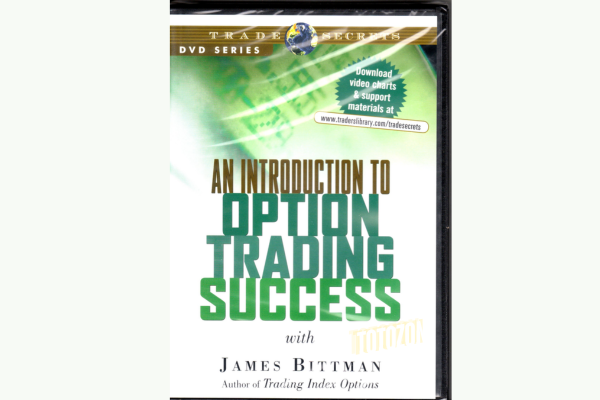 An Introduction to Option Trading Success with James Bittman
1 × $6.00
An Introduction to Option Trading Success with James Bittman
1 × $6.00 -
×
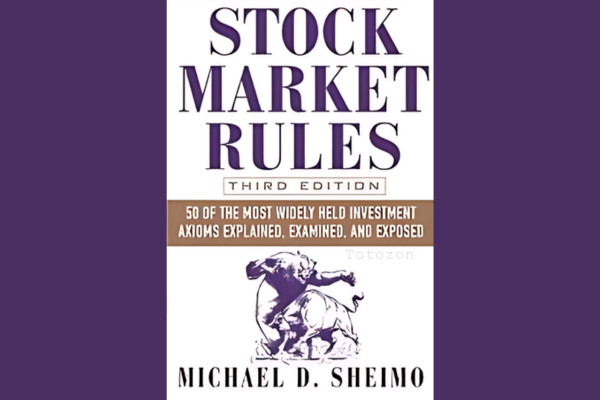 Stock Market Rules (3rd Ed.) with Michael Sheimo
1 × $6.00
Stock Market Rules (3rd Ed.) with Michael Sheimo
1 × $6.00 -
×
 Algo Wizard Essentials Course with Srategy Quant
1 × $13.00
Algo Wizard Essentials Course with Srategy Quant
1 × $13.00 -
×
 The Best of the Professional Traders Journal. Market Timing with Larry Connors
1 × $6.00
The Best of the Professional Traders Journal. Market Timing with Larry Connors
1 × $6.00 -
×
 Startup Trading Masterclass with Jack Gleason
1 × $93.00
Startup Trading Masterclass with Jack Gleason
1 × $93.00 -
×
 Rob’s Swing Trading Methods with Rob Hoffman
1 × $39.00
Rob’s Swing Trading Methods with Rob Hoffman
1 × $39.00 -
×
 Mastering Risk Modeling with Excel by Alastair Day
1 × $6.00
Mastering Risk Modeling with Excel by Alastair Day
1 × $6.00 -
×
 Simpler Options - Insider’s Guide to Generating Income using Options Strategies Course (Oct 2014)
1 × $6.00
Simpler Options - Insider’s Guide to Generating Income using Options Strategies Course (Oct 2014)
1 × $6.00 -
×
 Qualitative - Financial Statement Analysis with Sandesh Banger
1 × $5.00
Qualitative - Financial Statement Analysis with Sandesh Banger
1 × $5.00 -
×
 Fire Your Stock Analyst: Analyzing Stocks on Your Own with Harry Domash
1 × $6.00
Fire Your Stock Analyst: Analyzing Stocks on Your Own with Harry Domash
1 × $6.00 -
×
 Maximum Lots Trading Course with Joe Wright
1 × $34.00
Maximum Lots Trading Course with Joe Wright
1 × $34.00 -
×
 Edz Currency Trading Package with EDZ Trading Academy
1 × $5.00
Edz Currency Trading Package with EDZ Trading Academy
1 × $5.00 -
×
 Knowing Where the Energy is Coming From with Charles Drummond
1 × $6.00
Knowing Where the Energy is Coming From with Charles Drummond
1 × $6.00 -
×
 AutoTrader-Fully Automated Trading System with Trading123
1 × $46.00
AutoTrader-Fully Automated Trading System with Trading123
1 × $46.00 -
×
 Expert Forex Systems with Andrew Fields
1 × $6.00
Expert Forex Systems with Andrew Fields
1 × $6.00 -
×
 Forty Cents for Financial Freedom with Darlene Nelson
1 × $6.00
Forty Cents for Financial Freedom with Darlene Nelson
1 × $6.00 -
×
 Secrets of An Electronic Futures Trader with Larry Levin
1 × $6.00
Secrets of An Electronic Futures Trader with Larry Levin
1 × $6.00 -
×
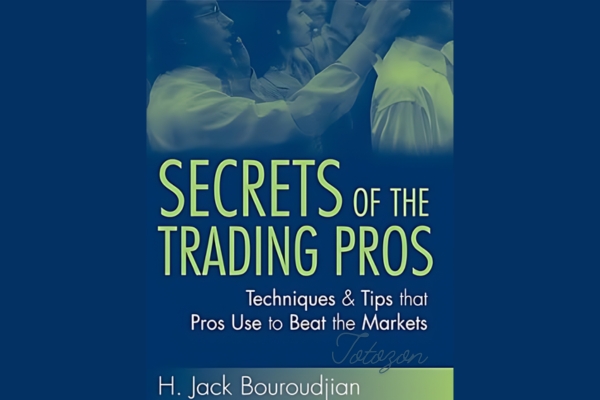 Secrets of the Trading Pros with Jack Bouroudjan & Terrence Duffy
1 × $6.00
Secrets of the Trading Pros with Jack Bouroudjan & Terrence Duffy
1 × $6.00 -
×
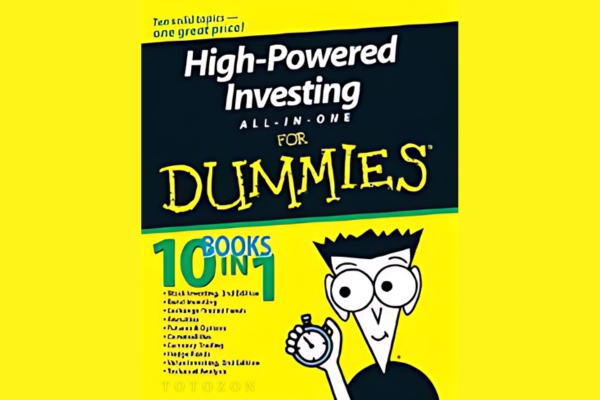 High Powered Investing with Amine Bouchentouf
1 × $6.00
High Powered Investing with Amine Bouchentouf
1 × $6.00 -
×
 Asset Allocation for the Individual Investor with CFA Institute
1 × $6.00
Asset Allocation for the Individual Investor with CFA Institute
1 × $6.00 -
×
 Proven Chart Patterns: Key Indicators for Success in Today’s Markets with Chris Manning
1 × $6.00
Proven Chart Patterns: Key Indicators for Success in Today’s Markets with Chris Manning
1 × $6.00 -
×
 Selling Options For A Living Class with Don Kaufman
1 × $6.00
Selling Options For A Living Class with Don Kaufman
1 × $6.00 -
×
 Handbook on the Knowledge Economy with David Rooney
1 × $6.00
Handbook on the Knowledge Economy with David Rooney
1 × $6.00 -
×
 Stock Traders Almanac 2008 with Jeffrey Hirsch & Yale Hirsch
1 × $6.00
Stock Traders Almanac 2008 with Jeffrey Hirsch & Yale Hirsch
1 × $6.00 -
×
 Exclusive Footprint and Market Profile with Adam Set
1 × $5.00
Exclusive Footprint and Market Profile with Adam Set
1 × $5.00 -
×
 PROPRIETARY TRADING PROGRAM with Bid Ask Trader
1 × $31.00
PROPRIETARY TRADING PROGRAM with Bid Ask Trader
1 × $31.00 -
×
 Day Trading Smart Right From the Start: Trading Essentials for Maximum Results - David Nassar & John Boyer
1 × $6.00
Day Trading Smart Right From the Start: Trading Essentials for Maximum Results - David Nassar & John Boyer
1 × $6.00 -
×
 Dynamite TNT Forex System with Clarence Chee
1 × $6.00
Dynamite TNT Forex System with Clarence Chee
1 × $6.00 -
×
 The Inve$tment A$trology Articles with Alan Richter
1 × $6.00
The Inve$tment A$trology Articles with Alan Richter
1 × $6.00 -
×
 Pairs Trading The Final Frontier with Don Kaufman
1 × $6.00
Pairs Trading The Final Frontier with Don Kaufman
1 × $6.00 -
×
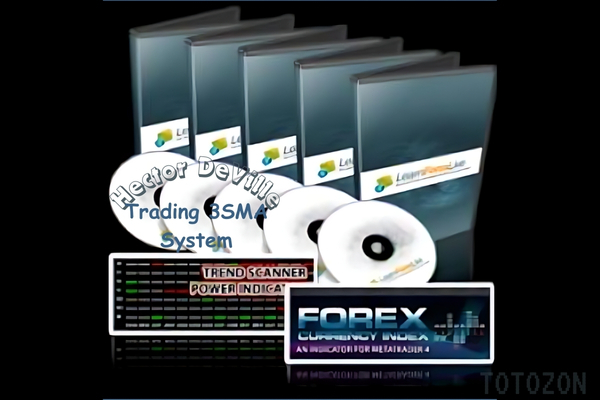 Trading 3SMA System with Hector DeVille
1 × $6.00
Trading 3SMA System with Hector DeVille
1 × $6.00 -
×
 Stable Adaptive Control for Nonlinear Systems with Jeffrey Spooner
1 × $6.00
Stable Adaptive Control for Nonlinear Systems with Jeffrey Spooner
1 × $6.00 -
×
 WondaFX Signature Strategy with WondaFX
1 × $5.00
WondaFX Signature Strategy with WondaFX
1 × $5.00 -
×
 Getting Started in Technical Analysis with Jack Schwager
1 × $6.00
Getting Started in Technical Analysis with Jack Schwager
1 × $6.00 -
×
 Trading with Wave59 with Earik Beann
1 × $6.00
Trading with Wave59 with Earik Beann
1 × $6.00 -
×
 The LP Trading Course
1 × $13.00
The LP Trading Course
1 × $13.00 -
×
 China & the World Trading System with Deborah Cass, Brett Williams & George Barker
1 × $6.00
China & the World Trading System with Deborah Cass, Brett Williams & George Barker
1 × $6.00 -
×
 The Great Reflation with Anthony Boeckh
1 × $6.00
The Great Reflation with Anthony Boeckh
1 × $6.00 -
×
 Super Structure Trading Home Study Course
1 × $23.00
Super Structure Trading Home Study Course
1 × $23.00 -
×
 Street-Smart Chart Reading – Volume 1 – The Rudiments with Donald G.Worden
1 × $6.00
Street-Smart Chart Reading – Volume 1 – The Rudiments with Donald G.Worden
1 × $6.00 -
×
 Hedges on Hedge Funds: How to Successfully Analyze and Select an Investment with James Hedges
1 × $6.00
Hedges on Hedge Funds: How to Successfully Analyze and Select an Investment with James Hedges
1 × $6.00 -
×
 Complete Trading Course with Sean Dekmar
1 × $5.00
Complete Trading Course with Sean Dekmar
1 × $5.00 -
×
 Fundamentals of the Securities Industry with William A.Rini
1 × $6.00
Fundamentals of the Securities Industry with William A.Rini
1 × $6.00 -
×
 FX GOAT 3.0 (STRATEGIES) with FX GOAT FOREX TRADING ACADEMY
1 × $15.00
FX GOAT 3.0 (STRATEGIES) with FX GOAT FOREX TRADING ACADEMY
1 × $15.00 -
×
 Crypto Trading Academy with Cheeky Investor - Aussie Day Trader
1 × $13.00
Crypto Trading Academy with Cheeky Investor - Aussie Day Trader
1 × $13.00
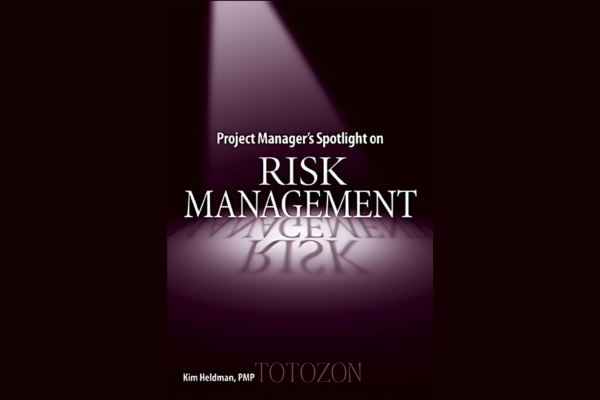
Project Manager’s Spotlight on Risk Management with Kim Heldman
Original price was: $12.00.$5.00Current price is: $5.00.
File Size: Coming soon!
Delivery Time: 1–12 hours
Media Type: Online Course
Project Manager’s Spotlight on Risk Management with Kim Heldman
Introduction to Risk Management
In the complex world of project management, risk management is a crucial component that can determine the success or failure of a project. Kim Heldman, a renowned project management expert, shines a spotlight on this critical area in her book “Project Manager’s Spotlight on Risk Management.” This article delves into the key concepts, strategies, and insights presented by Heldman, providing a comprehensive guide for project managers.
Who is Kim Heldman?
Background and Expertise
Kim Heldman is a highly respected project management professional with over two decades of experience. She is the author of numerous books on project management, focusing on risk management, project planning, and execution.
Contributions to Project Management
Heldman’s contributions to project management literature are significant. Her books and articles provide practical insights and strategies that help project managers navigate the complexities of risk management effectively.
Understanding Risk Management
What is Risk Management?
Risk management involves identifying, assessing, and prioritizing risks followed by coordinated efforts to minimize, monitor, and control the probability or impact of unfortunate events.
Importance of Risk Management
Effective risk management ensures that potential problems are identified early, allowing for proactive measures to mitigate risks and maximize opportunities.
The Risk Management Process
Identifying Risks
Tools and Techniques
Heldman emphasizes the importance of using various tools and techniques to identify risks, such as brainstorming sessions, SWOT analysis, and expert judgment.
Documentation
Proper documentation of identified risks is crucial for tracking and managing them throughout the project lifecycle.
Assessing Risks
Qualitative Risk Analysis
This involves assessing the impact and likelihood of identified risks using a qualitative approach, such as risk matrices and probability-impact grids.
Quantitative Risk Analysis
Quantitative risk analysis uses numerical methods to quantify the impact of risks, providing a more detailed understanding of potential outcomes.
Prioritizing Risks
Risk Ranking
Heldman suggests ranking risks based on their potential impact and likelihood, enabling project managers to focus on the most critical risks.
Risk Appetite
Understanding the organization’s risk appetite helps in prioritizing risks and determining the level of risk that can be accepted.
Planning Risk Responses
Response Strategies
Heldman outlines various response strategies, including avoidance, mitigation, transfer, and acceptance, to manage risks effectively.
Contingency Plans
Developing contingency plans ensures that the project team is prepared to respond to risks promptly and effectively.
Monitoring and Controlling Risks
Regular Reviews
Regular risk reviews and updates to the risk management plan are essential for keeping track of risks and their status.
Performance Metrics
Using performance metrics helps in evaluating the effectiveness of risk management efforts and making necessary adjustments.
Practical Applications of Risk Management
Case Studies
Heldman’s book includes numerous case studies that illustrate the practical application of risk management principles in real-world projects.
Best Practices
Adopting best practices, such as involving stakeholders in risk management and maintaining open communication, enhances the effectiveness of risk management efforts.
Benefits of Effective Risk Management
Improved Project Outcomes
Effective risk management leads to better project outcomes by minimizing negative impacts and maximizing opportunities.
Increased Stakeholder Confidence
Proactive risk management increases stakeholder confidence in the project’s success and the project manager’s ability to handle challenges.
Enhanced Decision-Making
Having a clear understanding of potential risks enables better decision-making and resource allocation.
Challenges in Risk Management
Complexity
Risk management can be complex, especially in large projects with numerous stakeholders and moving parts.
Resistance to Change
Some team members may resist risk management efforts, viewing them as additional work rather than essential activities.
Uncertainty
Dealing with uncertainty is inherent in risk management, making it challenging to predict and manage all potential risks.
Tools and Resources for Risk Management
Software Tools
Various software tools, such as Microsoft Project and Primavera, offer robust features for risk management, including risk identification, assessment, and monitoring.
Educational Resources
Books, courses, and webinars by experts like Kim Heldman provide valuable insights and knowledge for enhancing risk management skills.
Integrating Risk Management with Project Management
Aligning with Project Goals
Risk management should be aligned with the overall project goals and objectives to ensure that it supports the project’s success.
Involving the Team
Involving the entire project team in risk management efforts fosters a collaborative approach and ensures that all potential risks are considered.
Continuous Improvement
Continuous improvement in risk management practices is essential for adapting to new challenges and enhancing the effectiveness of risk management efforts.
Conclusion
“Project Manager’s Spotlight on Risk Management” by Kim Heldman offers a comprehensive guide to mastering risk management in project management. By following the strategies and insights provided by Heldman, project managers can effectively identify, assess, and manage risks, leading to improved project outcomes and increased stakeholder confidence. Embrace these principles and elevate your risk management practices to ensure the success of your projects.
FAQs
What is risk management in project management?
Risk management involves identifying, assessing, and prioritizing risks, followed by coordinated efforts to minimize, monitor, and control their impact on the project.
Who is Kim Heldman?
Kim Heldman is a renowned project management expert with extensive experience and author of several influential books on project management.
What are the key steps in the risk management process?
The key steps include identifying risks, assessing risks, prioritizing risks, planning risk responses, and monitoring and controlling risks.
Why is risk management important in projects?
Effective risk management ensures potential problems are identified early, allowing proactive measures to mitigate risks and maximize opportunities, leading to better project outcomes.
How can I improve my risk management skills?
Improving risk management skills involves continuous learning through books, courses, and webinars, as well as practical application of risk management principles in projects.
Be the first to review “Project Manager’s Spotlight on Risk Management with Kim Heldman”
You must be logged in to post a review.
Related products

Forex Trading
Original price was: $2,995.00.$31.00Current price is: $31.00.

Original price was: $310.00.$23.00Current price is: $23.00.

Forex Trading
Quantamentals – The Next Great Forefront Of Trading and Investing with Trading Markets
Original price was: $1,495.00.$8.00Current price is: $8.00.

Forex Trading
Original price was: $499.00.$15.00Current price is: $15.00.

Original price was: $1,800.00.$54.00Current price is: $54.00.
Forex Trading
Original price was: $2,997.00.$23.00Current price is: $23.00.

Forex Trading
Original price was: $697.00.$5.00Current price is: $5.00.

Original price was: $895.00.$15.00Current price is: $15.00.

Original price was: $497.00.$11.00Current price is: $11.00.

Forex Trading
Original price was: $249.00.$15.00Current price is: $15.00.

Original price was: $700.00.$39.00Current price is: $39.00.

Original price was: $649.00.$20.00Current price is: $20.00.

Original price was: $1,200.00.$23.00Current price is: $23.00.

Forex Trading
The Complete Guide to Multiple Time Frame Analysis & Reading Price Action with Aiman Almansoori
Original price was: $1,399.00.$13.00Current price is: $13.00.

Original price was: $497.00.$31.00Current price is: $31.00.

Forex Trading
Original price was: $1,898.00.$10.00Current price is: $10.00.

Original price was: $997.00.$8.00Current price is: $8.00.

Forex Trading
Original price was: $850.00.$23.00Current price is: $23.00.

Forex Trading
Original price was: $397.00.$31.00Current price is: $31.00.

Forex Trading
Original price was: $2,000.00.$23.00Current price is: $23.00.
Reviews
There are no reviews yet.