
-
×
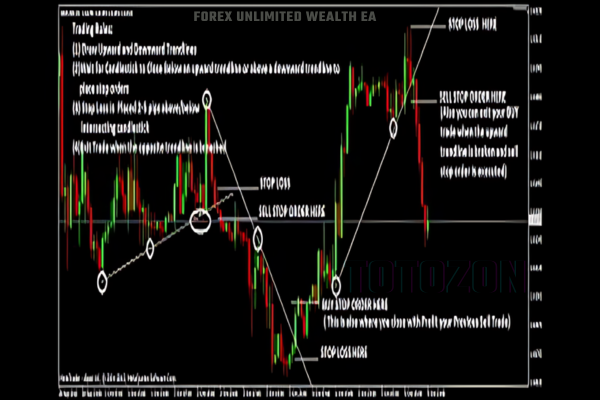 FOREX UNLIMITED WEALTH EA
1 × $6.00
FOREX UNLIMITED WEALTH EA
1 × $6.00 -
×
 How I Day Trade Course with Traderade
1 × $15.00
How I Day Trade Course with Traderade
1 × $15.00 -
×
 The Best Option Trading Course with David Jaffee - Best Stock Strategy
1 × $15.00
The Best Option Trading Course with David Jaffee - Best Stock Strategy
1 × $15.00 -
×
 How to Buy Stocks Before They Skyrocket
1 × $6.00
How to Buy Stocks Before They Skyrocket
1 × $6.00 -
×
 Become A Quant Trader Bundle with Lachezar Haralampiev & Radoslav Haralampiev - Quant Factory
1 × $17.00
Become A Quant Trader Bundle with Lachezar Haralampiev & Radoslav Haralampiev - Quant Factory
1 × $17.00 -
×
 High Probability Trading Using Elliott Wave And Fibonacci Analysis withVic Patel - Forex Training Group
1 × $10.00
High Probability Trading Using Elliott Wave And Fibonacci Analysis withVic Patel - Forex Training Group
1 × $10.00 -
×
 Activedaytrader - Mastering Technicals
1 × $15.00
Activedaytrader - Mastering Technicals
1 × $15.00 -
×
 The Naked Eye: Raw Data Analytics with Edgar Torres - Raw Data Analytics
1 × $8.00
The Naked Eye: Raw Data Analytics with Edgar Torres - Raw Data Analytics
1 × $8.00 -
×
 FlowRider Trading Course with Boris Schlossberg and Kathy Lien - Bkforex
1 × $15.00
FlowRider Trading Course with Boris Schlossberg and Kathy Lien - Bkforex
1 × $15.00 -
×
 Computational Financial Mathematics with Mathematica
1 × $6.00
Computational Financial Mathematics with Mathematica
1 × $6.00 -
×
 You Don't Need No Stinkin' Stockbroker: Taking the Pulse of Your Investment Portfolio with Doug Cappiello & Steve Tanaka
1 × $6.00
You Don't Need No Stinkin' Stockbroker: Taking the Pulse of Your Investment Portfolio with Doug Cappiello & Steve Tanaka
1 × $6.00 -
×
 Wyckoff Analytics Courses Collection
1 × $27.00
Wyckoff Analytics Courses Collection
1 × $27.00 -
×
 Indicator Companion for Metastock with Martin Pring
1 × $6.00
Indicator Companion for Metastock with Martin Pring
1 × $6.00 -
×
 No Bull Investing with Jack Bernstein
1 × $6.00
No Bull Investing with Jack Bernstein
1 × $6.00 -
×
 All Weather Butterfly Program - A Deep Dive With Dan Sheridan
1 × $31.00
All Weather Butterfly Program - A Deep Dive With Dan Sheridan
1 × $31.00 -
×
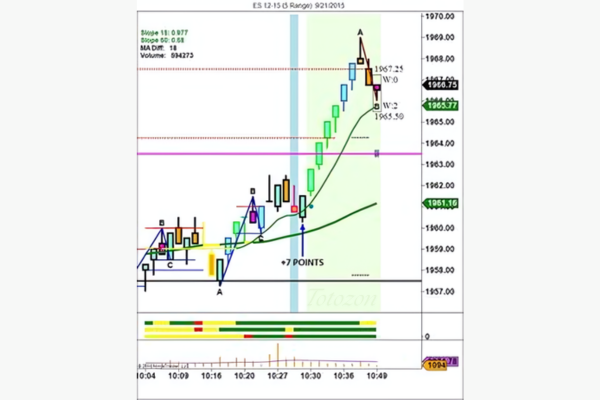 Right Line Trading IndicatorSuite (May 2015)
1 × $31.00
Right Line Trading IndicatorSuite (May 2015)
1 × $31.00 -
×
 Sixpart Study Guide to Market Profile
1 × $6.00
Sixpart Study Guide to Market Profile
1 × $6.00 -
×
 Dominate Stocks (Swing Trading) 2023 with J. Bravo
1 × $5.00
Dominate Stocks (Swing Trading) 2023 with J. Bravo
1 × $5.00 -
×
 CAT 2007 Seminar with Stephen W.Bigalow
1 × $6.00
CAT 2007 Seminar with Stephen W.Bigalow
1 × $6.00 -
×
 AI For Traders with Trading Markets
1 × $31.00
AI For Traders with Trading Markets
1 × $31.00 -
×
 Evolve MasterClass with Irek Piekarski
1 × $13.00
Evolve MasterClass with Irek Piekarski
1 × $13.00 -
×
 Stock Investing Strategies with Maria Crawford Scott, John Bajkowski
1 × $6.00
Stock Investing Strategies with Maria Crawford Scott, John Bajkowski
1 × $6.00 -
×
 The Handbook of Chaos Control with H.G.Schuster
1 × $6.00
The Handbook of Chaos Control with H.G.Schuster
1 × $6.00 -
×
 60 Seconds Sure Shot Strategy with Albert E
1 × $6.00
60 Seconds Sure Shot Strategy with Albert E
1 × $6.00 -
×
 Team Bull Trading Academy
1 × $5.00
Team Bull Trading Academy
1 × $5.00 -
×
 3 Short Selling Strategies - Trading Strategy Bundles – Quantified Strategies
1 × $39.00
3 Short Selling Strategies - Trading Strategy Bundles – Quantified Strategies
1 × $39.00 -
×
 Algo Trading Masterclass with Ali Casey - StatOasis
1 × $23.00
Algo Trading Masterclass with Ali Casey - StatOasis
1 × $23.00 -
×
 Commodities Rising: The Reality Behind the Hype and How To Really Profit in the Commodities Market - Jeffrey Christian
1 × $6.00
Commodities Rising: The Reality Behind the Hype and How To Really Profit in the Commodities Market - Jeffrey Christian
1 × $6.00 -
×
 0 DTE Options Trading Workshop with Aeromir Corporation
1 × $15.00
0 DTE Options Trading Workshop with Aeromir Corporation
1 × $15.00 -
×
 Quantamentals - The Next Great Forefront Of Trading and Investing with Trading Markets
1 × $8.00
Quantamentals - The Next Great Forefront Of Trading and Investing with Trading Markets
1 × $8.00 -
×
 The London Close Trade Strategy with Shirley Hudson & Vic Noble
1 × $4.00
The London Close Trade Strategy with Shirley Hudson & Vic Noble
1 × $4.00 -
×
 The 13-Week Cash Flow Model
1 × $15.00
The 13-Week Cash Flow Model
1 × $15.00 -
×
 5 Basic Elliott Wave Patterns + Technical Tools = Trading Success with Jeffrey Kennedy
1 × $15.00
5 Basic Elliott Wave Patterns + Technical Tools = Trading Success with Jeffrey Kennedy
1 × $15.00 -
×
 Home Run Options Trading Course with Dave Aquino - Base Camp Trading
1 × $11.00
Home Run Options Trading Course with Dave Aquino - Base Camp Trading
1 × $11.00
Risk Management with Aswath Damodaran
$6.00
File Size: Coming soon!
Delivery Time: 1–12 hours
Media Type: Online Course
Content Proof: Watch Here!
You may check content proof of “Risk Management with Aswath Damodaran” below:

Risk Management with Aswath Damodaran
Risk management is a critical aspect of investing, and few understand its intricacies better than Aswath Damodaran. Known as the “Dean of Valuation,” Damodaran has extensively researched and taught about managing risks in the financial world. Let’s delve into the insights he offers and how we can apply them to our investment strategies.
Understanding Risk Management
Risk management involves identifying, assessing, and controlling threats to an organization’s capital and earnings. These risks stem from various sources, including financial uncertainty, legal liabilities, strategic management errors, accidents, and natural disasters.
The Importance of Risk Management
Effective risk management is vital for preserving capital and ensuring long-term financial stability. It helps investors make informed decisions, reducing potential losses and maximizing returns.
Key Benefits of Risk Management
- Protection of Capital – Safeguarding investments against significant losses.
- Improved Decision-Making – Making more informed and strategic investment choices.
- Enhanced Stability – Ensuring long-term financial health and sustainability.
Aswath Damodaran’s Approach to Risk Management
Damodaran emphasizes a systematic approach to risk management, combining both quantitative and qualitative methods to evaluate and mitigate risks.
Quantitative Methods
Quantitative risk management involves using statistical models and mathematical tools to assess and manage risks. Damodaran highlights several key techniques:
Value at Risk (VaR)
VaR measures the maximum potential loss over a specific period at a given confidence level. It provides a snapshot of potential losses in normal market conditions.
Scenario Analysis
Scenario analysis involves evaluating the impact of different market conditions on investment portfolios. This method helps in understanding potential outcomes and preparing for adverse situations.
Qualitative Methods
Qualitative risk management focuses on identifying and assessing risks through judgment, experience, and intuition.
Risk Identification
This process involves identifying potential risks that could affect investments. Damodaran advises using various sources, such as industry reports, expert opinions, and historical data.
Risk Assessment
Once risks are identified, they need to be assessed based on their likelihood and potential impact. Damodaran recommends categorizing risks to prioritize mitigation efforts.
Implementing Risk Management Strategies
Effective risk management requires a blend of strategies tailored to individual investment goals and risk tolerance levels.
Diversification
Diversification spreads investments across different asset classes, industries, and geographies, reducing the impact of any single investment’s poor performance.
Building a Diversified Portfolio
- Asset Allocation – Distributing investments among various asset classes (stocks, bonds, real estate).
- Geographical Diversification – Investing in different regions to mitigate regional risks.
- Sector Diversification – Spreading investments across various industries.
Hedging
Hedging involves using financial instruments, such as options and futures, to offset potential losses in investments.
Common Hedging Techniques
- Options – Contracts that give the right, but not the obligation, to buy or sell assets at a predetermined price.
- Futures – Contracts to buy or sell assets at a future date at an agreed-upon price.
Risk Management in Practice
Applying Damodaran’s risk management principles involves continuous monitoring and adjustment of strategies based on market conditions and investment performance.
Regular Portfolio Reviews
Regularly reviewing and adjusting the investment portfolio ensures alignment with financial goals and market changes.
Key Review Activities
- Performance Analysis – Assessing investment performance relative to benchmarks.
- Risk Assessment – Re-evaluating potential risks and their impacts.
- Strategy Adjustment – Modifying strategies to address new risks or opportunities.
Staying Informed
Staying updated with market trends, economic indicators, and global events is crucial for proactive risk management.
Information Sources
- Financial News – Keeping track of news from reputable financial publications.
- Industry Reports – Analyzing reports from industry experts and analysts.
- Economic Indicators – Monitoring indicators such as interest rates, inflation, and employment data.
Conclusion
Risk management is a fundamental component of successful investing. Aswath Damodaran’s insights provide a comprehensive framework for identifying, assessing, and mitigating risks. By combining quantitative and qualitative methods, diversifying investments, and staying informed, investors can safeguard their capital and achieve long-term financial success.
Frequently Asked Questions:
- What is risk management in investing?
Risk management involves identifying, assessing, and controlling threats to investments to minimize potential losses. - Why is diversification important in risk management?
Diversification reduces the impact of any single investment’s poor performance by spreading investments across different asset classes, industries, and regions. - How can investors use hedging in risk management?
Investors can use financial instruments like options and futures to offset potential losses and protect their investments. - What are qualitative methods in risk management?
Qualitative methods involve identifying and assessing risks through judgment, experience, and intuition, rather than relying solely on statistical models. - How often should investors review their portfolios?
Regular portfolio reviews, at least quarterly, help ensure alignment with financial goals and market conditions, allowing for timely adjustments.
Be the first to review “Risk Management with Aswath Damodaran”
You must be logged in to post a review.
Related products

Original price was: $4,995.00.$15.00Current price is: $15.00.
Original price was: $497.00.$11.00Current price is: $11.00.

Original price was: $299.00.$8.00Current price is: $8.00.

Original price was: $695.00.$41.00Current price is: $41.00.
Forex Trading
Original price was: $797.00.$10.00Current price is: $10.00.

Forex Trading
Original price was: $2,997.00.$23.00Current price is: $23.00.

Original price was: $1,800.00.$54.00Current price is: $54.00.

Original price was: $139.00.$23.00Current price is: $23.00.
Forex Trading
Quantamentals – The Next Great Forefront Of Trading and Investing with Trading Markets
Original price was: $1,495.00.$8.00Current price is: $8.00.

Forex Trading
Original price was: $397.00.$31.00Current price is: $31.00.

Original price was: $997.00.$13.00Current price is: $13.00.

Forex Trading
Original price was: $799.00.$15.00Current price is: $15.00.

Original price was: $649.00.$20.00Current price is: $20.00.
Forex Trading
Original price was: $2,000.00.$23.00Current price is: $23.00.
Original price was: $997.00.$8.00Current price is: $8.00.

Original price was: $1,200.00.$23.00Current price is: $23.00.

Original price was: $450.00.$23.00Current price is: $23.00.

Forex Trading
Original price was: $239.00.$8.00Current price is: $8.00.

Original price was: $700.00.$39.00Current price is: $39.00.

Original price was: $799.00.$15.00Current price is: $15.00.

Reviews
There are no reviews yet.