
-
×
 Theotrade - Essential Skills for Consistency in Trading Class
1 × $15.00
Theotrade - Essential Skills for Consistency in Trading Class
1 × $15.00 -
×
 The Aggressive Investor. Case Studies with Colin Nicholson
1 × $6.00
The Aggressive Investor. Case Studies with Colin Nicholson
1 × $6.00 -
×
 The Delphi Scalper 4 (delphiscalper.com) with Jason Fielder
1 × $6.00
The Delphi Scalper 4 (delphiscalper.com) with Jason Fielder
1 × $6.00 -
×
 Starter Guide to Investing Stocks, Crypto & Precious Metals with Ryan Hogue
1 × $5.00
Starter Guide to Investing Stocks, Crypto & Precious Metals with Ryan Hogue
1 × $5.00 -
×
 The Adventures of the Cycle Hunter. The Trader with Craig Bttlc
1 × $6.00
The Adventures of the Cycle Hunter. The Trader with Craig Bttlc
1 × $6.00 -
×
 Sell Premium & Minimize Risk Class with Don Kaufman
1 × $6.00
Sell Premium & Minimize Risk Class with Don Kaufman
1 × $6.00 -
×
 Essentials in Quantitative Trading QT01 By HangukQuant's
1 × $23.00
Essentials in Quantitative Trading QT01 By HangukQuant's
1 × $23.00 -
×
 The Candlestick Training Series with Timon Weller
1 × $6.00
The Candlestick Training Series with Timon Weller
1 × $6.00 -
×
 Smart Money Course with Forex XL
1 × $6.00
Smart Money Course with Forex XL
1 × $6.00 -
×
 The Inner Circle Seminar
1 × $15.00
The Inner Circle Seminar
1 × $15.00 -
×
 European Fixed Income Markets with Jonathan Batten
1 × $6.00
European Fixed Income Markets with Jonathan Batten
1 × $6.00 -
×
 eASCTrend Trading Manual (not including 6 trading methods) with Ablesys
1 × $6.00
eASCTrend Trading Manual (not including 6 trading methods) with Ablesys
1 × $6.00 -
×
 Examination Book Morning Section (1999)
1 × $6.00
Examination Book Morning Section (1999)
1 × $6.00 -
×
 CANDLESTICKS APPLIED with Steve Nison & Syl Desaulniers - Candle Charts
1 × $15.00
CANDLESTICKS APPLIED with Steve Nison & Syl Desaulniers - Candle Charts
1 × $15.00 -
×
 Professional Trader Course
1 × $5.00
Professional Trader Course
1 × $5.00 -
×
 ProfileTraders - Swing and Price Analysis (May 2014)
1 × $6.00
ProfileTraders - Swing and Price Analysis (May 2014)
1 × $6.00 -
×
 Fundamental Analysis with CA Rachana Ranade
1 × $5.00
Fundamental Analysis with CA Rachana Ranade
1 × $5.00 -
×
 The Adventures of the Cycle Hunter. The Analyst with Craig Bttlc
1 × $6.00
The Adventures of the Cycle Hunter. The Analyst with Craig Bttlc
1 × $6.00 -
×
 Cyclic Analysis. A BreakThrough in Transaction Timing with Cyclitec Services
1 × $6.00
Cyclic Analysis. A BreakThrough in Transaction Timing with Cyclitec Services
1 × $6.00 -
×
 Forex Mentor 2007 with Peter Bain
1 × $6.00
Forex Mentor 2007 with Peter Bain
1 × $6.00 -
×
 How To Successfully Trade The Haggerty Slim Jim Strategy for Explosive Gains with Kevin Haggerty
1 × $6.00
How To Successfully Trade The Haggerty Slim Jim Strategy for Explosive Gains with Kevin Haggerty
1 × $6.00 -
×
 Bond Market Course with The Macro Compass
1 × $15.00
Bond Market Course with The Macro Compass
1 × $15.00 -
×
 The Complete Short Course on Ripple Cryptocurrency with Saad Hameed
1 × $5.00
The Complete Short Course on Ripple Cryptocurrency with Saad Hameed
1 × $5.00 -
×
 How to Find the Most Profitable Stocks with Mubarak Shah
1 × $6.00
How to Find the Most Profitable Stocks with Mubarak Shah
1 × $6.00 -
×
 Neural Networks in the Capital Markets with Apostolos Paul Refenes
1 × $6.00
Neural Networks in the Capital Markets with Apostolos Paul Refenes
1 × $6.00 -
×
 How I use Technical Analysis & Orderflow with Adam Webb - Traderskew
1 × $54.00
How I use Technical Analysis & Orderflow with Adam Webb - Traderskew
1 × $54.00 -
×
 Forex Trading Course with Mike Norman
1 × $17.00
Forex Trading Course with Mike Norman
1 × $17.00 -
×
 Relationship of the StockMarket Fluctuations to the Lunarcycle with Frank J.Guarino
1 × $6.00
Relationship of the StockMarket Fluctuations to the Lunarcycle with Frank J.Guarino
1 × $6.00 -
×
 Order Flow Analytics
1 × $54.00
Order Flow Analytics
1 × $54.00 -
×
 Option Buying Course
1 × $5.00
Option Buying Course
1 × $5.00 -
×
 Professional Chart Reading Bootcamp - 2 CDs
1 × $6.00
Professional Chart Reading Bootcamp - 2 CDs
1 × $6.00 -
×
 PRO COURSE Order Flow Strategy with Gova Trading Academy
1 × $5.00
PRO COURSE Order Flow Strategy with Gova Trading Academy
1 × $5.00 -
×
 Private Access Pro Webinars 2021-2022 with Trader Lion
1 × $5.00
Private Access Pro Webinars 2021-2022 with Trader Lion
1 × $5.00 -
×
 Secrets of An Electronic Futures Trader with Larry Levin
1 × $6.00
Secrets of An Electronic Futures Trader with Larry Levin
1 × $6.00 -
×
 Stock Market Crash of 1929 with Aron Abrams
1 × $6.00
Stock Market Crash of 1929 with Aron Abrams
1 × $6.00 -
×
 Forex Trading Education Program (Apr-June 2010) with Jimmy Young
1 × $6.00
Forex Trading Education Program (Apr-June 2010) with Jimmy Young
1 × $6.00 -
×
 Objective Evaluation of Indicators with Constance Brown
1 × $6.00
Objective Evaluation of Indicators with Constance Brown
1 × $6.00 -
×
 Market Timing & Technical Analysis with Alan Shaw
1 × $6.00
Market Timing & Technical Analysis with Alan Shaw
1 × $6.00 -
×
 Perfect Strategy - SPX Daily Options Income with Peter Titus - Marwood Research
1 × $15.00
Perfect Strategy - SPX Daily Options Income with Peter Titus - Marwood Research
1 × $15.00 -
×
 Open Trader Pro Training
1 × $23.00
Open Trader Pro Training
1 × $23.00 -
×
 Floor Traders Edge Mentorship Program with Market Geeks
1 × $6.00
Floor Traders Edge Mentorship Program with Market Geeks
1 × $6.00 -
×
 Algo Trading Masterclass with Ali Casey - StatOasis
1 × $23.00
Algo Trading Masterclass with Ali Casey - StatOasis
1 × $23.00 -
×
 Part-Time Day Trading Courses
1 × $54.00
Part-Time Day Trading Courses
1 × $54.00 -
×
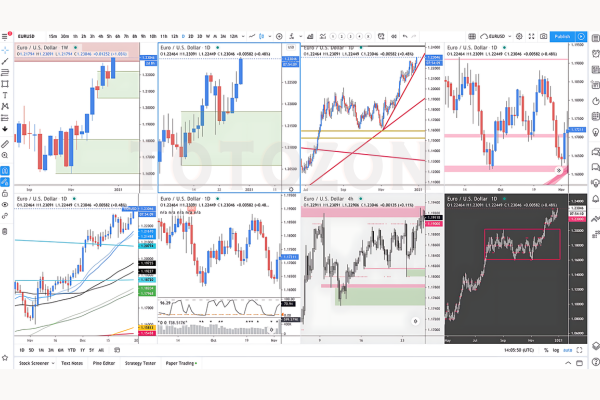 Supply And Demand Zone Trading Course with Trading180
1 × $5.00
Supply And Demand Zone Trading Course with Trading180
1 × $5.00 -
×
 Neowave. Inovations that Make Elliott Wave Work Better for You with Glenn Neely
1 × $6.00
Neowave. Inovations that Make Elliott Wave Work Better for You with Glenn Neely
1 × $6.00 -
×
 Marus FX 2023
1 × $5.00
Marus FX 2023
1 × $5.00 -
×
 Trading The Nasdaq Seminar with Alan Rich
1 × $6.00
Trading The Nasdaq Seminar with Alan Rich
1 × $6.00 -
×
 ProfileTraders - Advanced Market Profile (May 2014)
1 × $6.00
ProfileTraders - Advanced Market Profile (May 2014)
1 × $6.00 -
×
 Trading Hub 4.0 with Mr. Khan
1 × $27.00
Trading Hub 4.0 with Mr. Khan
1 × $27.00 -
×
 Profit Generating System with Brian Williams
1 × $6.00
Profit Generating System with Brian Williams
1 × $6.00 -
×
 Point and Figure Mentorship Course
1 × $54.00
Point and Figure Mentorship Course
1 × $54.00 -
×
 Pattern Recognition: A Fundamental Introduction to Japanese Candlestick Charting Techniques Class with Jeff Bierman
1 × $6.00
Pattern Recognition: A Fundamental Introduction to Japanese Candlestick Charting Techniques Class with Jeff Bierman
1 × $6.00 -
×
 Matrix Spread Options Trading Course with Base Camp Trading
1 × $31.00
Matrix Spread Options Trading Course with Base Camp Trading
1 × $31.00 -
×
 The Prop Trading Code with Brannigan Barrett - Axia Futures
1 × $23.00
The Prop Trading Code with Brannigan Barrett - Axia Futures
1 × $23.00 -
×
 The Orderflows Trade Opportunities Encyclopedia with Michael Valtos
1 × $8.00
The Orderflows Trade Opportunities Encyclopedia with Michael Valtos
1 × $8.00 -
×
 $20 – 52k 20 pips a day challange with Rafał Zuchowicz - TopMasterTrader
1 × $5.00
$20 – 52k 20 pips a day challange with Rafał Zuchowicz - TopMasterTrader
1 × $5.00 -
×
 WondaFX Signature Strategy with WondaFX
1 × $5.00
WondaFX Signature Strategy with WondaFX
1 × $5.00 -
×
 The Art and Application of Technical Analysis with Cynthia Kase
1 × $6.00
The Art and Application of Technical Analysis with Cynthia Kase
1 × $6.00 -
×
 TRADING NFX Course with Andrew NFX
1 × $5.00
TRADING NFX Course with Andrew NFX
1 × $5.00 -
×
 High Probability Trading Using Elliott Wave And Fibonacci Analysis withVic Patel - Forex Training Group
1 × $10.00
High Probability Trading Using Elliott Wave And Fibonacci Analysis withVic Patel - Forex Training Group
1 × $10.00 -
×
 How To Read The Market Professionally with TradeSmart
1 × $27.00
How To Read The Market Professionally with TradeSmart
1 × $27.00 -
×
 Sensitivity Analysis in Practice
1 × $6.00
Sensitivity Analysis in Practice
1 × $6.00 -
×
 Best of the Best: Collars with Amy Meissner & Scott Ruble
1 × $15.00
Best of the Best: Collars with Amy Meissner & Scott Ruble
1 × $15.00 -
×
 The Trading Blueprint with Brad Goh - The Trading Geek
1 × $5.00
The Trading Blueprint with Brad Goh - The Trading Geek
1 × $5.00
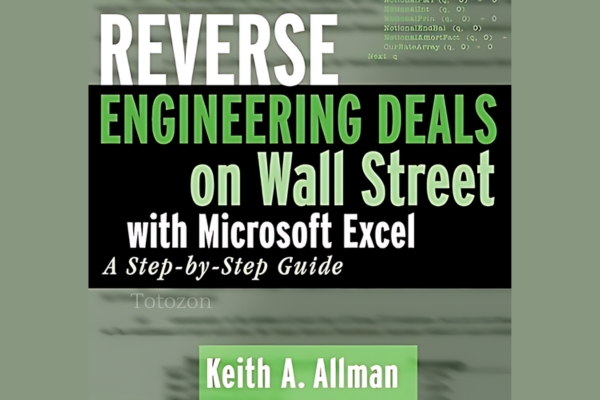
Reverse Engineering Deals on Wall Street with Microsoft Excel with Keith Allman
$6.00
File Size: Coming soon!
Delivery Time: 1–12 hours
Media Type: Online Course
Content Proof: Watch Here!
You may check content proof of “Reverse Engineering Deals on Wall Street with Microsoft Excel with Keith Allman” below:

Reverse Engineering Deals on Wall Street with Microsoft Excel with Keith Allman
Introduction
Reverse engineering deals on Wall Street can seem like a daunting task. However, with the right tools and guidance, it becomes a manageable and insightful process. Keith Allman, a renowned expert in financial modeling, demonstrates how Microsoft Excel can be utilized to deconstruct and understand complex financial deals. This article will provide a comprehensive guide on how to effectively reverse engineer Wall Street deals using Excel.
What is Reverse Engineering in Finance?
Definition
Reverse engineering in finance involves deconstructing a financial deal to understand its underlying components and mechanics. This process allows analysts to see how the deal was structured, its value drivers, and potential risks.
Importance
Understanding the structure of financial deals helps in better risk assessment, improving negotiation strategies, and creating more effective financial models.
The Role of Microsoft Excel
Why Use Excel?
Microsoft Excel is a powerful tool for financial analysis due to its versatility and wide range of functions. It allows for detailed data manipulation, complex calculations, and clear visualizations.
Key Features
- Data Analysis Tools: Excel provides numerous functions for statistical analysis and data manipulation.
- Visualization: Charts, graphs, and pivot tables help in visualizing data clearly.
- Automation: Macros and VBA can automate repetitive tasks, saving time and reducing errors.
Getting Started with Excel for Financial Analysis
Setting Up Your Workbook
Start by organizing your Excel workbook. Create separate sheets for raw data, calculations, and visualizations. This helps keep your analysis structured and easy to follow.
Importing Data
Import the financial data related to the deal. This could include financial statements, market data, and transaction details. Ensure the data is clean and formatted correctly for analysis.
Key Steps in Reverse Engineering Deals
Step 1: Understanding the Deal Structure
Begin by outlining the basic structure of the deal. Identify the key components such as the type of deal (e.g., merger, acquisition), the parties involved, and the financial instruments used.
Step 2: Breaking Down Financial Statements
Analyze the financial statements of the entities involved. Look for key metrics such as revenue, expenses, profit margins, and cash flow. This will help you understand the financial health of the parties.
Step 3: Identifying Value Drivers
Identify the main value drivers of the deal. These could include market conditions, synergies, cost savings, or revenue enhancements. Use Excel functions like SUM, AVERAGE, and VLOOKUP to calculate and analyze these drivers.
Step 4: Analyzing Deal Terms
Examine the terms of the deal, including payment structures, interest rates, and timelines. Use Excel’s financial functions such as NPV (Net Present Value) and IRR (Internal Rate of Return) to evaluate the financial impact of these terms.
Step 5: Building a Financial Model
Create a financial model in Excel to simulate the deal. This model should include all relevant financial data, assumptions, and projections. Use Excel’s modeling capabilities to forecast future performance and assess the deal’s viability.
Advanced Techniques in Excel
Using Pivot Tables
Pivot tables are an excellent tool for summarizing large datasets and extracting meaningful insights. Use pivot tables to analyze trends, compare financial metrics, and segment data by different dimensions.
Implementing Macros and VBA
Macros and VBA (Visual Basic for Applications) can automate repetitive tasks and enhance your financial models. For example, you can create a macro to update your financial model with new data automatically.
Sensitivity Analysis
Perform sensitivity analysis to understand how changes in key assumptions impact the deal. Use Excel’s Data Table feature to create sensitivity tables and charts.
Practical Application: A Case Study
Example Deal: XYZ Acquisition
Let’s consider an example where Company A acquires Company B. We will use Excel to reverse engineer this deal.
Step-by-Step Analysis
- Import Financial Data: Import the financial statements of both companies into Excel.
- Calculate Key Metrics: Use Excel formulas to calculate revenue growth, profit margins, and cash flows.
- Analyze Deal Terms: Evaluate the payment structure and financing terms using NPV and IRR functions.
- Build the Model: Create a financial model to simulate the post-acquisition performance.
Conclusion
Reverse engineering deals on Wall Street with Microsoft Excel is a powerful way to gain insights into complex financial transactions. By understanding the deal structure, breaking down financial statements, and building detailed models, you can uncover the true value and risks associated with any deal. Keith Allman’s approach provides a robust framework for using Excel in financial analysis, helping both novice and experienced analysts enhance their skills.
FAQs
1. What is reverse engineering in finance?
Reverse engineering in finance involves deconstructing financial deals to understand their structure, value drivers, and potential risks.
2. Why use Microsoft Excel for financial analysis?
Excel is versatile and offers powerful data analysis, visualization, and automation tools, making it ideal for financial analysis.
3. What are the key steps in reverse engineering a deal?
Key steps include understanding the deal structure, breaking down financial statements, identifying value drivers, analyzing deal terms, and building a financial model.
4. How can pivot tables help in financial analysis?
Pivot tables summarize large datasets, allowing analysts to extract meaningful insights and compare different financial metrics.
5. What is the role of sensitivity analysis in financial modeling?
Sensitivity analysis helps assess how changes in key assumptions impact the deal’s outcomes, providing a better understanding of potential risks and returns.
Be the first to review “Reverse Engineering Deals on Wall Street with Microsoft Excel with Keith Allman”
You must be logged in to post a review.
Related products

Forex Trading
The Complete Guide to Multiple Time Frame Analysis & Reading Price Action with Aiman Almansoori
Original price was: $1,399.00.$13.00Current price is: $13.00.
Forex Trading
Original price was: $797.00.$10.00Current price is: $10.00.

Original price was: $1,849.00.$15.00Current price is: $15.00.

Original price was: $700.00.$39.00Current price is: $39.00.
Forex Trading
Original price was: $550.00.$5.00Current price is: $5.00.

Forex Trading
Original price was: $1,898.00.$10.00Current price is: $10.00.
Forex Trading
Original price was: $499.00.$15.00Current price is: $15.00.
Forex Trading
Original price was: $2,000.00.$23.00Current price is: $23.00.

Forex Trading
Original price was: $799.00.$15.00Current price is: $15.00.

Original price was: $695.00.$41.00Current price is: $41.00.
Original price was: $197.00.$5.00Current price is: $5.00.

Original price was: $139.00.$23.00Current price is: $23.00.
Original price was: $497.00.$31.00Current price is: $31.00.

Original price was: $1,800.00.$54.00Current price is: $54.00.
Forex Trading
Original price was: $697.00.$5.00Current price is: $5.00.

Forex Trading
Quantamentals – The Next Great Forefront Of Trading and Investing with Trading Markets
Original price was: $1,495.00.$8.00Current price is: $8.00.

Forex Trading
Original price was: $125.00.$17.00Current price is: $17.00.

Forex Trading
Original price was: $239.00.$8.00Current price is: $8.00.

Forex Trading
Original price was: $2,995.00.$31.00Current price is: $31.00.
Forex Trading
Original price was: $850.00.$23.00Current price is: $23.00.
Reviews
There are no reviews yet.