
-
×
 Best of the Best: Collars with Amy Meissner & Scott Ruble
1 × $15.00
Best of the Best: Collars with Amy Meissner & Scott Ruble
1 × $15.00 -
×
 Video Course with Trading Template
1 × $54.00
Video Course with Trading Template
1 × $54.00 -
×
 What Works in Online Trading with Mark Etzkorn
1 × $6.00
What Works in Online Trading with Mark Etzkorn
1 × $6.00 -
×
 2016 Chicago Annual Options Seminar with Dan Sheridan
1 × $23.00
2016 Chicago Annual Options Seminar with Dan Sheridan
1 × $23.00 -
×
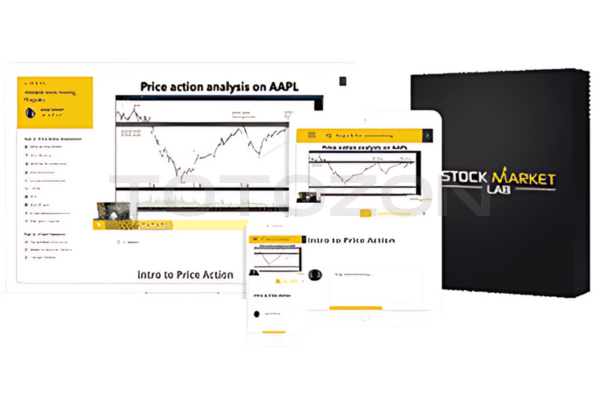 10-Week Stock Trading Program with Stock Market Lab
1 × $6.00
10-Week Stock Trading Program with Stock Market Lab
1 × $6.00 -
×
 ICT Prodigy Trading Course – $650K in Payouts with Alex Solignani
1 × $15.00
ICT Prodigy Trading Course – $650K in Payouts with Alex Solignani
1 × $15.00 -
×
 The Trading Blueprint with Brad Goh - The Trading Geek
1 × $5.00
The Trading Blueprint with Brad Goh - The Trading Geek
1 × $5.00 -
×
 2-Phase A.I. Trade Spy Total Immersion Experience with Jeff Bierman - The Quant Guy
1 × $209.00
2-Phase A.I. Trade Spy Total Immersion Experience with Jeff Bierman - The Quant Guy
1 × $209.00 -
×
 Bond Market Course with The Macro Compass
1 × $15.00
Bond Market Course with The Macro Compass
1 × $15.00 -
×
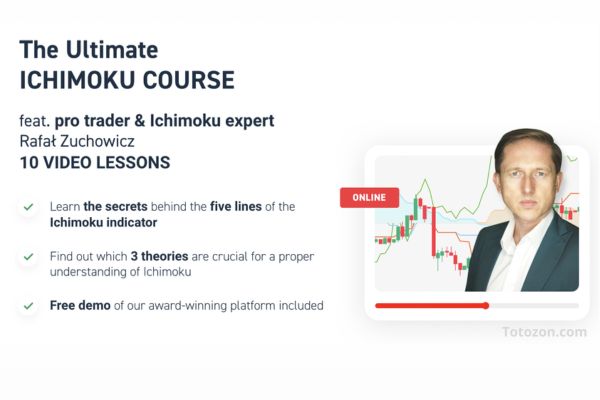 Advanced Ichimoku Kinkō Hyō - Ichimoku Cloud Strategy with Rafał Zuchowicz - TopMasterTrader
1 × $17.00
Advanced Ichimoku Kinkō Hyō - Ichimoku Cloud Strategy with Rafał Zuchowicz - TopMasterTrader
1 × $17.00 -
×
 Zedd Monopoly Platinum
1 × $5.00
Zedd Monopoly Platinum
1 × $5.00 -
×
 AI For Traders with Trading Markets
1 × $31.00
AI For Traders with Trading Markets
1 × $31.00 -
×
 (SU281) Complex & Organic Modeling
1 × $85.00
(SU281) Complex & Organic Modeling
1 × $85.00 -
×
 High Probability Trading Using Elliott Wave And Fibonacci Analysis withVic Patel - Forex Training Group
1 × $10.00
High Probability Trading Using Elliott Wave And Fibonacci Analysis withVic Patel - Forex Training Group
1 × $10.00 -
×
 Quantamentals - The Next Great Forefront Of Trading and Investing with Trading Markets
1 × $8.00
Quantamentals - The Next Great Forefront Of Trading and Investing with Trading Markets
1 × $8.00 -
×
 6-2-4 Winning Strategies & Systems with Jack Bernstein
1 × $6.00
6-2-4 Winning Strategies & Systems with Jack Bernstein
1 × $6.00 -
×
 Astro-Cycles and Speculative Markets with L.J.Jensen
1 × $6.00
Astro-Cycles and Speculative Markets with L.J.Jensen
1 × $6.00 -
×
 Home Run Options Trading Course with Dave Aquino - Base Camp Trading
1 × $11.00
Home Run Options Trading Course with Dave Aquino - Base Camp Trading
1 × $11.00 -
×
 Volatility Trading with Fractal Flow Pro
1 × $15.00
Volatility Trading with Fractal Flow Pro
1 × $15.00 -
×
 We Trade Waves
1 × $5.00
We Trade Waves
1 × $5.00 -
×
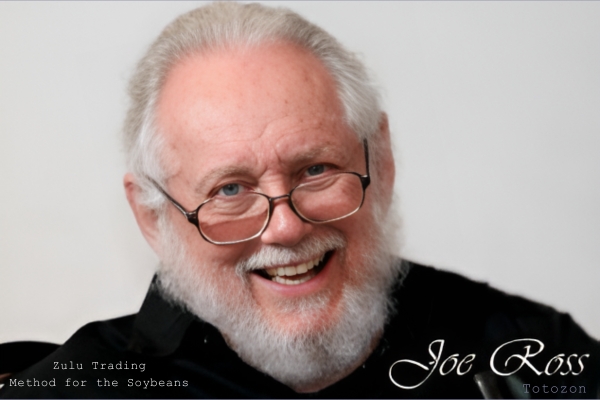 Zulu Trading Method for the Soybeans with Joe Ross
1 × $6.00
Zulu Trading Method for the Soybeans with Joe Ross
1 × $6.00 -
×
 W. D Gann 's Square Of 9 Applied To Modern Markets with Sean Avidar - Hexatrade350
1 × $23.00
W. D Gann 's Square Of 9 Applied To Modern Markets with Sean Avidar - Hexatrade350
1 × $23.00 -
×
 Essentials in Quantitative Trading QT01 By HangukQuant's
1 × $23.00
Essentials in Quantitative Trading QT01 By HangukQuant's
1 × $23.00 -
×
 The Prop Trading Code with Brannigan Barrett - Axia Futures
1 × $23.00
The Prop Trading Code with Brannigan Barrett - Axia Futures
1 × $23.00
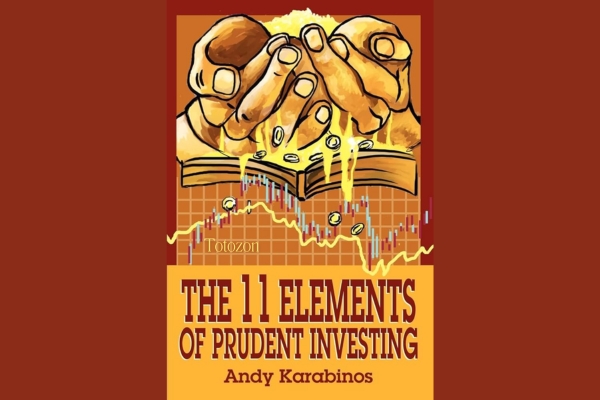
11 Elements of Prudent Investing with Andy Karabinos
$6.00
File Size: Coming soon!
Delivery Time: 1–12 hours
Media Type: Online Course
Content Proof: Watch Here!
You may check content proof of “11 Elements of Prudent Investing with Andy Karabinos” below:

11 Elements of Prudent Investing with Andy Karabinos
Introduction to Prudent Investing
Investing wisely can feel like navigating a complex maze. Thankfully, Andy Karabinos simplifies this journey with his insightful approach. Let’s explore the 11 elements of prudent investing to help you make informed decisions.
1. Understanding Your Financial Goals
Before diving into investments, it’s crucial to define your financial goals. Are you saving for retirement, a child’s education, or a major purchase?
Setting Clear Objectives
- Short-Term Goals: Vacations, emergency funds.
- Long-Term Goals: Retirement, home purchase.
2. Risk Assessment
Every investment carries risk. Understanding your risk tolerance is essential to make prudent investment choices.
Evaluating Risk Tolerance
- Conservative: Prefer stability, low risk.
- Moderate: Balance between risk and return.
- Aggressive: Higher risk for potential higher returns.
3. Diversification
Diversification involves spreading investments across various asset classes to minimize risk.
Benefits of Diversification
- Reduced Risk: Mitigates the impact of poor performance in a single investment.
- Steady Returns: Balances potential gains and losses.
4. Asset Allocation
Deciding how to distribute your investments among different asset categories is a cornerstone of prudent investing.
Strategic Allocation
- Stocks: Growth potential.
- Bonds: Income and stability.
- Real Estate: Tangible assets, potential appreciation.
5. Research and Analysis
Informed decisions stem from thorough research and analysis. Understand the market and the specific investments you’re considering.
Fundamental Analysis
- Company Performance: Earnings, revenue, growth prospects.
- Industry Trends: Market position, competition.
6. Long-Term Perspective
Investing is not a get-rich-quick scheme. A long-term perspective can help you ride out market volatility and achieve your financial goals.
Benefits of Long-Term Investing
- Compounding Returns: Earnings on your earnings.
- Reduced Impact of Volatility: Market fluctuations smooth out over time.
7. Regular Monitoring and Rebalancing
Your investment portfolio needs regular review and adjustments to stay aligned with your goals and market conditions.
Rebalancing Techniques
- Scheduled Reviews: Quarterly, semi-annual, or annual reviews.
- Performance-Based Adjustments: Rebalance when an asset class exceeds a set threshold.
8. Managing Costs and Fees
High costs and fees can erode your investment returns. Be mindful of the expenses associated with your investments.
Types of Fees
- Management Fees: Charged by fund managers.
- Transaction Fees: Costs of buying or selling investments.
9. Staying Informed
The investment landscape is dynamic. Staying informed about market trends, economic news, and changes in regulations is crucial.
Sources of Information
- Financial News Outlets: Newspapers, websites, TV channels.
- Investment Newsletters: Expert insights and analysis.
10. Emotional Discipline
Emotions can cloud judgment and lead to impulsive decisions. Maintaining emotional discipline is key to prudent investing.
Strategies for Emotional Control
- Stick to Your Plan: Avoid reacting to market noise.
- Avoid Panic Selling: Understand that downturns are part of the market cycle.
11. Seeking Professional Advice
Sometimes, consulting with a financial advisor can provide clarity and direction, especially if you’re new to investing.
Choosing an Advisor
- Credentials: Look for certified financial planners.
- Experience: Consider their track record and client testimonials.
Conclusion
Prudent investing requires a blend of knowledge, strategy, and discipline. By following these 11 elements outlined by Andy Karabinos, you can build a robust investment portfolio that aligns with your financial goals and risk tolerance.
FAQs
1. What is the most important element of prudent investing?
Defining your financial goals is the foundation of any investment strategy.
2. How often should I rebalance my portfolio?
It’s advisable to review and rebalance your portfolio at least once a year or when significant market changes occur.
3. Can I invest prudently without professional advice?
Yes, with adequate research and knowledge, you can invest prudently. However, professional advice can be beneficial, especially for beginners.
4. What is the best way to stay informed about market trends?
Regularly follow financial news outlets, subscribe to investment newsletters, and participate in financial webinars and seminars.
5. How do I assess my risk tolerance?
Consider your financial goals, investment horizon, and comfort with market fluctuations. A financial advisor can also help in assessing your risk tolerance.
Be the first to review “11 Elements of Prudent Investing with Andy Karabinos”
You must be logged in to post a review.
Related products

Original price was: $497.00.$31.00Current price is: $31.00.
Forex Trading
Original price was: $850.00.$23.00Current price is: $23.00.

Forex Trading
Original price was: $239.00.$8.00Current price is: $8.00.

Original price was: $310.00.$23.00Current price is: $23.00.
Original price was: $497.00.$11.00Current price is: $11.00.

Forex Trading
Original price was: $799.00.$15.00Current price is: $15.00.

Forex Trading
Original price was: $1,098.00.$39.00Current price is: $39.00.

Original price was: $999.00.$5.00Current price is: $5.00.

Original price was: $1,800.00.$54.00Current price is: $54.00.

Original price was: $197.00.$5.00Current price is: $5.00.

Original price was: $695.00.$41.00Current price is: $41.00.

Original price was: $299.00.$8.00Current price is: $8.00.

Original price was: $450.00.$23.00Current price is: $23.00.

Original price was: $895.00.$15.00Current price is: $15.00.

Forex Trading
Original price was: $4,997.00.$27.00Current price is: $27.00.
Original price was: $2,120.00.$15.00Current price is: $15.00.

Forex Trading
Original price was: $999.00.$15.00Current price is: $15.00.
Forex Trading
Original price was: $499.00.$15.00Current price is: $15.00.
Original price was: $799.00.$15.00Current price is: $15.00.

Original price was: $700.00.$39.00Current price is: $39.00.
Reviews
There are no reviews yet.