
-
×
 The Crypto Code with Joel Peterson - Adam Short
1 × $15.00
The Crypto Code with Joel Peterson - Adam Short
1 × $15.00 -
×
 Matrix Spread Options Trading Course with Base Camp Trading
1 × $31.00
Matrix Spread Options Trading Course with Base Camp Trading
1 × $31.00 -
×
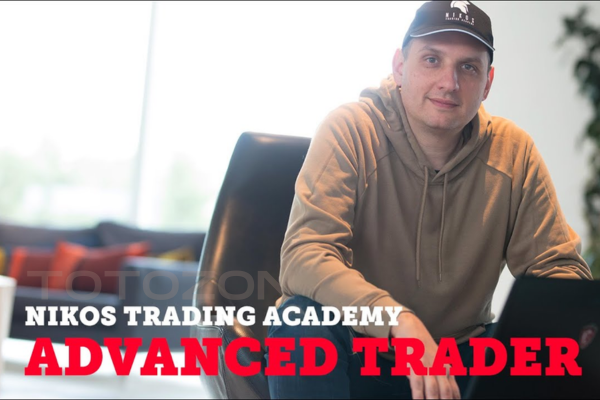 Advanced Trader with Nikos Trading Academy
1 × $5.00
Advanced Trader with Nikos Trading Academy
1 × $5.00 -
×
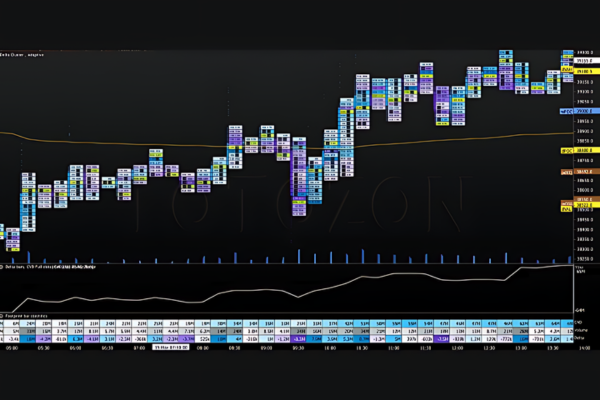 Advanced Trading Course - Footprint Charts, Market Profile & TPO with Jayson Casper
1 × $31.00
Advanced Trading Course - Footprint Charts, Market Profile & TPO with Jayson Casper
1 × $31.00 -
×
 EFT – The Art of Delivery with Gary Craig
1 × $5.00
EFT – The Art of Delivery with Gary Craig
1 × $5.00 -
×
 Quantifiable Edges – Gold Subscription with Rob Hanna
1 × $54.00
Quantifiable Edges – Gold Subscription with Rob Hanna
1 × $54.00 -
×
 The Indices Orderflow Masterclass with The Forex Scalpers
1 × $23.00
The Indices Orderflow Masterclass with The Forex Scalpers
1 × $23.00 -
×
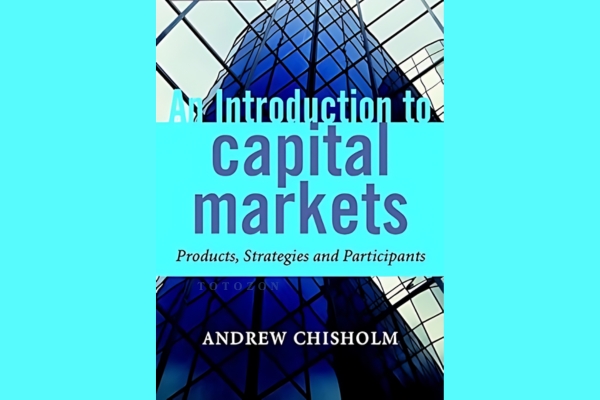 An Introduction to Capital Markets with Andrew M.Chisholm
1 × $6.00
An Introduction to Capital Markets with Andrew M.Chisholm
1 × $6.00 -
×
 How to Find the Most Profitable Stocks with Mubarak Shah
1 × $6.00
How to Find the Most Profitable Stocks with Mubarak Shah
1 × $6.00 -
×
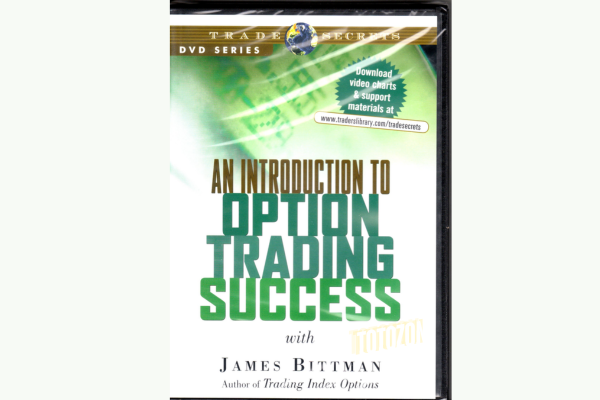 An Introduction to Option Trading Success with James Bittman
1 × $6.00
An Introduction to Option Trading Success with James Bittman
1 × $6.00 -
×
 ICT Prodigy Trading Course – $650K in Payouts with Alex Solignani
1 × $15.00
ICT Prodigy Trading Course – $650K in Payouts with Alex Solignani
1 × $15.00 -
×
 Compass Trading System with Right Line Trading
1 × $39.00
Compass Trading System with Right Line Trading
1 × $39.00 -
×
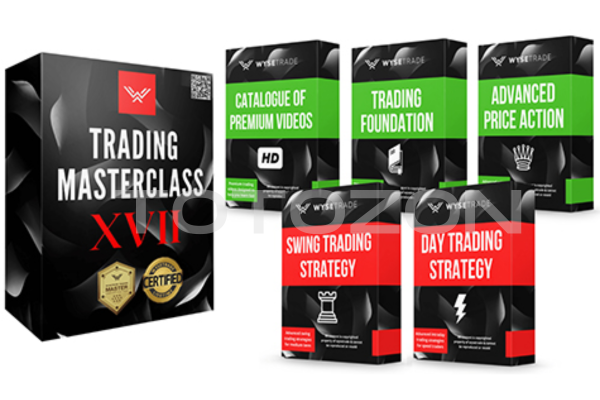 Trading Masterclass XVII with Wysetrade
1 × $6.00
Trading Masterclass XVII with Wysetrade
1 × $6.00 -
×
 Forecast 2024 Clarification with Larry Williams
1 × $15.00
Forecast 2024 Clarification with Larry Williams
1 × $15.00 -
×
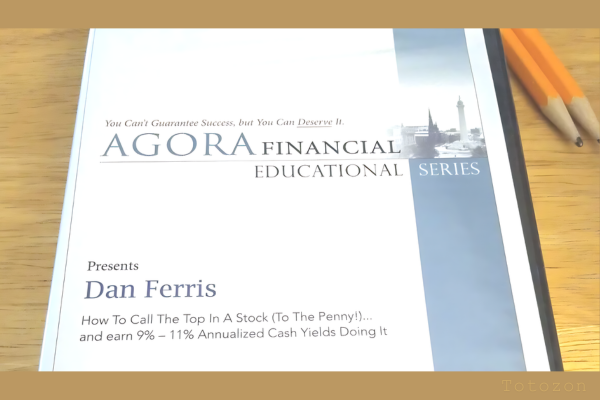 How to Call the Top in a Stock (To the Penny!) and Earn 9-11% Annualized Cash Yields Doing It with Dan Ferris
1 × $6.00
How to Call the Top in a Stock (To the Penny!) and Earn 9-11% Annualized Cash Yields Doing It with Dan Ferris
1 × $6.00 -
×
 F.A.M.E. Home Study Course with Doug Sutton
1 × $6.00
F.A.M.E. Home Study Course with Doug Sutton
1 × $6.00 -
×
 Evolution Course with Kevin Trades
1 × $15.00
Evolution Course with Kevin Trades
1 × $15.00 -
×
 The Complete Foundation Stock Trading Course
1 × $62.00
The Complete Foundation Stock Trading Course
1 × $62.00 -
×
 4D Bootcamp with Black Rabbit
1 × $10.00
4D Bootcamp with Black Rabbit
1 × $10.00 -
×
 The Dark Side Of Valuation with Aswath Damodaran
1 × $6.00
The Dark Side Of Valuation with Aswath Damodaran
1 × $6.00 -
×
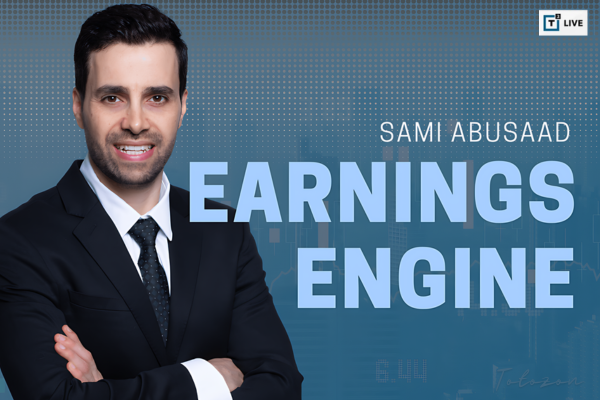 Earnings Engine Class with Sami Abusaad - T3 Live
1 × $23.00
Earnings Engine Class with Sami Abusaad - T3 Live
1 × $23.00 -
×
 The Handbook of Chaos Control with H.G.Schuster
1 × $6.00
The Handbook of Chaos Control with H.G.Schuster
1 × $6.00 -
×
 Secrets of a Winning Trader with Gareth Soloway
1 × $871.00
Secrets of a Winning Trader with Gareth Soloway
1 × $871.00 -
×
 Who is Afraid of Word Trade Organization with Kent Jones
1 × $6.00
Who is Afraid of Word Trade Organization with Kent Jones
1 × $6.00 -
×
 Essentials in Quantitative Trading QT01 By HangukQuant's
1 × $23.00
Essentials in Quantitative Trading QT01 By HangukQuant's
1 × $23.00 -
×
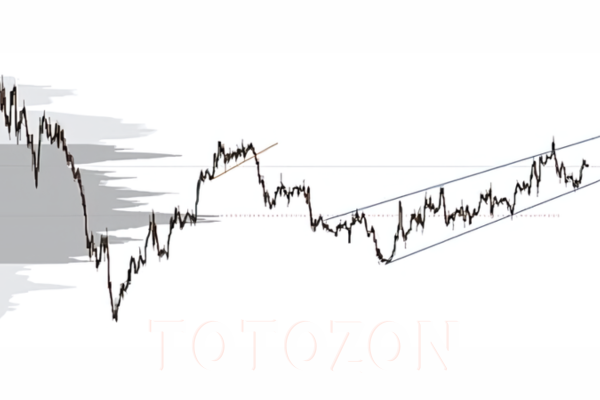 Complete Price Action, Volume Profile and Orderflow Trading Bundle with Price Action Volume Trader
1 × $78.00
Complete Price Action, Volume Profile and Orderflow Trading Bundle with Price Action Volume Trader
1 × $78.00 -
×
 Geometry of Markets I with Bruce Gilmore
1 × $6.00
Geometry of Markets I with Bruce Gilmore
1 × $6.00 -
×
 7 Commandments of Stock Investing with Gene Marcial
1 × $6.00
7 Commandments of Stock Investing with Gene Marcial
1 × $6.00 -
×
 Royal Exchange Forex with Jan Teslar
1 × $6.00
Royal Exchange Forex with Jan Teslar
1 × $6.00 -
×
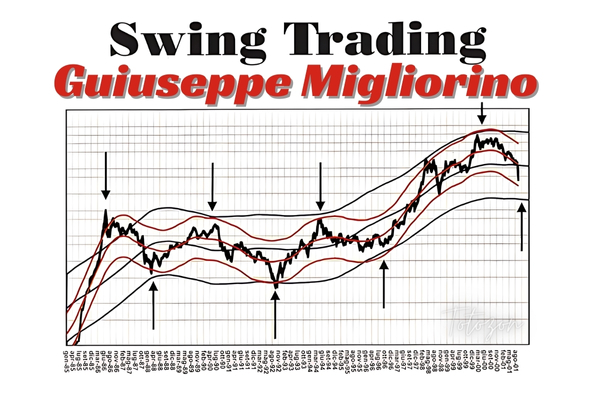 Swing Trading (Italian) with Guiuseppe Migliorino
1 × $6.00
Swing Trading (Italian) with Guiuseppe Migliorino
1 × $6.00 -
×
 White Phoenix’s The Smart (Money) Approach to Trading with Jayson Casper
1 × $39.00
White Phoenix’s The Smart (Money) Approach to Trading with Jayson Casper
1 × $39.00 -
×
 Currency Strategy with Callum Henderson
1 × $6.00
Currency Strategy with Callum Henderson
1 × $6.00 -
×
 Commodities for Dummies with Amine Bouchentouf
1 × $6.00
Commodities for Dummies with Amine Bouchentouf
1 × $6.00 -
×
 The A to Z of Mathematics: A Basic Guide with Thomas Sidebotham
1 × $6.00
The A to Z of Mathematics: A Basic Guide with Thomas Sidebotham
1 × $6.00 -
×
 Futures 101: An Introduction to Futures Contracts Class with Don Kaufman
1 × $6.00
Futures 101: An Introduction to Futures Contracts Class with Don Kaufman
1 × $6.00 -
×
 Candlestick Trading for Maximum Profitsn with B.M.Davis
1 × $6.00
Candlestick Trading for Maximum Profitsn with B.M.Davis
1 × $6.00 -
×
 Trading Aplications of Japanese Candlestick Charting with Gary S.Wagner & Bradley L.Matheny
1 × $6.00
Trading Aplications of Japanese Candlestick Charting with Gary S.Wagner & Bradley L.Matheny
1 × $6.00 -
×
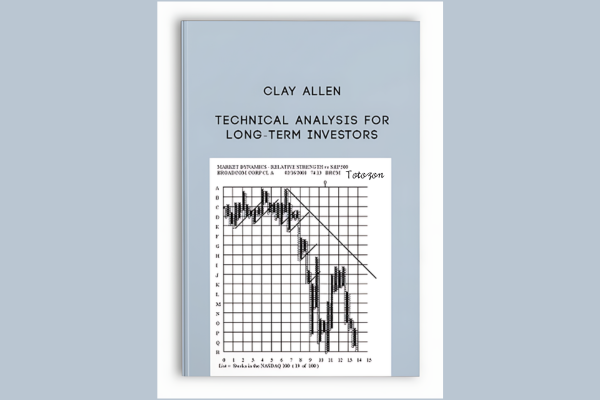 Technical Analysis for Long-Term Investors with Clay Allen
1 × $6.00
Technical Analysis for Long-Term Investors with Clay Allen
1 × $6.00 -
×
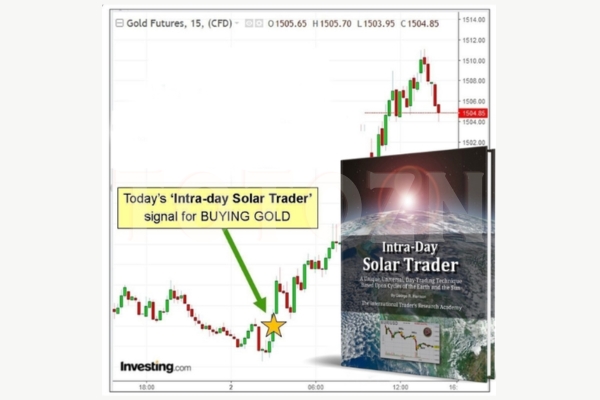 Intra-day Solar Trader with George Harrison
1 × $17.00
Intra-day Solar Trader with George Harrison
1 × $17.00 -
×
 High Probability Trading Using Elliott Wave And Fibonacci Analysis withVic Patel - Forex Training Group
1 × $10.00
High Probability Trading Using Elliott Wave And Fibonacci Analysis withVic Patel - Forex Training Group
1 × $10.00 -
×
 Traders: Risks, Decisions, and Management in Financial Markets - Mark Fenton-O’Creevy, Nigel Nicholson, Emma Soane & Paul Willman
1 × $6.00
Traders: Risks, Decisions, and Management in Financial Markets - Mark Fenton-O’Creevy, Nigel Nicholson, Emma Soane & Paul Willman
1 × $6.00 -
×
 3 Short Selling Strategies - Trading Strategy Bundles – Quantified Strategies
1 × $39.00
3 Short Selling Strategies - Trading Strategy Bundles – Quantified Strategies
1 × $39.00 -
×
 4 Day Trading Bootcamp
1 × $31.00
4 Day Trading Bootcamp
1 × $31.00 -
×
 WondaFX Signature Strategy with WondaFX
1 × $5.00
WondaFX Signature Strategy with WondaFX
1 × $5.00 -
×
 Commitments of Traders : Strategies for Tracking the Market and Trading Profitably with Floyd Upperman
1 × $6.00
Commitments of Traders : Strategies for Tracking the Market and Trading Profitably with Floyd Upperman
1 × $6.00 -
×
 Trading Mindset, and Three Steps To Profitable Trading with Bruce Banks
1 × $6.00
Trading Mindset, and Three Steps To Profitable Trading with Bruce Banks
1 × $6.00 -
×
 Fibonacci Trading & Dynamic Profit Targeting with Base Camp Trading
1 × $15.00
Fibonacci Trading & Dynamic Profit Targeting with Base Camp Trading
1 × $15.00 -
×
 Scalp Strategy and Flipping Small Accounts with Opes Trading Group
1 × $5.00
Scalp Strategy and Flipping Small Accounts with Opes Trading Group
1 × $5.00 -
×
 All About Bonds & Mutual Funds with Esme Faerber
1 × $6.00
All About Bonds & Mutual Funds with Esme Faerber
1 × $6.00 -
×
 Home Run Options Trading Course with Dave Aquino - Base Camp Trading
1 × $11.00
Home Run Options Trading Course with Dave Aquino - Base Camp Trading
1 × $11.00 -
×
 Futures & Options from A to Z with Russell Wassendorf
1 × $6.00
Futures & Options from A to Z with Russell Wassendorf
1 × $6.00 -
×
 The Beginners Guide to Commodities Investing with Brian & Gayle Rice
1 × $6.00
The Beginners Guide to Commodities Investing with Brian & Gayle Rice
1 × $6.00 -
×
 Weekly Options Boot Camp with Price Headley
1 × $15.00
Weekly Options Boot Camp with Price Headley
1 × $15.00 -
×
 How To Build An Automated Trading Robot In Excel with Peter Titus - Marwood Research
1 × $15.00
How To Build An Automated Trading Robot In Excel with Peter Titus - Marwood Research
1 × $15.00 -
×
 Options Trading with Nick & Gareth - Nick Santiago & Gareth Soloway - InTheMoneyStocks
1 × $31.00
Options Trading with Nick & Gareth - Nick Santiago & Gareth Soloway - InTheMoneyStocks
1 × $31.00 -
×
 A Complete Course in Option Trading Fundamentals with Joseph Frey
1 × $6.00
A Complete Course in Option Trading Fundamentals with Joseph Frey
1 × $6.00

How to Lose Money Profitably with Mark D.Cook
$6.00
File Size: Coming soon!
Delivery Time: 1–12 hours
Media Type: Online Course
Content Proof: Watch Here!
You may check content proof of “How to Lose Money Profitably with Mark D.Cook” below:
How to Lose Money Profitably with Mark D. Cook
Introduction
In the realm of investing and trading, the notion of losing money profitably might sound paradoxical. However, Mark D. Cook, a seasoned trader with decades of experience, introduces a unique perspective that transforms this paradox into a practical strategy. In this article, we explore the fascinating concept of losing money profitably, uncovering the principles, methods, and mindset needed to make it work.
Understanding the Concept
What Does It Mean to Lose Money Profitably?
Losing money profitably involves making calculated losses that ultimately contribute to greater long-term gains. This approach requires a deep understanding of market dynamics, risk management, and psychological resilience.
The Philosophy Behind the Strategy
Cook’s philosophy is grounded in the belief that small, controlled losses are essential to preserve capital and seize profitable opportunities when they arise. By embracing losses as part of the trading journey, traders can avoid catastrophic failures and build sustainable success.
The Key Principles
1. Risk Management
Setting Loss Limits
Establishing clear loss limits is crucial. Cook advises setting a maximum loss threshold for each trade, ensuring that no single loss can significantly impact overall capital.
Diversification
Diversifying investments helps mitigate risk. By spreading funds across various assets, traders can reduce the impact of a poor-performing trade on their overall portfolio.
2. Emotional Discipline
Avoiding Emotional Trading
Emotions can cloud judgment and lead to impulsive decisions. Cook emphasizes the importance of sticking to a well-defined trading plan and avoiding emotional reactions to market fluctuations.
Learning from Losses
Viewing losses as learning opportunities rather than failures is key. Analyzing what went wrong and adjusting strategies accordingly fosters growth and resilience.
Strategies for Profitable Losses
1. The Stop-Loss Strategy
Implementing Stop-Loss Orders
Stop-loss orders automatically sell a security when it reaches a predetermined price, limiting potential losses. This strategy ensures that losses remain within acceptable limits.
Adjusting Stop-Loss Levels
Regularly reviewing and adjusting stop-loss levels based on market conditions and performance trends is essential for maintaining effective risk management.
2. The Hedging Technique
What is Hedging?
Hedging involves taking offsetting positions in related assets to reduce risk. For example, buying put options can protect against potential declines in stock prices.
Benefits of Hedging
Hedging provides a safety net, allowing traders to take calculated risks without exposing their entire portfolio to potential losses.
3. The Cut-Losses-Quickly Approach
Recognizing Failing Trades
Identifying trades that are not performing as expected and exiting them quickly can prevent small losses from escalating into significant setbacks.
Maintaining Flexibility
Staying flexible and open to changing market conditions enables traders to adapt their strategies and minimize losses effectively.
The Psychological Aspect
1. Building Resilience
Developing a Positive Mindset
Maintaining a positive outlook despite losses is vital. Cook suggests focusing on long-term goals and viewing each loss as a step toward improvement.
Stress Management Techniques
Practicing stress management techniques such as mindfulness and regular exercise can help traders stay calm and make rational decisions.
2. Continuous Learning
Staying Informed
Keeping up with market trends, economic news, and industry developments ensures traders are well-informed and prepared to adjust their strategies as needed.
Seeking Mentorship
Learning from experienced traders, such as Mark D. Cook, provides valuable insights and practical advice for navigating the complexities of trading.
Implementing the Strategy
1. Developing a Trading Plan
Setting Clear Goals
Define specific, achievable goals for trading activities, including profit targets and acceptable loss limits.
Regular Evaluation
Regularly review and evaluate the trading plan’s effectiveness, making adjustments as necessary to improve performance.
2. Practicing Patience
Avoiding Overtrading
Overtrading can lead to increased losses and diminished returns. Cook advises patience and waiting for high-probability opportunities.
Allowing Trades to Develop
Give trades sufficient time to develop according to the plan. Avoid premature exits based on short-term fluctuations.
Conclusion
Losing money profitably, as taught by Mark D. Cook, is a sophisticated strategy that requires a blend of risk management, emotional discipline, and continuous learning. By embracing controlled losses as part of the trading journey, traders can protect their capital, learn valuable lessons, and ultimately achieve long-term success. Remember, the key is not to avoid losses but to manage them wisely and profit from the experience.
FAQs
1. What is the main idea behind losing money profitably?
The main idea is to make small, controlled losses that protect overall capital and create opportunities for larger, more profitable gains.
2. How does risk management play a role in this strategy?
Risk management is crucial as it involves setting loss limits, diversifying investments, and implementing strategies like stop-loss orders to minimize potential losses.
3. Why is emotional discipline important in trading?
Emotional discipline helps traders avoid impulsive decisions driven by fear or greed, ensuring they stick to their trading plan and make rational choices.
4. What is the significance of stop-loss orders?
Stop-loss orders help limit losses by automatically selling a security when it reaches a predetermined price, protecting traders from significant setbacks.
5. How can continuous learning benefit traders?
Continuous learning keeps traders informed about market trends and strategies, enabling them to adapt and improve their trading performance over time.
Be the first to review “How to Lose Money Profitably with Mark D.Cook”
You must be logged in to post a review.
Related products

Original price was: $799.00.$15.00Current price is: $15.00.
Original price was: $497.00.$11.00Current price is: $11.00.

Original price was: $4,995.00.$15.00Current price is: $15.00.

Forex Trading
The Complete Guide to Multiple Time Frame Analysis & Reading Price Action with Aiman Almansoori
Original price was: $1,399.00.$13.00Current price is: $13.00.
Forex Trading
Original price was: $850.00.$23.00Current price is: $23.00.

Forex Trading
Original price was: $239.00.$8.00Current price is: $8.00.

Original price was: $895.00.$15.00Current price is: $15.00.

Forex Trading
Original price was: $4,997.00.$27.00Current price is: $27.00.

Original price was: $310.00.$23.00Current price is: $23.00.

Forex Trading
Original price was: $2,995.00.$31.00Current price is: $31.00.
Forex Trading
Original price was: $249.00.$15.00Current price is: $15.00.

Original price was: $997.00.$13.00Current price is: $13.00.

Forex Trading
Quantamentals – The Next Great Forefront Of Trading and Investing with Trading Markets
Original price was: $1,495.00.$8.00Current price is: $8.00.

Original price was: $695.00.$41.00Current price is: $41.00.

Forex Trading
Original price was: $499.00.$15.00Current price is: $15.00.
Forex Trading
Original price was: $550.00.$5.00Current price is: $5.00.

Forex Trading
Original price was: $697.00.$5.00Current price is: $5.00.
Forex Trading
Original price was: $1,098.00.$39.00Current price is: $39.00.

Forex Trading
Original price was: $2,997.00.$23.00Current price is: $23.00.
Forex Trading
Original price was: $797.00.$10.00Current price is: $10.00.

Reviews
There are no reviews yet.