
-
×
 Trading a Living Thing (Article) with David Bowden
1 × $6.00
Trading a Living Thing (Article) with David Bowden
1 × $6.00 -
×
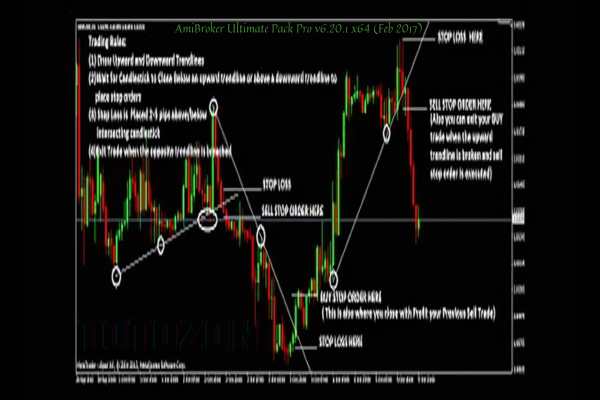 AmiBroker Ultimate Pack Pro v6.20.1 x64 (Feb 2017)
1 × $6.00
AmiBroker Ultimate Pack Pro v6.20.1 x64 (Feb 2017)
1 × $6.00 -
×
 ProfileTraders - Swing and Price Analysis (May 2014)
1 × $6.00
ProfileTraders - Swing and Price Analysis (May 2014)
1 × $6.00 -
×
 The Crypto Code with Joel Peterson - Adam Short
1 × $15.00
The Crypto Code with Joel Peterson - Adam Short
1 × $15.00 -
×
 The Art And Science Of Trading with Adam Grimes
1 × $6.00
The Art And Science Of Trading with Adam Grimes
1 × $6.00 -
×
 Self-Mastery Course with Steven Cruz
1 × $62.00
Self-Mastery Course with Steven Cruz
1 × $62.00 -
×
 Option Insanity Strategy with PDS Trader
1 × $69.00
Option Insanity Strategy with PDS Trader
1 × $69.00 -
×
 Get to know the VIX Index (aka The Fear Index)
1 × $15.00
Get to know the VIX Index (aka The Fear Index)
1 × $15.00 -
×
 How I Turned 500 USD to 6 Figures in 2 months Trading Options with The Money Printers
1 × $8.00
How I Turned 500 USD to 6 Figures in 2 months Trading Options with The Money Printers
1 × $8.00 -
×
 How to Build Fortune. Trading Stock Index Futures with Dennis Minogue
1 × $6.00
How to Build Fortune. Trading Stock Index Futures with Dennis Minogue
1 × $6.00 -
×
 Core Strategy Program + Extended Learning Track with Ota Courses
1 × $124.00
Core Strategy Program + Extended Learning Track with Ota Courses
1 × $124.00 -
×
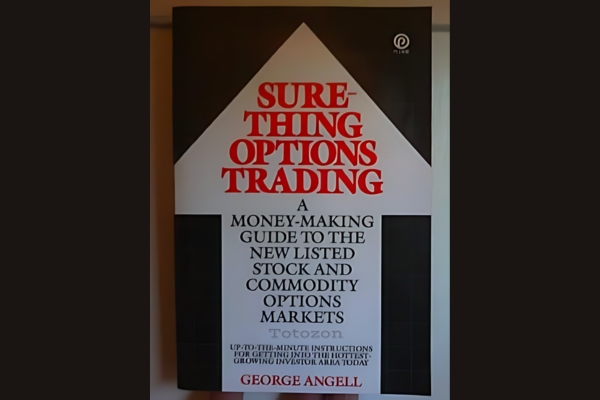 Sure-thing Options Trading: A Money-Making Guide to the New Listed Stock and Commodity Options Markets - George Angell
1 × $6.00
Sure-thing Options Trading: A Money-Making Guide to the New Listed Stock and Commodity Options Markets - George Angell
1 × $6.00 -
×
 Sequence Trading Course with Kevin Haggerty
1 × $4.00
Sequence Trading Course with Kevin Haggerty
1 × $4.00 -
×
 Simpler Options - Ultimate Guide to Debit Spreads – Nov 2014
1 × $6.00
Simpler Options - Ultimate Guide to Debit Spreads – Nov 2014
1 × $6.00 -
×
 Path to Profits By Scott Redler - T3 Live
1 × $6.00
Path to Profits By Scott Redler - T3 Live
1 × $6.00 -
×
 Advanced Spread Trading with Guy Bower - MasterClass Trader
1 × $15.00
Advanced Spread Trading with Guy Bower - MasterClass Trader
1 × $15.00 -
×
 5 Steps to Investment Success with Tyler Bolhorn
1 × $6.00
5 Steps to Investment Success with Tyler Bolhorn
1 × $6.00 -
×
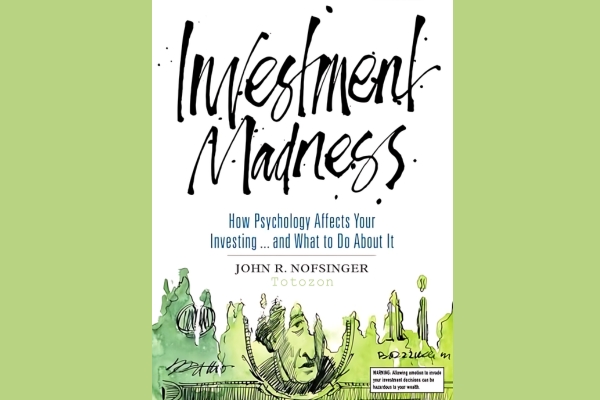 Investment Madness with John Nofsinger
1 × $6.00
Investment Madness with John Nofsinger
1 × $6.00 -
×
 Discounted Cash Flow Valuation: Spot Undervalued Stocks Fast with Jari Roomer
1 × $6.00
Discounted Cash Flow Valuation: Spot Undervalued Stocks Fast with Jari Roomer
1 × $6.00 -
×
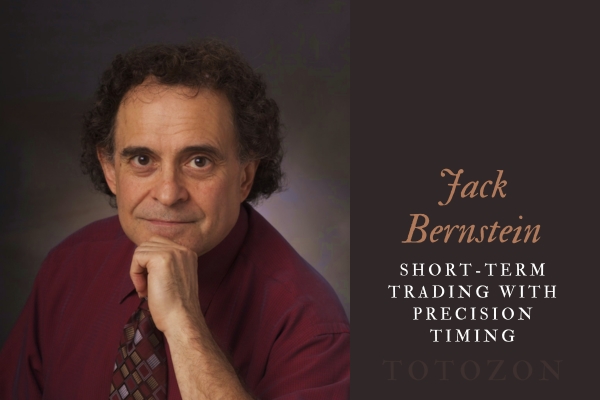 Short-Term Trading with Precision Timing - Jack Bernstein
1 × $6.00
Short-Term Trading with Precision Timing - Jack Bernstein
1 × $6.00 -
×
 3 Hour Calendar Class With Bonus 3 Months Daily Analysis!
1 × $23.00
3 Hour Calendar Class With Bonus 3 Months Daily Analysis!
1 × $23.00 -
×
 Essential Stock Picking Strategies with Daniel Strachman
1 × $6.00
Essential Stock Picking Strategies with Daniel Strachman
1 × $6.00 -
×
 Fundamentals Trading
1 × $6.00
Fundamentals Trading
1 × $6.00 -
×
 Quantamentals - The Next Great Forefront Of Trading and Investing with Trading Markets
1 × $8.00
Quantamentals - The Next Great Forefront Of Trading and Investing with Trading Markets
1 × $8.00 -
×
 Day One Trader with John Sussex
1 × $6.00
Day One Trader with John Sussex
1 × $6.00 -
×
 Stock Trading Simplified - 3 DVD + PDF Workbook with John Person
1 × $6.00
Stock Trading Simplified - 3 DVD + PDF Workbook with John Person
1 × $6.00 -
×
 Capital Asset Investment with Anthony F.Herbst
1 × $6.00
Capital Asset Investment with Anthony F.Herbst
1 × $6.00 -
×
 Guidelines for Analysis and Establishing a Trading Plan with Charles Drummond
1 × $6.00
Guidelines for Analysis and Establishing a Trading Plan with Charles Drummond
1 × $6.00 -
×
 Floor Traders Edge Mentorship Program with Market Geeks
1 × $6.00
Floor Traders Edge Mentorship Program with Market Geeks
1 × $6.00 -
×
 Smart Money Concepts with MFX Trading
1 × $13.00
Smart Money Concepts with MFX Trading
1 × $13.00 -
×
 Global Product with John Stark
1 × $6.00
Global Product with John Stark
1 × $6.00 -
×
 Equities with Peter Martin
1 × $6.00
Equities with Peter Martin
1 × $6.00 -
×
 Derivate Instruments by Brian A.Eales
1 × $6.00
Derivate Instruments by Brian A.Eales
1 × $6.00 -
×
 David Weis Stock Market Update Nightly Report 2014-2019
1 × $20.00
David Weis Stock Market Update Nightly Report 2014-2019
1 × $20.00 -
×
 Fibonacci – CCI Workshop Recording Series (2006 & 2008)
1 × $6.00
Fibonacci – CCI Workshop Recording Series (2006 & 2008)
1 × $6.00 -
×
 Foundational Chart Analysis Series: Support / Resistance Techniques of Professional Traders 6 DVD Home Study Course
1 × $54.00
Foundational Chart Analysis Series: Support / Resistance Techniques of Professional Traders 6 DVD Home Study Course
1 × $54.00 -
×
 Home Run Options Trading Course with Dave Aquino - Base Camp Trading
1 × $11.00
Home Run Options Trading Course with Dave Aquino - Base Camp Trading
1 × $11.00 -
×
 Forecast 2012 Report with Larry Williams
1 × $6.00
Forecast 2012 Report with Larry Williams
1 × $6.00 -
×
 How to Pick Hot Reverse Merger Penny Stocks with John Lux
1 × $5.00
How to Pick Hot Reverse Merger Penny Stocks with John Lux
1 × $5.00 -
×
 Stock Investing Strategies with Maria Crawford Scott, John Bajkowski
1 × $6.00
Stock Investing Strategies with Maria Crawford Scott, John Bajkowski
1 × $6.00 -
×
 Fibonacci Trading & Dynamic Profit Targeting with Base Camp Trading
1 × $15.00
Fibonacci Trading & Dynamic Profit Targeting with Base Camp Trading
1 × $15.00 -
×
 High Probability Trading Using Elliott Wave And Fibonacci Analysis withVic Patel - Forex Training Group
1 × $10.00
High Probability Trading Using Elliott Wave And Fibonacci Analysis withVic Patel - Forex Training Group
1 × $10.00 -
×
 The Naked Eye: Raw Data Analytics with Edgar Torres - Raw Data Analytics
1 × $8.00
The Naked Eye: Raw Data Analytics with Edgar Torres - Raw Data Analytics
1 × $8.00 -
×
 Future Energy with Bill Paul
1 × $6.00
Future Energy with Bill Paul
1 × $6.00 -
×
 Trading Options Effectively with Paul Forchione
1 × $4.00
Trading Options Effectively with Paul Forchione
1 × $4.00 -
×
 5-Step-Trading Stocks II - Avoid Common Trading Mistakes - Online Course (April 2014)
1 × $23.00
5-Step-Trading Stocks II - Avoid Common Trading Mistakes - Online Course (April 2014)
1 × $23.00 -
×
 The Hedge Fund Edge. Maximum Profit, Minimum Risk. Global Trading Trend Strategies - Mark Boucher
1 × $6.00
The Hedge Fund Edge. Maximum Profit, Minimum Risk. Global Trading Trend Strategies - Mark Boucher
1 × $6.00 -
×
 The Michanics of Futures Trading - Roy Habben
1 × $6.00
The Michanics of Futures Trading - Roy Habben
1 × $6.00 -
×
 Geometry of Markets I with Bruce Gilmore
1 × $6.00
Geometry of Markets I with Bruce Gilmore
1 × $6.00 -
×
 Multi Asset Class Investment Strategy with Guy Fraser-Sampson
1 × $6.00
Multi Asset Class Investment Strategy with Guy Fraser-Sampson
1 × $6.00

How to Lose Money Profitably with Mark D.Cook
$6.00
File Size: Coming soon!
Delivery Time: 1–12 hours
Media Type: Online Course
Content Proof: Watch Here!
You may check content proof of “How to Lose Money Profitably with Mark D.Cook” below:

How to Lose Money Profitably with Mark D. Cook
Introduction
In the realm of investing and trading, the notion of losing money profitably might sound paradoxical. However, Mark D. Cook, a seasoned trader with decades of experience, introduces a unique perspective that transforms this paradox into a practical strategy. In this article, we explore the fascinating concept of losing money profitably, uncovering the principles, methods, and mindset needed to make it work.
Understanding the Concept
What Does It Mean to Lose Money Profitably?
Losing money profitably involves making calculated losses that ultimately contribute to greater long-term gains. This approach requires a deep understanding of market dynamics, risk management, and psychological resilience.
The Philosophy Behind the Strategy
Cook’s philosophy is grounded in the belief that small, controlled losses are essential to preserve capital and seize profitable opportunities when they arise. By embracing losses as part of the trading journey, traders can avoid catastrophic failures and build sustainable success.
The Key Principles
1. Risk Management
Setting Loss Limits
Establishing clear loss limits is crucial. Cook advises setting a maximum loss threshold for each trade, ensuring that no single loss can significantly impact overall capital.
Diversification
Diversifying investments helps mitigate risk. By spreading funds across various assets, traders can reduce the impact of a poor-performing trade on their overall portfolio.
2. Emotional Discipline
Avoiding Emotional Trading
Emotions can cloud judgment and lead to impulsive decisions. Cook emphasizes the importance of sticking to a well-defined trading plan and avoiding emotional reactions to market fluctuations.
Learning from Losses
Viewing losses as learning opportunities rather than failures is key. Analyzing what went wrong and adjusting strategies accordingly fosters growth and resilience.
Strategies for Profitable Losses
1. The Stop-Loss Strategy
Implementing Stop-Loss Orders
Stop-loss orders automatically sell a security when it reaches a predetermined price, limiting potential losses. This strategy ensures that losses remain within acceptable limits.
Adjusting Stop-Loss Levels
Regularly reviewing and adjusting stop-loss levels based on market conditions and performance trends is essential for maintaining effective risk management.
2. The Hedging Technique
What is Hedging?
Hedging involves taking offsetting positions in related assets to reduce risk. For example, buying put options can protect against potential declines in stock prices.
Benefits of Hedging
Hedging provides a safety net, allowing traders to take calculated risks without exposing their entire portfolio to potential losses.
3. The Cut-Losses-Quickly Approach
Recognizing Failing Trades
Identifying trades that are not performing as expected and exiting them quickly can prevent small losses from escalating into significant setbacks.
Maintaining Flexibility
Staying flexible and open to changing market conditions enables traders to adapt their strategies and minimize losses effectively.
The Psychological Aspect
1. Building Resilience
Developing a Positive Mindset
Maintaining a positive outlook despite losses is vital. Cook suggests focusing on long-term goals and viewing each loss as a step toward improvement.
Stress Management Techniques
Practicing stress management techniques such as mindfulness and regular exercise can help traders stay calm and make rational decisions.
2. Continuous Learning
Staying Informed
Keeping up with market trends, economic news, and industry developments ensures traders are well-informed and prepared to adjust their strategies as needed.
Seeking Mentorship
Learning from experienced traders, such as Mark D. Cook, provides valuable insights and practical advice for navigating the complexities of trading.
Implementing the Strategy
1. Developing a Trading Plan
Setting Clear Goals
Define specific, achievable goals for trading activities, including profit targets and acceptable loss limits.
Regular Evaluation
Regularly review and evaluate the trading plan’s effectiveness, making adjustments as necessary to improve performance.
2. Practicing Patience
Avoiding Overtrading
Overtrading can lead to increased losses and diminished returns. Cook advises patience and waiting for high-probability opportunities.
Allowing Trades to Develop
Give trades sufficient time to develop according to the plan. Avoid premature exits based on short-term fluctuations.
Conclusion
Losing money profitably, as taught by Mark D. Cook, is a sophisticated strategy that requires a blend of risk management, emotional discipline, and continuous learning. By embracing controlled losses as part of the trading journey, traders can protect their capital, learn valuable lessons, and ultimately achieve long-term success. Remember, the key is not to avoid losses but to manage them wisely and profit from the experience.
FAQs
1. What is the main idea behind losing money profitably?
The main idea is to make small, controlled losses that protect overall capital and create opportunities for larger, more profitable gains.
2. How does risk management play a role in this strategy?
Risk management is crucial as it involves setting loss limits, diversifying investments, and implementing strategies like stop-loss orders to minimize potential losses.
3. Why is emotional discipline important in trading?
Emotional discipline helps traders avoid impulsive decisions driven by fear or greed, ensuring they stick to their trading plan and make rational choices.
4. What is the significance of stop-loss orders?
Stop-loss orders help limit losses by automatically selling a security when it reaches a predetermined price, protecting traders from significant setbacks.
5. How can continuous learning benefit traders?
Continuous learning keeps traders informed about market trends and strategies, enabling them to adapt and improve their trading performance over time.
Be the first to review “How to Lose Money Profitably with Mark D.Cook”
You must be logged in to post a review.
Related products

Forex Trading
Original price was: $397.00.$31.00Current price is: $31.00.
Original price was: $497.00.$11.00Current price is: $11.00.

Forex Trading
Original price was: $999.00.$15.00Current price is: $15.00.

Forex Trading
Original price was: $850.00.$23.00Current price is: $23.00.
Forex Trading
Original price was: $797.00.$10.00Current price is: $10.00.

Original price was: $1,800.00.$54.00Current price is: $54.00.

Original price was: $997.00.$13.00Current price is: $13.00.

Original price was: $299.00.$8.00Current price is: $8.00.

Original price was: $139.00.$23.00Current price is: $23.00.

Original price was: $649.00.$20.00Current price is: $20.00.

Forex Trading
Original price was: $500.00.$5.00Current price is: $5.00.

Original price was: $999.00.$5.00Current price is: $5.00.
Forex Trading
Quantamentals – The Next Great Forefront Of Trading and Investing with Trading Markets
Original price was: $1,495.00.$8.00Current price is: $8.00.

Forex Trading
The Complete Guide to Multiple Time Frame Analysis & Reading Price Action with Aiman Almansoori
Original price was: $1,399.00.$13.00Current price is: $13.00.

Forex Trading
Original price was: $4,997.00.$27.00Current price is: $27.00.

Original price was: $1,200.00.$23.00Current price is: $23.00.

Forex Trading
Original price was: $249.00.$15.00Current price is: $15.00.

Original price was: $799.00.$15.00Current price is: $15.00.

Original price was: $695.00.$41.00Current price is: $41.00.

Original price was: $497.00.$31.00Current price is: $31.00.

Reviews
There are no reviews yet.